


Traumatic Brain Injury
Brain Injury Symptoms Can Appear Days After an Accident
Don't wait for obvious signs. Delayed symptoms of traumatic brain injury are serious and require immediate medical attention and legal guidance.
By CHG Lawyers · Published August 24, 2026
Delayed Brain Injury Symptoms After an Accident: Why They Appear Hours or Days Later—and Why Time Matters
You walk away from a truck crash, a fall at an unsafe property, or a rideshare collision. You feel fine. Your head doesn’t hurt. You’re alert. Then six hours later, a headache starts. By morning, you can’t concentrate. Days in, you’re sleeping 14 hours daily and don’t recognize your own irritability.
This is the hidden danger of delayed brain injury symptoms. Many people feel fine right after impact—then develop serious symptoms hours or even days later. By then, the critical window for early medical evaluation has often passed.
Here’s what matters most right now: If you’ve been in an accident involving a head injury, delayed symptoms are common—and they do not weaken your legal claim. But there is a legal deadline. If symptoms appear weeks later and you delay seeking medical care or legal counsel, that deadline still applies. Understanding why brain injuries are delayed, what symptoms to watch for, and why you cannot afford to wait is the difference between catching a serious injury early, protecting your legal rights, and living with permanent disability while a claim expires.

If your injury resulted from someone else's negligence, recklessness, or failure to provide adequate security, you may have a legal claim for compensation. Talk it through with our team — the first consultation is free, confidential, and carries no obligation.
Why Brain Injuries Hide: Adrenaline and the Lucid Interval
At impact, your body floods with adrenaline and stress hormones. These chemicals are powerful painkillers and mood elevators. They mask injury for hours. You feel alert, capable, even calm.
But inside your skull, something else is happening. Blood vessels may bleed slowly. Brain tissue may swell. Nerve fibers may tear. None of this causes immediate pain or obvious symptoms.
The most dangerous phenomenon is called a lucid interval. This is a period—sometimes hours long—when someone with a serious brain injury feels completely normal. They may seem fine to paramedics or emergency room doctors. Then, as bleeding accumulates or swelling worsens, symptoms appear suddenly and can deteriorate rapidly.
A person who seemed fine can lose consciousness, have a seizure, or become confused within minutes. This is not rare. It is a recognized medical emergency pattern. Waiting to see if symptoms develop is not a safe strategy—by the time you feel something is wrong, the injury may have progressed significantly.
Immediate Red Flags: When to Call 911
Certain signs demand emergency care right now. Do not wait. Call 911 or go to an emergency room immediately if you or someone else experiences any of these after an accident:
- Loss of consciousness, even for a few seconds
- Severe headache that worsens or doesn’t improve
- Repeated vomiting or nausea
- Confusion, disorientation, or difficulty understanding what people are saying
- Slurred speech or difficulty speaking
- Seizures or convulsions
- Clear fluid draining from the nose or ears (sign of skull fracture)
- Pupils that are unequal in size or don’t respond to light
- Inability to wake up or extreme drowsiness
- Weakness or numbness in your arms or legs
- Severe loss of balance or coordination
These are signs of severe brain injury or bleeding inside the skull. Do not assume they will improve on their own.
The Delayed Symptom Timeline: What to Monitor in Hours and Days
The most dangerous aspect of delayed brain injury symptoms is that serious changes can emerge long after the accident. Do not assume you’re fine just because you felt okay at the scene.
In the first 24 to 72 hours after a head injury, watch for:
- Headaches that develop, worsen, or don’t respond to over-the-counter pain relief
- Dizziness or vertigo that makes it hard to walk or focus
- Sensitivity to light or sound (bright lights or loud noises cause real discomfort)
- Difficulty concentrating, “brain fog,” or feeling mentally slow
- Memory problems—trouble remembering the accident, recent events, or everyday tasks
- Mood changes: irritability, anxiety, sadness, or emotional outbursts that feel new or unusual
- Sleep disturbances: insomnia, sleeping much more than usual, or nightmares
- Fatigue that doesn’t improve with rest
- Difficulty with balance, coordination, or fine motor tasks (writing, buttoning clothes)
- Nausea or loss of appetite
- Blurred or double vision
- Ringing in the ears (tinnitus)
Mayo Clinic documents that these symptoms can appear within hours or take days to surface. Waiting to see if they resolve on their own is not safe. If you notice any of these changes, seek medical evaluation. Do not wait for them to worsen.
“Mild” Brain Injury: Why the Word Is Misleading—and Why It Still Matters
A mild traumatic brain injury—often called a concussion—may not involve loss of consciousness. You might feel dazed, confused, or “out of it” for a few minutes after impact. You might have a mild headache, slight dizziness, or brief confusion that seems to clear quickly.
Here is what many people misunderstand: the word “mild” describes the initial severity classification, not the long-term impact. According to the CDC, even mild brain injuries can have lasting effects, with some people experiencing persistent headaches, memory trouble, or difficulty concentrating for weeks or months. Cleveland Clinic confirms that some people experience post-concussion syndrome—ongoing symptoms that interfere with work, school, and daily life.
The person who feels fine after a concussion but then cannot return to work for three months because of memory problems has experienced a catastrophic injury—even though it was classified as “mild” at the scene. The person who was assaulted at an apartment complex with inadequate security, suffered a concussion, and now struggles with concentration and mood changes has suffered a life-altering injury. That is catastrophic, regardless of the initial label.
If you have any symptoms after a head injury, seek medical evaluation. A doctor can determine severity and recommend monitoring or treatment. Document everything: when symptoms started, how they’ve changed, and how they affect your daily function.
How Doctors Diagnose Brain Injury After an Accident
Doctors use several tools to assess brain injury:
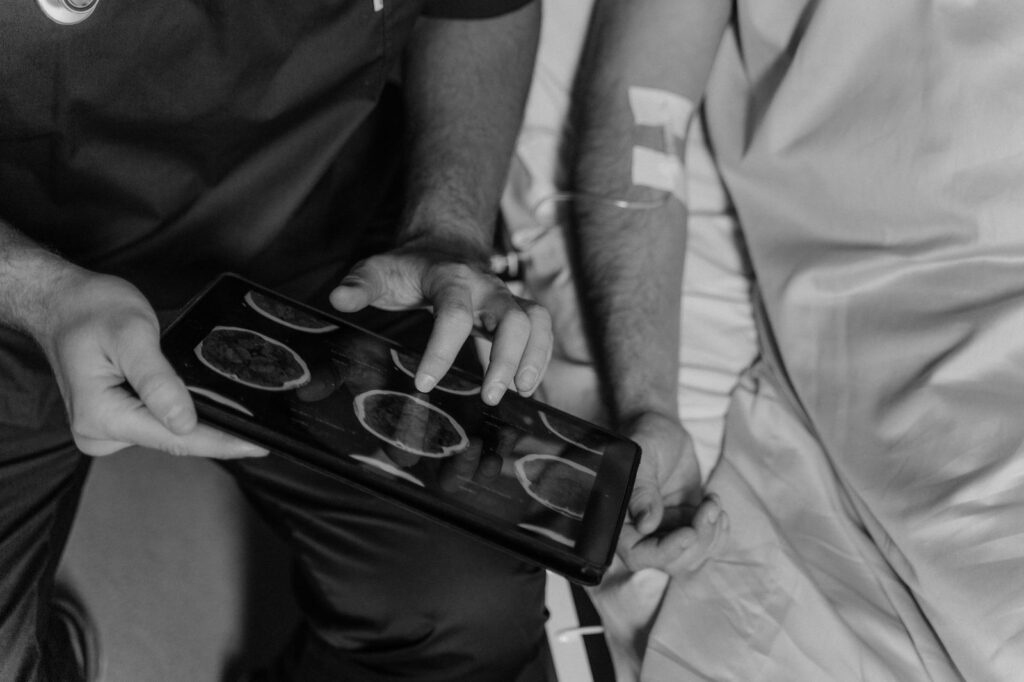
- CT scan (computed tomography): Takes detailed images of the brain to detect bleeding, swelling, or fractures. Often done in the emergency room after a serious head injury.
- MRI (magnetic resonance imaging): Provides more detailed images than CT and can detect subtle injuries. May be done days or weeks after the accident.
- Neurological exam: A doctor tests reflexes, balance, coordination, vision, hearing, and mental function.
- Cognitive testing: Formal tests of memory, attention, processing speed, and reasoning. Often done by a neuropsychologist.
- Blood biomarkers: Certain proteins in the blood (such as tau and phosphorylated tau) can indicate brain injury. This is an emerging diagnostic tool that may become more common in coming years.
Critical point: The CDC confirms that many brain injuries do not show up on CT or MRI scans, especially mild or moderate ones. A negative scan does not rule out a brain injury. Your symptoms and a careful history of the accident are often as important as imaging in diagnosis.
This is why waiting days to seek evaluation is risky—you may have a significant injury that won’t appear on imaging, and early documentation of your symptoms is essential for both your health and any future legal claim.
Not sure what your next step is?
Talk it through with our team — the first consultation is free, confidential, and carries no obligation.
Brain Bleeds and the Lucid Interval: Why Time Matters
A brain bleed (intracranial hemorrhage) can develop immediately or over hours and days after an accident. The lucid interval—that dangerous period when someone feels fine before sudden deterioration—is a hallmark of epidural bleeding, where blood accumulates between the brain and skull.
Symptoms of a brain bleed include severe headache, vomiting, confusion, loss of consciousness, seizures, or weakness on one side of the body. Brain bleeds are medical emergencies. The National Institute of Neurological Disorders and Stroke (NINDS) emphasizes that even a small bleed can be serious, and imaging (CT or MRI) is the only way to diagnose it.
If you develop any of these symptoms after a head injury, seek emergency care immediately. Do not wait to see if they improve.
Why Medical Documentation Matters for Your Health and Your Legal Claim
You might feel pressure to downplay your injury or assume it’s not serious if you didn’t lose consciousness. Resist that instinct. Here’s why seeking medical care matters:
- Symptoms can worsen without early intervention. Medical evaluation and monitoring can prevent complications.
- A medical record is essential. It documents your injury, your symptoms, when they appeared, and how they’ve progressed—critical for your health and for any future claim if the accident was caused by someone else’s negligence or wrongdoing.
- A doctor can guide your recovery. They’ll tell you what to watch for and when to return for follow-up care.
- Delayed diagnosis does not weaken your legal claim. If you were in an accident caused by a truck driver’s recklessness, a fall at an unsafe property, an assault at a location with inadequate security, or a rideshare collision, the fact that your symptoms appeared days later does not diminish your injury or your right to compensation. Delayed symptoms are expected and common with brain injuries. What matters is that your injury was caused by someone else’s negligence or wrongdoing—and that you document it promptly before the two-year statute of limitations expires (Fla. Stat. § 95.11(5)(a)).
Diffuse Axonal Injury: Damage You Can’t See on Imaging
Not all brain injuries involve bleeding or bruising. Some damage the brain’s internal structure in ways that standard imaging may miss.
Diffuse axonal injury (DAI) occurs when the force of an accident tears the brain’s nerve fibers (axons). It can cause widespread damage even without visible injury on CT or MRI. DAI often results in prolonged unconsciousness, lasting cognitive and physical problems, and sometimes permanent disability.
Other serious injuries include:
- Contusions (bruises on brain tissue)
- Coup-contrecoup injuries (damage on opposite sides of the brain from impact)
- Penetrating injuries (when an object pierces the skull)
These injuries may not be obvious at first but can cause severe, lasting impairment.
Recovery from Brain Injury: What to Expect
Recovery depends on the severity of the injury, your age and overall health, and the quality of medical care and rehabilitation. Some people recover fully from mild brain injuries within weeks or months. Moderate and severe brain injuries often result in lasting changes: difficulty with memory, concentration, mood, balance, or physical function.
Recovery is not always linear. Progress can be slow, and some effects may be permanent. Rehabilitation—physical therapy, occupational therapy, speech therapy, cognitive rehabilitation—can help maximize recovery and adaptation. But even with excellent care, some brain injuries cause permanent disability that affects work, relationships, and daily life.
This is why brain injuries are catastrophic: they can alter a person’s future in ways that aren’t always visible to others but profoundly affect quality of life.
Have questions about what happened?
Ask our team directly. The first conversation is free, confidential, and there is no obligation to continue.
When to Seek Medical and Legal Help: Don’t Let the Deadline Pass
Seek immediate emergency care if you have severe headache, vomiting, loss of consciousness, seizures, or weakness after a head injury.
See a doctor for evaluation if you have any symptoms—even mild ones—after an accident involving a head injury. Do this within days, not weeks.
If your symptoms persist or worsen over days or weeks, ask for a referral to a neurologist or neuropsychologist.
If your injury resulted from an accident caused by someone else’s negligence—a truck crash, a fall at an unsafe property, an assault at a location with inadequate security, or a rideshare collision—you may have a legal claim. A brain injury that causes lasting disability can result in significant medical costs, lost income, and reduced quality of life. A legal claim can help recover those damages.
Remember: Florida law gives you two years from the date of the accident to file a claim (Fla. Stat. § 95.11(5)(a)). If you’re still evaluating your symptoms or unsure whether you have a claim, do not wait. Contact a personal injury attorney now to discuss what happened and protect your rights.
Frequently Asked Questions
Can you have a brain injury without losing consciousness?
Yes. Loss of consciousness is not required for a serious brain injury. Many people with traumatic brain injuries never lose consciousness but still suffer lasting cognitive, physical, or emotional effects.
Why do brain injury symptoms appear days after an accident?
Swelling, internal bleeding, and damage to nerve fibers can develop gradually. Adrenaline and shock at the scene can also mask symptoms temporarily.
What should I do if I have symptoms after a head injury but the ER said I was fine?
Follow up with your primary care doctor or ask for a referral to a neurologist. A quick emergency room exam may miss injuries that become apparent later. Document your symptoms and when they started.
Is a “mild” brain injury really not serious?
No. “Mild” refers to the initial severity classification, not the long-term impact. Many people with mild brain injuries experience lasting problems with memory, concentration, mood, or physical function. If those problems prevent you from working or affect your daily life, your injury is catastrophic—and you may have a legal claim.
If my brain injury symptoms appear days later, does that hurt my legal claim?
No. Delayed symptoms are common and expected with brain injuries. What matters is that your injury was caused by someone else’s negligence or wrongdoing. A medical record documenting your symptoms and their connection to the accident is what supports your claim. What does matter is time: Florida’s two-year statute of limitations applies regardless of when symptoms appear.
How long do I have to file a claim in Florida?
Under Florida Statute § 95.11(3)(a), you have two years from the date of the accident to file a personal injury claim. Do not wait.
If you’ve been in an accident and are noticing symptoms that worry you—or if someone you care about is struggling with changes in memory, mood, or physical function after a crash, assault, or fall—we can help you understand what happened and what your options are. People in your situation can reach out to us, and we’re here to listen. Contact us for a free case evaluation.
Seek Medical Care Immediately
If you've been in an accident, get a medical evaluation right away—even if you feel fine. Brain injuries can worsen without treatment. Document everything: your symptoms, when they started, and the accident details. This record is critical.
Common Delayed Symptoms of Traumatic Brain Injury
Cognitive Changes
Difficulty concentrating, memory problems, confusion, trouble following conversations, or feeling mentally foggy days or weeks after the accident.
Physical Symptoms
Headaches, dizziness, balance problems, sensitivity to light or noise, nausea, or fatigue that develops or worsens over time.
Emotional & Behavioral Shifts
Mood swings, irritability, anxiety, depression, emotional numbness, or personality changes that weren't present before the injury.
Sleep Disturbances
Insomnia, excessive sleepiness, or disrupted sleep patterns that emerge days after the accident.
Why Brain Injury Symptoms Are Often Delayed
Internal Swelling & Inflammation
Brain tissue swells after injury. This swelling can take hours or days to peak, gradually triggering symptoms as pressure builds inside the skull.
Bleeding Inside the Skull
Bleeding between the brain and skull, or within brain tissue, may not cause immediate symptoms. As blood accumulates, pressure increases and symptoms emerge.
Cellular Damage & Chemical Changes
Traumatic brain injury triggers a cascade of chemical changes at the cellular level. These changes unfold over hours and days, causing symptoms to appear gradually.
Adrenaline & Shock Can Mask Injury
Immediately after an accident, adrenaline and shock can mask pain and cognitive problems. As these wear off, brain injury symptoms become noticeable.
What You Should Do After an Accident
Get Medical Evaluation
See a doctor or go to the emergency room, even if you feel okay. Imaging (CT scan, MRI) can detect bleeding or swelling the naked eye cannot. Report all symptoms, no matter how minor.
Document Your Symptoms
Keep a detailed record of when symptoms appear, how severe they are, and how they affect your daily life—work, school, relationships, sleep, and self-care.
Follow Medical Advice
Attend all follow-up appointments and specialist visits. Brain injuries require careful monitoring. Some injuries worsen without proper care and rest.
Report the Accident
File a police report if the injury resulted from a crash, assault, or unsafe property. Obtain the report number and contact information for witnesses.
Catastrophic Brain Injury Changes Lives
Traumatic brain injuries can cause permanent cognitive, physical, and emotional impairment. The costs—medical care, rehabilitation, lost income, and lifelong support—are enormous. If your injury resulted from someone else's negligence, recklessness, or failure to provide adequate security, you may have a legal claim for compensation.