

Talc and Mesothelioma Claims in Florida
Preparing for Your Talc or Mesothelioma Case Review
A short checklist of records, work history, and family details that help a Florida attorney understand your situation from the start.
Why Florida families contact CHG
Florida
Florida-based personal injury firm
Free
Initial consultation, with no obligation to continue
Bilingual
English and Spanish educational resources
By CHG Lawyers · Published November 27, 2026
If you or a family member has been diagnosed with mesothelioma or ovarian cancer, you may wonder what to bring to a review. Bring three things. Bring your medical records. Bring a written history of where and when asbestos or talc may have been involved. Bring any product or work papers you can find.
Each item below explains why it matters and what to gather first.
What a Free Talc or Mesothelioma Case Review Is For
A free case review is a first conversation. It helps decide whether a talc or asbestos claim may fit your situation.
The consultation is free, confidential, and carries no obligation to continue. CHG charges no attorney’s fees and no case costs unless there is a recovery.
The goal is to organize the facts. That way, the Florida lawyers can review them carefully. Nothing has to be decided on the first call.
On the call, the lawyers will ask about your diagnosis, your work history, and any talc products you used. They will ask about dates, names, and places. You do not need every answer. Write down what you remember. Note what you are unsure of.
A claim may be referred to, or handled together with, another law firm. If that applies to you, the lawyers will tell you openly during the call.
If you or a family member has a mesothelioma or ovarian cancer diagnosis and a pile of papers to organize, our team at CHG can review them with you in a free, confidential first consultation. Talk it through with our team — the first consultation is free, confidential, and carries no obligation.
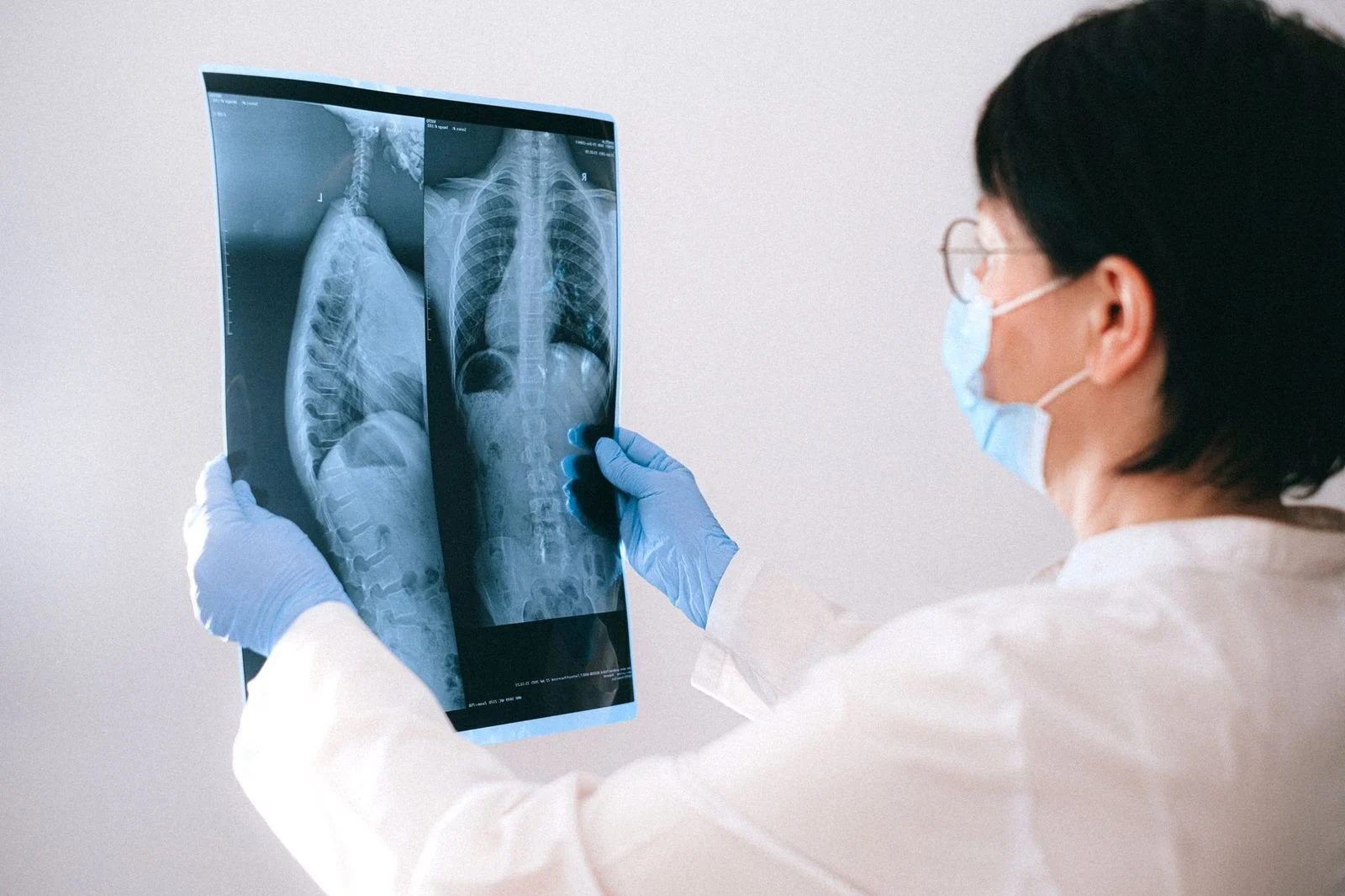
Medical Records and Diagnosis Paperwork
Diagnosis records are the foundation of any talc or mesothelioma claim. Gather these items:
- Pathology reports (lab reports on tissue samples)
- Biopsy results (results from a small tissue sample taken from your body)
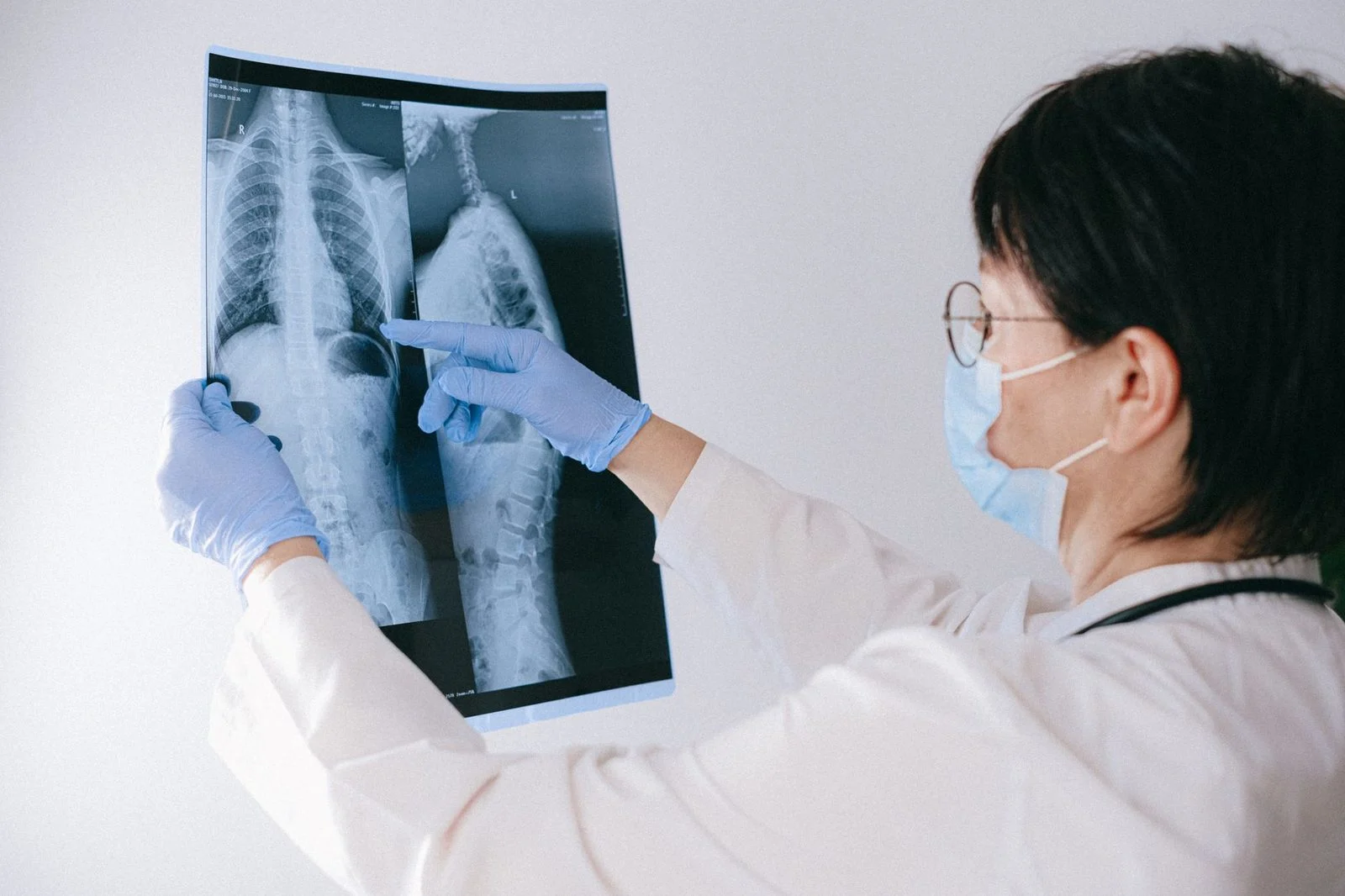
- Imaging reports, such as CT scan or X-ray summaries
- Notes from your oncology (cancer) or pulmonology (lung) doctors
Pathology and biopsy reports describe what was found and when. Imaging reports show where a tumor or fluid buildup was seen.
Bring the most recent records. Also bring older ones from the first diagnosis. If you had surgery, bring the operative report (the written record of the surgery) too.
Ask each hospital and clinic for copies early. Record requests can take time. Make a list of your treating doctors, clinics, and visit dates. Then check that the list matches the records.
Florida’s rules for asbestos lawsuits also call for a written medical report with supporting test results. See Fla. Stat. 774.205.
Bring a current list of your medications and treatments too. Follow your doctors’ care plan. This checklist helps you organize your paperwork. It is not medical advice.
Your Asbestos or Talc Exposure History
Write down every place and time period where you may have come into contact with asbestos or talc. Do this even if your memory is rough.
Mesothelioma usually appears decades after asbestos exposure. That means long-ago details matter.
Florida’s asbestos claim rules ask for specifics. A sworn information form must list each alleged exposure in asbestos claims filed in Florida on or after the effective date of the act. It must show the location, the beginning and ending dates, and the occupation and employer at the time. See Fla. Stat. 774.205.
For workplace exposure, list: – Employers – Job sites, trades, shipyards, and plants – Dates of employment
For household exposure, note: – Work clothing brought home – Renovation or demolition at home – Family members who worked with asbestos materials
A parent who worked with insulation may have carried dust home on clothing. Write that down too.
A claim turns on where and how you were exposed. Note who handled the material, how often, and in what setting. Both the products handled and how long you handled them matter.
Talc Product Use and Purchase Evidence
Your talc product history shows which products may be involved. List the talc-based products you used. Examples include baby powder, body powder, and feminine hygiene powder. Include approximate years and how often you used them.
Lawsuits allege that some talc products were contaminated with asbestos. These are allegations, not proven facts.
- The FDA talc page says scientific literature has suggested a possible association between genital talc use and ovarian cancer. It also says the evidence has not conclusively established a link.
- The American Cancer Society fact sheet says possible asbestos contamination of talc products is a major concern.
- A PMC study on cosmetic talc reports that certain historic cosmetic talcum powders contained asbestos.
Bring any bottles or containers, labels, lot numbers, receipts, store loyalty records, or photos of packaging. Keep the packaging if you still have it. A label can show the product name, size, and lot number.
Family members may remember brand names, store names, and years of use. Write down what they recall, even if they are unsure.
Military, Work, and Asbestos Trust Records
Work and service records show where and when you may have been exposed. Gather these records:
- Military service records
- Job history
- Union or apprenticeship records
- Pay stubs or W-2 forms that name your employers
Union and apprenticeship offices may keep training and dispatch records. Ask early.
Asbestos bankruptcy trusts may pay claims separately from a lawsuit. Trust claim forms often ask for the same exposure details. One clear history can serve both paths.
Bring any prior claim letters, trust correspondence, or workers’ compensation or disability paperwork you have.
Florida’s occupational disease law has its own proof rules. The nature of the employment must be the major contributing cause of the disease. Fla. Stat. § 440.151 reads: “Provided, however, that in no case shall an employer be liable for compensation under the provisions of this section unless such disease has resulted from the nature of the employment in which the employee was engaged under such employer, was actually contracted while so engaged, and the nature of the employment was the major contributing cause of the disease.” Causation (the link between the cause and the illness) and sufficient exposure must be proven by clear and convincing evidence, a high standard of proof. See Fla. Stat. 440.151.
Your lawyers can explain how those rules fit your work history.
Timeline, Family Information, and Questions to Ask
A simple timeline keeps the dates straight. Write down:
- Diagnosis dates
- First symptoms
- Key treatments
- The date you first learned the illness might be connected to exposure
The timeline also shows the order of tests and treatments. Keep it to one page.
Florida sets deadlines for these claims. The deadlines can be strict. Under Fla. Stat. 774.206, for asbestos or silica claims not barred as of the act’s effective date, the limitations period (the legal deadline to file) does not begin to run until a person discovers, or should have discovered, physical impairment from an asbestos-related or silica-related condition.
The general deadline for an action based on negligence is two years. See Fla. Stat. 95.11.
Timing rules are complex. Contact the firm promptly.
If Medicare paid for your care, your claim may need to be reported to Medicare. CMS guidance says reporting is done through the MSP Recovery Portal or by contacting the Benefits Coordination & Recovery Center. For continued exposure, CMS looks at the date of last exposure to decide whether its policy applies.
Bring contact details for a spouse, adult child, or caregiver who helps with records.
Write your questions down. Ask:
- How the process works in Florida
- What the timing might look like
- What possible outcomes could involve
- How fees and costs work
Ask for the consultation terms in writing.
Not sure what your next step is?
Talk it through with our team — the first consultation is free, confidential, and carries no obligation.
Take the Next Step with CHG Personal Injury Lawyers
If you are facing a diagnosis and a stack of papers, you do not have to sort it alone. CHG Personal Injury Lawyers is a Florida firm. Igor Hernandez is the responsible lawyer for this page. Our lawyers are licensed in Florida.
Contact us through the CHG contact page to set up your free, confidential first consultation.
La consulta inicial es gratuita, confidencial y sin compromiso de continuar.
Frequently Asked Questions
What documents should I bring to a talc or mesothelioma case review?
Bring any medical records related to your diagnosis. These include pathology reports, imaging scans, and treatment notes. Also bring a list of your doctors. If you do not have everything, bring what you can. The firm can help request missing records.
What exposure history should I prepare for a mesothelioma case review?
Write down every job, employer, and work site where you may have been around asbestos. Include the years you worked there and any military service. Also note any household members who worked with asbestos materials. Take-home exposure can be part of a claim.
What should I bring if I used talcum powder and was later diagnosed with ovarian cancer?
Bring the name and brand of the powder you used. Note how long and how often you used it. Also bring any receipts, packaging, or photos you still have. Lawsuits allege a link between talc products and ovarian cancer. That link has not been proven. Your medical records and product history are important to review.
How soon should I contact the firm about a talc or mesothelioma claim?
Contact the firm promptly. Legal deadlines apply, and waiting can limit your options. The first consultation is free and confidential. It carries no obligation to continue.
What our team looks for in your documents
Diagnosis records
Pathology reports, biopsy results, and imaging scans connected to your diagnosis.
Work and military history
Job titles, employers, dates, and worksites, including any military service, since these often shape where exposure may have happened.
Home and family details
Addresses and years of residence, plus information about household members who may have worked with materials brought home.
Product and use history
For talc claims, the brands, purchase dates, and how long the product was used.
Do not wait to gather your records
Deadlines apply to these claims. Bring whatever you have today, and let the firm help request anything that is missing. Keep following your doctors' recommended care throughout the process.
Your review checklist
Medical papers
Bring pathology reports, imaging, treatment notes, and a list of every doctor and clinic involved in your care.
Exposure history
Write down every job, home, or service you remember, with approximate dates. Partial information is still useful.
Personal records
Bring identification, prior claims or settlements, and any bankruptcy trust correspondence you have received.
Questions for us
Note what you want to know about costs, timing, and next steps so we can answer each one during your consultation.