
Florida Wrongful Death | Mesothelioma
After a Mesothelioma Death, Your Family Still Has Options
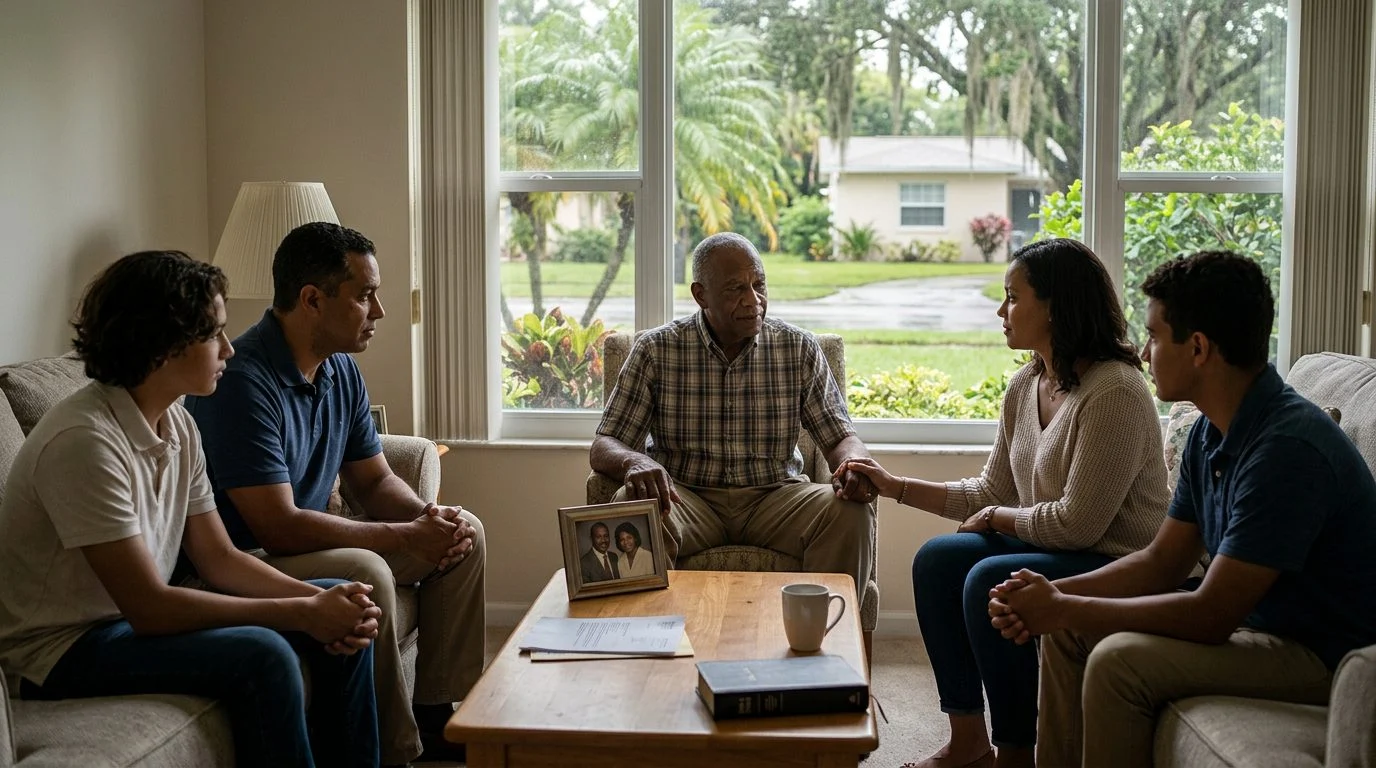
Grief comes first. When you are ready, the questions about exposure, records, and who can bring a claim can be answered one step at a time.
By CHG Lawyers · Published November 27, 2026
What Can a Family Do After a Mesothelioma Death in Florida?
Losing a loved one to mesothelioma is painful. Many Florida families ask what they can do next.
In Florida, a family may be able to bring a wrongful death claim. Depending on how your loved one was exposed, the family may also be able to seek asbestos trust fund payments. This page explains these options in plain language.
If your family's matter is one of them, we will tell you at the start. Talk it through with our team — the first consultation is free, confidential, and carries no obligation.
Who This Page Is For
This page is for Florida families who have lost a loved one to mesothelioma. It is for families who want to understand their legal options.
It is also for relatives who are trying to understand those options while they are still grieving.
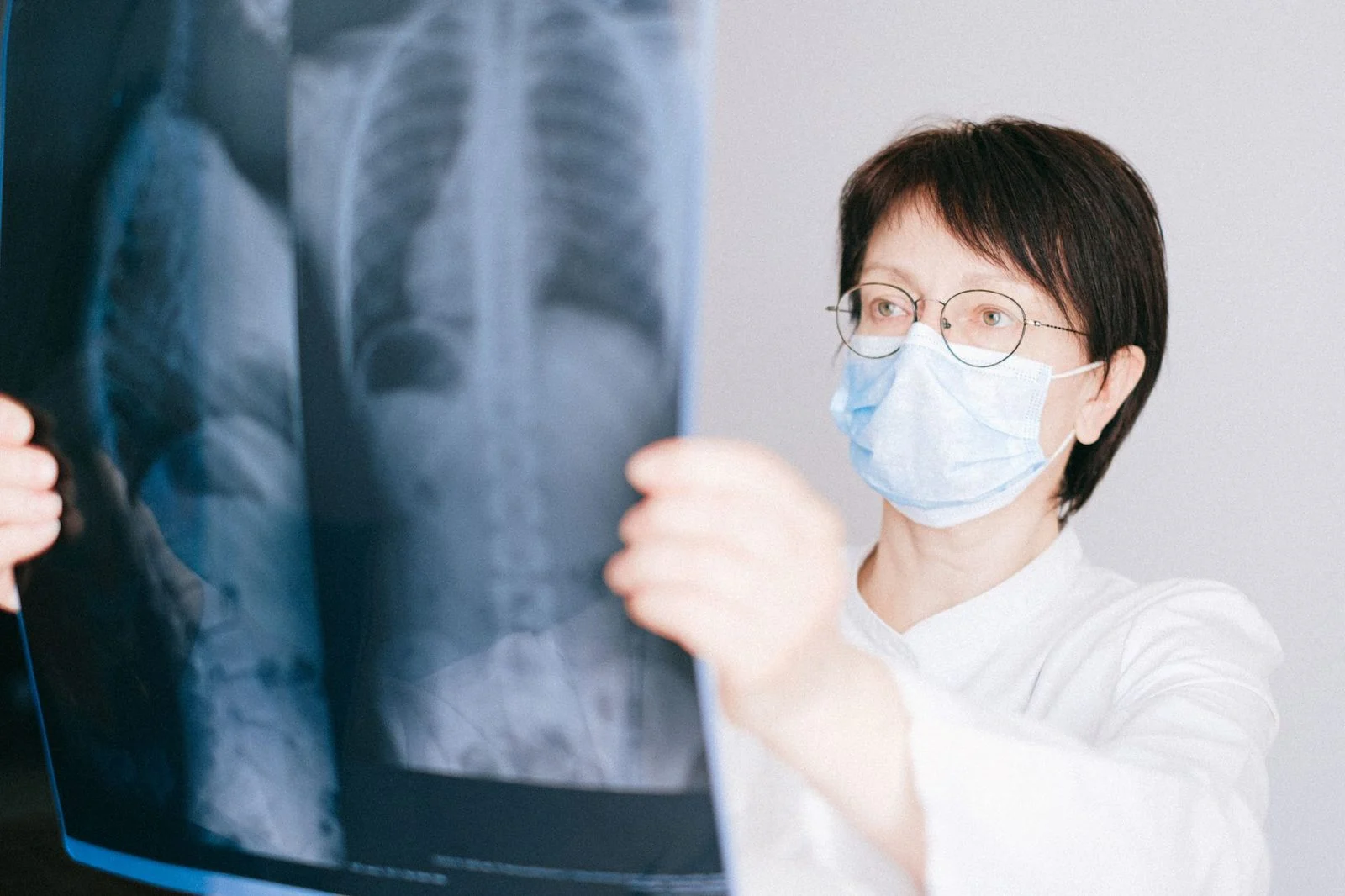
Mesothelioma is a cancer linked to asbestos. It usually appears decades after the exposure. Many families do not know where or when the exposure happened.
That gap makes these questions hard to answer. It is also why the exposure history matters so much.
This page covers four areas:
- Who can bring a claim after a death
- What a claim may include
- How asbestos trust funds and lawsuits can work together
- The steps and deadlines families should know
This is general educational information. It is not legal advice. Every case depends on its own facts. Follow your family’s doctors for all medical care.
How Mesothelioma Connects to a Legal Claim
A claim depends on where and how your loved one was exposed to asbestos. That exposure history is the starting point for everything else.
Workplace exposure. Many older building and industrial products contained asbestos. Workers in construction, shipyards, plants, and other industrial jobs may have breathed in fibers on the job.
Military exposure. Service members may have been exposed during duty. This is especially true for those who served on ships or in older facilities. Service records often help piece this history together.
Secondary, or take-home, exposure. Family members can be exposed when fibers ride home on a worker’s clothing. People who lived with a worker can also be exposed through everyday household contact.
What to write down now. Record employers, job sites, and dates. Also note union or trade details, military units, ship names, and any stories the patient shared. These details shape the claim.
How Asbestos Relates to Peritoneal Mesothelioma
Mesothelioma is named for the lining it affects. Peritoneal mesothelioma forms in the lining of the abdomen. Pleural mesothelioma forms in the lining of the chest.
Researchers believe asbestos fibers can reach the lining of the abdomen after they are swallowed. This includes fibers that were first breathed in and later cleared from the lungs. Scientists are still studying how this happens in each person.
Your loved one’s doctors are the right source for the medical details of their diagnosis. For a claim, the most important thing is the history of where the fibers were encountered.
Who Can Bring a Wrongful Death Claim in Florida
In Florida, a personal representative brings a wrongful death claim. A personal representative is the person formally appointed to act for the estate. This person acts for the survivors and the estate.
All potential beneficiaries must be named in the complaint. A beneficiary is someone who may receive money from the claim. The decedent’s estate is also included. The claim is brought for the benefit of the survivors and the estate (Fla. Stat. § 768.20).
Families should confirm early who holds that role.
A “decedent” is the person who died.
Florida also defines “minor children” as children under 25 years of age (Fla. Stat. § 768.18).
Florida’s wrongful death law applies when a death is caused by a wrongful act or negligence. The injured person must have been able to sue if death had not followed (Fla. Stat. § 768.19).
Do not assume who is included. Relationships and the facts decide who qualifies.
What Survivors May Recover
Florida law lets eligible survivors seek several kinds of damages. Damages are money awarded for losses.
- Lost support and services. Each survivor may recover the value of lost support and services from the date of injury to death, with interest. Interest is extra money added for the time that has passed. Future lost support and services from the date of death may also be recovered. These future amounts are reduced to present value.
- Mental pain and suffering. Each parent of a deceased minor child may recover for mental pain and suffering. Each parent of an adult child may also recover for mental pain and suffering if there are no other survivors. Minor children, and all children if there is no surviving spouse, may also recover for lost parental companionship, instruction, and guidance and for mental pain and suffering (Fla. Stat. § 768.21).
- Medical and funeral costs. A survivor who paid medical or funeral expenses may recover them. The estate may recover certain medical or funeral costs.
For spouses, Florida law addresses these losses in Fla. Stat. § 768.21. A loss of consortium claim covers the loss of a spouse’s companionship. When the injured person dies, the spouse’s losses are recovered in the wrongful death action instead (Ripple v. CBS Corp.).
Under s. 768.21(2), a surviving spouse may also recover for loss of the decedent’s companionship and protection and for mental pain and suffering from the date of injury.
Every case values losses differently. No outcome or amount can be promised.
Cancer Claims and Earlier Asbestos Illnesses
Florida treats a claim for a nonmalignant asbestos condition as a separate cause of action. A nonmalignant condition is a lung or other health problem that is not cancer. Legal terms can be confusing, and how they apply to a claim for asbestos-related illness depends on the facts of each case. A lawyer can explain how they apply to your situation.
Damages may not be awarded for fear or risk of cancer in an asbestos or silica claim (Fla. Stat. § 774.206).
This matters because a loved one may have had an earlier asbestos-related diagnosis. Bring every diagnosis and medical record, including older ones. This keeps the timeline complete.
Not sure what your next step is?
Talk it through with our team — the first consultation is free, confidential, and carries no obligation.
Asbestos Trust Funds, Medicare, and Other Routes
Many companies that made or used asbestos products went through bankruptcy. Some set up asbestos trust funds. These funds may pay claims separately from a lawsuit.
Each trust has its own filing process. Trust claims are usually reviewed using the exposure history and the type of claim. The work and military history from the earlier section matters here too.
A lawsuit against other responsible parties can run alongside trust claims. The two routes can affect each other.
Families should review trust and lawsuit paths together from the start.
Some matters are handled together with, or referred to, another law firm. If your family’s matter is one of them, we will tell you at the start.
Medicare may also be involved. When a person entitled to Medicare is in an accident involving liability insurance, that insurance pays first. Medicare pays second (CMS overview).
For continued exposure, Medicare looks at the date of last exposure (CMS reporting guidance).
The exposure date can decide this question. Keep those dates carefully.
Caring for Your Loved One and Planning Ahead
Families often ask how to face mesothelioma itself, not only the legal questions. There is no single answer.
Outlook depends on the type of mesothelioma, the stage at diagnosis, and the treatment chosen. These are questions for the patient’s medical team.
Families can help in several ways:
- Write down questions before each appointment.
- Ask the care team to explain options in plain words.
- Ask about palliative care. Palliative care focuses on comfort and quality of life during treatment.
Decisions about care belong to the patient and the doctors.
Keep a simple folder of medical records, work history, and military papers. This can reduce stress later. The same records support a legal review. One organized folder can serve both needs.
Steps and Timeline After a Death
The first steps are gathering records, building the exposure history, and identifying who can act for the estate.
- Gather records. Collect the death certificate, diagnosis and pathology reports, treatment records, and bills. Pathology reports are lab reports that examine tissue. Follow your family’s doctors’ guidance on any medical follow-up.
- Build the exposure history. Use work, union, military, and family details. Write down what the patient remembered and when.
- Identify survivors and the estate. Confirm who the surviving spouse, children, and parents are. Confirm who has authority to act for the estate. Gather the estate’s paperwork.
- Get a case review. A review covers the facts, possible responsible parties, and trust fund options.
- Negotiation or lawsuit. Many claims are negotiated, which means settled through talks. If they cannot be resolved, a lawsuit may be filed.
Timing matters.
These rules are technical and depend on the facts. Review your timing soon. Deadlines apply. The sooner a family contacts the firm, the more time there is to gather what is needed.
Questions Families Ask About Mesothelioma Claims
Most of these answers depend on the exposure history and the timeline.
Can we file if our loved one never filed a lawsuit?
Yes. A wrongful death claim is separate from any lawsuit the patient filed. The exposure history shapes whether a claim is possible. The personal representative brings the claim for the survivors.
Do we have to go to court?
Many claims are resolved through negotiation. Some move forward as lawsuits.
What if the exposure happened decades ago?
Mesothelioma often appears decades after exposure.
Can a spouse who washed work clothes make a claim?
Secondary exposure claims are possible. Whether one applies depends on the household facts and the exposure history.
What should we bring to the first consultation?
Bring these items:
- The death certificate
- Medical and pathology reports
- The exposure details listed above
- Names of any employers and military units
- Any trust or insurance paperwork
- Any notes the family has already made
What does the consultation involve?
The first consultation is free and confidential. It has no obligation to continue. It is a review of your family’s situation. It is also a chance to ask questions before deciding anything.
Talk With CHG Personal Injury Lawyers About Your Family’s Options
If you are researching this for a parent, spouse, or other relative, you may be carrying a great deal right now. You do not have to sort out every detail at once.
CHG Personal Injury Lawyers is a Florida-based personal injury firm. We serve clients throughout Florida, including Miami, Orlando, Tampa, and Jacksonville. The firm handles wrongful death and mesothelioma claims, along with other serious injury cases.
Igor Hernandez is the responsible lawyer for this page. Our attorneys are licensed and admitted to The Florida Bar.
CHG charges no attorney’s fees and no case costs unless there is a recovery.
If your family is facing this loss and wondering what comes next, our team is glad to talk. A free, confidential consultation is a good place to start.
Steps Families Often Take First
Gather the medical records
Keep the diagnosis, hospital, hospice, and death records together. Follow the instructions of your loved one's doctors and care team throughout.
Write down the work and home history
List every job, military assignment, and home or building where your loved one may have been around asbestos, including dates and the names of employers when you know them.
Save what your loved one kept
Old pay stubs, union cards, union or company paperwork, photographs, and letters can help show where and how exposure may have happened.
Talk with a Florida attorney early
Asbestos claims can involve lawsuits, bankruptcy trust claims, and family claims. Contacting the firm promptly helps protect your options.
Why Families Bring Their Questions to CHG
Florida-based
CHG Personal Injury Lawyers represents people and families throughout Florida.
Licensed attorneys
Our lawyers are licensed to practice law and admitted to The Florida Bar.
Compassionate, plain-language guidance
We explain each step in clear terms so you know what to expect, at your family's pace.
No fees unless there is a recovery
The firm charges no attorney's fees and no case costs unless there is a recovery.
Act Promptly
Deadlines apply to claims arising from a death in Florida, and a delay can make them harder to pursue. Some matters may be referred to, or handled together with, another law firm.