

Negligent Security | Premises Liability
Shot and Paralyzed? You May Have a Claim Against the Property Owner
When a criminal attack on someone else's property leaves you with a catastrophic spinal cord injury, the property owner's failure to provide reasonable security may make them legally responsible. Learn what you need to know.
By CHG Lawyers · Published August 27, 2026
Negligent Security Claim for Spinal Cord Injury or Paralysis
You were shot, assaulted, robbed, or attacked on someone else’s property. It could have been an apartment complex, parking lot, garage, hotel, or business. Now you have a spinal cord injury or paralysis.
The attacker is criminally responsible. But the property owner may also owe you money. They may have failed to provide reasonable security that could have stopped the attack. This is called a negligent security claim—a separate legal action from any criminal case.
You can pursue both. Understanding how a negligent security claim works is your first step toward recovery.
Not sure what your next step is?
Talk it through with our team — the first consultation is free, confidential, and carries no obligation.
The Property Owner May Be Liable for Your Injury
Property owners have a legal duty of care to protect visitors and residents from foreseeable harm. This includes violent crime. They must maintain reasonable security.
The attacker bears criminal responsibility. But the property owner bears civil responsibility if they knew (or should have known) violent crime was a risk and failed to provide adequate security.
This means you can pursue compensation from the property owner’s insurance company or assets. This is separate from any criminal case.
Why does this matter? Criminals typically have no money to pay a judgment. Property owners and their insurance companies do. A negligent security claim is often your only realistic path to compensation for your catastrophic injury.
What Counts as Reasonable Security?
Property owners must provide security measures that fit the location and known risks. Reasonable security typically includes:
- Working locks and gates on entrances, exits, and common areas
- Adequate lighting in parking lots, garages, hallways, and outdoor areas
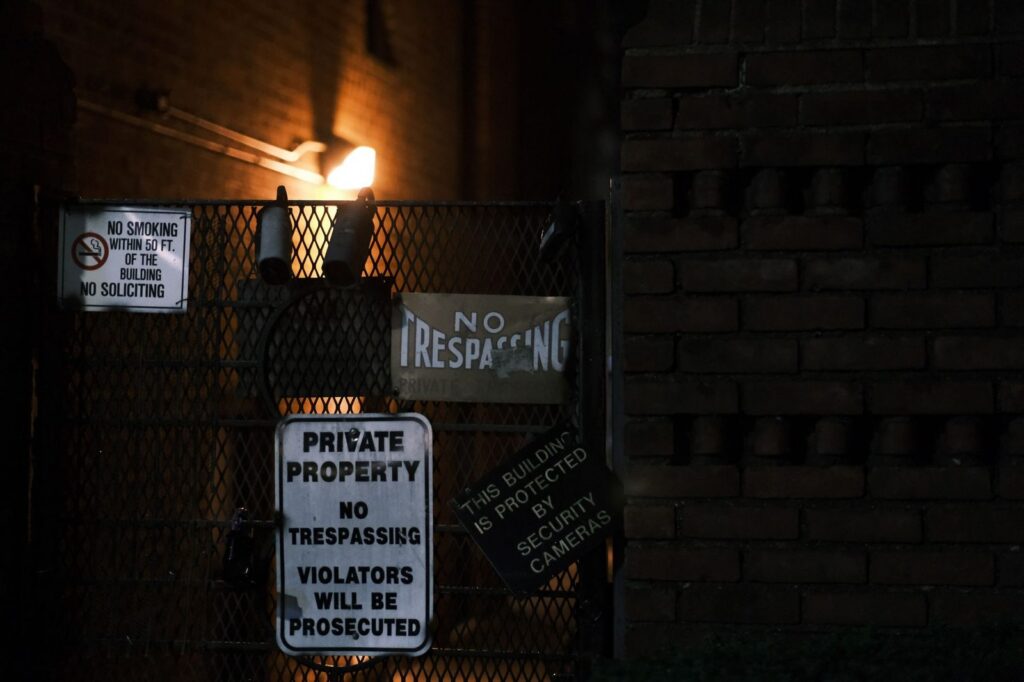
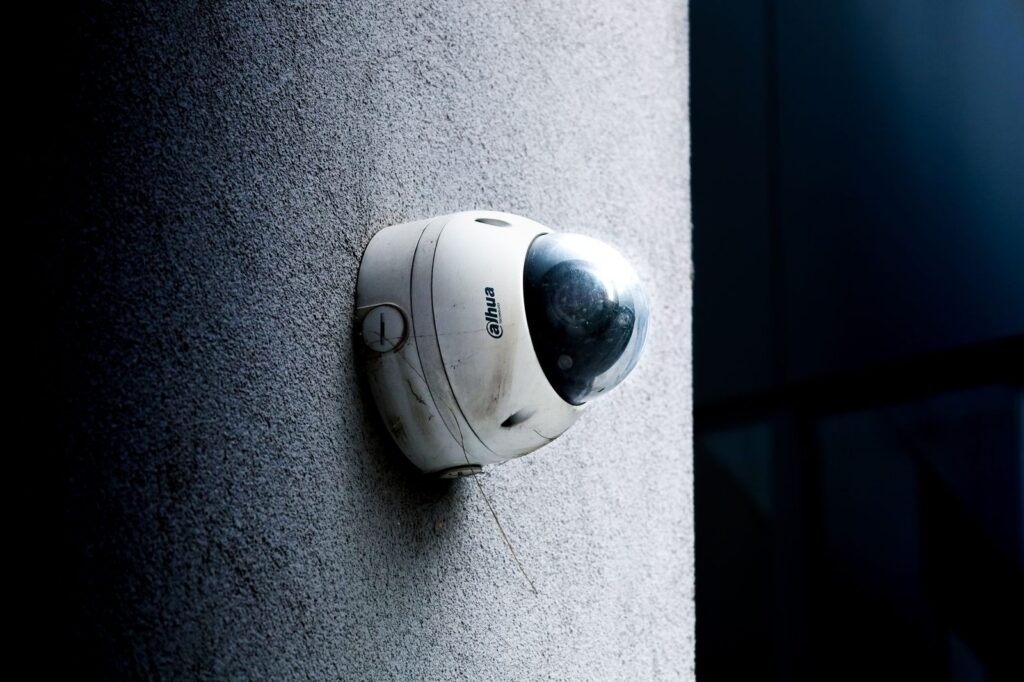
- Security cameras in common areas and entry points
- Security guards or alarm systems based on property type and crime history
- Proper maintenance of doors, windows, and entry points
- Regular patrols or monitoring of the property
- Access controls that prevent unauthorized entry
If a property owner knew (or should have known) violent crime was happening or likely at that location, they can be held liable. Prior incidents, police reports, and crime statistics all matter.
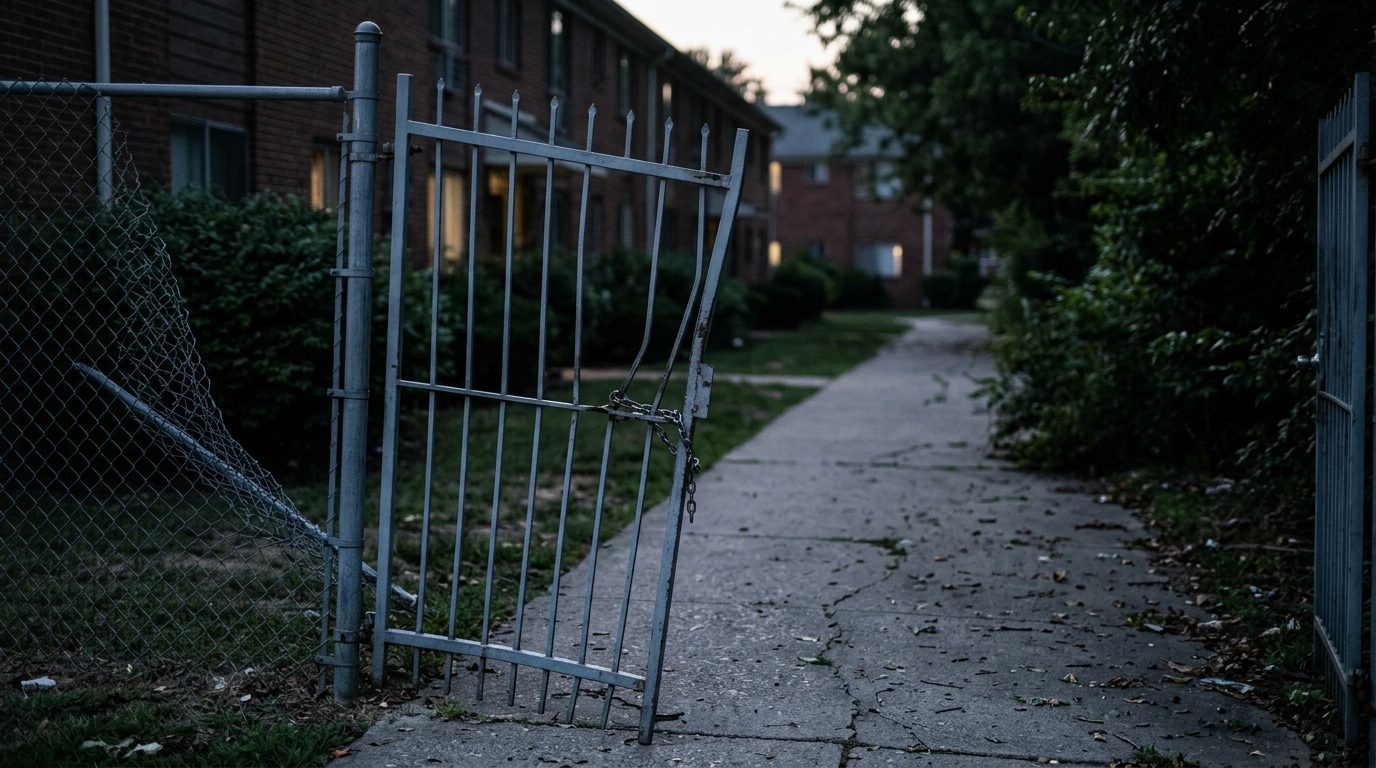
Real examples: An apartment complex with a history of break-ins but a broken gate. A parking garage where assaults occurred but no lighting exists. A hotel where shootings happened before but no security was added. A gas station in a high-crime area with no cameras or guards.
Who This Applies To
This claim is right for you if:
- You were shot, assaulted, robbed, or attacked on someone else’s property
- You suffered a spinal cord injury or paralysis (paraplegia or quadriplegia) as a direct result
- The property owner failed to provide reasonable security that might have prevented the attack
- You are located anywhere in the United States
Spinal cord injuries are catastrophic, permanent injuries. Paralysis changes everything—your mobility, independence, earning capacity, and daily life. The law recognizes this and allows you to seek full compensation for the lifetime impact.
Have questions about what happened?
Ask our team directly. The first conversation is free, confidential, and there is no obligation to continue.
What a Negligent Security Claim Covers
Damages in a negligent security claim for spinal cord injury or paralysis include:
Medical Expenses
Emergency care, surgery, hospitalization, rehabilitation, ongoing medical treatment, medications, and specialized medical equipment. This includes wheelchairs, adaptive devices, home modifications, and accessible vehicles.
Lost Income and Earning Capacity
Wages you lost during recovery and future income you cannot earn due to permanent paralysis. For someone in their 20s or 30s, this can represent decades of lost earnings.
Pain and Suffering
Compensation for physical pain, emotional trauma, depression, anxiety, and loss of quality of life caused by your injury.
Lifetime Care Costs
Spinal cord injuries are lifelong. This includes nursing care, personal assistance, home care attendants, adaptive equipment, vehicle modifications, and ongoing medical treatment. According to the Christopher & Dana Reeve Foundation, lifetime care costs for spinal cord injury can exceed $1 million.
Punitive Damages
In cases where the property owner’s conduct was particularly reckless—for example, ignoring repeated complaints or prior violent incidents—you may recover additional damages to punish them and deter similar conduct.
Wrongful Death
If the attack was fatal, your family may bring a wrongful-death claim against the property owner.
How a Negligent Security Claim Works: Step-by-Step
Step 1: Free Consultation
You meet with an attorney to discuss what happened, your injuries, the property, and the security (or lack thereof) in place. This conversation is free and confidential.
Step 2: Investigation
The firm investigates the property’s history and prior crime incidents at that location. We review police reports, complaints from residents or visitors, and the property owner’s knowledge of crime risk. We gather evidence showing what security measures were (or were not) in place.
Step 3: Demand and Negotiation
Your attorney sends a detailed demand letter to the property owner’s insurance company. It explains the negligence, the severity of your injury, and the damages you’ve suffered. Many cases settle at this stage without going to court.
Step 4: Lawsuit (If Necessary)
If the insurance company does not offer fair compensation, your attorney files a lawsuit. Discovery (the exchange of evidence) and depositions (recorded interviews) follow. Both sides gather documents, medical records, and witness statements.
Step 5: Settlement or Trial
Most cases settle before trial. If your case goes to trial, a jury hears the evidence and decides whether the property owner is liable and how much you should receive.
Timeline: Investigations typically take 3–6 months. Settlement negotiations may take another 3–12 months. If litigation is necessary, the process can take 1–3 years or longer, depending on court schedules and case complexity.
Why This Firm Handles These Cases
Exclusive Focus on Catastrophic Injury
This firm focuses exclusively on spinal cord injuries, paralysis, traumatic brain injuries, amputations, severe burns, and other life-altering injuries. We do not handle minor injuries or routine cases.
Nationwide Experience
While based in Florida, we represent clients nationwide and understand premises-liability and negligent-security laws in multiple states.
Licensed Florida Attorneys
Paralysis is a lifetime injury. We understand the medical, financial, and personal impact. We know how to calculate lifetime care costs, lost earning capacity, and other long-term damages. We work closely with life-care planners and medical experts to prove the full scope of your needs.
Relationships with Medical and Economic Experts
We work with spinal cord injury specialists, rehabilitation physicians, life-care planners, and economic experts to build a strong case and demonstrate the true cost of your injury.
No Upfront Costs
We work on contingency. You pay no attorney fees unless we recover compensation for you.
Common Questions About Property Owner Claims After an Attack
Can I sue the property owner if I was attacked by a criminal?
Yes. The criminal is responsible for the attack. But the property owner is separately responsible if they failed to provide reasonable security. You can pursue both a criminal case against the attacker and a civil negligent security claim against the property owner.
What if the property owner says they didn’t know crime was a risk?
The law does not require them to have known—only that they should have known. If there were prior incidents, complaints, or crime statistics for that area, a court may find they should have known and should have provided better security.
What if I signed a waiver or lease that said the property owner is not responsible?
In most cases, property owners cannot waive their legal duty to provide reasonable security. Such waivers are often unenforceable.
How much can I recover?
It depends on the severity of your injury, your age, your earning capacity, the quality of evidence, and the insurance coverage available.
What if the property owner has no insurance?
We investigate all available sources of recovery, including the property owner’s personal assets, any umbrella policies, and in some cases, claims against the municipality if the property is public.
How long do I have to file a claim?
In Florida, the statute of limitations for personal injury is generally 2 years from the date of the injury. This deadline is critical. Do not wait—contact the firm as soon as possible to preserve evidence and meet deadlines.
What if I was partially at fault?
Florida law allows recovery under comparative fault—meaning you can recover even if you share some responsibility, as long as you are not more than 50% at fault. However, this does not apply in the same way to victims of violent crime on negligently secured property. Your attorney will explain how this applies to your specific situation.
Want to know where you stand?
Tell us what happened and our team will walk you through the options available to you, at no cost.
What to Do Now
Gather any documentation you have: police reports, medical records, photos of the property, witness contact information, and any prior complaints or incident reports from that location.
Write down details while they are fresh: the date, time, location, description of the property’s security (or lack thereof), and the sequence of events.
Do not sign any settlement offers or speak with the property owner’s insurance company without legal advice.
Contact this firm for a free case evaluation. There is no obligation, and everything you share is confidential.
People who were shot or assaulted on someone else’s property and left paralyzed or with a spinal injury reach out regularly to explore their options. You don’t have to face this alone.
Get a Free Case Evaluation
Why Property Owners Can Be Held Responsible
Duty to Provide Reasonable Security
Property owners have a legal obligation to maintain reasonable security measures—working locks, adequate lighting, functioning cameras, or security personnel—to protect visitors from foreseeable criminal acts.
Foreseeability Matters
If crime has occurred at or near the property before, or if the location is known to be high-risk, the owner cannot claim they didn't know an attack was possible. Prior incidents establish foreseeability.
Two Separate Claims
The criminal who attacked you is responsible for the assault. The property owner is separately responsible for negligence in security. You can pursue both a criminal case and a civil claim.
Compensation for Catastrophic Harm
A successful negligent security claim can recover damages for medical care, rehabilitation, lost income, pain and suffering, and the lifetime costs of living with paralysis or other permanent injury.
Time Matters
There are strict time limits for filing a negligent security claim. The sooner you contact an attorney, the sooner evidence can be preserved and your claim can be properly evaluated.
Common Negligent Security Scenarios
Apartment Complex or Residential Building
Broken locks, missing gate access, poor lighting in hallways or parking areas, or no security cameras. An assault in a common area may indicate the owner failed to maintain basic security.
Parking Lot or Garage
Inadequate lighting, broken surveillance equipment, no security presence, or known history of robberies and assaults. Owners of commercial parking facilities have a duty to deter criminal activity.
Hotel or Motel
Broken door locks, malfunctioning key card systems, no front desk security, or lack of cameras in common areas. Hotels must protect guests from foreseeable criminal acts.
Bar, Nightclub, or Restaurant
Inadequate security staff, no bouncers, poor lighting, or a history of violence. Establishments serving alcohol have heightened duties to prevent assaults on patrons.
What You'll Need to Prove
The Property Owner Owed You a Duty
You were lawfully on the property (as a resident, guest, customer, or invitee), and the owner had a legal obligation to maintain reasonable security.
Security Was Inadequate or Breached
The owner failed to provide reasonable security measures—broken locks, missing lighting, no cameras, or insufficient staff—that a reasonable owner would have maintained.
The Attack Was Foreseeable
Crime at or near the property, prior incidents, or the nature of the location made a criminal attack reasonably foreseeable to the owner.
You Suffered Catastrophic Injury
The attack caused a permanent, life-altering injury—spinal cord damage resulting in paralysis, traumatic brain injury, or other severe harm requiring ongoing medical care.