

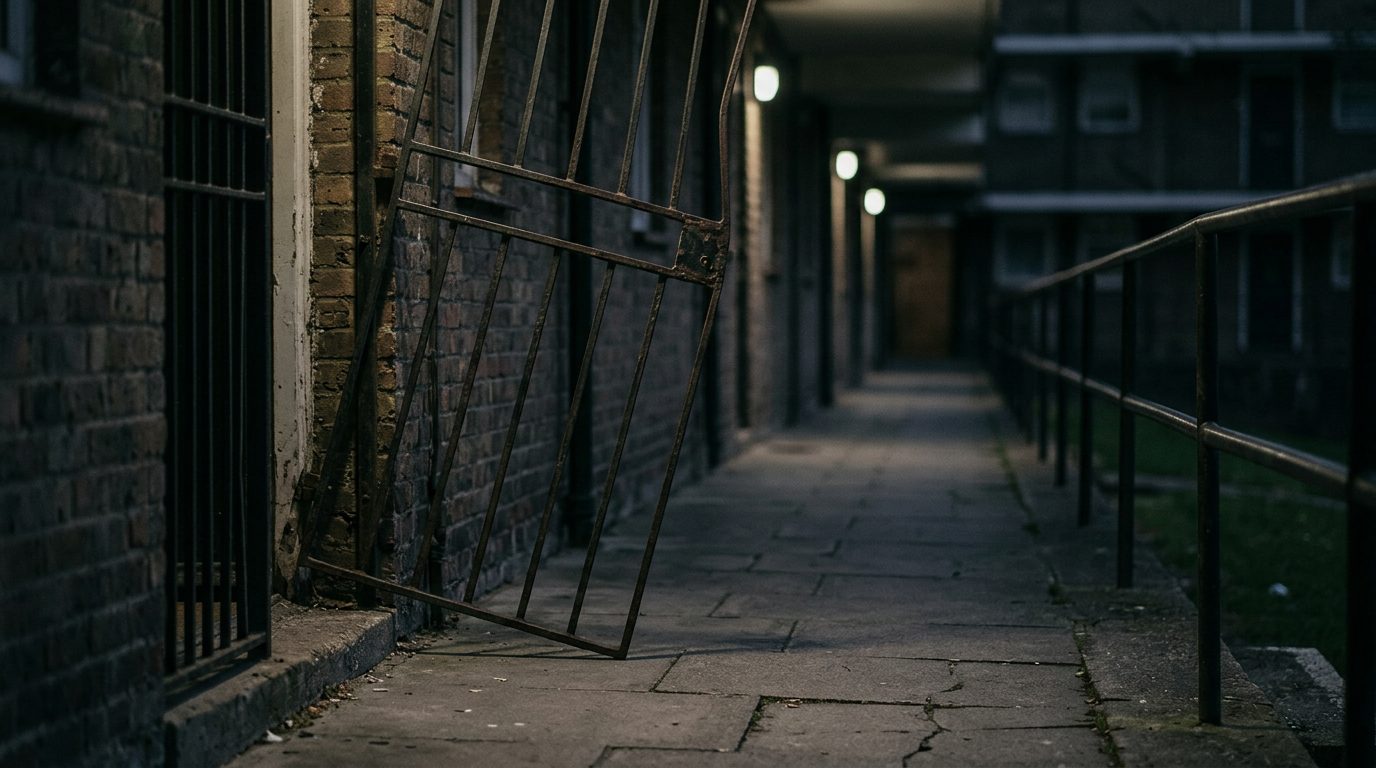
Spinal Cord Injury | Premises Liability
Spinal Cord Injury From a Fall on Unsafe Property: What You Need to Know
A fall on someone else's property that leaves you with a spinal cord injury is often preventable. If negligent maintenance, poor lighting, broken stairs, or other unsafe conditions caused your injury, you may have a legal claim.
By CHG Lawyers · Published September 01, 2026
Spinal Cord Injury From a Fall on Unsafe Property: Legal Liability & Your Claim
A property owner can be held legally responsible if you suffered a spinal cord injury from a fall caused by an unsafe condition they knew about—or should have known about. Falls are the leading cause of spinal cord injury in adults over 65, and the second-leading cause overall. When a fall results in permanent paralysis or loss of function, it creates a valid legal claim under premises liability—the owner’s duty to maintain reasonably safe conditions for visitors.
This page explains how falls damage the spinal cord, when property owners are liable, what evidence proves negligence, and what damages you can recover. If you’re navigating this situation—whether you’re injured or supporting a family member—understanding your legal options is the first step toward holding the responsible party accountable.
Not sure what your next step is?
Talk it through with our team — the first consultation is free, confidential, and carries no obligation.
How Falls Cause Spinal Cord Injuries
The spinal cord is a bundle of nerve fibers running through the center of your spine. It carries signals between your brain and the rest of your body, controlling movement, sensation, and bodily functions. When a fall causes trauma to the spine, the impact can compress, stretch, or tear these nerve fibers, disrupting those signals instantly or over hours.
According to the Mayo Clinic, spinal cord injuries are classified as complete (total loss of function below the injury site) or incomplete (partial function remains). The severity depends on the level of injury:
- Cervical (neck) injuries typically result in quadriplegia—paralysis of all four limbs and the trunk
- Thoracic (mid-back) injuries usually cause paraplegia—paralysis of the legs and lower trunk
- Lumbar (lower-back) injuries may spare arm function but affect leg mobility and bowel/bladder control
Falls are particularly dangerous because they often involve high-velocity impact or awkward angles that twist or bend the spine. Common unsafe-property scenarios include:
- Tripping on broken or uneven stairs without handrails
- Slipping on wet floors that weren’t marked or cleaned
- Falling through gaps in railings or flooring
- Collapsing railings that fail under normal use
- Poor lighting in parking lots, garages, or stairwells that causes you to misstep
Symptoms may appear immediately or develop over hours or days: loss of sensation or movement, loss of bladder or bowel control, exaggerated reflex activity, and chronic pain. Medical evaluation and documentation are critical.
When Is a Property Owner Legally Responsible?
Under Florida law, a property owner has a legal duty to keep their property reasonably safe for visitors—customers, residents, guests, employees, and others invited onto the property. This duty is called premises liability.
A property owner is liable when all four of these conditions are met:
- An unsafe condition existed on the property (broken stairs, missing handrails, wet floors, poor lighting, debris, deferred maintenance)
- The owner knew or should have known about the condition (through inspection, prior complaints, or the condition being obvious)
- The owner failed to fix it or warn visitors about the hazard
- Your fall directly resulted from that unsafe condition, causing your spinal cord injury
This is negligence—a failure to maintain safe conditions despite a legal duty to do so. It is different from an accident, which is unpredictable and unavoidable.
Examples of negligence that lead to falls include:
- Deferred maintenance (broken stairs, loose railings, crumbling concrete left unrepaired for weeks or months)
- Failure to clean spills or remove standing water promptly
- Broken fixtures or equipment
- Inadequate lighting in common areas
- Missing handrails or guardrails where required by building code
Under Florida Statute §768.81, Florida recognizes comparative fault (shared responsibility). If you were partially at fault for the fall—for example, if you were distracted or ignored a warning sign—your recovery is reduced by your percentage of fault. If you are found more than 50% at fault, you generally cannot recover. But if you are 50% or less at fault, you can still recover the remaining damages.
Spinal cord injuries strengthen a claim because they are catastrophic and permanent. A property owner cannot argue that permanent paralysis is a minor inconvenience or an unavoidable accident. The severity of your injury and the owner’s breach of duty work together to establish liability.
Evidence You Need to Prove Negligence
To win a premises liability claim, you need evidence that proves the unsafe condition existed, that the owner knew or should have known about it, and that it caused your injury. Key evidence includes:
- Photos and video of the hazard (broken stairs, missing handrails, wet floors, poor lighting) taken as soon as possible after the fall, from multiple angles and in different lighting
- Timeline documentation showing how long the hazard existed before your fall
- Notice evidence such as prior complaints to management, maintenance requests, incident reports, or records of similar prior falls at the same location
- Medical records linking your fall to your spinal cord injury, including emergency room reports, imaging (MRI, CT scan), and physician notes documenting the injury level and prognosis
- Witness statements from people who saw the hazard or the fall itself
- Property maintenance logs and repair records showing when the owner inspected or repaired conditions
- Expert testimony from medical professionals confirming the spinal cord injury and from safety inspectors documenting the unsafe condition
The sooner you document the scene and gather evidence, the stronger your case. Property owners often repair hazards or clean up evidence after an accident, so photographs and witness statements taken immediately are invaluable.
Have questions about what happened?
Ask our team directly. The first conversation is free, confidential, and there is no obligation to continue.
Damages You Can Recover
Damages in a spinal cord injury claim are substantial because the injury is permanent and lifelong. They include:
Economic damages (measurable financial losses):
- Emergency and surgical care, hospitalization, and intensive rehabilitation
- Ongoing medical treatment, medications, and specialist visits
- Home modifications (ramps, accessible bathrooms, lifts, specialized beds)
- Vehicle modifications or accessible transportation
- Assistive devices (wheelchairs, braces, respiratory equipment)
- Lost wages and lost earning capacity due to inability to work
- Caregiver costs for personal care, household assistance, and medical support
Non-economic damages (compensation for pain, suffering, and life changes):
- Physical pain and suffering
- Emotional trauma and psychological distress
- Loss of enjoyment of life (inability to participate in activities you once enjoyed)
- Loss of companionship and intimacy
- Permanent disability
Secondary complications—pressure sores, urinary tract infections, loss of bladder and bowel control, respiratory complications, chronic pain, and deep vein thrombosis—require ongoing medical management and factor into lifetime care costs. A person paralyzed at age 30 may require 50+ years of specialized care, medical monitoring, and assistance.
Settlement values depend on severity of injury, age at time of injury, earning potential, medical prognosis, strength of liability evidence, and jurisdiction. Settlements for catastrophic spinal cord injuries typically range from hundreds of thousands to millions of dollars. Structured settlements—regular payments over time instead of a lump sum—are common to ensure funds are available for ongoing care throughout the injured person’s lifetime.
Steps to Take After a Fall
If you’ve been injured in a fall on someone else’s property:
- Seek immediate medical attention. Document your injuries thoroughly with emergency room records, imaging, and physician evaluations.
- Report the fall to the property owner or manager in writing (email or certified letter), describing the unsafe condition.
- Photograph the hazard and the scene before it is repaired or cleaned. Take photos from multiple angles and in different lighting.
- Gather witness contact information and ask them to write down what they saw.
- Keep all medical records, bills, receipts, and documentation of your treatment and expenses.
- Do not sign any settlement or release without legal review.
- Consult with someone experienced in premises liability and catastrophic injury claims before speaking further with the property owner’s insurance company.
Early action preserves evidence and protects your legal rights. Under Florida Statute §95.11, you generally have two years from the date of your injury to file a negligence claim. Don’t wait.
Why You Need Experienced Legal Representation
Property owners and their insurance companies have teams of lawyers and adjusters whose job is to minimize liability and settlement offers. They will argue that the hazard was obvious, that you were careless, or that your injury was unavoidable. Without experienced representation, you risk accepting a settlement far below what your claim is worth.
Spinal cord injuries require specialized knowledge:
- Medical expert testimony to explain the injury, prognosis, and lifetime care needs
- Life-care planning to calculate realistic costs for decades of specialized care
- Economic analysis to value lost wages and earning capacity
- Liability investigation to prove the owner knew or should have known about the hazard
- Negotiation and trial experience to hold insurers accountable
The catastrophic nature of your injury—permanent paralysis, lifetime dependence on care, loss of independence—demands that your claim be valued and pursued by someone who understands what’s at stake.
If you or a family member has been permanently paralyzed or severely injured by a fall on unsafe property, contact us for a free case evaluation. We focus exclusively on catastrophic injury claims and can help you understand your legal options.
Want to know where you stand?
Tell us what happened and our team will walk you through the options available to you, at no cost.
Frequently Asked Questions
How long do I have to file a premises liability claim in Florida?
You generally have two years from the date of your injury to file a negligence claim. After that deadline passes, your claim is barred and you cannot recover.
Does comparative fault eliminate my claim if I was partially at fault?
No. You can still recover damages if you are 50% or less at fault; your recovery is reduced by your percentage of fault.
What’s the difference between complete and incomplete spinal cord injuries?
A complete injury results in total loss of function below the injury level. An incomplete injury preserves some function, which may improve with rehabilitation.
Can I recover damages for pain and suffering, or only medical bills?
You can recover both economic damages (medical bills, lost wages) and non-economic damages (pain and suffering, loss of enjoyment of life).
What if the property owner says the hazard was obvious and I should have been more careful?
Property owners still have a legal duty to maintain safe conditions and warn of hazards. “Obvious” hazards don’t eliminate liability if the owner failed to repair or warn about them.
If you or a family member has been permanently paralyzed or severely injured by a fall on unsafe property, reach out—people in this situation contact us regularly to understand their options. Get a free case evaluation and speak with someone who focuses exclusively on catastrophic injury claims.
Time Matters
In Florida, you generally have two years from the date of your injury to file a premises liability claim. Once that deadline passes, you lose the right to pursue compensation. Contact us as soon as possible to protect your claim.
What Makes a Property Owner Liable for Your Fall
Hazardous Conditions
Broken stairs, cracked walkways, loose handrails, torn carpeting, or debris left in walkways create dangerous conditions that a reasonable property owner should repair or warn about.
Poor Lighting
Inadequate lighting in stairwells, hallways, parking areas, or common spaces can hide hazards and make falls more likely—especially in apartment complexes, hotels, or commercial buildings.
Lack of Maintenance
Property owners have a duty to inspect their premises regularly and fix problems promptly. Neglected maintenance that leads to your fall may establish liability.
Missing Safety Features
Absent or broken handrails, guardrails, or slip-resistant surfaces in high-risk areas (stairs, ramps, bathrooms) can make the owner responsible for injuries that result.
Why You Need Legal Representation
Protection Against Dismissal
Property owners and their insurers often argue that you were careless or that the condition was 'obvious.' An attorney fights to hold them accountable for their negligence.
Comprehensive Claim Documentation
We gather evidence—photos, maintenance records, witness statements, and expert reports—to build a strong case showing the property owner knew or should have known about the hazard.
Valuation of Your Damages
Spinal cord injuries cause lifelong medical costs, lost income, and profound changes to your quality of life. We ensure your claim reflects the full scope of your losses.
Negotiation and Litigation
We handle settlement discussions with insurers and, if necessary, take your case to trial to pursue fair compensation on your behalf.
Common Questions About Spinal Cord Injury Falls
What if I was partially at fault for the fall?
Florida law allows you to recover damages even if you share some responsibility for the fall, as long as you are not more than 50% at fault. The property owner's negligence in maintaining a safe premises may be the primary cause.
What damages can I recover?
Compensation may include medical care and rehabilitation, ongoing therapy and equipment, lost wages and earning capacity, pain and suffering, and the cost of home modifications or long-term care needed because of your injury.
Do I need to prove the owner knew about the hazard?
Not always. In some cases, a hazard is so obvious or has existed so long that the owner should have known about it and fixed it. We investigate maintenance records and inspection practices to establish what the owner knew or should have known.
How long does a premises liability case take?
Every case is different. Some settle within months; others require litigation and may take longer. We work efficiently while ensuring your claim is fully developed and valued fairly.