

Negligent Security | Paralysis After Attack
Paralyzed After an Attack on Property You Don't Own
If you were assaulted, shot, or attacked on someone else's property and suffered a spinal cord injury or paralysis, the property owner may be liable for failing to provide reasonable security. You may have a claim.
By CHG Lawyers · Published September 23, 2026
Paralyzed After an Attack on Someone Else’s Property: Your Negligent Security Claim
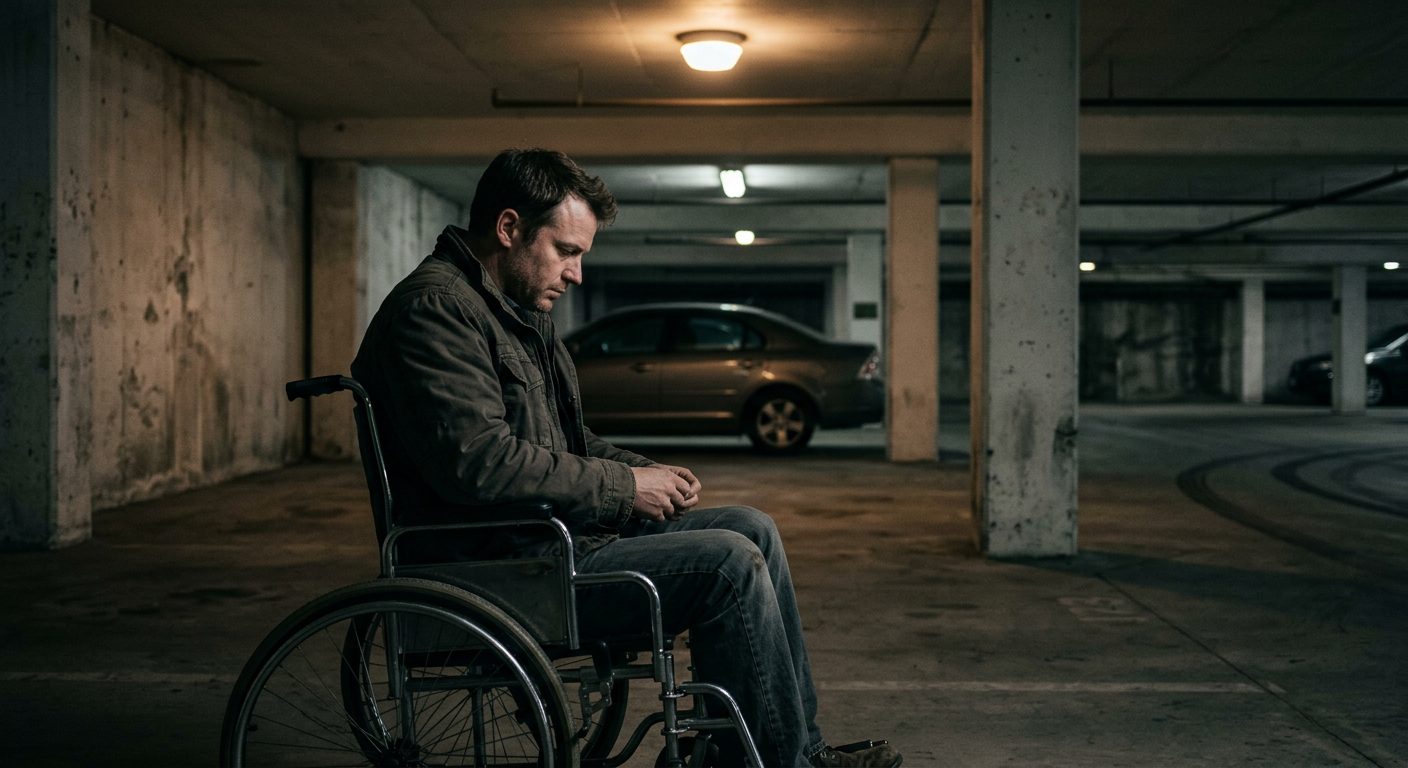
You were assaulted, shot, or attacked on someone else’s property. An apartment complex. A parking lot. A hotel. A bar. The injury left you paralyzed. The attacker may face criminal charges. But that’s only part of the story.
The property owner may also be legally responsible. This is called a negligent security claim. It’s separate from any criminal case.
Not sure what your next step is?
Talk it through with our team — the first consultation is free, confidential, and carries no obligation.
When an Attack on Unsafe Property Leaves You Paralyzed
An assault or shooting on someone else’s property that causes paralysis is life-altering. You’re facing years or decades of medical care ahead.
The person who attacked you may face criminal prosecution. That’s important for justice. But it doesn’t pay your medical bills, rehabilitation, adaptive equipment, home modifications, or attendant care.
The property owner—the person or business that controlled the premises—may have a legal duty to compensate you. This is called a negligent security claim. It’s separate from the criminal case. You don’t have to wait for the attacker to be convicted. You can pursue both claims at the same time.
How Property Owner Negligence Creates Liability
Negligent security means a property owner failed to take reasonable steps to prevent foreseeable harm. They didn’t provide the security measures they should have. Someone got hurt because of it.
Common security failures include:
- Broken or missing locks on doors and gates
- Inadequate or burned-out lighting in parking lots or hallways
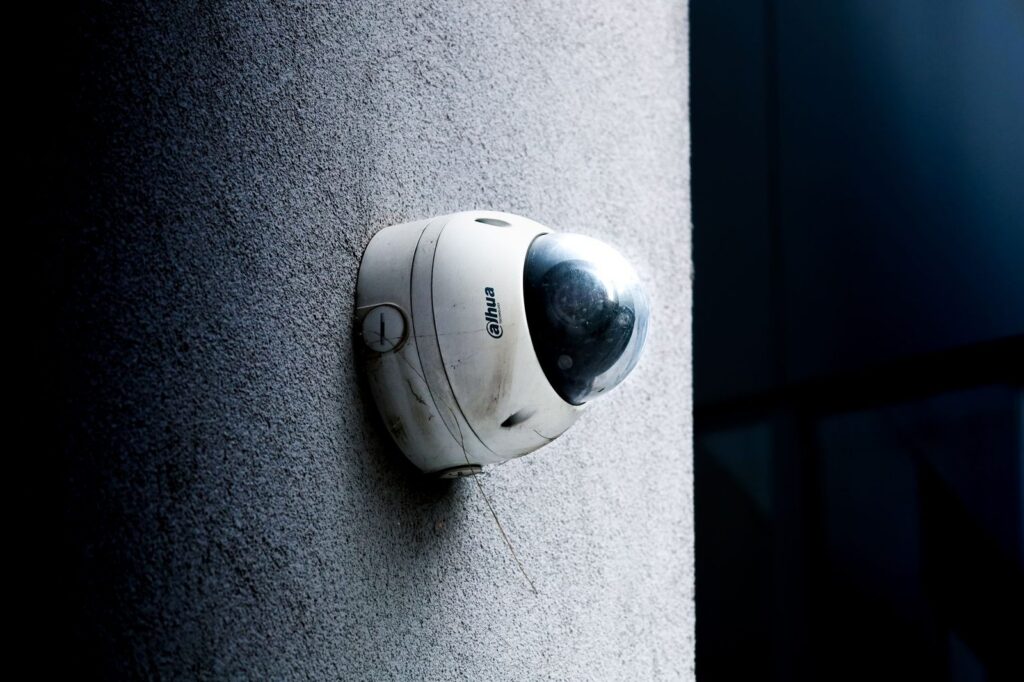
- No security cameras or non-functional cameras
- No security personnel or guards
- Lack of controlled access to the property
- Known history of crime at that location that the owner ignored
Foreseeability is the key legal concept. If similar crimes happened at that property before—prior assaults, robberies, or shootings—the owner should have anticipated the risk.
When an attack causes paralysis, the harm is permanent. The property owner’s failure to prevent it becomes even more significant. You’re not dealing with a minor injury that heals in weeks. You’re dealing with a lifetime of consequences.
Criminal Case vs. Your Civil Negligent Security Claim
This distinction is crucial. Many people misunderstand it.
The criminal case: – Police investigate the assault or shooting. – The state brings charges against the attacker. – The case may result in conviction, acquittal, or a plea deal. – The attacker may be imprisoned or fined. – The criminal system focuses on punishing the offender.
Your civil negligent security claim: – You sue the property owner for negligence. – You’re seeking compensation for your injuries, medical care, rehabilitation, lost wages, and ongoing care needs. – The civil system focuses on making you whole through financial compensation.
These are two separate legal proceedings. They run on different timelines. They have different rules of evidence.
Critically: the criminal outcome does not determine civil liability. The attacker might never be caught. They might be acquitted in criminal court. But the property owner can still be found negligent in civil court, where the standard is lower.
You do not have to wait for the criminal case to resolve. In fact, waiting can hurt you. The statute of limitations—the deadline for filing—is ticking.
Determining Property Owner Liability
When evaluating whether a property owner is liable for your paralysis, a lawyer will investigate several factors:
Security measures in place (or absent): What locks, gates, lighting, cameras, or personnel did the property have? Were they functional? Were they adequate for the area?
Prior incidents: Had similar crimes occurred at that location before? Robberies, assaults, shootings? If so, the owner knew or should have known of the risk.
Industry standards: What security measures do comparable properties in that area typically provide?
Foreseeability: Given the location, prior crime, and known conditions, was an attack reasonably foreseeable? The more foreseeable the risk, the greater the owner’s duty to prevent it.
Comparative fault: Under Florida law (Fla. Stat. § 768.81), a claimant’s own comparative negligence does not bar recovery in cases involving violent crime on negligently secured property.
How a Negligent Security Claim Works
Investigation: Your attorney gathers evidence. This includes photos and video of the property’s security, police reports, prior incident reports, security logs, and witness statements. The goal is to build a clear picture of what the owner knew and what they failed to do.
Demand and negotiation: Your lawyer presents the property owner’s insurance company with evidence of liability and the extent of your injuries. This includes medical records, rehabilitation reports, and documentation of lost income. The insurance company may offer a settlement.
Settlement or litigation: Most negligent security claims resolve through settlement. If the parties cannot agree, the case may proceed to trial. A judge or jury then decides liability and damages.
Compensation: Damages in a catastrophic paralysis case typically include:
- Medical expenses (emergency care, surgery, hospitalization, rehabilitation)
- Ongoing medical care and monitoring
- Adaptive equipment (wheelchairs, beds, bathroom equipment)
- Home and vehicle modifications
- Attendant care (personal assistants, nursing)
- Lost wages and lost earning capacity
- Pain and suffering
- Loss of enjoyment of life
In cases of complete paralysis or quadriplegia, lifetime care costs can reach hundreds of thousands or millions of dollars. A negligent security claim can help ensure those costs are covered.
Have questions about what happened?
Ask our team directly. The first conversation is free, confidential, and there is no obligation to continue.
Lifetime Care Costs and Life Expectancy
With modern medical care, people with quadriplegia often live into their 60s, 70s, and beyond—approaching normal life expectancy.
Factors affecting longevity:
- Age at the time of injury
- Severity of the injury (complete vs. incomplete paralysis)
- Level of the injury (higher cervical injuries carry more medical risk)
- Quality of medical care and rehabilitation
- Secondary complications (infections, pressure wounds, respiratory problems)
Lifetime care costs: Because people with quadriplegia live for decades, cumulative care costs are enormous. The average annual cost for a person with quadriplegia is $100,000 to $200,000 or more. Over 40, 50, or 60 years of life, this adds up to millions of dollars. A negligent security claim must account for this lifetime burden.
Understanding Spinal Cord Injury Classification
The American Spinal Injury Association uses the ASIA Impairment Scale to classify spinal cord injuries. A thoracic (mid-back) injury typically causes paraplegia—paralysis of the lower body. A cervical (neck) injury typically causes quadriplegia—paralysis of all four limbs.
Immediate symptoms after a traumatic spinal cord injury include:
- Loss of sensation below the injury site
- Inability to move limbs below the injury site
- Loss of bladder or bowel control
- Difficulty breathing (if the injury is high in the neck)
- Severe pain or pressure in the neck or back
Partial vs. complete paralysis: Some people regain limited function over time through rehabilitation. Others have permanent, complete paralysis—no movement or sensation below the injury level.
Recovery potential: Complete recovery is rare. Intensive physical therapy helps maximize whatever function remains. Most people with complete spinal cord injuries will not walk again. Many adapt and live independently with assistive devices and modifications.
What You Need to Know Next
If you or a loved one was paralyzed in an attack on someone else’s property, you’re likely overwhelmed. You’re making medical decisions, managing financial stress, and facing uncertainty about the future.
Here’s what matters: You may have a negligent security claim. The property owner’s negligence in failing to provide reasonable security may have enabled the attack that injured you. That negligence can create liability separate from any criminal case.
Understanding the personal injury claims process and your rights under premises liability law is the first step. People in your exact situation reach out regularly to understand their options. They want to know whether a negligent security claim is possible, what evidence matters, and how much their case might be worth. A conversation with an attorney who focuses exclusively on catastrophic injuries can help you understand what you may be entitled to.
Contact us to discuss your situation and explore whether a negligent security claim makes sense for you.
Frequently Asked Questions
Can I sue a property owner if I was paralyzed after being attacked on their property?
You may have a negligent security claim against the property owner if they failed to provide reasonable security—like working locks, gates, lighting, cameras, or guards—and that failure helped allow the attack that hurt you. A free case review can help you understand your options.
What does “negligent security” mean in plain language?
It means a property owner did not take reasonable steps to keep people safe from foreseeable crime. Someone was seriously hurt as a result. Examples include broken gates, no lighting in a parking garage, or no security at an apartment complex where violence had happened before.
Who can be held responsible if I was shot at an apartment complex, parking lot, or hotel?
The owner or company that controls the property may be responsible if they knew about a risk of crime and failed to provide reasonable security. The person who attacked you can also be responsible. Property owners often have insurance that helps cover a victim’s serious losses.
How long do I have to file a negligent security claim after a violent attack?
Florida sets legal deadlines, called statutes of limitations. Missing them can end your right to recover. Because these deadlines vary by state and situation, contact us for a free case evaluation to learn the deadline that applies to you.
Time Matters
Claims arising from attacks on property have strict time limits. The sooner you reach out, the sooner we can review what happened and protect your rights.
What Property Owners Must Provide
Working Locks & Gates
Secure entry points that actually function—not broken locks, propped doors, or gates left open.
Adequate Lighting
Well-lit parking lots, hallways, stairwells, and common areas so attackers cannot hide in darkness.
Cameras & Monitoring
Security cameras in place and monitored, or security personnel present to deter and respond to threats.
Reasonable Precautions
Steps appropriate to the property type and location—especially in areas where crime is known to occur.
Want to know where you stand?
Tell us what happened and our team will walk you through the options available to you, at no cost.
Why Property Owners Can Be Held Responsible
Duty of Care
Property owners have a legal obligation to keep their premises reasonably safe and to protect visitors from foreseeable harm—including violent crime.
Foreseeability
If crime has occurred at or near the property before, or if the area is known to be high-crime, the owner should have anticipated the risk and taken steps to prevent it.
Negligent Security Claims
When a property owner fails to provide reasonable security and that failure allows an attack to happen, you may pursue a negligent security claim for your injuries and losses.
Your Recovery Matters
CHG Personal Injury Lawyers focuses exclusively on catastrophic injuries, including paralysis from violent attacks. We understand the lifelong impact and fight for fair compensation.
Common Negligent Security Scenarios
Apartment Complex Attack
Broken gate locks, no security guard, poor lighting in the parking garage, and a history of robberies—you are assaulted in the stairwell.
Parking Lot or Garage Assault
No cameras, inadequate lighting, no attendant, and the owner knew of prior crimes—you are attacked and suffer a spinal cord injury.
Hotel or Motel Violence
Faulty door locks, no security presence, and the property is in a high-crime area—an intruder enters your room and attacks you.
Retail or Gas Station Shooting
No security measures, no cameras, no panic button, and prior incidents reported—you are shot during a robbery.
What We Do for Paralysis & Catastrophic Injury Victims
Investigate the Attack & Security Failures
We examine police reports, security footage, prior incident records, and the property's security measures to establish what the owner knew and what they failed to do.
Build Your Case with Medical & Security Evidence
We work with medical professionals to document your spinal cord injury or paralysis, and with security consultants to show what reasonable precautions should have been in place.
Handle All Communication & Negotiation
We deal with insurance companies and property owners so you can focus on recovery and adapting to life after paralysis.
Pursue Full Compensation
We seek damages for medical care, rehabilitation, assistive devices, lost income, pain and suffering, and the long-term costs of living with paralysis.