

Negligent Security | Assault on Unsafe Property
Attacked on Someone Else's Property? You May Have a Claim Against the Owner
If you were assaulted, shot, robbed, or violently attacked at an apartment complex, parking lot, hotel, or other business because the owner failed to provide reasonable security, CHG Personal Injury Lawyers can help you understand your legal options.
By CHG Lawyers · Published August 23, 2026
Spinal Cord Injury From Assault on Unsafe Property: Negligent Security Claim
You were attacked on someone else’s property and suffered a spinal cord injury. The property owner failed to provide reasonable security. You may have a legal claim for your injury, medical care, and lifetime needs. This page explains how a negligent security claim works and what compensation you may recover.

Not sure what your next step is?
Talk it through with our team — the first consultation is free, confidential, and carries no obligation.
If You Suffered a Spinal Cord Injury From Assault on Unsafe Property
You were attacked at an apartment complex, parking lot, garage, hotel, bar, or business. You had every right to be there. The assault left you with a spinal cord injury—paraplegia (paralysis of the lower body) or quadriplegia (paralysis of all four limbs). Your ability to work, move, and live independently changed forever.
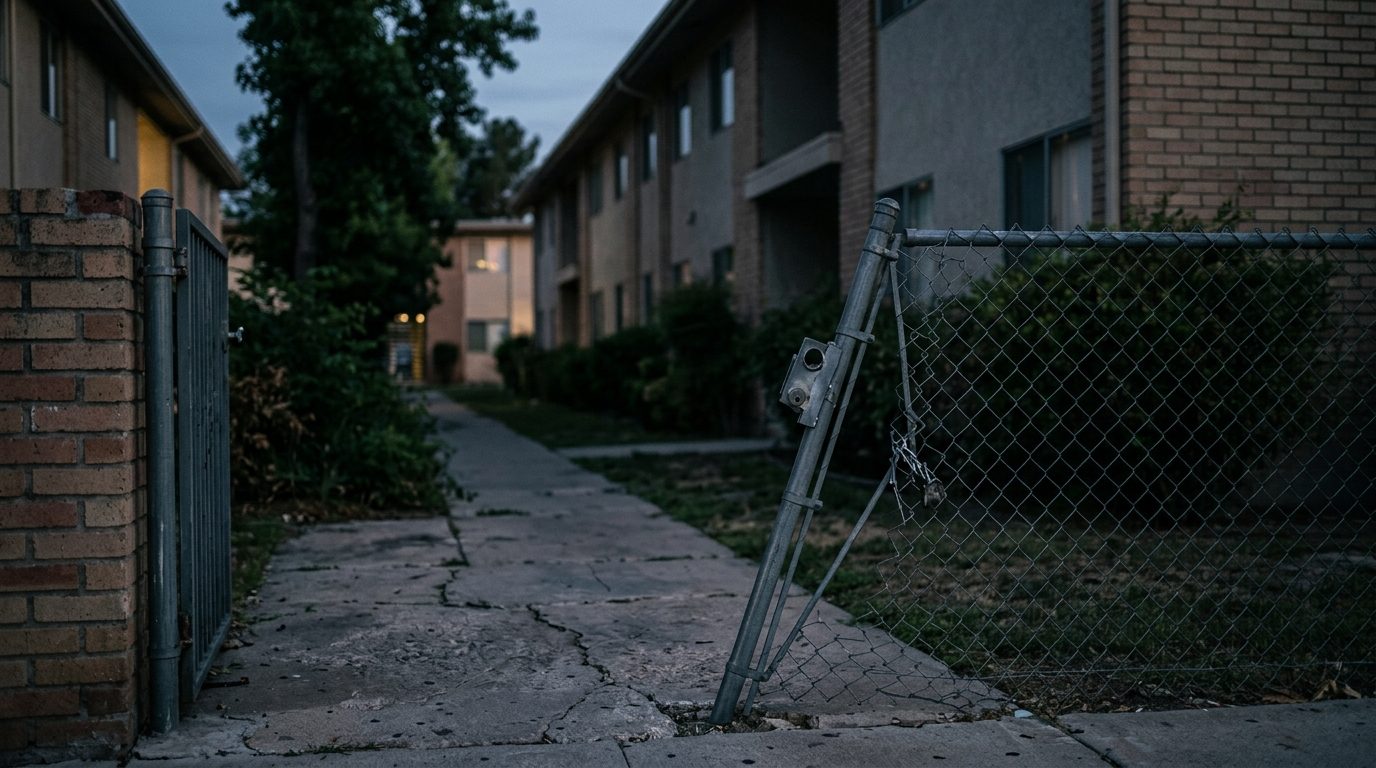
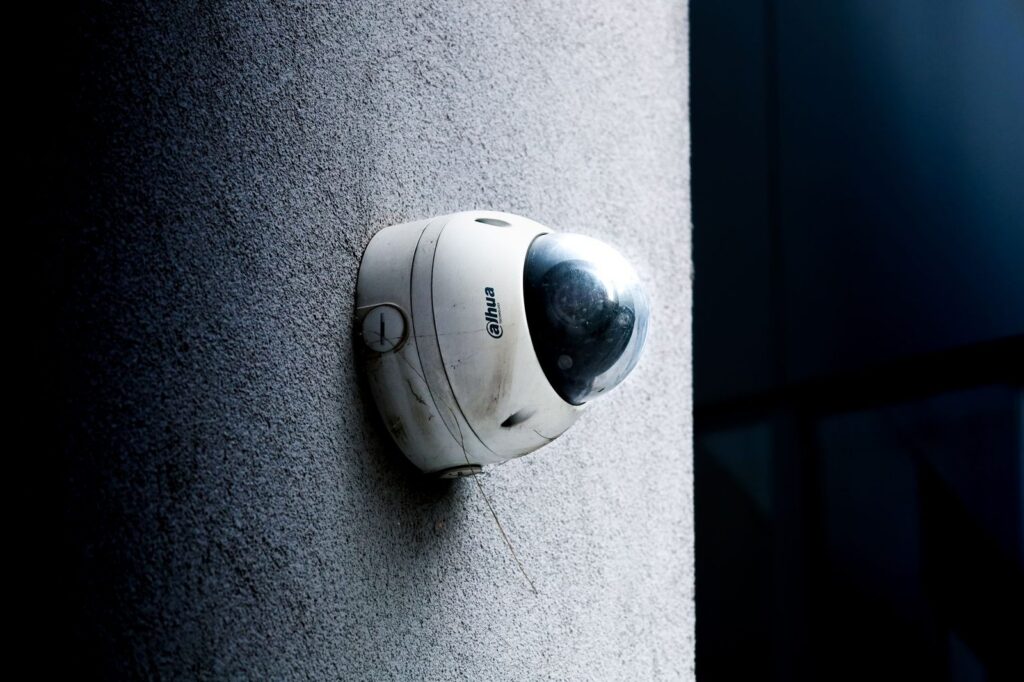
The property owner failed to provide reasonable security. Broken locks. No lighting. No cameras. No security guards. The owner knew (or should have known) that crime was a risk at that location. They did nothing to prevent it.
You may have a legal claim against the property owner. This covers your injury, medical care, lost income, and lifetime care needs. This claim is separate from any criminal case against the attacker.
What Is a Negligent Security Claim?
A negligent security claim is a civil lawsuit against a property owner. The owner failed to provide reasonable security. That failure allowed an attacker to harm you.
Property owners have a legal duty to protect visitors and residents. They must protect them from foreseeable criminal acts. This includes violent crime like assault, robbery, and shooting.
When a property owner knows (or should know) that crime is common in the area, they must act. They must take reasonable steps to prevent it. These steps include:
- Working locks
- Adequate lighting
- Security cameras
- Trained security guards
- Alarm systems appropriate to the property type and neighborhood
If they fail to do so, and you are attacked and injured, you may recover damages from the property owner—not just the attacker.
A spinal cord injury from an assault on unsafe property is catastrophic. The property owner’s negligence in failing to provide security is a separate legal basis for compensation.
Who Can Be Held Responsible?
The property owner (apartment complex, hotel, parking garage, business, or other entity) is the primary defendant. Liability may extend to:
- The property manager or management company responsible for security decisions
- Security companies hired to provide protection, if they failed to do their job
- Multiple parties may share liability in some cases
Your attorney will investigate the property’s history, security measures, prior incidents, and industry standards. They will identify all responsible parties.
What Does a Negligent Security Claim Cover?
Damages in a spinal cord injury negligent security case address your lifetime needs:
Medical expenses: Emergency care, surgery, hospitalization, rehabilitation, ongoing therapy, and adaptive equipment (wheelchairs, mobility aids, specialized beds).
Lifetime care costs: Home modifications (ramps, accessible bathrooms, widened doorways), personal care attendants, nursing care, medical equipment, and ongoing medical management of your paralysis.
Lost wages and earning capacity: Income you cannot earn because of your injury. Plus the loss of future earning potential over your lifetime.
Pain and suffering: Compensation for the physical and emotional trauma of the attack. And the permanent disability that follows.
Loss of enjoyment of life: Damages for the activities, relationships, independence, and quality of life you have lost.
Punitive damages: In cases where the property owner’s negligence was especially reckless, some states allow additional damages. These damages punish the wrongdoer.
Your attorney will work with medical experts, life-care planners, and economists. They will calculate the full value of your claim. Spinal cord injuries are among the most expensive injuries to treat over a lifetime.
How a Negligent Security Claim Works: Step-by-Step
Step 1: Free case evaluation. You contact the firm and describe the attack, your injury, and the property’s security. The attorney reviews your case to determine if you have a viable claim.
Step 2: Investigation. The firm gathers evidence: police reports, medical records, security footage (if available), prior incident reports, witness statements, and information about the property owner’s security practices and industry standards.
Step 3: Demand and negotiation. Your attorney sends a detailed demand letter to the property owner’s insurance company. The letter explains the negligence, the injury, and the damages. Many cases settle during this phase because the property owner’s liability is clear and the injury is severe.
Step 4: Litigation (if necessary). If the insurance company refuses a fair settlement, your attorney files a lawsuit. They prepare your case for trial.
Step 5: Trial or settlement. Your case may be resolved through a settlement agreement or a jury verdict at trial.
Step 6: Recovery. Once the claim is resolved, you receive compensation. This covers your medical care, lost income, and other damages.
Have questions about what happened?
Ask our team directly. The first conversation is free, confidential, and there is no obligation to continue.
Why These Cases Are Complex
Spinal cord injuries are catastrophic and permanent. Calculating lifetime care costs requires expert medical and economic analysis. Property owners and their insurers often dispute whether security was “reasonable” or whether the crime was “foreseeable.”
Evidence may be difficult to obtain. Security footage may be deleted. Prior incident reports may be hidden. Or the property owner may claim the attack was unforeseeable.
Your injury may be so severe that you cannot easily participate in the legal process. Your attorney must manage your case while you focus on recovery and care. An experienced attorney who understands both spinal cord injuries and negligent security law is essential to your success.
What Evidence Proves Negligent Security?
Strong evidence in a negligent security spinal cord injury case includes:
- Prior incidents of crime at the property (assaults, robberies, shootings, or other attacks)
- Crime statistics for the area surrounding the property
- Broken or missing security measures: Non-functional locks, burned-out lights, missing cameras, or no security guards
- Failure to respond to tenant or visitor complaints about safety
- Lack of a security plan or inadequate security policies
- Testimony from security experts about industry standards for the type of property
- Police reports and incident logs
- Witness statements from other tenants or visitors who experienced crime or safety concerns
Your attorney will subpoena records and depose witnesses. They will build a strong case.
Common Types of Unsafe Properties
Negligent security claims arise from attacks at many types of properties:
- Apartment complexes and residential buildings with inadequate locks, lighting, or security
- Parking lots and parking garages with poor visibility and no security presence
- Hotels and motels with weak access controls and no security staff
- Bars and nightclubs with inadequate security or no trained staff to prevent violence
- Gas stations and convenience stores with no cameras or security
- Shopping centers and retail stores with insufficient security
- ATMs and bank branches in high-crime areas without adequate protection
Any property where the owner knew (or should have known) that crime was a risk may be liable. The owner must have failed to take reasonable precautions.
What If I Was Partially at Fault?
In some cases, the property owner may argue that you were partially responsible for the attack. However, this does not eliminate the property owner’s duty to provide reasonable security.
Many states, including Florida, follow comparative negligence rules. Under Florida Statute §768.81, a claimant who is 50% or less at fault may recover damages. Damages are reduced by their percentage of fault. Your attorney will defend against these arguments.
How Long Do These Cases Take?
The timeline depends on the complexity of the case and whether it settles or goes to trial.
- Investigation and demand: 3–6 months
- Negotiation: 2–12 months (or longer if the insurance company is uncooperative)
- Litigation and trial preparation: 1–3 years
- Many cases settle before trial, which speeds up the process
Your attorney will keep you informed of progress. While the case is pending, focus on your medical care and recovery.
Why CHG Personal Injury Lawyers
Our practice focuses exclusively on catastrophic injuries, including spinal cord injuries from assaults on unsafe properties. We are licensed in Florida and handle cases nationwide. We understand negligent security law in multiple states and jurisdictions.
We know how to obtain security footage, prior incident reports, and expert testimony. We work with leading medical experts, life-care planners, and economists. We calculate the full value of your claim. We understand the lifelong impact of spinal cord injuries and fight for compensation that covers your lifetime care needs.
If the insurance company refuses a fair offer, we take your case to trial. We handle all legal work so you can focus on recovery and care.
Learn more about our approach to catastrophic injury claims and our team of licensed attorneys.
Want to know where you stand?
Tell us what happened and our team will walk you through the options available to you, at no cost.
Frequently Asked Questions
Q: Do I have to prove that the property owner knew the attacker would target me specifically?
No. You only need to prove that the property owner knew (or should have known) that crime was a foreseeable risk. You also must show that they failed to take reasonable security measures.
Q: What if the attacker was never caught or prosecuted?
You can still sue the property owner for negligent security. Your claim is against the property owner, not the attacker. You do not need a criminal conviction to prove a civil negligent security claim.
Q: Can I sue both the attacker and the property owner?
Yes. However, the attacker may not have assets or insurance to pay a judgment. The property owner (and their insurance) is usually the source of recovery.
Q: What if I signed a waiver or release when I entered the property?
In most cases, you cannot waive your right to sue for the property owner’s negligence in providing security. Your attorney will review any documents you signed.
Q: How much will this cost me?
We work on a contingency fee basis. You pay nothing upfront. We are paid only if we recover compensation for you. There are no hidden fees.
Q: What is the statute of limitations for a negligent security claim in Florida?
Under Florida Statute §95.11, a negligence claim must be filed within 2 years from the date the cause of action accrues. Do not delay in reaching out.
Your Next Step
If you or a family member suffered a spinal cord injury in an assault on an unsafe property—an apartment complex, parking lot, hotel, bar, or other business—you have legal options. You deserve answers.
You believe the property owner’s negligence allowed the attack to happen. Your injury is serious. Your needs are real.
Contact CHG Personal Injury Lawyers for a free case evaluation. We will review the facts, explain your rights, and discuss what compensation you may be entitled to.
We are here to help.
Important: You Don't Need to Prove the Owner Knew About You
Property owners have a legal duty to maintain reasonable security when crime is foreseeable in their area. You don't have to show they predicted your specific attack—only that they knew (or should have known) crime was a risk and failed to take basic precautions like working locks, lighting, cameras, or security staff.
What Negligent Security Claims Cover
Apartment Complexes & Residential Properties
Broken gates, missing locks, poor lighting, or lack of security staff that allowed an intruder to assault you or a family member.
Parking Lots & Garages
Inadequate lighting, no cameras, or missing security that enabled robbery, assault, or shooting in an unsafe structure.
Hotels, Motels & Hospitality
Failure to secure entrances, provide working locks, or respond to known threats that led to assault or violent crime against guests.
Businesses, Bars & Retail
Lack of security measures, trained staff, or emergency protocols that allowed violent crime on the premises.
Why Property Owners Can Be Held Responsible
Legal Duty to Protect
Property owners have a responsibility to maintain reasonable security when crime is foreseeable. Failing to do so can make them liable for injuries you suffer.
Foreseeability Matters
If crime has occurred in the area before, or if the location is known to be high-risk, the owner should have taken steps to prevent it. Your attack may have been preventable.
Evidence Tells the Story
Security records, incident reports, prior complaints, police data, and witness statements can show what the owner knew and what they failed to do.
Your Injuries Matter
If the assault caused permanent injury—spinal cord damage, traumatic brain injury, amputation, severe burns, or other catastrophic harm—you deserve compensation for your losses.
Common Questions About Negligent Security Claims
Do I have to prove the owner knew the attacker would target me?
No. You only need to show the owner knew (or should have known) that crime was a foreseeable risk in that location, and that they failed to take reasonable security measures to prevent it.
What if the attacker was never caught or prosecuted?
You can still pursue a claim against the property owner. Your civil case against the owner is separate from any criminal case against the attacker. You don't need a criminal conviction to hold the property owner accountable.
What counts as 'reasonable security'?
It depends on the location and risk level. Reasonable measures might include working locks and gates, adequate lighting, security cameras, alarm systems, trained staff, or security guards. What's reasonable varies by property type and neighborhood.
Can I recover compensation for permanent injuries?
Yes. If the assault caused catastrophic injury—spinal cord damage, paralysis, traumatic brain injury, amputation, or severe burns—you may recover damages for medical care, lost income, pain and suffering, and other losses.