

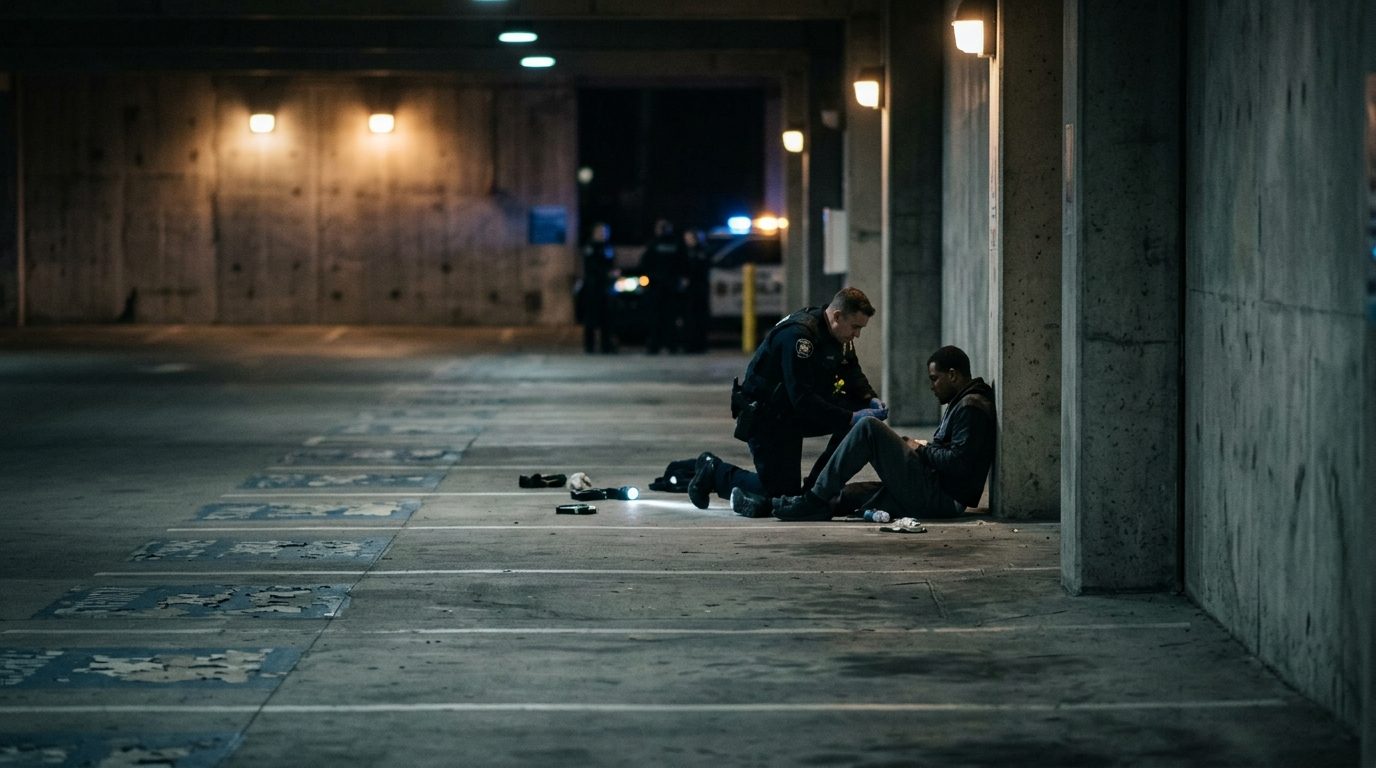
Negligent Security | Violent Crime on Someone's Property
Paralyzed After Being Attacked on Someone's Property
If you were assaulted, shot, or attacked at an apartment complex, parking lot, hotel, or other business location and suffered a spinal cord injury or paralysis, the property owner may be legally responsible for failing to provide adequate security.
By CHG Lawyers · Published October 02, 2026
Paralyzed After an Attack on Someone’s Property: Your Negligent Security Claim
You were attacked on someone else’s property—an apartment complex, parking garage, hotel, bar, or gas station—and the assault left you paralyzed. The attacker may face criminal charges. But there’s a separate legal question: Did the property owner fail to provide reasonable security, and is that failure responsible for what happened to you?
The answer may be yes. When a property owner neglects basic security—broken locks, missing lighting, no cameras, no guards—and someone is attacked as a result, that owner can be held financially liable. This is called a negligent security claim, and it exists independent of any criminal case.
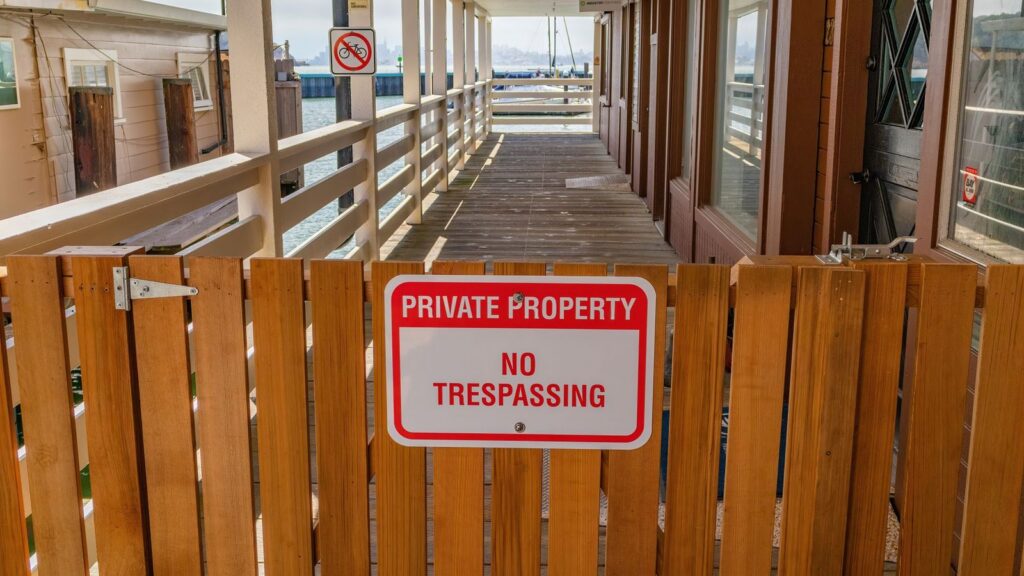
If you were paralyzed after being attacked on someone's property, the property owner may be liable for negligent security. Talk it through with our team — the first consultation is free, confidential, and carries no obligation.
Your Civil Claim Is Separate From the Criminal Case
The criminal system prosecutes the attacker. Your civil claim holds the property owner accountable.
These are two completely different legal proceedings with different goals:
- Criminal case: Police investigate and prosecutors pursue charges against the attacker. If convicted, the attacker faces jail or prison.
- Your civil claim: You sue the property owner for failing to protect you. If you win, the owner (or their insurance company) pays you compensation for your injuries and losses.
The critical point: even if the attacker is never caught, never arrested, or acquitted in criminal court, the property owner can still owe you money. Property owners have a legal duty to provide reasonable security. When they breach that duty and you are attacked as a result, they are liable—regardless of what happens to the attacker.
Both claims can proceed at the same time. They do not interfere with each other.
What Paralysis From an Assault Means
A spinal cord injury from blunt trauma—a blow to the head, neck, or spine during an attack—can cause immediate and permanent paralysis. Gunshot wounds, stab wounds, or falls during an assault can sever or damage nerve fibers, resulting in partial or complete loss of function below the injury site.
Paraplegia is paralysis of the lower body (legs and lower torso). Quadriplegia is paralysis of all four limbs, the torso, and often respiratory muscles. According to the Christopher & Dana Reeve Foundation, approximately 5.4 million Americans live with paralysis today—many from traumatic spinal cord injuries.
The American Spinal Injury Association’s International Standards for Neurological Classification of Spinal Cord Injury (ISNCSCI) helps physicians assess the level and completeness of nerve damage and predict recovery potential. Complete injuries typically mean permanent paralysis; incomplete injuries may allow some recovery.
Lifetime Costs and Medical Reality
Paralysis is permanent. With proper medical care, people with spinal cord injuries live for decades—but the costs are extraordinary.
Immediate costs include emergency surgery, hospitalization, and acute rehabilitation. Lifetime costs include medications, specialist visits, therapy, adaptive equipment (wheelchairs, lifts, accessible vehicles), home modifications (ramps, accessible bathrooms, roll-in showers), and ongoing nursing or attendant care.
The Christopher & Dana Reeve Foundation reports that lifetime medical costs for quadriplegia can exceed $4.7 million.
Beyond medical costs, paralysis affects employment, independence, relationships, and quality of life. Many people cannot return to their previous jobs. Accessibility barriers limit housing and transportation options. Chronic complications—infections, pressure sores, respiratory issues, blood clots, bowel and bladder dysfunction—require constant medical management.
Where Negligent Security Claims Arise
Negligent security claims commonly arise from attacks at specific property types where reasonable security measures are expected:
- Apartment complexes and residential buildings: broken locks, missing gate access, inadequate lighting in hallways or parking areas, no security cameras or guards
- Parking lots and parking garages: no lighting, no cameras, no attendants, broken gates or entry controls
- Hotels and motels: weak door locks, no security presence, poor lighting in hallways or exterior areas
- Bars and nightclubs: insufficient staff, no security personnel, poor lighting outside, no cameras
- Gas stations and convenience stores: no cameras, poor lighting, no panic buttons or alarm systems
- ATMs: isolated locations, no lighting, no cameras, no security presence
- Retail stores: inadequate staff, no security, poor visibility of entry/exit areas
In each case, the question is the same: Did the owner fail to provide reasonable security measures, and did that failure make the attack foreseeable and preventable?
How Property Owner Negligence Creates Liability
Property owners owe visitors—tenants, guests, customers, patrons—a duty of reasonable care. This includes providing reasonable security appropriate to the property type and location.
Reasonable security typically includes:
- Working locks and access controls on doors and gates
- Adequate lighting in parking areas, hallways, and exterior spaces
- Functioning security cameras with recorded footage
- Visible security presence (guards or staff trained in security)
- Alarm systems or panic buttons
- Clear sightlines (removing bushes or obstacles that hide potential attackers)
A negligent security claim alleges that the owner failed to provide these protections. If an attack occurs and the owner’s failure made it easier or more likely, the owner is liable.
The strongest evidence is prior crimes on the property. If similar attacks, robberies, or assaults occurred before, the owner had notice that danger was foreseeable. Courts call this “notice of danger,” and it is critical evidence that the attack was reasonably foreseeable.
Your attorney will investigate:
- Police reports of prior crimes on the property
- Security incident logs maintained by the owner
- Maintenance records showing whether security systems were working
- Security footage from the time of the attack
- Witness statements
- Expert testimony on industry-standard security for that property type
- The property’s location, neighborhood crime rates, and history
Florida Law: Statute of Limitations and Comparative Fault
Florida Statute § 95.11 sets the deadline for filing a premises liability claim: two years from the date of the attack.
This deadline is strict. Once two years pass, you lose the right to sue—regardless of the strength of your claim (Fla. Stat. § 95.11(5)(a)). Evidence also deteriorates: security footage is deleted (often after 30–90 days), witnesses move away, memories fade, and records are lost.
Do not wait. Contact an attorney immediately to preserve evidence and protect your legal rights.
Florida also applies comparative fault under Florida Statute § 768.81. If a jury finds you partially at fault for the attack (for example, if you were in a restricted area or ignored posted warnings), your recovery is reduced by your percentage of fault. However, you can still recover if you are less than 50% at fault.
If you were attacked outside Florida, different state laws and deadlines apply. Our firm handles cases nationwide and understands the legal requirements in each jurisdiction.
If you're trying to understand whether the property owner bears responsibility and what your legal options are, we can help. Talk it through with our team — the first consultation is free, confidential, and carries no obligation.
What You Must Prove
Your attorney must establish four legal elements:
- Duty: The property owner owed you a duty of reasonable care and reasonable security.
- Breach: The owner breached that duty by failing to provide reasonable security measures.
- Causation: An attack occurred as a direct result of that failure, and you suffered a spinal cord injury.
- Damages: You have measurable, documented losses—medical bills, lost wages, pain and suffering, future care costs, and other harm.
Each element requires evidence. Your attorney will work with investigators, security experts, medical professionals, and economists to build a complete case.
What Damages Can You Recover?
If you win a negligent security claim, you can recover compensation for:
- Emergency and acute medical care: surgery, hospitalization, emergency room treatment, and initial rehabilitation
- Ongoing medical treatment: specialist visits, medications, therapy, diagnostic imaging, and medical procedures
- Adaptive equipment and home modifications: wheelchairs, lifts, accessible vehicles, ramps, accessible bathrooms, and other modifications necessary for daily living
- Future medical care: lifetime costs of care, nursing, attendant services, and medical management
- Lost wages and earning capacity: income lost due to paralysis and inability to work, plus future earning potential
- Pain and suffering: compensation for physical pain, emotional trauma, depression, and psychological injury
- Loss of enjoyment of life: compensation for lost activities, independence, relationships, and quality of life
- In wrongful-death cases: funeral and burial costs, and loss of companionship and financial support to surviving family members
Damages are calculated based on injury severity, your age at the time of the attack, your pre-injury income, life expectancy, and the lifetime costs of care and support.
What If the Attacker Was Never Caught?
You can still pursue a negligent security claim. The property owner’s liability does not depend on whether the attacker is identified, arrested, or convicted.
What matters is whether the owner failed to provide reasonable security and whether that failure made the attack possible or more likely. If prior crimes occurred on the property, that strengthens your claim even if this particular attacker was never apprehended.
Frequently Asked Questions
Will I have to go to trial?
Most cases settle through negotiation with the property owner’s insurance company. Your attorney will be prepared to take your case to trial if the insurance company refuses fair compensation.
How much is my case worth?
Every case is unique. Your attorney will evaluate the severity of your spinal cord injury, medical costs, lost income, your age, life expectancy, and the strength of the liability evidence. A detailed case evaluation considers all factors specific to your situation.
Can I afford a lawyer?
Most catastrophic injury attorneys, including our firm, work on a contingency basis: you pay nothing unless we recover compensation for you. We advance costs and are paid only if we win your case or reach a settlement.
How long does a case take?
Timeline depends on case complexity, the amount of investigation required, and whether the property owner’s insurance company is willing to negotiate. Your attorney will keep you informed at every stage.
Do I need to file a police report?
A police report creates an official record and may help your civil case by documenting the attack and establishing a timeline. However, a police report is not required to pursue a negligent security claim. Your attorney can advise you on reporting.
Not sure what your next step is?
Talk it through with our team — the first consultation is free, confidential, and carries no obligation.
Understanding Your Legal Options
If you were paralyzed after being attacked on someone’s property, the property owner may be liable for negligent security. This is a distinct legal claim from any criminal prosecution of the attacker.
Our firm focuses exclusively on catastrophic personal injury cases, including premises liability claims arising from negligent security. We understand the profound, permanent impact paralysis has on your life, your family, and your future.
Time matters: the two-year Florida statute of limitations is strict, evidence fades, and witnesses move away. If you’re trying to understand whether the property owner bears responsibility and what your legal options are, we can help.
Contact us for a free case evaluation to discuss your situation, your legal rights, and what your claim may be worth. We handle cases nationwide and work on a contingency basis—you pay nothing unless we recover compensation for you.
Time Matters
Claims arising from violent crime on someone's property are subject to strict legal deadlines. The sooner you contact an attorney, the sooner evidence can be preserved and your rights protected.
What You Need to Know About Negligent Security Claims
Property owners have a duty to protect visitors
When you enter an apartment complex, parking garage, hotel, store, or other business, the owner is responsible for maintaining reasonable security measures—working locks, adequate lighting, cameras, and security personnel where appropriate.
Failure to provide security can create liability
If a violent crime occurs on the property and the owner knew (or should have known) about prior crimes or security risks but failed to act, they may be held liable for injuries you sustained.
Paralysis and spinal cord injuries change everything
A spinal cord injury from an attack can mean permanent paralysis, lifelong medical care, lost income, and profound changes to your life. Damages in these cases can be substantial.
An attorney investigates the full picture
Your lawyer will examine security records, prior incident reports, police reports, witness statements, and the property's history to build a strong claim against the owner and their insurance company.
Why CHG Personal Injury Lawyers
We focus exclusively on catastrophic personal injury
From spinal cord injuries and paralysis to traumatic brain injuries and severe burns, we handle the most serious cases—the ones that change lives forever.
We investigate negligent security thoroughly
We know how to uncover security failures, prior crimes, and the property owner's knowledge of danger. We build the evidence needed to hold them accountable.
We work with medical professionals and investigators
Our team coordinates with physicians, life-care planners, and accident reconstructionists to document the full scope of your injury and its lifelong impact.
We handle cases nationwide
Based in Florida and representing clients across the country, we understand the laws and court systems where your case belongs.
We understand what paralysis means
We listen to your story, respect your experience, and fight for fair compensation that reflects the reality of living with a spinal cord injury.
No attorney’s fees unless there is a recovery
We take cases on a contingency basis, so you pay nothing upfront. You only pay if we recover compensation for you.