

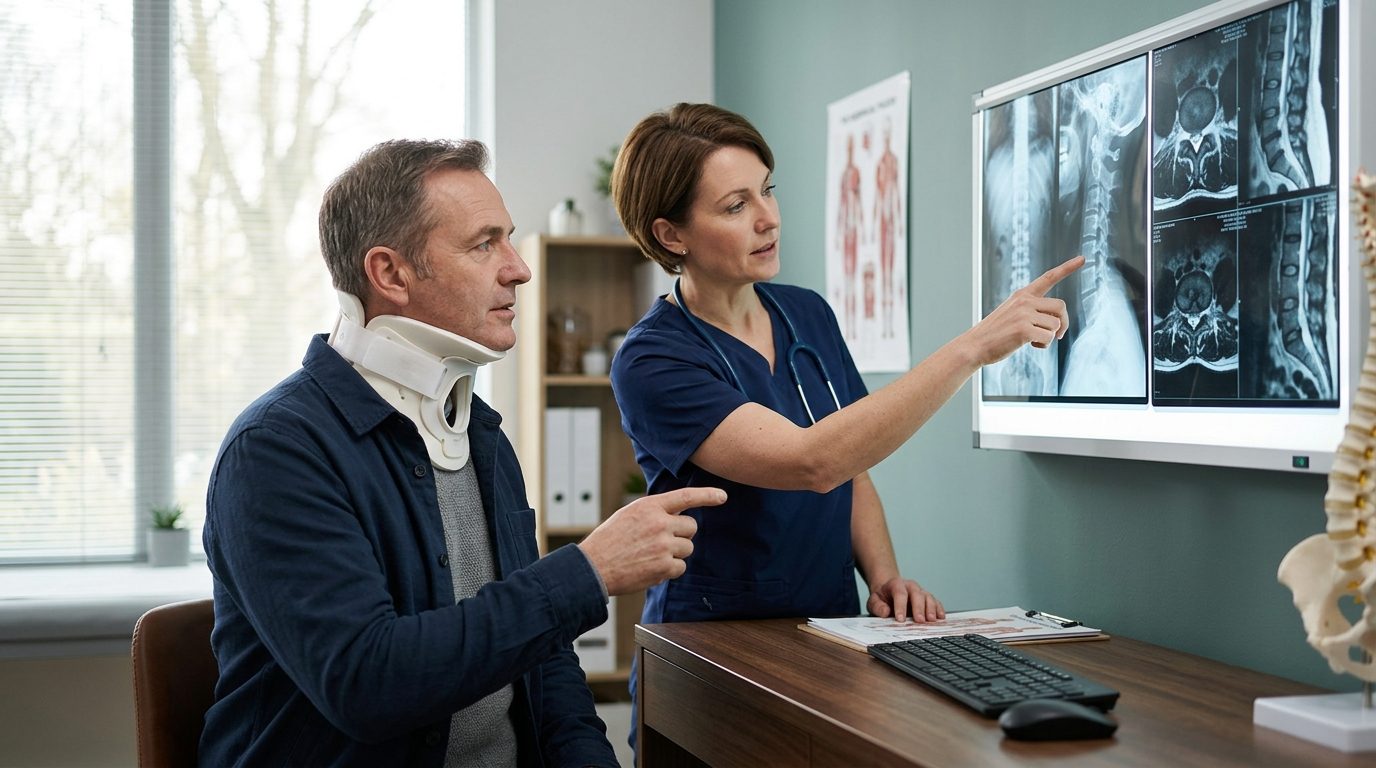
Paralysis & Spinal Cord Injury
Secondary Complications of Paralysis & Your Claim's True Value
Paralysis from a catastrophic injury often brings lifelong medical challenges. Understanding these complications—and how they affect your claim—matters for your recovery and your family's future.
By CHG Lawyers · Published August 28, 2026
Secondary Complications of Paralysis: Medical Realities and What They Mean for Your Compensation
Paralysis itself is catastrophic. But the medical conditions that develop afterward—often within weeks or months—frequently become more disabling and more expensive than the original spinal cord or brain injury. These secondary complications are not inevitable side effects you simply accept; they are measurable harms that directly increase the value of your compensation claim under Florida law.
This article explains what secondary complications are, why they develop, what they cost, and how Florida courts account for them when calculating damages.
Not sure what your next step is?
Talk it through with our team — the first consultation is free, confidential, and carries no obligation.
What Are Secondary Complications of Paralysis?
Secondary complications are medical conditions that emerge because of the paralysis itself, not from the original injury. When the spinal cord or brain is damaged and paralysis results, the body loses the ability to move, feel sensation, regulate blood pressure, control the bladder and bowel, and maintain normal circulation. These losses trigger a cascade of medical problems.
Some appear within days (blood clots, respiratory infection). Others develop over months or years (chronic kidney damage from catheterization, progressive joint deterioration). The critical point: secondary complications are not rare exceptions. They are nearly universal in spinal cord and brain injury cases. In the catastrophic-injury cases our attorneys handle, we regularly document secondary conditions that require more intensive medical management, more expensive equipment, more caregiver hours, and more hospitalizations than the original injury itself.
This is why medical documentation and a clear understanding of long-term medical risks are essential to building a claim that reflects the true cost of paralysis.
Pressure Injuries: From Redness to Amputation
Pressure sores (also called pressure ulcers or pressure injuries) form when constant pressure on skin over bony areas—tailbone, heels, hips, shoulders, elbows—cuts off blood flow and kills tissue. A person who cannot move or feel pain cannot shift their weight to relieve pressure. What begins as redness can progress in days to open ulcers that expose muscle and bone.
The progression and cost: – Stage 1–2: redness, blistering, manageable with prevention – Stage 3–4: tissue death, exposed bone, requiring surgical debridement (removal of dead tissue), skin grafts, weeks of wound care – Complications: life-threatening infection, sepsis, amputation, extended ICU admission
A single severe pressure ulcer can cost $40,000–$100,000+ to treat, depending on depth, infection, and whether surgery is required. Prevention—specialized air-loss mattresses ($3,000–$8,000), pressure-relief cushions, frequent repositioning by trained caregivers, nursing assessment—is far cheaper than treatment. But prevention requires round-the-clock attention and specialized equipment that must be replaced regularly.
Infections and Sepsis: The Leading Cause of Death
Paralyzed individuals face compounded infection risk:
- Weakened immune response from immobility and chronic inflammation
- Catheter-associated urinary tract infections (CAUTIs): Many people with paralysis require permanent or intermittent catheterization. Each catheter insertion carries infection risk. UTIs are extremely common and can progress to kidney infection or sepsis.
- Respiratory infections: Spinal cord injuries at cervical (neck) levels weaken the diaphragm and intercostal muscles (muscles between the ribs). This reduces the ability to cough and clear secretions. Pneumonia is a leading cause of death in spinal cord injury.
- Skin and wound infections: Pressure sores, surgical sites, and other injuries become entry points for bacteria.
Sepsis—systemic infection—is a medical emergency. It causes organ failure, shock, and death. Treatment requires hospitalization, IV antibiotics, sometimes dialysis, and ICU-level care. Survivors often face prolonged recovery, additional organ damage, and chronic complications.
Autonomic Dysreflexia: A Hidden Medical Emergency
Autonomic dysreflexia is a sudden, uncontrolled spike in blood pressure triggered by pain, pressure, or irritation below the level of spinal cord injury. It occurs in people with injuries at the T6 level (mid-back) or above—meaning most people with high paraplegia and all people with quadriplegia are at risk.
Symptoms: – Severe headache – Flushed or blotchy face – Profuse sweating – Chest or back pain – Vision changes, blurred vision – Anxiety
Why it matters: Untreated autonomic dysreflexia can cause stroke, heart attack, or death. Common triggers include a full bladder, bowel impaction, pressure sores, urinary tract infection, tight clothing, or sexual activity. Managing it requires education, emergency protocols, and sometimes medication. It demands immediate medical attention and lifelong vigilance—and it can strike without warning.
Blood Clots and Pulmonary Embolism
Immobility after paralysis dramatically reduces circulation. The original injury may have damaged blood vessels. Together, these factors create high risk for deep vein thrombosis (DVT)—blood clots in the legs—and pulmonary embolism (PE), when a clot travels to the lungs.
DVT causes pain, swelling, skin discoloration, and reduced mobility. PE is a life-threatening emergency: sudden chest pain, difficulty breathing, and potential death within minutes.
Prevention and treatment: – Blood thinners (anticoagulants) with ongoing monitoring – Compression stockings and sequential compression devices (pumps that massage the legs) – Imaging studies (ultrasound, CT scans) to detect clots – Emergency intervention if a clot breaks loose
Long-term effects: Post-thrombotic syndrome causes chronic pain, swelling, and leg dysfunction that can last years or a lifetime. Medical costs include anticoagulation therapy, imaging, emergency treatment, and ongoing management.
Have questions about what happened?
Ask our team directly. The first conversation is free, confidential, and there is no obligation to continue.
Neurogenic Bladder and Bowel Dysfunction
Paralysis interrupts nerve signals to the bladder and bowel, eliminating voluntary control. The result is loss of bladder and bowel continence and the inability to empty these organs completely.
Bladder complications: – Many people require permanent or intermittent catheterization; each insertion carries infection risk – Neurogenic bladder (incomplete emptying) traps urine, increasing UTI and kidney infection risk – Over decades, chronic urinary tract infections can damage the kidneys
Bowel complications: – Constipation and fecal impaction requiring manual removal – Incontinence requiring diapers, pads, and frequent cleaning – Bowel programs (scheduled evacuation) requiring 30–60 minutes daily and caregiver assistance
Daily burden: Catheter changes, bowel programs, medications, medical supplies, and caregiver time. These are costs that continue for a lifetime—often 50+ years after injury. The annual cost of bladder and bowel management alone can exceed $10,000–$20,000 per year.
Respiratory Complications and Ventilator Dependence
Cervical (neck) spinal cord injuries damage the nerves controlling the diaphragm and intercostal muscles. This leads to:
- Weakened breathing and reduced lung capacity
- Reduced ability to cough and clear secretions
- Increased pneumonia risk
- Sleep apnea (breathing stops during sleep)
- In high quadriplegia, mechanical ventilation dependence
The cost of ventilator dependence: – Ventilator equipment: $20,000–$50,000+ per unit – Backup ventilators (required for safety) – 24/7 nursing care to monitor and manage the ventilator – Respiratory therapy, equipment maintenance, emergency protocols – Annual cost: $100,000–$300,000+
Chronic respiratory infections—pneumonia, bronchitis—are among the leading causes of death in spinal cord injury. Management requires constant vigilance, frequent hospitalization, and emergency protocols.
Why Secondary Complications Matter to Your Claim Under Florida Law
Under Florida Statute §768.81, damages in a personal-injury claim include all foreseeable harm resulting from the defendant’s negligence or wrongdoing. Secondary complications are foreseeable—they are medically predictable consequences of paralysis. Courts recognize them as legitimate damages.
Why they increase claim value:
- Lifetime medical costs for secondary complications often exceed the cost of treating the original injury
- Permanent caregiver needs: nursing, personal care attendants, household help—often the largest component of damages
- Specialized equipment: ventilators, pressure-relief mattresses, wheelchairs, lifts, bathroom modifications
- Lost earning capacity: inability to work due to complications or caregiver responsibilities
- Pain, suffering, and reduced quality of life: beyond the paralysis itself
- Shortened lifespan: serious complications like sepsis and respiratory failure can reduce life expectancy
A paralysis claim that ignores secondary complications will undervalue damages by hundreds of thousands of dollars—sometimes millions.
How Damages Are Calculated: Life Care Planning
Calculating fair compensation requires a life care plan—a detailed, expert analysis of medical and care needs across the injured person’s entire lifetime. A life care planner (typically a nurse with specialized training) works with physicians, economists, and rehabilitation specialists to project:
- Annual medical expenses (doctor visits, medications, hospitalizations, imaging, therapy)
- Equipment and home modifications (initial cost and replacement cycles)
- Caregiver hours and cost (24/7 care for quadriplegia may cost $100,000–$200,000+ annually)
- Vocational and educational needs
- Life expectancy and long-term prognosis
This plan becomes the foundation for calculating total damages. Without it, compensation often falls short of actual, documented needs.
Want to know where you stand?
Tell us what happened and our team will walk you through the options available to you, at no cost.
Florida’s Statute of Limitations and Comparative Fault
Under Florida Statute §95.11, a personal-injury claim must be filed within two years of the date of injury. Missing this deadline bars the claim entirely, regardless of merit.
Florida also follows comparative fault (Fla. Stat. §768.81). If the injured person is found partially at fault, damages are reduced by their percentage of fault. However, if the injured person is less than 50% at fault, they can still recover. This requires careful investigation and expert testimony to establish the defendant’s liability and the injured person’s comparative negligence.
What Compensation Must Cover
A complete paralysis claim accounts for:
- Past medical expenses: all treatment, hospitalization, medications, equipment since the injury
- Future medical expenses: decades of ongoing care, treatment, equipment replacement
- Caregiver costs: the largest component in most cases; includes nursing, personal care, household help
- Home modifications: accessibility equipment, specialized beds, bathrooms, lifts, ramps, vehicle modifications
- Lost wages and earning capacity: past and future income lost due to the injury and complications
- Pain and suffering: non-economic damages reflecting the burden of managing paralysis and secondary complications
- Life care planning: expert analysis of lifetime medical and care needs
Documentation is critical. Medical records, specialist reports, imaging studies, rehabilitation assessments, and expert testimony establish the scope and cost of secondary complications and justify substantial damages.
Frequently Asked Questions
What is the most common secondary complication of paralysis?
Pressure sores and urinary tract infections are among the most common. Most people with paralysis develop multiple secondary complications over their lifetime. The specific complications depend on the level and severity of the spinal cord injury.
Can secondary complications be prevented?
Some can be reduced through rigorous prevention protocols—pressure-relief schedules, catheter care, respiratory therapy, blood thinners. But most cannot be eliminated entirely. Management and early treatment are the realistic focus.
How long do secondary complications last?
Many are permanent or recurrent. Pressure sores can heal but often return. Infections may be treated but recur. Bladder and bowel dysfunction, breathing problems, and autonomic dysreflexia typically persist for life.
Why do secondary complications increase the value of a paralysis claim?
Because they require permanent medical care, specialized equipment, caregiver support, and ongoing treatment—all of which have measurable costs that extend across the injured person’s entire lifetime. A person with quadriplegia and ventilator dependence may require $2–5 million or more in lifetime care costs.
Does Florida law recognize secondary complications in paralysis claims?
Yes. Under Florida Statute §768.81, damages include all foreseeable harm. Secondary complications are foreseeable medical consequences of paralysis and are recognized as legitimate damages. A claim must be filed within two years under Florida Statute §95.11.
Understanding Your Path Forward
If you or a loved one has recently become paralyzed, secondary complications are not a question of if, but when and how severe. Understanding these risks helps you prepare for medical management and clarifies what you may be entitled to recover.
A personal-injury claim arising from paralysis must account for the full lifetime burden—not just the immediate injury, but every complication that follows. The difference between a claim that accounts for secondary complications and one that doesn’t can be hundreds of thousands of dollars or more.
If you’re managing a new paralysis diagnosis, learning about secondary complications, and wondering what your legal options are, reach out to discuss your situation. We can help you understand how your specific circumstances might support a claim and what compensation may be available.
Common Secondary Complications
Pressure Sores & Skin Breakdown
Prolonged immobility puts constant pressure on the skin, especially over bony areas. Pressure sores can become severe infections requiring hospitalization, skin grafts, or surgery. Prevention requires vigilant repositioning, specialized mattresses, and ongoing wound care.
Urinary Tract & Bladder Issues
Loss of bladder control is common after spinal cord injury. Repeated urinary tract infections can lead to kidney damage, sepsis, or chronic kidney disease. Catheterization, medication, and specialized management are often lifelong needs.
Respiratory & Breathing Problems
High spinal cord injuries may affect the nerves controlling breathing. Some people require ventilators or assistance with coughing and clearing secretions. Respiratory infections pose serious, sometimes life-threatening risks.
Blood Clots & Circulation Issues
Immobility after paralysis sharply raises the risk of deep vein thrombosis (DVT) and pulmonary embolism (PE). These can be fatal. Prevention often requires blood thinners, compression devices, and ongoing monitoring.
Muscle Atrophy & Bone Loss
Paralyzed muscles weaken and shrink over time. Bones lose density rapidly, leading to brittle bones that fracture easily from minor trauma. This compounds mobility challenges and increases fall risk.
Chronic Pain & Spasticity
Many people with paralysis experience neuropathic pain (nerve pain) or muscle spasticity—involuntary muscle contractions. These can be severe, disrupt sleep, and require ongoing medication or therapy.
Sexual Dysfunction & Fertility
Spinal cord injury often affects sexual function and fertility in both men and women. Addressing these issues may require specialized medical care, counseling, and adaptive equipment.
Mental Health & Depression
The emotional toll of permanent paralysis is profound. Depression, anxiety, and post-traumatic stress are common. Ongoing mental health support and counseling are essential parts of long-term care.
Why Secondary Complications Matter to Your Claim
Insurance companies and defendants often underestimate the true cost of paralysis by focusing only on the initial injury. Secondary complications—many of which emerge months or years later—can cost hundreds of thousands or millions of dollars over a lifetime. Medical care, equipment, home modifications, attendant care, and lost earning capacity all add up. A thorough claim accounts for these long-term realities, not just the accident itself.
How We Approach Paralysis Claims
Lifetime Cost Analysis
We work with life-care planners and medical economists to calculate the true, long-term cost of your care—including secondary complications, equipment replacement, home modifications, and attendant care over your lifetime.
Medical Expert Testimony
We retain physicians, neurologists, and rehabilitation specialists who understand spinal cord injury and can explain to a jury or adjuster how secondary complications develop and what they cost.
Comprehensive Claim Strategy
We build your claim on the full scope of your injury—not just today's medical bills, but the realities you'll face for decades. That includes prevention, treatment, and adaptation.
Your Family's Future
We understand that paralysis affects not just you, but everyone who cares for you. We fight for compensation that reflects the burden on your loved ones and your family's changed circumstances.
What Affects Claim Value in Paralysis Cases
Level & Severity of Injury
Quadriplegia (all four limbs) typically results in higher claim value than paraplegia (lower body only) because it requires more intensive care and limits more activities. Complete injuries (total loss of function) differ from incomplete injuries.
Age at Injury
Younger people have longer lifespans and decades of care ahead. A 25-year-old with paralysis will need care and support for 60+ years, vastly increasing lifetime costs compared to someone injured at 65.
Pre-Injury Health & Income
Your health before the injury, your occupation, and your earning capacity all matter. Someone who was working and earning $100,000 annually has different damages than someone who was unemployed.
Cause of the Injury
How the injury happened—truck crash, negligent security, medical malpractice—affects liability and what damages are available. Clear negligence or wrongdoing strengthens your claim.
Secondary Complications
The more complications you develop—infections, respiratory issues, chronic pain—the higher your lifetime care costs and claim value. Documentation of these complications is critical.
Defendant's Insurance & Assets
The defendant's insurance coverage and financial resources affect what can realistically be recovered. A large trucking company's policy differs vastly from a small business's coverage.
Prevention Is Possible—But It Requires Resources
Many secondary complications can be prevented or delayed with proper care: pressure sores through regular repositioning and specialized equipment; infections through catheter management and hygiene; blood clots through medication and monitoring. But prevention requires money—for equipment, attendant care, medical oversight, and education. Your claim should account for these costs so you have the resources to prevent complications, not just treat them after they occur.