

Negligent Security | Parking Garage Attack
Attacked in a Parking Garage? The Property Owner May Be Liable
If you were assaulted, robbed, or hurt because the garage lacked basic security, you may have a claim against the owner—even if they didn't commit the attack.
By CHG Lawyers · Published September 02, 2026
Shot or Assaulted in a Parking Garage? Property Owner Negligent Security Liability
You were attacked in a parking garage or lot. You were shot, assaulted, robbed, or sexually assaulted. The attacker is responsible for the crime. But the property owner may also be legally responsible for negligent security.
They may have failed to provide reasonable security that could have prevented the attack. This is called negligent security—a civil claim you can pursue against the property owner or management company. It’s separate from any criminal case against the attacker.
If you suffered catastrophic injuries—spinal cord damage, paralysis, traumatic brain injury, amputation, or severe burns—the stakes are higher. You deserve to know if the people who controlled that property failed to keep you safe.
Not sure what your next step is?
Talk it through with our team — the first consultation is free, confidential, and carries no obligation.
What Is Negligent Security?
Negligent security happens when a property owner fails to provide reasonable precautions against foreseeable crime. It’s not a criminal charge. It’s a civil claim against the property owner for allowing dangerous conditions to exist.
Property owners have a legal duty to keep premises reasonably safe. This applies to people lawfully on the property. The duty extends to parking garages, parking lots, apartment complexes, hotels, bars, gas stations, and commercial spaces.
When a property owner fails to take reasonable steps to prevent foreseeable crime—and someone is injured—that owner may be liable for damages.
The key point: You don’t need the attacker caught or convicted to pursue a negligent security claim. The criminal case is separate from the property owner’s civil liability.
Common Examples of Inadequate Security
Property owners are expected to maintain reasonable security. When they don’t, attacks become more likely. Common failures include:
- Broken or missing locks on entry doors and gates
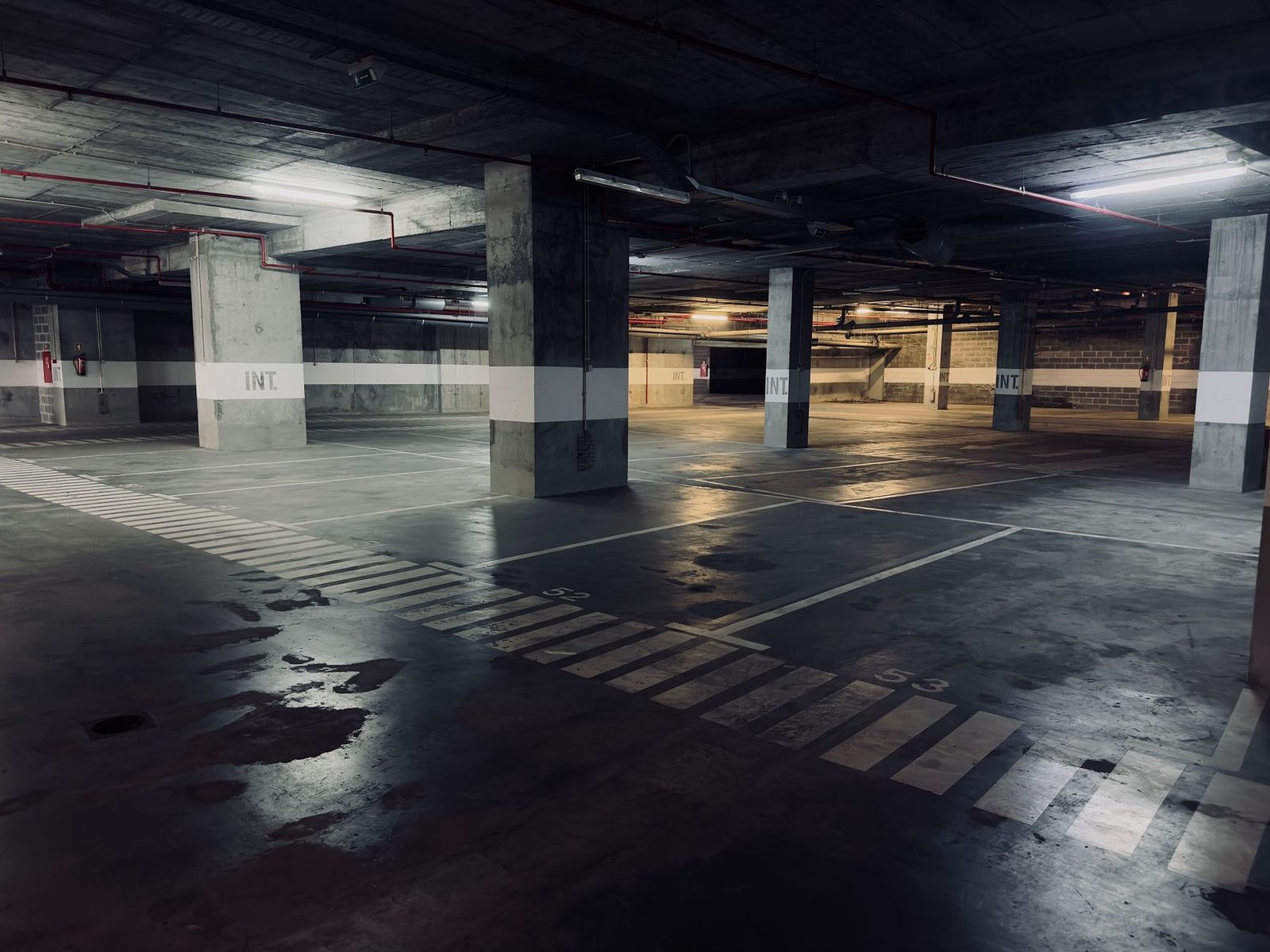
- Burned-out or missing lighting in stairwells, elevators, and parking areas
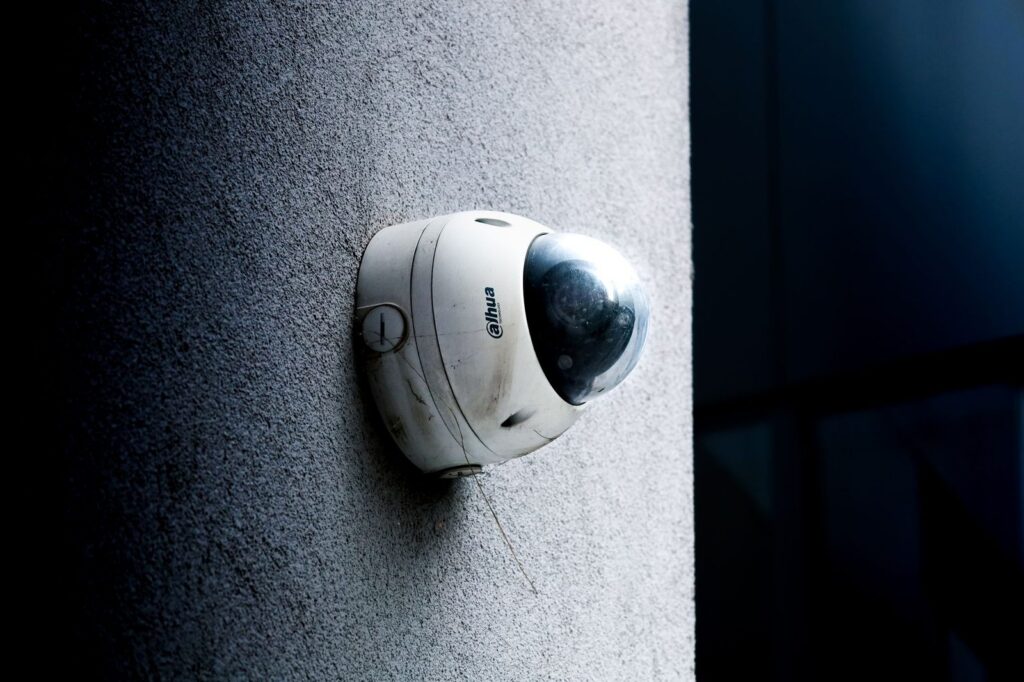
- Non-functioning or absent security cameras
- Lack of security guards or patrols, especially during evening and night hours
- Poor visibility due to pillars, debris, or overgrown landscaping
- No emergency call boxes or communication systems
- Failure to respond to prior complaints about crime or safety concerns
If the property owner knew—or should have known—that crime was a risk, and they failed to address it, that’s negligent security.
Two Key Elements: Foreseeability and Actual Harm
To succeed in a negligent security claim, you must prove two things: foreseeability and actual harm.
Foreseeability: Did the Property Owner Know Crime Was a Risk?
Foreseeability means the property owner knew or should have known that crime was a risk. Here’s how you prove it:
- Prior incidents at the same property: previous assaults, robberies, or shootings
- Crime statistics for the neighborhood: public data showing higher violent crime rates
- Written complaints to management about safety concerns
- Similar attacks at nearby properties: crime patterns in the area
- Industry knowledge: property owners in high-crime areas face higher foreseeability standards
Property owners can’t claim surprise when crime happens in documented high-crime areas. Courts recognize that foreseeability is often established through a pattern.
Actual Harm: You Suffered a Serious, Documented Injury
Actual harm means you suffered a serious, documented injury directly caused by the attack and inadequate security.
Spinal cord injuries, paralysis, traumatic brain injury, amputation, and severe burns are life-altering injuries. They justify substantial damages. These injuries cause permanent impairment. They require ongoing medical care. They fundamentally alter your ability to work and live independently.
Minor injuries—bruises, sprains, or cuts that heal without lasting effect—typically fall outside negligent security claims.
Both elements must be present. Inadequate security alone isn’t enough if no one was hurt. An injury alone isn’t enough if the property owner had no reason to foresee crime.
Can You Sue the Property Owner or Management Company?
Yes, in many cases. If the property owner or manager failed to provide reasonable security and that failure allowed the attack to occur, you can file a civil lawsuit.
You would name the property owner, the management company, or both as defendants. The security company hired to protect the property may also be liable if they failed to perform their duties.
This is separate from any criminal case against the attacker. You don’t have to wait for a criminal conviction to pursue your civil claim.
In catastrophic-injury cases, investigation often reveals a pattern of negligence. You may find prior incidents that management ignored. You may find complaints that went unanswered. You may find security measures never implemented despite known risks.
What Damages Might You Recover?
Damages in a negligent security case can be substantial, especially with catastrophic injury. Potential recovery includes:
- Medical expenses: emergency care, surgery, rehabilitation, ongoing treatment, medications, assistive devices, and home modifications
- Lost income: wages lost during recovery and diminished earning capacity if permanent
- Pain and suffering: compensation for physical pain, emotional trauma, and loss of quality of life
- Permanent disability: additional damages if the injury causes lasting impairment or functional loss
- Wrongful death damages: if the attack was fatal, the family may recover funeral costs, lost financial support, and loss of companionship
No outcome is guaranteed. Damages vary based on specific facts, jurisdiction, and evidence presented.
Have questions about what happened?
Ask our team directly. The first conversation is free, confidential, and there is no obligation to continue.
Negligent Security in Parking Lots
The same legal principles apply to parking lots. Property owners of parking lots have a duty to provide reasonable security. This applies whether the lot is at an apartment complex, shopping center, hotel, or other business.
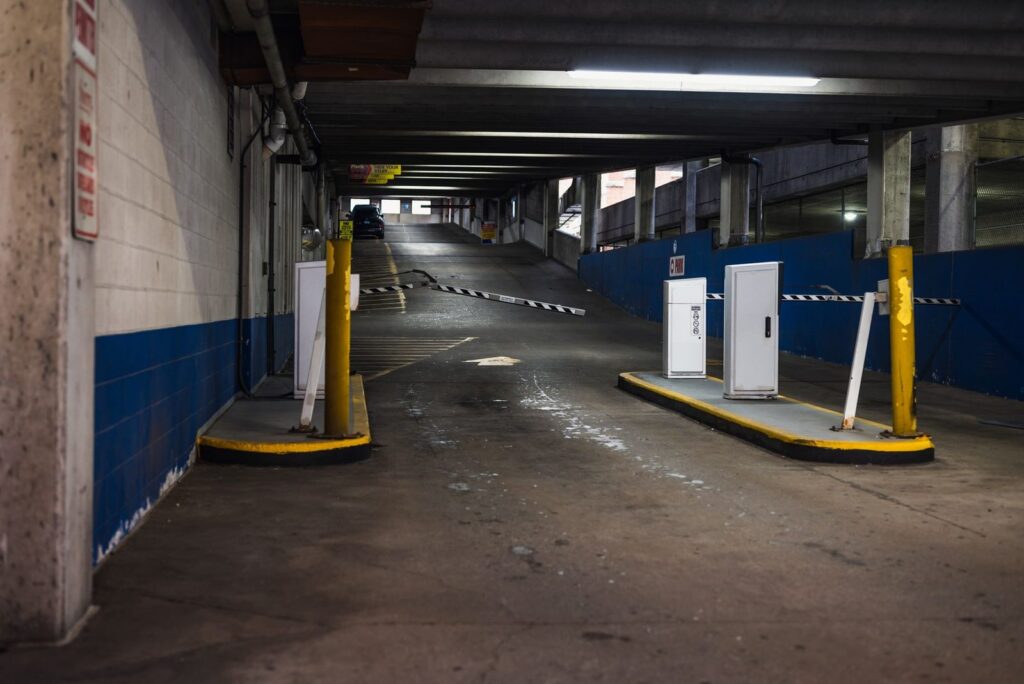
Inadequate lighting, lack of security personnel, broken gates, or poor visibility can all constitute negligent security in a parking lot setting.
Steps to Take After an Attack
Protecting your legal position starts immediately:
- Seek medical attention and document all injuries with photos and medical records.
- Report to police and obtain a copy of the police report.
- Preserve evidence: take photos of the garage (lighting, locks, cameras, visibility). Keep all medical records. Save communications with the property owner.
- Report to the property manager in writing. This creates a documented record of notice.
- Gather witness information if anyone saw the attack or can describe conditions.
- Avoid social media discussions about the incident.
- Keep records of all expenses related to injury and recovery.
Florida Statute of Limitations and Comparative Negligence
Time limits apply. Under Florida Statute § 95.11, you must file a negligence claim within two years from the date of injury. This deadline is strict. Missing it bars your claim entirely.
Florida also follows a modified comparative-negligence rule under Statute § 768.81. If you’re found more than 50% at fault, you generally cannot recover damages. This rule recognizes that liability can be shared. It also means the property owner’s negligence must be the primary cause of your injury.
These rules apply to negligent security claims in Florida. Similar principles exist in other states. Early legal advice is critical. The sooner you understand your rights and the deadline, the sooner you can take action.
Getting Help After a Parking Garage Injury
Negligent security claims are complex. They require investigation into the property’s history, prior crimes, security practices, and management’s knowledge of risks.
An attorney who focuses exclusively on catastrophic injury claims can help you understand your rights. They can gather evidence. They can investigate the property’s security history. They can navigate the legal process.
Many people in your situation reach out to discuss what happened and explore their options. There is no cost to have that conversation or to learn whether you have a claim.
Want to know where you stand?
Tell us what happened and our team will walk you through the options available to you, at no cost.
Frequently Asked Questions
Can I sue a parking garage owner if I was attacked by someone else?
Yes, if the property owner failed to provide reasonable security and that failure allowed the attack to occur, you may have a negligent security claim.
Do I need the attacker to be caught or convicted to pursue a claim?
No. Your civil negligent security claim is separate from any criminal case. You don’t need a criminal conviction to proceed.
What counts as reasonable security in a parking garage?
Working locks, adequate lighting, security cameras, security guards or patrols (especially at night), clear sightlines, emergency communication systems, and prompt response to prior complaints about crime or safety.
How long do I have to file a negligent security claim?
In Florida, you have two years from the date of injury. Time limits vary by state, so don’t delay.
What if the property owner claims they didn’t know crime was a risk?
Prior incidents at the property, crime statistics for the area, or complaints to management can all prove that crime was foreseeable.
Can I recover damages for a parking garage attack?
Yes. Medical expenses, lost wages, pain and suffering, permanent disability, and in fatal cases, wrongful death damages are all potentially recoverable. The amount depends on injury severity and evidence strength.
Related Resources
Learn more about premises liability claims, assault and battery claims, and property owner liability.
If you were attacked in a parking garage or lot and suffered catastrophic injury, the property owner’s failure to provide adequate security may mean they bear legal responsibility. People in your situation reach out regularly to discuss what happened and understand their options. There’s no cost to start that conversation. Contact us for a free case evaluation.
What Makes a Parking Garage Owner Liable
Failure to Provide Reasonable Security
Property owners have a duty to maintain basic safety measures—working locks, adequate lighting, functioning cameras, or security personnel—to protect visitors from foreseeable harm.
Known or Foreseeable Risk
If the garage had a history of crime, prior incidents, or obvious security gaps that made an attack predictable, the owner's failure to act strengthens your claim.
Your Injury Was Preventable
You must show that reasonable security measures would have likely prevented the attack—for example, working gates, visible cameras, or adequate lighting that would have deterred or stopped the attacker.
Direct Connection to Negligence
Your injury must be a direct result of the owner's failure to provide security, not an unrelated circumstance.
You Don't Need the Attacker to Be Caught
A common misconception: your civil negligent security claim is completely separate from any criminal case. You can pursue compensation against the property owner even if the attacker was never identified, arrested, or convicted. The question is whether the owner failed in their duty to provide reasonable security—not whether the criminal case is solved.
Common Parking Garage Security Failures
Broken or Missing Locks
Garage entry gates, stairwell doors, or elevator access that don't lock or are left propped open make it easy for attackers to enter and target visitors.
Poor or No Lighting
Dark corners, burned-out lights, or inadequate illumination create hiding spots and give attackers cover—and discourage witnesses from intervening.
No Cameras or Monitoring
Absence of working security cameras or visible surveillance systems removes both deterrence and evidence, and signals that the owner doesn't take safety seriously.
No Security Staff or Patrols
Garages with a history of crime but no security personnel, guards, or regular patrols fail to take reasonable steps to protect visitors.
What You Should Do After an Attack
Report to Police and Get a Report Number
File a police report immediately and request a copy. This creates an official record and is critical evidence for your claim.
Document the Scene and Your Injuries
Take photos of the garage (lighting, locks, cameras, layout), your injuries, and any visible security gaps. Keep medical records and receipts for all treatment.
Preserve Evidence and Witness Information
Note the names and contact details of anyone who saw the attack or the garage conditions. Ask the garage owner or management for security footage and incident records.
Avoid Discussing Settlement Alone
Do not accept an offer or sign documents from the property owner's insurance company without legal guidance. Property owners and their insurers often try to minimize liability.
Time Matters
Evidence can disappear—security footage is often recorded over, witnesses move away, and memories fade. The sooner you take action, the better your chances of preserving critical proof of the garage's negligent security and your injuries.
Why You Need an Attorney
We Focus Exclusively on Catastrophic Injuries
We handle serious, life-altering harm—including violent attacks and the lasting trauma and physical injuries they cause. We understand the full scope of your damages.
We Investigate the Property's Security History
We obtain prior incident reports, maintenance records, and security logs to prove the owner knew or should have known about the risk and failed to act.
We Handle Insurance Companies
Property owners' insurers are experienced at denying or minimizing these claims. We know their tactics and fight to hold them accountable.
We Work on Contingency
No attorney’s fees unless there is a recovery. You pay nothing upfront, and we only collect if we secure compensation for you.