

Negligent Security | Assault on Property
Attacked on Someone Else's Property? You May Have a Claim.
If you were assaulted, shot, or injured in an attack on a property with inadequate security, the owner may be liable. CHG Personal Injury Lawyers focuses exclusively on catastrophic injuries from negligent security failures.
By CHG Lawyers · Published August 27, 2026
Spinal Cord Injury From Assault on Unsafe Property: Your Negligent Security Claim
You were attacked on someone else’s property. An apartment complex, parking lot, hotel, bar, or business. The assault left you with a spinal cord injury. Your life has permanently changed.
The property owner’s failure to provide reasonable security may make them legally responsible. This is called a negligent security claim. It holds property owners accountable for violent crimes they could have prevented through basic security measures.

If you were assaulted, shot, or injured in an attack on a property with inadequate security, the owner may be liable. Talk it through with our team — the first consultation is free, confidential, and carries no obligation.
What a Spinal Cord Injury Means
You were assaulted, shot, robbed, or otherwise harmed on someone else’s property. In that moment, your life changed.
The assault caused a spinal cord injury. You may have partial or complete paralysis. You may have lost sensation or motor function. This affects your mobility, independence, and quality of life.
Now you face daily realities:
- The cost of a wheelchair or mobility equipment
- Home modifications: ramps, accessible bathrooms, grab bars
- Loss of your job or career
- Emotional weight of lost independence
- Ongoing medical appointments, medications, and therapy
- The need for personal care assistance
- Uncertainty about your future
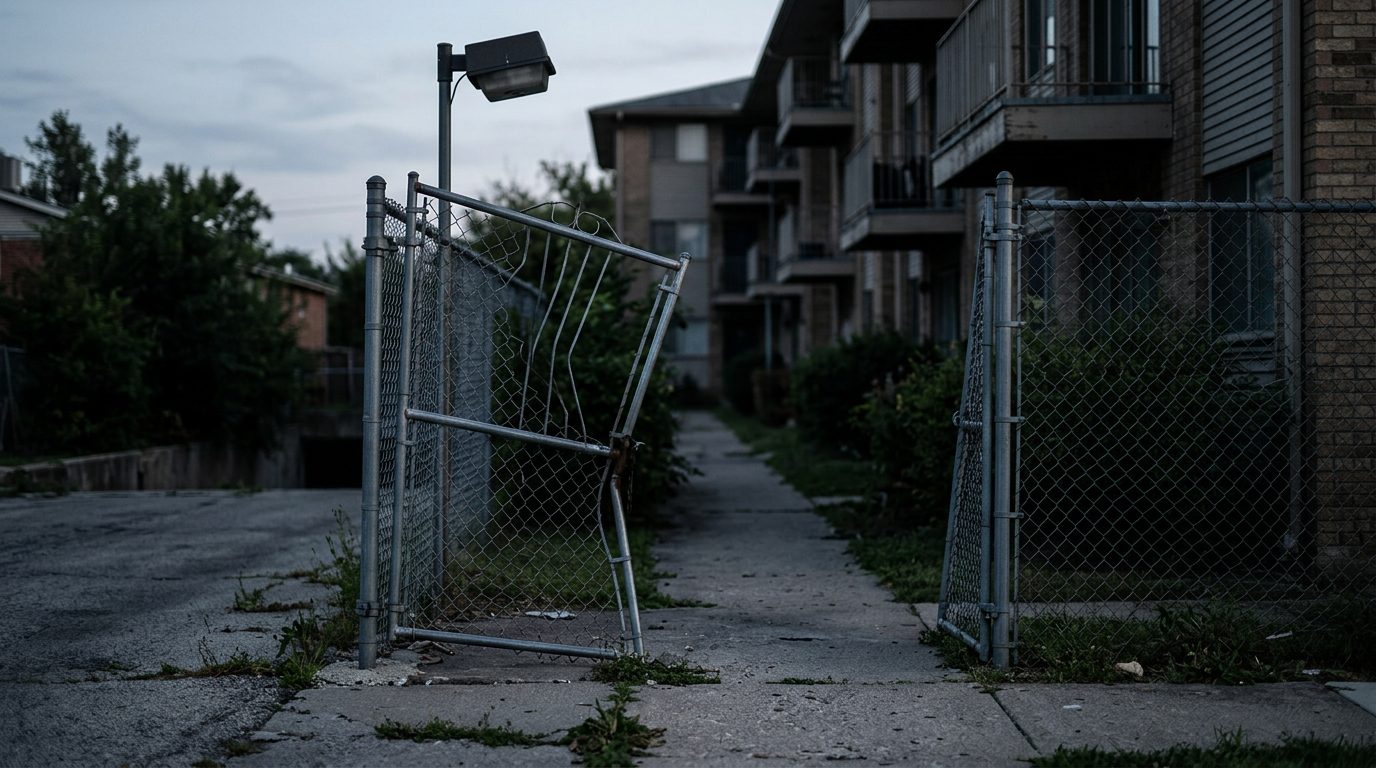
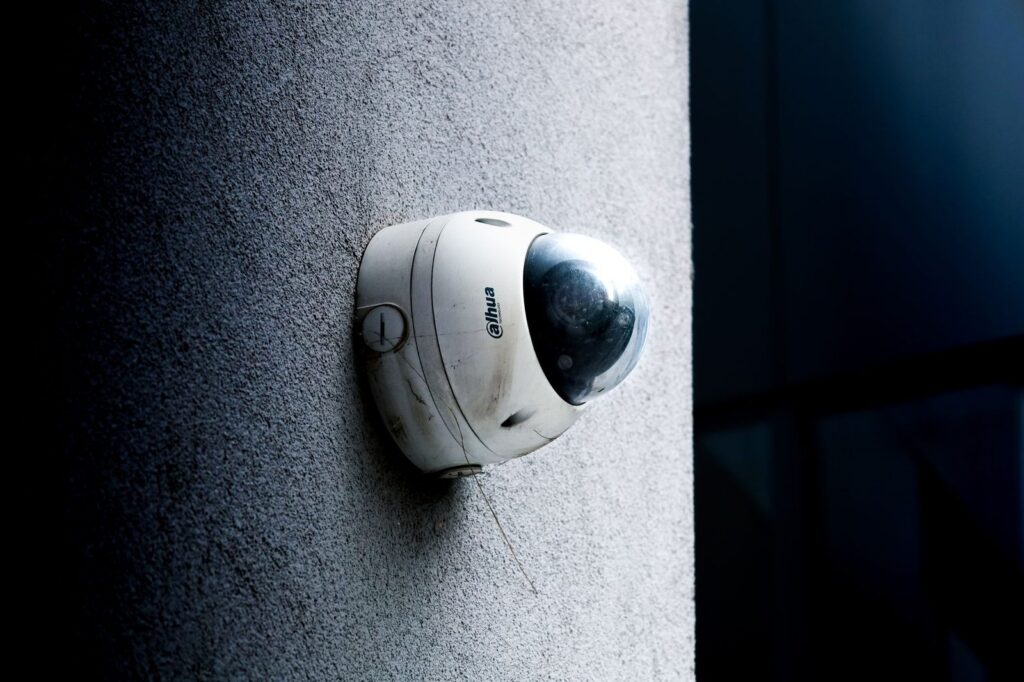
The property owner failed to provide reasonable security. Broken locks, poor lighting, no cameras, no guards, or other negligent conditions allowed the attacker access or escape.
You may have a legal claim against the property owner. This is separate from any criminal case against the attacker. This claim holds the property owner accountable for their own negligence. Even if the attacker is never caught, you have a distinct legal remedy against the property owner.
Understanding Negligent Security Claims
A negligent security claim holds a property owner legally responsible. They failed to provide reasonable security measures. They failed to prevent or reduce harm from a violent crime.
The property owner owes you a duty of care. They must maintain the property in a reasonably safe condition. They must take reasonable steps to protect visitors and residents from foreseeable criminal acts.
When they breach that duty—by ignoring broken locks, failing to install lighting or cameras, not hiring security, or ignoring prior crimes—and you are harmed, you may recover damages.
This is not about blaming you for being attacked. It is about holding the property owner accountable. They created or allowed conditions that made the attack possible.
Negligent security claims are separate from criminal prosecution. The attacker may face criminal charges. But the property owner’s civil liability is independent and distinct.
What Does a Negligent Security Claim Cover?
A successful negligent security claim covers a wide range of damages:
- Medical expenses: emergency care, surgery, hospitalization, rehabilitation, therapy, medications, and future medical treatment.
- Assistive devices and home modifications: wheelchairs, mobility equipment, vehicle modifications, ramps, grab bars, and bathroom renovations.
- Lost wages and lost earning capacity: income you lost during recovery and reduced earning potential from permanent disability.
- Pain and suffering: compensation for physical pain, emotional trauma, loss of independence, and reduced quality of life.
- Caregiver costs: in-home care, personal assistance, nursing, or other support services you now require.
- Wrongful death damages: if the attack was fatal, your family may pursue a wrongful death claim for the loss of your loved one.
Spinal Cord Injury Classification and Prognosis
Spinal cord injuries are classified by location and severity. Understanding your injury explains your prognosis and the damages you may recover.
By location, spinal cord injuries occur at four levels:
- Cervical (neck): injuries at C1–C8, affecting all four limbs and the torso. These typically result in quadriplegia.
- Thoracic (mid-back): injuries at T1–T12, affecting the torso and legs.
- Lumbar (lower back): injuries at L1–L5, affecting the legs and lower body.
- Sacral (base of spine): injuries at S1–S5, affecting the lowest body functions.
By severity, spinal cord injuries are either:
- Complete: the cord is fully severed or damaged. No signals pass below the injury level. This results in total paralysis below that point.
- Incomplete: some nerve fibers remain intact. You may retain partial sensation or motor function below the injury level.
Paraplegia (paralysis of the lower body and legs) typically results from thoracic, lumbar, or sacral injuries. Quadriplegia (paralysis of all four limbs and the torso) typically results from cervical injuries.
The American Spinal Injury Association (ASIA) Impairment Scale (AIS) is the standard medical tool for classifying severity. It uses a scale from A (complete paralysis) to E (normal function). Your medical team uses this scale to document your injury and prognosis. This documentation is critical to your claim.
According to the Christopher & Dana Reeve Foundation, approximately 17,700 new spinal cord injuries occur in the United States each year. Assault-related spinal cord injuries often result from blunt trauma: being struck, thrown, or struck with an object; gunshot wounds; or falls caused by the attack.
Medical Stabilization and Evidence Preservation
The first hours and days after a spinal cord injury are critical. Emergency medical care can minimize secondary damage and improve long-term outcomes.
Paramedics and emergency room staff stabilize your spine. They manage pain and swelling. They assess the extent of nerve damage. Imaging (X-rays, CT scans, MRI) determines the location and severity.
In the first hours and days, swelling and inflammation can worsen the injury. Medications and immobilization aim to minimize secondary damage.
You may undergo surgery to stabilize the spine. You may need surgery to remove bone fragments or relieve pressure on the cord. Acute hospitalization typically lasts weeks. You will undergo intensive rehabilitation to manage your new physical reality. Long-term rehabilitation and therapy continue for months or years.
From a legal standpoint, evidence preservation is urgent. Secure and preserve:
- Photographs and video of the property (lighting, locks, cameras, signage, gates, barriers)
- Contact information for witnesses who saw the assault or the property’s condition
- Requests for security footage (which may be deleted after 30–90 days)
- All medical records, imaging, and treatment documentation
- Police reports and incident numbers
- Communications with the property owner or management company
The sooner the firm investigates, the better. Evidence can disappear. Memories fade. Security footage is routinely deleted.
Not sure what your next step is?
Talk it through with our team — the first consultation is free, confidential, and carries no obligation.
How Much Is Your Negligent Security Claim Worth?
There is no fixed formula. The value depends on many factors specific to your case:
- Severity of injury: complete vs. incomplete paralysis, level of injury, and degree of permanent disability. Cervical injuries typically result in higher awards than lumbar injuries because they affect more of the body.
- Age and life expectancy: younger people with decades ahead typically receive higher awards. Their lifetime medical and care costs are substantially greater. A 25-year-old with a cervical spinal cord injury may face 50+ years of medical care and personal assistance.
- Pre-injury income and earning capacity: higher earners may recover more for lost wages and lost earning potential. A construction worker or athlete faces different lifetime earning losses than someone in a desk job.
- Medical expenses: documented past and projected future medical costs, including rehabilitation, assistive devices, home modifications, and ongoing care. Lifetime care costs for a cervical spinal cord injury can exceed $1 million.
- Pain and suffering: the severity of your physical pain, emotional trauma, loss of independence, and reduced quality of life.
- Property owner’s conduct: whether the owner knew of prior crimes, ignored obvious security risks, or acted with gross negligence (which may support punitive damages).
- Comparative fault: Florida follows a modified comparative-negligence rule. Under Fla. Stat. §768.81, if you are 50% or less at fault, you may recover damages reduced by your percentage of fault. If you are more than 50% at fault, you recover nothing.
- Insurance coverage: the property owner’s liability insurance limits may cap recovery, though you may pursue additional assets or the property owner’s personal liability.
- Jurisdiction: awards vary by state and county. Florida juries in urban areas (Miami-Dade, Hillsborough, Orange County) may award higher damages than rural counties.
How a Negligent Security Claim Works
Understanding the process helps you know what to expect:
Step 1 – Case evaluation: You contact the firm and describe the assault, your injury, and the property’s security failures. The firm reviews your medical records, police reports, and the property’s history of prior crimes.
Step 2 – Investigation: The firm investigates the property’s prior crimes (through police reports and public records), security practices, maintenance records, and the owner’s knowledge of security risks. Investigators may photograph the property, interview witnesses, and obtain security footage.
Step 3 – Demand and negotiation: The firm sends a detailed demand letter to the property owner’s insurance company. It outlines the negligent security, your injury, the damages you are seeking, and the legal basis for liability. Negotiations may resolve the case without trial.
Step 4 – Litigation (if necessary): If settlement talks fail, the firm files a lawsuit. Discovery (exchange of documents and depositions) follows. Both sides gather evidence and build their cases.
Step 5 – Expert testimony: Medical experts testify about your spinal cord injury, prognosis, and lifetime care needs. Security experts may testify about industry standards for reasonable security and the property owner’s failure to meet those standards.
Step 6 – Trial or settlement: The case may settle at any point or proceed to trial. A jury decides liability and damages.
Step 7 – Recovery and appeal: If you win, the property owner’s insurance pays the judgment. Either side may appeal if legal errors occurred.
Why This Firm for Your Negligent Security Claim
Exclusive focus on catastrophic injuries: This firm focuses exclusively on severe, permanent, life-altering injuries—spinal cord injuries, paralysis, traumatic brain injuries, amputations, and severe burns. We do not handle minor or routine cases. Every resource is devoted to maximizing your recovery.
We understand the legal and factual complexities of negligent security claims. We know how to prove prior knowledge and foreseeability.
Licensed Florida attorneys: Our attorneys are licensed to practice in Florida and admitted to the Florida Bar.
Thorough investigation and expert networks: We have established relationships with security experts, medical specialists, life-care planners, and investigators. They strengthen your case and maximize your recovery.
Compassionate, plain-language approach: We explain your rights and options in clear, understandable terms. We understand the trauma of violent crime and the life-changing impact of spinal cord injury.
Contingency fee—no upfront cost: We work on a contingency basis. You pay nothing unless we recover compensation for you. We advance investigation and litigation costs. There is no financial barrier to pursuing your claim.
Frequently Asked Questions
Q: Can I sue the property owner if the attacker is not caught or prosecuted?
Yes. Your civil claim against the property owner is independent of any criminal case. The property owner’s negligence in failing to provide security is the basis for liability.
Q: What if I was partially at fault—for example, I was in an area I shouldn’t have been?
Florida follows comparative negligence rules (Fla. Stat. § 768.81(6)). Even if you bear some responsibility, you may still recover if the property owner was more negligent. The amount you recover is reduced by your percentage of fault. For example, if a jury finds you 20% at fault and the property owner 80% at fault, you recover 80% of your damages.
Q: How long do I have to file a claim?
Florida’s statute of limitations for premises liability is generally two years from the date of injury under Fla. Stat. §95.11. However, do not wait. Evidence can disappear. Security footage is routinely deleted. Memories fade. Contact the firm as soon as possible.
Q: What if the property owner claims they did not know about the security risk?
The firm will investigate prior crimes on the property, complaints to management, and industry standards for security. Property owners are liable for foreseeable crimes. Even if they did not know of a specific prior incident, if similar crimes have occurred on the property or if the property is in a high-crime area, the property owner should have anticipated the risk and provided reasonable security.
Q: Will my case go to trial?
Many cases settle during negotiation or mediation. However, if the property owner’s insurance company refuses a fair offer, the firm is prepared to take your case to trial. We will not pressure you to accept an inadequate settlement.
Q: What if I am on government benefits (Medicaid, Social Security Disability)?
The firm can structure your recovery to preserve your benefits and avoid disqualification. Special needs trusts and other strategies can protect your eligibility for critical benefits while allowing you to recover the full value of your claim.
Have questions about what happened?
Ask our team directly. The first conversation is free, confidential, and there is no obligation to continue.
Your Next Step
If you were attacked on someone else’s property and suffered a spinal cord injury, you have legal options. The property owner’s failure to provide reasonable security may make them liable. They may owe you compensation for medical care, lost income, assistive devices, home modifications, and the profound changes to your life.
People injured in assaults on unsafe property reach out to this firm regularly. We understand the urgency, the trauma, and the complexity of your case. Learn more about premises liability claims and personal injury compensation.
Contact us today for a free case evaluation. There is no obligation, and no upfront cost. We will listen to your story, review the facts, and explain your rights in plain language. We work on contingency—you pay nothing unless we recover compensation for you.
Your Civil Claim Is Separate From Criminal Justice
Even if the attacker is never caught or prosecuted, you have a claim against the property owner for failing to provide reasonable security. The owner's negligence—not the attacker's identity—is what matters in your case.
What Negligent Security Looks Like
Apartment Complexes & Residential
Broken locks, missing gates, inadequate lighting, no cameras, or failure to respond to prior break-ins or assaults.
Parking Lots & Garages
Poor lighting, no security cameras, no guards, broken gates, or known history of robberies or attacks.
Hotels, Bars & Businesses
Lack of trained security, broken door locks, no cameras, failure to screen employees, or ignoring prior incidents.
Gas Stations & Retail
Inadequate staffing, poor visibility, no panic buttons, broken lighting, or failure to secure the premises after hours.
Why Property Owners Have a Duty to Protect You
Foreseeability
Property owners know that crimes can occur on their premises. When they fail to take basic security steps, they breach their duty to protect visitors and tenants.
Reasonable Security Standards
The law requires property owners to maintain locks, lighting, cameras, and other measures appropriate to the location and history of crime in the area.
Prior Notice Strengthens Your Claim
If the property had a history of assaults, robberies, or other crimes and the owner did nothing, your case is stronger—but even first-time attacks can result in liability for inadequate security.
Catastrophic Injuries Deserve Full Accountability
Spinal cord injuries, traumatic brain injuries, and other permanent harm from assault demand that property owners answer for their negligence.
Common Questions About Your Claim
Can I sue if the attacker was never caught?
Yes. Your claim is against the property owner for negligent security, not against the attacker. The owner's failure to prevent a foreseeable crime is the basis for liability, regardless of whether the attacker is identified or prosecuted.
What if I was partially at fault or was trespassing?
Property owners owe a duty of reasonable care to lawful visitors and tenants. Even if circumstances were complicated, you may still have a valid claim. We evaluate each situation individually.
How long do I have to file a claim?
Time limits apply to negligent security claims. The sooner you contact us, the sooner we can preserve evidence, interview witnesses, and protect your rights.
What compensation might I recover?
Damages may include medical care, rehabilitation, lost income, pain and suffering, and other losses caused by your injury. We pursue full accountability for the harm you've suffered.
You Don't Have to Face This Alone
Related practice areas
- Spinal Cord Injuries: Your Rights, Recovery, and Legal Options
- Rideshare (Uber & Lyft) Spinal Cord Injury Lawyers
- Spinal Cord Injuries: A Guide for Victims and Families Facing Paralysis
- Tetraplegia