

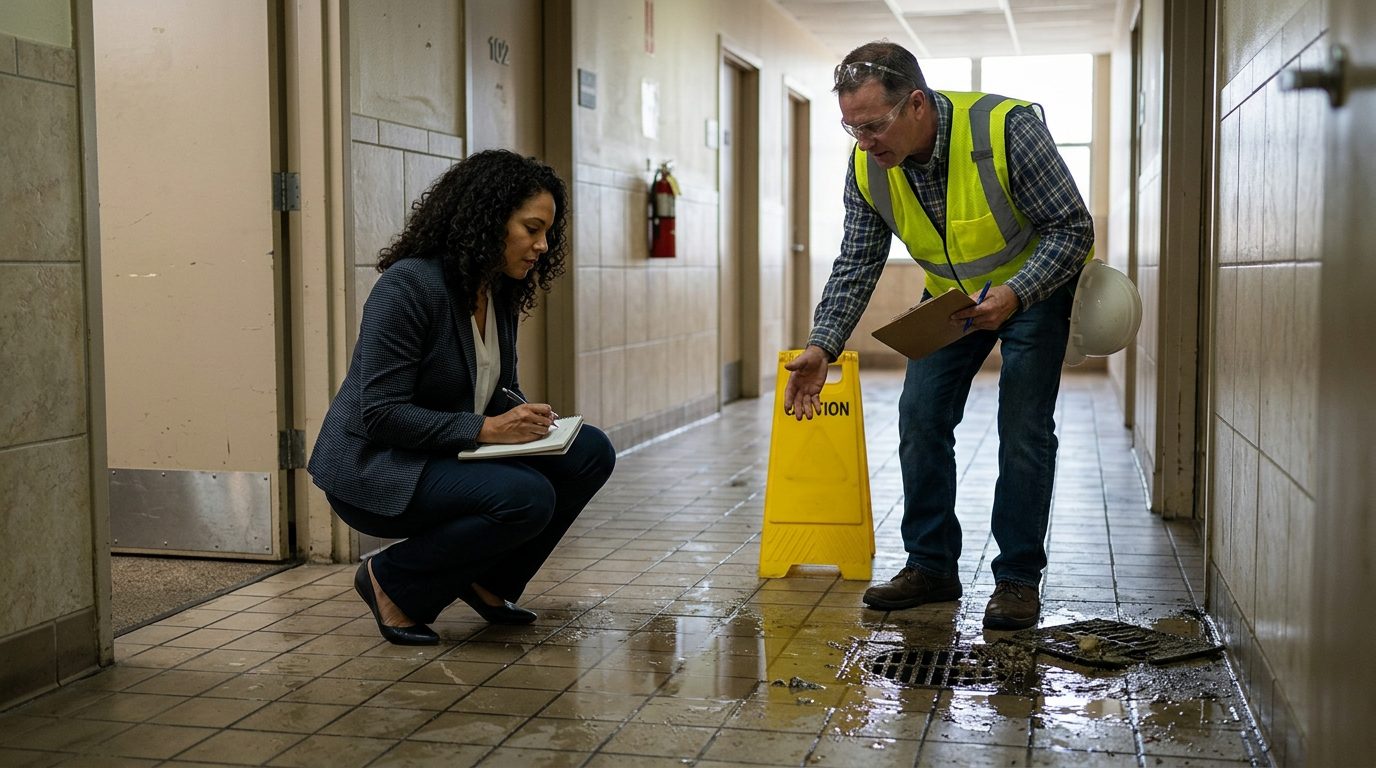
Slip and Fall | Sweetwater, Florida
Slip and Fall Accidents in Sweetwater: Know Your Rights
If you were injured on someone else's property due to negligence, you may have a claim. CHG Personal Injury Lawyers focuses exclusively on catastrophic and serious personal injuries—including slip and fall cases—and can help you understand your options.
By CHG Lawyers · Published September 12, 2026
Slip and Fall Accidents in Sweetwater, Florida: Your Legal Rights After an Injury
You fell on someone else’s property in Sweetwater and now you’re dealing with pain, medical bills, and time away from work. You may have a legal claim against the property owner—even if you think the fall was partly your fault. This guide explains how liability works in Florida, what you can recover, and what to do next.
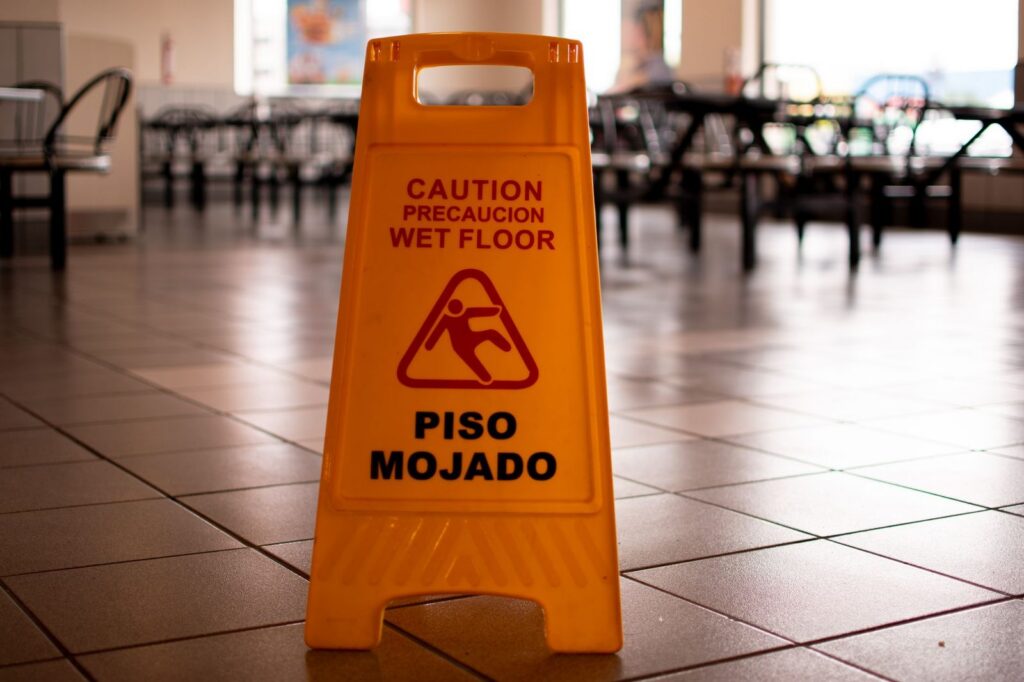
If you were injured on someone else's property due to negligence, you may have a claim. Talk it through with our team — the first consultation is free, confidential, and carries no obligation.
What Happens When You Fall on Someone Else’s Property
A slip-and-fall claim happens when you’re injured because of a hazard on property you don’t own or control. This could be a store, apartment complex, parking lot, restaurant, or office building. The owner failed to fix the hazard or warn you about it.
The hazard might be: – A wet floor with no warning sign – A cracked step – Poor lighting in a stairwell – Debris in a walkway – A pothole in a parking area
The key legal point: property owners have a duty to keep visitors reasonably safe. If they break that duty and you’re injured, you may recover damages.
In Sweetwater—a residential and commercial community in Miami-Dade County—falls happen regularly in retail stores, apartment complexes, parking lots and garages, restaurants, office buildings, gas stations, hotels, and motels. Each location has the same legal obligation.
Why Your Injury’s Severity Matters
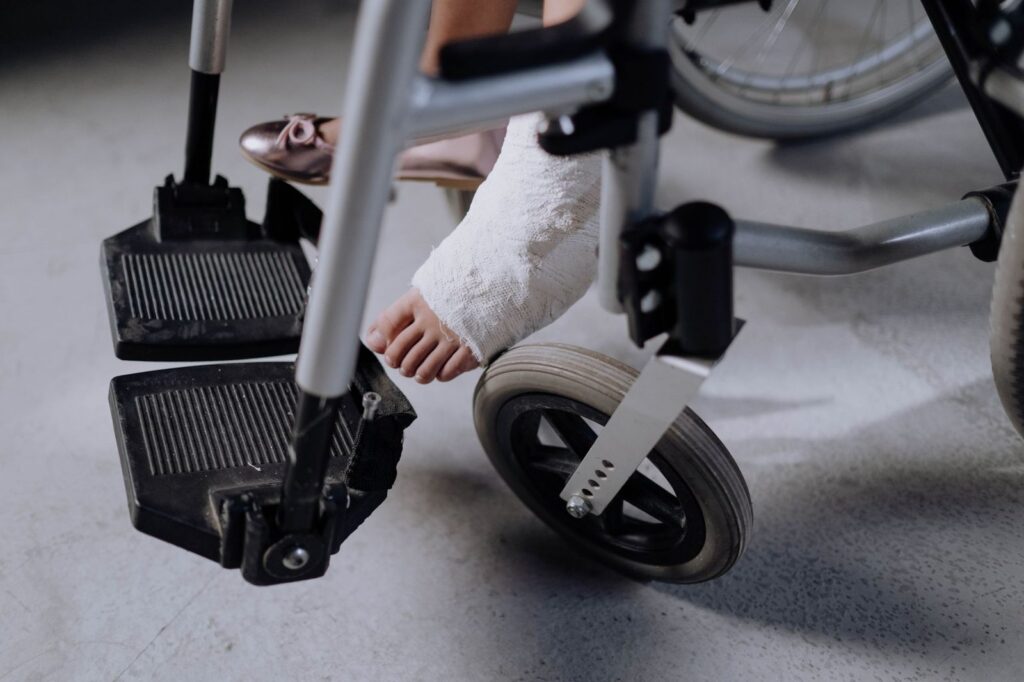
Age and pre-existing health conditions dramatically affect outcomes. A younger person might walk away with a bruise. An older adult or someone with bone density issues can suffer a hip fracture, head injury, or spinal cord damage from the same fall.
Long-term consequences can include: – Chronic pain – Loss of mobility – Mounting medical expenses – Lost wages – Permanently reduced quality of life
In the most tragic cases, a fall results in death. When that happens, the family may have a wrongful-death claim. The family can recover funeral costs, the deceased’s lost income, and damages for loss of companionship.
How Fault Works Under Florida Law
Florida’s comparative negligence rule—codified in Fla. Stat. § 768.81—means you can still recover even if you were partly at fault. You just need to be less than 50% responsible for the accident.
Example: You slip on a wet floor in a Sweetwater grocery store. You were wearing shoes with poor traction, but the store had no warning sign. No one had cleaned the spill in over an hour. A jury might find you 20% at fault and the store 80% at fault. You would still recover 80% of your damages.
The property owner’s negligence must have directly caused your injury. You don’t have to prove they knew about the hazard. You can show they should have known through reasonable inspection and maintenance. A hazard that has existed for days or weeks satisfies this standard. So does one caused by the owner’s failure to maintain the property.
What You Must Prove
To succeed in a slip-and-fall claim, you need to establish four things:
- The property owner owed you a duty of care. They did—you were a lawful visitor on their property.
- The owner breached that duty. They failed to fix a hazard, inspect for hazards, or warn you about a known hazard.
- The breach caused your fall. The hazard directly led to your injury.
- You suffered actual damages. You have medical bills, lost income, pain, or permanent injury.
Circumstantial evidence can prove these elements. Security camera footage, photos of the hazard, maintenance records, prior complaints about the same condition, and your medical records all support your claim. Your own testimony about how the fall happened is admissible even without witnesses.
Common Hazards in Sweetwater Properties
Falls in Sweetwater stem from predictable, preventable conditions:
- Wet or slippery floors – spills, rain, poor drainage, missing or ignored warning signs
- Broken, cracked, or uneven flooring and stairs – worn treads, gaps, settling concrete
- Poor lighting – dark parking lots, garages, stairwells, and entryways
- Debris, clutter, or obstacles – left in walkways and common areas
- Worn or missing handrails – on stairs and ramps
- Inadequate maintenance – in apartment complex common areas, hallways, and grounds
- Potholes and surface damage – in parking areas and driveways
Not sure what your next step is?
Talk it through with our team — the first consultation is free, confidential, and carries no obligation.
What Damages Can You Recover?
If you win your claim, recoverable damages include:
- Medical expenses – past and future treatment, surgery, rehabilitation, ongoing care, and medical equipment
- Lost wages – income lost due to injury and recovery time
- Pain and suffering – compensation for physical pain, emotional distress, and reduced quality of life
- Permanent disability or disfigurement – if the injury causes lasting impairment or functional loss
- Wrongful death damages – if applicable, funeral costs, lost income, and loss of companionship
There is no standard payout. Minor injuries may settle for a few thousand to tens of thousands of dollars. Serious injuries—fractures requiring surgery, head trauma, spinal injuries, permanent disability—often reach hundreds of thousands or more.
Factors affecting value include: – Your age and health – The permanence of the injury – The clarity of liability – The property owner’s insurance coverage
How to Protect Your Claim
Mistakes early on can weaken or destroy your case. Avoid these pitfalls:
- Report the fall immediately to the property owner or manager and ask for an incident report.
- Seek medical attention right away. Delays suggest the injury was minor and weaken your credibility.
- Take photos of the hazard, the scene, your injuries, and any warning signs (or lack thereof).
- Do not post about the accident on social media. Insurers monitor these posts and will use them against you.
- Do not give a recorded statement to the property owner’s insurer without legal advice.
- Do not clean up or disturb the scene before evidence is gathered and documented.
- Do not accept an early settlement offer without understanding the full extent of your injury and future medical needs.
- Consult a lawyer early. Evidence fades and witnesses’ memories dim. Prompt action preserves your claim.
How Long You Have to File a Claim
Florida’s statute of limitations for personal injury claims is 2 years from the date of injury to file a lawsuit.
For wrongful death claims, you have 2 years from the date of death. Insurance claims often have shorter deadlines. Notify the property owner’s insurer promptly. Waiting too long can bar your claim entirely. Consult an attorney early to protect your rights.
Do You Need a Lawyer?
For minor injuries with clear liability and low damages, you may handle a claim yourself.
For serious injuries, permanent disability, or disputed liability, legal representation is strongly advised. An attorney can: – Investigate the accident – Gather evidence (including security footage and maintenance records) – Negotiate with insurers – Pursue litigation if needed
Most personal injury lawyers work on contingency—you pay nothing unless you recover. An initial consultation is free and can clarify whether you have a viable claim and what it may be worth.
Have questions about what happened?
Ask our team directly. The first conversation is free, confidential, and there is no obligation to continue.
What If There Were No Witnesses?
Lack of witnesses does not prevent you from pursuing a claim. Evidence can include:
- Security camera footage from the property
- Your medical records and treatment history
- Photos of the hazard and the scene
- Maintenance records and inspection logs
- Prior complaints about the same condition
- Your own testimony about how the fall happened
An attorney can subpoena business records and video to support your account. Circumstantial evidence—such as a known wet floor with no warning sign—can establish liability on its own.
Frequently Asked Questions
Do I have to prove the property owner knew about the hazard?
No. You can show they should have known through reasonable inspection and maintenance. A hazard that has existed for days or weeks satisfies this standard. So does one caused by the owner’s failure to maintain the property.
Can I sue if I was partially at fault?
Yes. Under Florida’s comparative negligence rule, you can recover as long as you were less than 50% at fault. Your recovery is reduced by your percentage of fault.
What if the property owner says I was trespassing?
Property owners still owe a duty of care to most visitors. Trespassing defenses are limited and depend on the specific circumstances. Consult an attorney to evaluate your status on the property.
How long does a slip-and-fall case take?
Settlements may take months to negotiate. Litigation can take 1–3 years or longer, depending on court schedules and case complexity. Most cases settle before trial.
Will my case go to trial?
Most settle before trial, but your attorney should be prepared to litigate if necessary to protect your interests.
If you’ve fallen on someone else’s property in Sweetwater and are dealing with injury, pain, or medical bills, contact us for a free case evaluation. We can review the facts of your fall, explain your legal rights, and discuss what you may be owed. Call or fill out our online form to get started.
What You Need to Know About Slip and Fall Claims
Property Owner Responsibility
A property owner has a duty to maintain their premises in a reasonably safe condition. This includes fixing hazards, cleaning up spills promptly, and warning visitors of known dangers. If they fail to do so and you're injured as a result, they may be liable for your damages.
You Don't Have to Prove They Knew
You don't need to show the owner was aware of the hazard. You can prove they should have known through reasonable inspection and maintenance. A hazard that has existed for days or weeks, or one caused by the owner's failure to maintain the property, meets this standard.
Comparative Fault in Florida
Even if you were partially at fault for your fall, you may still recover damages under Florida law. What matters is whether the property owner's negligence was a substantial factor in causing your injury.
Document Everything
Photograph the scene, the hazard, and your injuries. Get the names and contact information of any witnesses. Report the incident to the property owner or manager in writing. Medical records documenting your treatment are critical to your claim.
Why Choose CHG Personal Injury Lawyers
Focused on Your Recovery
We focus exclusively on personal injury cases—from everyday accidents to catastrophic injuries. Your case receives dedicated attention from attorneys who understand the full scope of your damages.
No Fees Unless There Is a Recovery
We work on a contingency basis. You pay nothing upfront, and we only collect a fee if there is a recovery in your case.
Available for a Free Consultation
Contact us today for a free, confidential case evaluation. We'll listen to what happened and explain your options in plain language.
Serving Sweetwater and Beyond
Based in Florida and handling cases nationwide, we bring local knowledge and national resources to your claim.
Act Quickly
Time matters in personal injury claims. Evidence can disappear, memories fade, and there are legal deadlines that apply to your case. The sooner you reach out, the sooner we can begin protecting your rights and gathering the facts.