

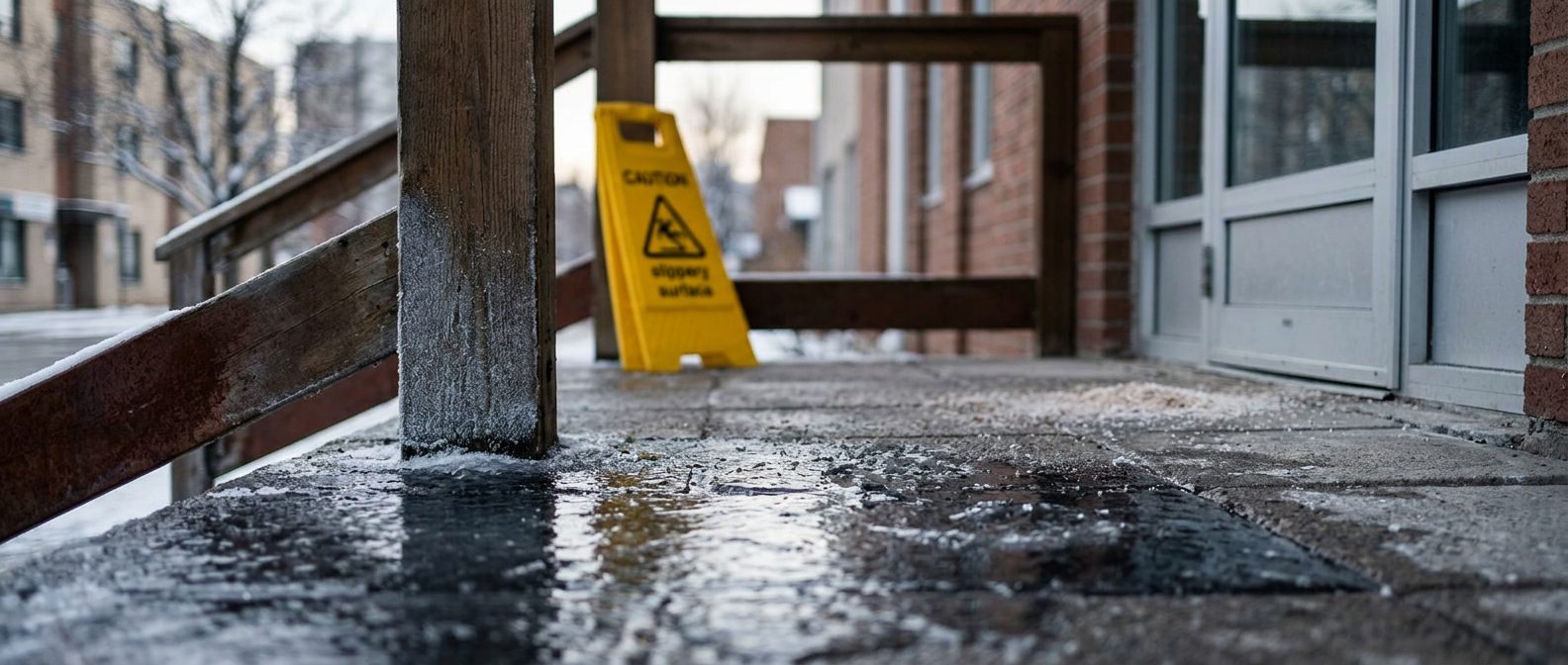
Slip and Fall Injuries
What Is a Fair Settlement for a Slip and Fall on Ice?
If you were injured on someone else's property because they failed to remove ice or warn of the hazard, you may have a claim. Learn what settlements typically cover and how to move forward.
By CHG Lawyers · Published October 03, 2026
Slip and Fall on Ice Settlement: What Your Case Is Worth
A slip and fall that needs surgery is serious. It’s not a minor bump. It’s a life-altering injury with clear proof of major damage, high medical costs, and obvious liability.
If you’ve had surgery after slipping on ice or a wet floor on someone else’s property, you likely have a claim. Understanding what your slip and fall on ice settlement could reach is the first step toward recovery.
Not sure what your next step is?
Talk it through with our team — the first consultation is free, confidential, and carries no obligation.
What Slip and Fall Surgery Cases Really Mean
Surgery signals a major injury, not a routine incident. That distinction matters enormously for settlement value.
Surgery means the injury was severe enough to need medical intervention. Examples include:
- Fracture repair
- Joint reconstruction
- Spinal cord decompression
- Emergency surgery for internal bleeding
- Head trauma repair
These injuries have documented medical records proving what caused them and how severe they are.
Common slip and fall surgery injuries include:
- Broken bones (hip, wrist, ankle, femur, pelvis) requiring surgical repair or pins
- Torn ligaments or cartilage (ACL, meniscus, rotator cuff) needing reconstruction
- Spinal cord injuries or herniated discs requiring decompression or fusion surgery
- Traumatic brain injuries requiring emergency surgery to relieve bleeding or pressure
- Internal bleeding or organ damage requiring emergency intervention
These injuries affect older adults on icy sidewalks, workers on unsafe commercial premises, customers at businesses with poor maintenance, and residents at apartment complexes that fail to remove snow and ice.
Can You Get Compensation for Slipping on Ice?
Yes—if the property owner or manager was negligent in maintaining safe premises.
In Florida and most jurisdictions, ice alone does not shield a property owner from liability. The owner can be held responsible if they:
- Failed to remove ice or snow from walkways, parking lots, or common areas
- Failed to salt, sand, or treat icy surfaces
- Failed to post warning signs about hazardous conditions
- Violated local snow and ice removal ordinances
- Knew or should have known about the hazard
Under Florida Statutes §768.81, Florida’s comparative negligence rule allows you to recover even if partially at fault. You can recover as long as you were 50% or less responsible for the accident.
Time limits matter. Florida has a 2-year statute of limitations for personal injury claims. Claims arising on or after March 24, 2023 have a 2-year deadline. Act quickly to preserve evidence, witness statements, and maintenance records.
What Damages Are Included in a Slip and Fall Settlement?
Settlement damages cover far more than medical bills:
Medical expenses: All surgical costs, hospital stays, anesthesia, imaging (X-rays, MRI, CT scans), follow-up appointments, and ongoing treatment directly related to your injury.
Lost wages: Income you lost during surgery, hospitalization, recovery, and rehabilitation. If your injury causes permanent disability that reduces earning capacity, you can recover for lost future income.
Pain and suffering: Compensation for physical pain, emotional distress, anxiety, depression, and trauma from the accident and recovery.
Permanent disability or disfigurement: Additional damages if the injury causes lasting impairment, reduced mobility, chronic pain, scarring, or inability to perform work or daily activities.
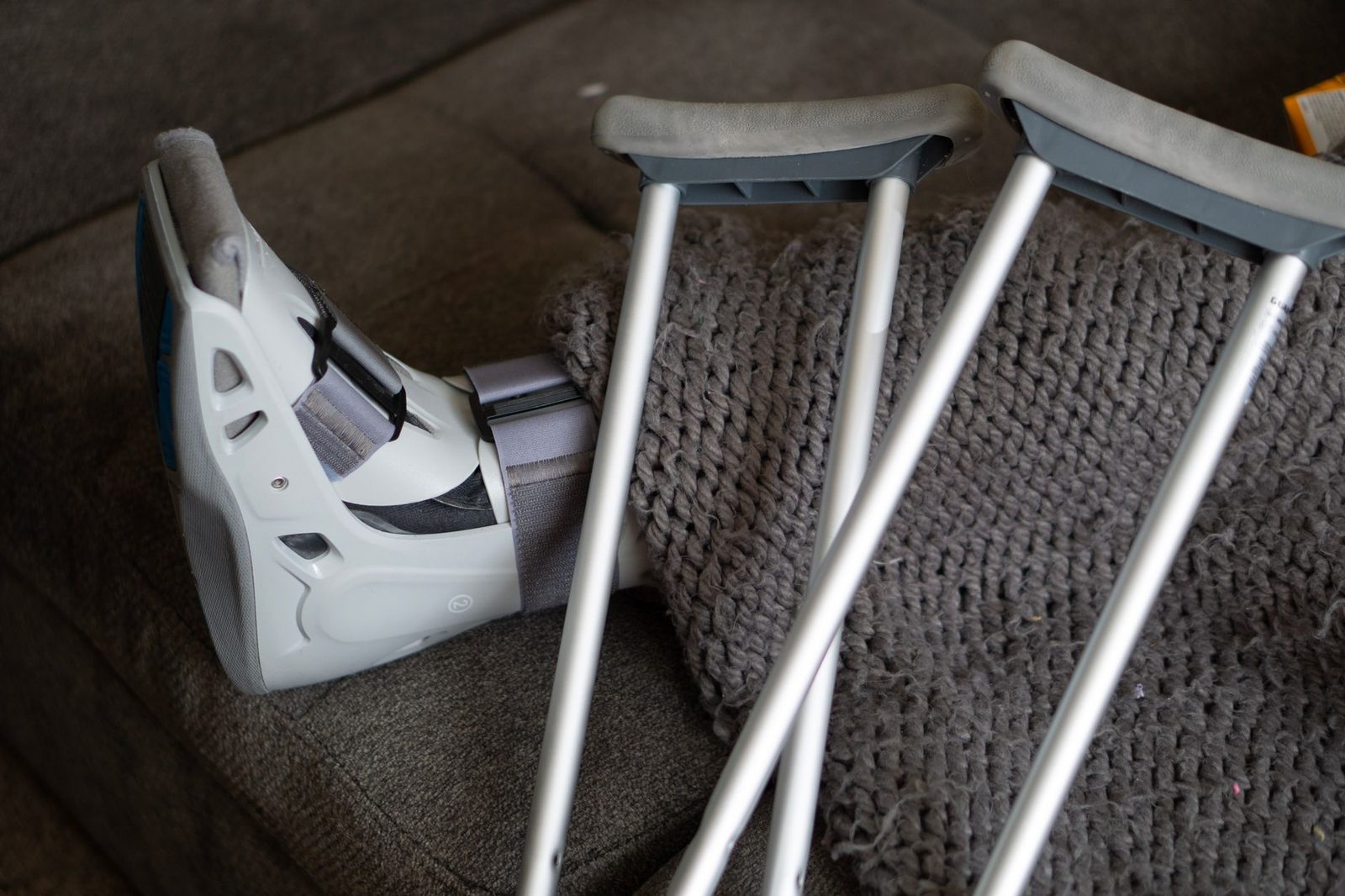
Rehabilitation and therapy: Physical therapy, occupational therapy, mental health counseling, and adaptive equipment (walkers, wheelchairs, home modifications).
Future medical care: Anticipated surgeries, ongoing treatment, medication, monitoring, or long-term care needs resulting from the injury.
Loss of enjoyment of life: Damages for inability to participate in hobbies, sports, relationships, and activities you enjoyed before the injury.
What Is the Typical Payout for Slip and Fall Surgery Cases?
Settlement amounts vary widely depending on injury severity, medical costs, and liability strength.
General range: Slip and fall settlements typically range from $10,000 to $100,000+. Surgery cases are substantially higher.
Surgery cases: Injuries requiring surgery involve documented serious injury, substantial medical bills, clear causation, and significant impact on daily life. Slip and fall on ice settlement amounts for surgical cases often reach hundreds of thousands of dollars when permanent disability results.
Factors that increase settlement value:
- Permanent disability or mobility loss
- Multiple surgeries or ongoing treatment
- High medical expenses ($50,000–$200,000+ for surgical cases)
- Clear, documented negligence by the property owner
- Strong evidence (photos, witness statements, maintenance records)
- Documented lost income and reduced earning capacity
- Age and pre-injury health (younger people have longer life expectancy for damages)
Factors that decrease settlement value:
- Pre-existing conditions that may have contributed to injury or recovery
- Comparative fault (your recovery is reduced proportionally)
- Weak evidence of negligence
- Minor permanent effects or quick recovery
- Gaps in medical treatment
- Limited insurance coverage on the property
How Are Slip and Fall Settlement Values Determined?
Insurers and courts use a systematic approach to calculate fair settlement value:
Medical documentation establishes injury severity and future care needs. This includes surgical records, imaging reports, physician prognosis, and expert testimony.
Economic damages are calculated precisely from receipts, medical bills, pay stubs, and tax returns. These are objective, verifiable numbers.
Liability strength is critical. Clear evidence that the property owner was negligent increases settlement value significantly.
Comparative fault reduces your recovery proportionally if you shared responsibility. For example, if you were 20% at fault, your settlement is reduced by 20%.
Insurance policy limits cap the maximum settlement available. If the property owner’s liability insurance covers only $100,000, that’s the ceiling.
Jurisdiction and local precedent matter. Florida courts may value cases differently than other states based on local law and jury attitudes.
Non-economic damages (pain, suffering, loss of enjoyment) are negotiated based on injury severity, your age, and documented impact on daily life.
Not sure what your next step is?
Talk it through with our team — the first consultation is free, confidential, and carries no obligation.
What Is a Good Settlement Offer?
A good settlement offer covers all your documented losses plus fair compensation for pain and suffering.
Minimum baseline: All medical expenses, lost wages, and rehabilitation costs should be included. Never accept less.
Multiply medical expenses: A common rule of thumb is 3–5× your total medical costs for pain and suffering. For a $100,000 surgery, a fair offer might be $300,000–$500,000 total. Surgery cases often justify higher multiples because the injury is severe and permanent.
Consider permanent effects: If the injury causes lasting disability, chronic pain, or mobility loss, the settlement should reflect the lifetime impact.
Don’t accept the first offer: Initial settlement offers from insurance companies are typically 30–50% below fair value. Negotiation almost always increases the final amount.
Get professional evaluation: An attorney can review the offer against comparable cases in your area and your actual damages.
How Much of Your Settlement Will You Actually Receive?
The settlement amount you receive after all deductions is often less than the headline figure.
Attorney fees: On a contingency basis (the standard for personal injury cases), attorneys typically take 33–40% of your recovery. For a $100,000 settlement, that’s $33,000–$40,000.
Case costs: Investigation, expert witnesses, court filings, and medical record retrieval typically cost $2,000–$10,000, depending on case complexity.
Medical liens: Healthcare providers or insurance companies may claim a portion of the settlement to recover treatment costs they paid. If your health insurance paid $50,000 for your surgery, they may recoup that from your settlement.
Example: A $100,000 settlement with a 33% contingency fee ($33,000) and $5,000 in costs leaves you approximately $62,000. If medical liens total $20,000, your net is about $42,000.
Structured settlements: Some cases are paid over time rather than as a lump sum. This can reduce your tax burden and preserve eligibility for certain benefits.
How Long Does a Slip and Fall Surgery Settlement Take?
Timeline depends on case complexity, injury severity, and whether liability is disputed.
Simple cases: 6–12 months if liability is clear, injuries are straightforward, and insurance companies settle quickly.
Complex cases: 1–3 years if surgery is required, permanent disability is involved, liability is disputed, or expert testimony is needed.
Timeline stages:
- Investigation: 1–3 months to gather evidence, interview witnesses, obtain medical records
- Demand letter: 1–2 months to prepare and send detailed claim to insurance company
- Negotiation: 2–6 months of settlement discussions
- Settlement or trial: If settled, payment within 30–60 days; if trial is needed, could take months or years
Factors that speed settlement: Strong evidence, clear negligence, documented injuries, cooperative insurance adjusters, and willingness to settle.
Factors that slow settlement: Disputed liability, pre-existing conditions, ongoing treatment, need for expert testimony, or insurance company resistance.
Don’t rush: Settling too quickly before you’ve finished treatment often results in lower compensation. Wait until you’ve reached maximum medical improvement (MMI)—the point at which your condition is stable and unlikely to improve further.
How to Maximize Your Slip and Fall Surgery Settlement
Strategic steps during and after your injury significantly increase settlement value:
Document everything: Take photos of the hazard (ice, wet floor, debris), weather conditions, property maintenance, and your injuries. Get written statements from witnesses immediately.
Follow medical advice: Complete all recommended treatment, attend physical therapy, and follow your doctor’s orders. Gaps in treatment weaken your claim.
Keep detailed records: Document all medical expenses, lost wages, pain levels, mobility limitations, and how the injury affects your daily life, work, and relationships. A daily journal is powerful evidence.
Preserve evidence: Don’t clean up the scene or discard the clothing you wore. Request the property’s maintenance logs, incident reports, prior complaints, and snow removal records.
Get expert witnesses: Medical professionals, engineers, or safety experts can testify about injury causation and the property owner’s negligence.
Avoid social media: Don’t post about your recovery, activities, or settlement. Insurance companies monitor social media and use posts against you.
Hire an attorney: Firms that focus exclusively on personal injury cases understand settlement leverage, insurance company tactics, and how to negotiate aggressively on your behalf.
Why Choose CHG Personal Injury Lawyers
Our firm focuses exclusively on personal injury cases, including slip and fall injuries requiring surgery, across Florida and nationwide.
Licensed Florida attorneys: Our team is admitted to the Florida Bar and understands Florida slip and fall law, property owner liability, comparative negligence, and local court procedures.
Experience with serious injury claims: Our practice has handled slip and fall cases involving serious injuries, including surgical cases, traumatic brain injuries, and spinal cord injuries.
No upfront costs: We work on contingency—you pay nothing unless we recover compensation for you.
Comprehensive support: We handle investigation, evidence collection, expert witness coordination, negotiation, and trial if needed.
Bilingual resources: We serve English and Spanish-speaking clients throughout Florida and nationwide.
Not sure what your next step is?
Talk it through with our team — the first consultation is free, confidential, and carries no obligation.
Frequently Asked Questions
Q: Can I sue if I slipped on ice at a business or apartment complex?
A: Yes, if the property owner failed to remove ice, salt the surface, or warn of the hazard. Negligence, not the ice itself, creates liability.
Q: What if I was partially at fault?
A: Under Florida’s comparative negligence rule, you can recover even if partially responsible. Your settlement is reduced by your percentage of fault—as long as you were 50% or less at fault.
Q: How do I prove the property owner was negligent?
A: Evidence includes maintenance records, prior complaints about the hazard, weather reports, witness statements, photos, and expert testimony about industry standards for snow and ice removal.
Q: What if I had a pre-existing condition?
A: Pre-existing conditions don’t eliminate your claim. They may reduce settlement value if they contributed to your injury or delayed recovery.
Q: Should I accept the insurance company’s first offer?
A: Rarely. Initial offers are typically 30–50% below fair value. Negotiation almost always increases the final amount.
Q: How much will my attorney cost?
A: We work on contingency—typically 33–40% of your recovery. You pay nothing upfront and nothing if we don’t recover for you.
Q: What if the property owner doesn’t have insurance?
A: We can pursue a claim against the owner’s personal assets or homeowner’s policy. We may also explore other liable parties (contractors, maintenance companies, etc.).
Get Your Free Case Evaluation Today
If you’ve suffered a slip and fall injury requiring surgery, you likely have questions about what your case is worth and how to pursue compensation.
We offer a free, confidential case evaluation to review your injury, the circumstances of your fall, and your potential recovery. Contact CHG Personal Injury Lawyers today to discuss your slip and fall on ice settlement with an attorney who focuses exclusively on serious personal injury claims.
Know Your Rights Under Florida Law
Property owners have a legal duty to keep their premises reasonably safe. If ice or snow created a hazard and the owner did nothing to address it—no removal, no salt, no warning—they may be liable for your injuries, even if you were partly at fault.
What Settlement Amounts Typically Include
Medical Expenses
Emergency care, hospitalization, surgery, physical therapy, ongoing treatment, and any future medical needs related to your injury.
Lost Income
Wages you lost while recovering and unable to work, plus lost earning capacity if the injury caused permanent disability.
Pain and Suffering
Compensation for the physical pain, emotional distress, and reduced quality of life caused by your injury.
Other Losses
Costs for home care, mobility aids, transportation, and other expenses directly tied to your recovery and ongoing care.
Why Settlement Amounts Vary
Severity of Your Injury
A minor fracture settles differently than a spinal cord injury or traumatic brain injury. The more permanent the damage, the higher the claim value.
Clear Evidence of Negligence
Settlements are stronger when records show the property owner knew about the ice, had time to address it, or failed to maintain the property safely.
Your Role in the Accident
Florida allows recovery even if you were partly at fault. Your settlement is reduced by your percentage of responsibility.
Time and Cost of Recovery
Long-term or permanent injuries, ongoing therapy, and lifetime care needs all increase the settlement value.
Steps to Strengthen Your Claim
Document Everything
Take photos of the ice, the property, your injuries, and any hazard warnings (or lack thereof). Get the names and contact information of any witnesses.
Seek Medical Care Immediately
Visit a doctor or emergency room right away. Medical records create the foundation for your claim and link your injuries directly to the fall.
Report the Incident
Notify the property owner or manager in writing and request a copy of any incident report. Keep records of all communications.
Preserve Evidence
Keep the clothes and shoes you wore, save all medical bills and receipts, and document how the injury affects your daily life and work.
Act Within Florida's Time Limits
You have a limited window to file a claim for a slip and fall injury. Waiting too long can bar your case entirely. The sooner you reach out, the sooner we can protect your rights and begin gathering evidence.