


Personal Injury Law
Slip and Fall: What It Means and What You Can Do
If you were injured on someone else's property due to negligence, you may have the right to pursue a claim. Learn how slip-and-fall liability works and what your next steps are.
By CHG Lawyers · Published September 29, 2026
Slip and Fall: What It Means, Why Stores Are Liable, and What to Do Now
You’re walking through a grocery store. Your shoe hits a wet patch of tile near the produce section—no wet floor sign, no warning. Your feet slide out from under you. You hit the ground hard. Your wrist bends backward as you try to catch yourself. Your hip strikes the floor. For a moment, you just lie there, stunned and in pain.
That’s a slip and fall. And if the store’s negligence caused it, you may have a legal claim for compensation.
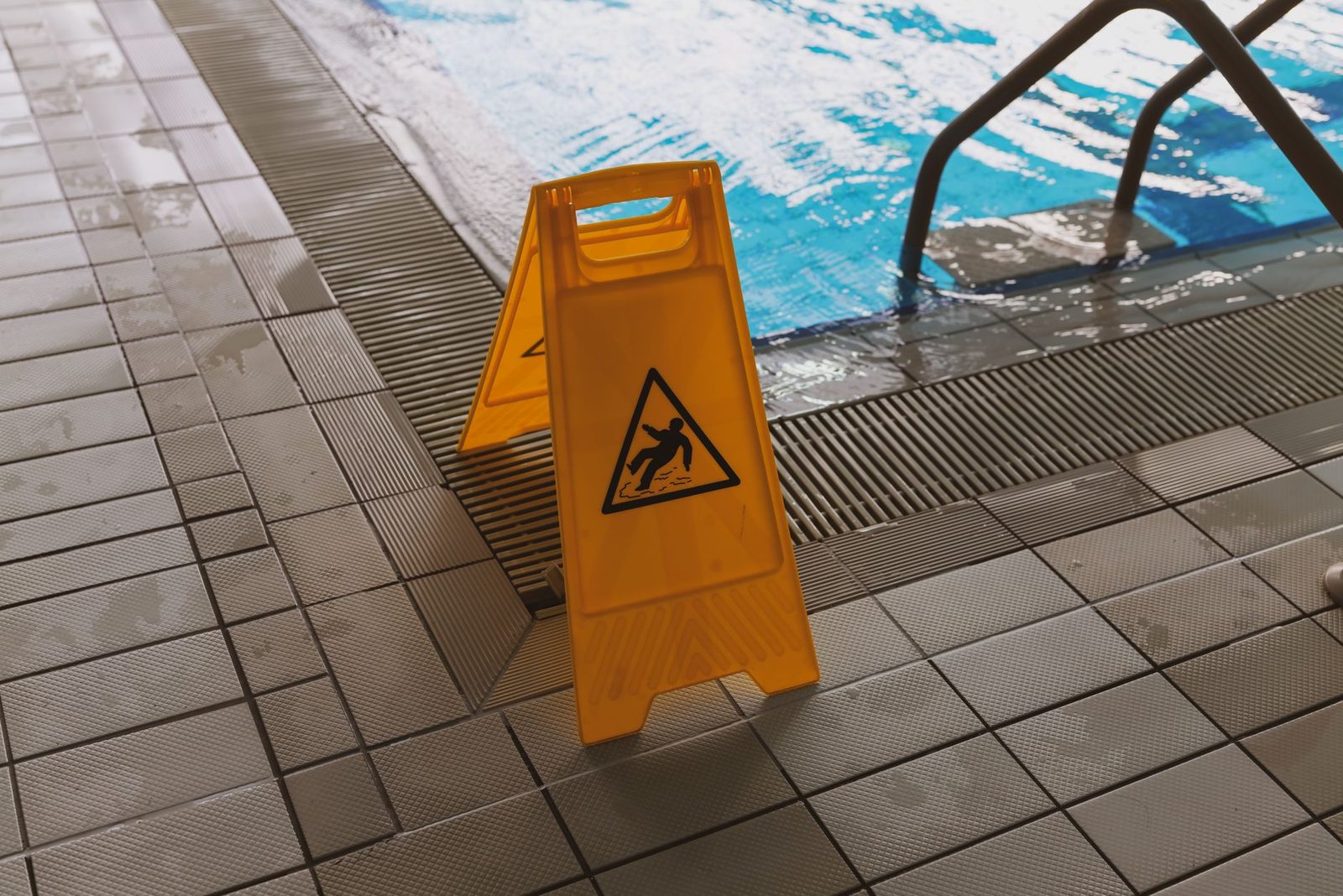
If you were injured on someone else's property due to negligence, you may have the right to pursue a claim. Talk it through with our team — the first consultation is free, confidential, and carries no obligation.
What “Slip and Fall” Actually Means
A slip and fall is an accident in which you lose your footing on a surface and fall, resulting in injury. The term describes both the physical event and the legal claim that may follow.
It’s useful to understand the difference between a slip, a trip, and a fall—three terms often used interchangeably:
- Slip: Your foot loses traction on the surface beneath you (wet tile, spilled liquid, loose debris, waxed floor). Your feet slide out from under you, and you fall backward or sideways, often unable to catch yourself.
- Trip: Your foot catches on an object or uneven surface (a raised edge, a box left on the floor, a curb, a torn mat). You stumble forward, though you may or may not fall.
- Fall: The result of either a slip or a trip. You lose your balance and strike the ground.
In stores, slips are far more common than trips. Wet floors from mopping, spilled products, tracked-in rain, and waxed surfaces all create slip hazards. Stores are designed for high foot traffic, and even a moment of lost footing can send you to the ground with force.
Legally, a slip and fall is a premises liability claim—a request for compensation based on the property owner’s failure to maintain a safe environment. It’s not about whether you fell; it’s about whether someone else’s negligence (carelessness or failure to act) caused that fall and your injury.
What Happens to Your Body in a Slip and Fall
When you slip and fall in a store, your body hits a hard surface—tile, concrete, or a shelf—often without warning or time to brace for impact. The injuries that result can range from minor to severe and permanent.
Common injuries from store slip-and-fall accidents include:
- Broken bones: wrists (you instinctively throw out your hands to catch yourself), ankles, hips, arms, and ribs
- Head injuries: concussions, skull fractures, and traumatic brain injuries from striking the floor or a shelf
- Spinal injuries: damage to the vertebrae or discs in your neck or lower back, which can cause chronic pain or permanent nerve damage
- Soft-tissue damage: sprains, strains, and tears in muscles, ligaments, and tendons
- Back and neck injuries: ranging from acute muscle strain to disc herniation or more serious spinal cord damage
Critical fact: Many injuries don’t show up immediately. You might feel shaken but otherwise okay in the first hour or two after a fall, only to develop symptoms hours or days later. Internal bleeding, concussion symptoms (headache, dizziness, confusion), and spinal swelling can all appear gradually. This is why seeking medical attention right away—even if you “feel fine”—is essential.
Older adults and people with balance or mobility issues face higher risk of severe injury from the same fall. A slip that might cause a minor bruise in a younger person can result in a hip fracture or head injury in someone over 65, with life-altering consequences.
What Does Liability Mean?
Liability means the store owner is legally responsible for your injuries because they failed to keep the premises reasonably safe. But liability isn’t automatic just because you fell.
Store owners have a legal duty to:
- Inspect the floor regularly for hazards
- Clean up spills and debris promptly
- Warn customers of known hazards (wet floor signs, caution tape)
- Repair broken or uneven surfaces
- Maintain adequate lighting so customers can see where they’re walking
To prove the store is liable, you must show three things:
- Duty: The store had a responsibility to keep the floor safe (this is always true in a store).
- Breach: The store failed to do so—they knew or should have known about the hazard and didn’t fix it or warn you.
- Causation: That failure directly caused your fall and injury.
Real example: A grocery store mops the floor at 9 a.m. but doesn’t post a wet floor sign. A customer slips at 9:15 a.m. and breaks her wrist. The store breached its duty by failing to warn. If the customer can show she wouldn’t have walked across that wet floor had she seen a sign, causation is established—the store is liable.
Contrast: A customer in the same store spills a bottle of juice and walks away. Another customer slips in it five minutes later. If the store had no reasonable way to know about the spill, there’s no breach. The store can’t be held liable for every accident.
The store is not automatically liable just because you fell. You must prove negligence.
Florida’s Comparative-Fault Rule and Your Recovery
Under Florida Statute §768.81, Florida’s comparative-fault rule applies to slip and fall claims. If you were partly responsible for your fall—for example, you were running, not paying attention, or wearing inappropriate footwear—your recovery is reduced by your percentage of fault.
The critical threshold: You can still recover damages as long as you were not more than 50% at fault. If you’re found to be more than 50% responsible, you recover nothing.
Example: You slip on a wet floor the store failed to clean or warn about. But the store’s insurance company argues you should have been watching where you were walking. They assign you 30% fault and the store 70% fault. You’re still entitled to recover—but your compensation is reduced by 30%. If your claim is worth $10,000, you receive $7,000.
What Damages Can You Recover?
A slip and fall claim is a formal request for compensation (money damages) from the store’s insurance company or, if settlement negotiations fail, through a lawsuit.
Damages you may recover include:
- Medical bills: emergency room visit, X-rays, surgery, physical therapy, ongoing treatment
- Lost wages: income you missed while recovering or unable to work
- Pain and suffering: compensation for physical pain and emotional distress
- Permanent disability: if the injury causes long-term or permanent impairment
Not sure what your next step is?
Talk it through with our team — the first consultation is free, confidential, and carries no obligation.
First Steps After a Slip and Fall in a Store
If you’ve just fallen in a store, here’s what to do:
Immediately:
-
Seek medical attention. Even if you feel okay, get checked by a doctor or go to an urgent care clinic. Injuries like internal bleeding or concussion may not be obvious right away. Keep all medical records.
-
Report the incident to store management. Tell a manager or customer service representative what happened. Ask them to document the incident in an incident report, and request a copy. This creates an official record.
-
Take photos. If you can do so safely, photograph the hazard (wet floor, debris, broken tile, poor lighting) and the surrounding area. Photos are powerful evidence.
-
Collect witness information. If anyone saw you fall, get their name and phone number. Witness testimony can be crucial.
-
Document everything. Keep receipts from medical visits, records of time off work, and any communication with the store or its insurance company.
What NOT to do:
- Don’t post about the accident on social media. Insurance companies monitor these posts and may use them against you.
- Don’t discuss fault or accept blame with store staff or their insurance adjuster. Anything you say can be used to reduce your claim.
- Don’t sign anything the store offers you without understanding what it says. Don’t accept a quick cash settlement without legal advice—you may be giving up your right to pursue a larger claim later.
How Long Do You Have to File a Claim?
Under Florida Statute §95.11(4)(a), you generally have two years from the date of your injury to file a lawsuit. This deadline is strict. If you miss it, you lose your right to pursue a claim, regardless of how strong your case is.
Don’t wait. Contact an attorney early to protect your rights and preserve evidence.
Is It Worth Pursuing a Claim?
Whether a claim is worth pursuing depends on several factors:
- Injury severity: Minor injuries with low medical bills may not justify the time and cost of pursuing a claim. Serious injuries—broken bones, head injuries, spinal damage, permanent disability—often do.
- Medical costs and lost income: Add up your medical bills, time off work, and ongoing treatment. If the total is substantial, a claim is more likely to be worthwhile.
- Strength of evidence: How clear is it that the store was negligent? Do you have witnesses? Photos? An incident report? Strong evidence makes a claim more valuable.
- Insurance coverage: Does the store have adequate insurance? If not, even a strong claim may yield little recovery.
An attorney can evaluate your situation, review the evidence, and advise whether pursuing a claim makes financial and practical sense for you.
What to Do Right Now
If you’re reading this because you or someone you care for has recently fallen in a store:
Your health comes first. Seek medical care if you haven’t already, even if you feel okay. Document your injuries and follow your doctor’s advice.
Gather evidence. Take photos of the hazard and the scene. Get the names of witnesses. Request an incident report from the store. Keep all medical records and receipts.
Avoid common mistakes. Don’t post about the accident online. Don’t talk to the store’s insurance company without understanding your rights. Don’t accept a settlement without legal guidance.
Consider speaking with an attorney. A personal injury lawyer who handles slip and fall claims can review your situation, explain your options, and advise whether you have a viable claim and what it might be worth.
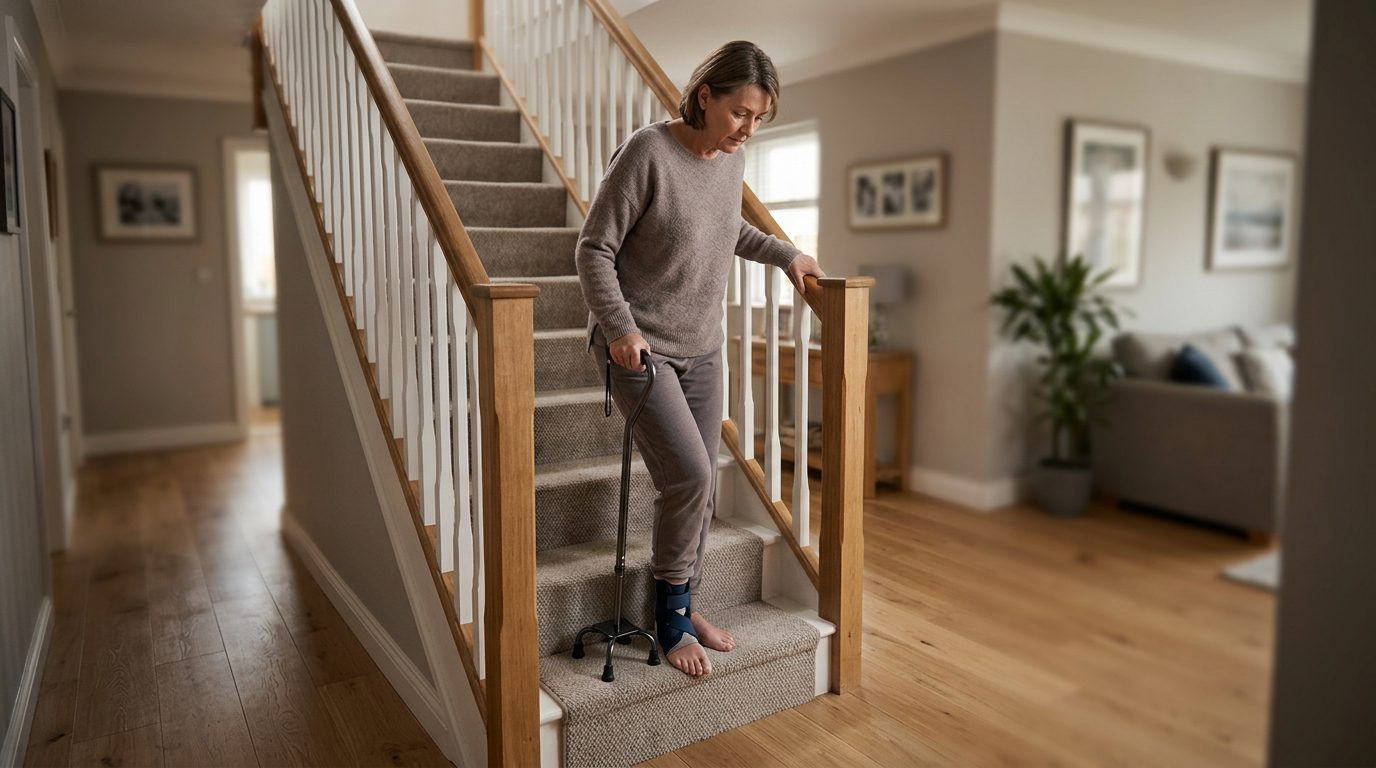
Have questions about what happened?
Ask our team directly. The first conversation is free, confidential, and there is no obligation to continue.
Frequently Asked Questions
What’s the difference between a slip and a trip?
A slip occurs when your foot loses traction on a surface and slides; a trip occurs when your foot catches on an object or uneven surface. Both can result in a fall and injury, but they have different causes and may affect how liability is determined.
Can I sue a store if I slip and fall on their property?
You may have a claim if you can prove the store knew or should have known about the hazard, failed to fix it or warn you, and that failure caused your injury. Not every fall results in a viable claim.
What if I was partly at fault for the fall?
Florida’s comparative-fault rule allows you to recover damages even if you were partly responsible, as long as you were not more than 50% at fault. Your recovery is reduced by your percentage of fault.
If you’ve recently slipped and fallen in a store and are uncertain whether the store bears responsibility, or if you’re still recovering and unsure what steps to take next, we encourage you to reach out. People in your exact situation—injured, confused about their options, and wondering whether they have a claim—contact our team regularly to discuss what happened and explore their options.
Slip vs. Trip: What's the Difference?
A Slip
Your foot loses traction on a surface and slides out from under you. Common causes include wet floors, spilled liquids, loose rugs, or icy walkways. The property owner may be liable if they failed to clean up, warn visitors, or maintain safe conditions.
A Trip
Your foot catches on an object or uneven surface—a crack in pavement, a raised threshold, debris, or a pothole. Liability depends on whether the hazard was obvious, how long it existed, and whether the property owner should have fixed or warned about it.
Either Way, You Can Be Injured
Both slips and trips can cause serious harm: broken bones, head injuries, spinal injuries, or worse. If the property owner's negligence caused your fall, you may have grounds for a claim—even if the accident seemed minor at first.
When Is a Property Owner Liable?
They Knew (or Should Have Known)
The owner knew about the hazard—a spill, broken step, or poor lighting—or should have discovered it through reasonable inspection and maintenance.
They Had Time to Fix It
The dangerous condition existed long enough that a reasonable property owner would have repaired it, cleaned it up, or warned visitors.
They Failed to Act
The owner did not take reasonable steps to fix the hazard, warn you, or keep the area safe—and that failure caused your fall and injury.
You Were a Lawful Visitor
You had permission to be on the property (as a customer, tenant, guest, or invitee). Trespassers have fewer protections, but the law still applies in most cases.
Don't Wait to Report Your Injury
If you fell on someone else's property, report the incident to the owner or manager in writing as soon as possible. Take photos of the hazard, get witness names and contact information, and seek medical care even if you feel okay. Injuries can worsen, and early documentation strengthens your claim.
Common Slip-and-Fall Scenarios
Retail Stores & Supermarkets
Spilled products, wet floors, or debris left unattended in aisles. Stores have a duty to inspect regularly and clean up hazards promptly or post warning signs.
Apartment Complexes & Rental Properties
Cracked walkways, broken stairs, poor lighting, or icy entrances. Landlords and property managers must maintain common areas in safe condition.
Restaurants & Bars
Spilled food or drinks, grease on kitchen floors, or wet entryways. Hospitality businesses must keep dining and service areas clean and safe.
Parking Lots & Garages
Potholes, broken pavement, ice, or inadequate lighting. Property owners must repair surfaces and maintain visibility to prevent falls and injuries.
Hotels & Motels
Wet bathroom floors, broken railings, or hazards in hallways and common areas. Hotels owe guests a duty to maintain safe premises.
Sidewalks & Public Spaces
Uneven concrete, tree roots, or debris. Property owners and municipalities may be liable depending on local law and maintenance responsibilities.
What to Do After a Slip and Fall
Document Everything
Take photos and video of the hazard, your injuries, and the scene. Write down what happened, the date, time, and weather. Keep all medical records and receipts.
Get Witness Information
Ask anyone who saw the fall for their name, phone number, and email. Witnesses strengthen your account of what happened.
Report the Incident
Tell the property owner or manager in writing. Ask for a copy of any incident report. Do not sign anything or admit fault.
Seek Medical Care
See a doctor even if you feel fine. Some injuries appear hours or days later. Medical records link your injury to the fall.
Questions About Your Slip and Fall?
Every situation is different. Whether your fall happened last week or months ago, we can review what happened and explain your options—at no cost to you. We work on a contingency basis: no fees unless there is a recovery.