

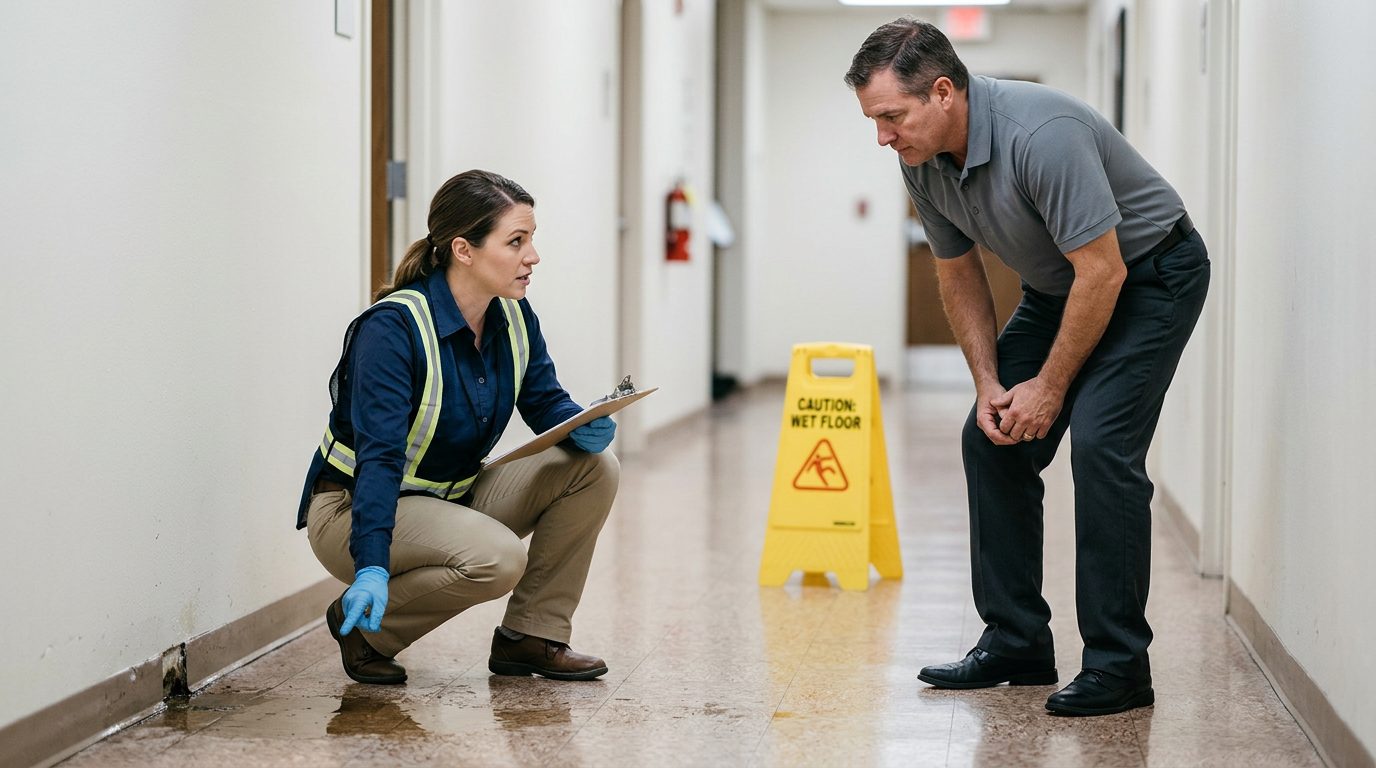
Slip and Fall Claims
Slip and Fall on Ice: Know Your Rights in Florida
If you were injured on someone else's icy or snow-covered property, the owner may be liable. We help injured people recover fair compensation.
By CHG Lawyers · Published September 30, 2026
Slip and Fall on Ice: Florida Claims & Settlements
You can recover compensation for a slip and fall on ice if the property owner failed to keep the property safe or warn you of hazards. The amount depends on your injury, medical costs, lost income, and how clear the owner’s negligence was.

If you were injured on someone else's icy or snow-covered property, the owner may be liable. Talk it through with our team — the first consultation is free, confidential, and carries no obligation.
What Is a Slip and Fall on Ice or Wet Surfaces?
A slip and fall on ice or wet surfaces happens when you lose your footing on a slippery surface—ice, snow, water, or other hazardous material—on someone else’s property. These accidents occur in parking lots, sidewalks, apartment complexes, retail stores, restaurants, hotels, office buildings, and garages.
Common injuries include broken bones, head injuries, spinal cord damage, soft-tissue injuries, and torn ligaments. Many of these falls are preventable. When a property owner knows (or should know) about ice or water and fails to remove it, salt it, sand it, or post a warning sign, they may be legally responsible for your injury.
Can I Get Compensation for Slipping on Ice?
Yes—if the property owner was negligent. Property owners in Florida have a legal duty to keep their premises reasonably safe for visitors. This duty includes removing or warning about ice and snow, or taking other steps to prevent slips and falls.
Your right to compensation depends on whether the owner breached that duty and caused your injury. Simply slipping and falling is not enough; you must show that the owner’s failure to act created the hazard that harmed you.
When Can I Sue if I Slip and Fall on Ice?
You can sue if the property owner knew (or reasonably should have known) about the ice or wet surface, had time to fix it, and failed to do so. Florida law requires property owners to maintain their premises in a reasonably safe condition.
Historically, some states protected property owners under a “natural accumulation” rule—the idea that owners weren’t liable for naturally occurring snow and ice. Florida courts have significantly narrowed this exception. Today, property owners cannot simply claim “it’s winter” as a blanket defense. They must still take reasonable steps to maintain safe conditions or warn visitors of hazards.
To win your claim, you must prove the owner’s negligence caused your injury—not just that you fell.
What Damages Can I Recover in a Slip and Fall Settlement?
Slip and fall settlements typically cover several categories of damages:
- Medical expenses: emergency care, hospitalization, surgery, physical therapy, and ongoing treatment
- Lost wages: income you lost while recovering or unable to work
- Pain and suffering: compensation for physical pain, emotional distress, and reduced quality of life
- Permanent disability or disfigurement: if the injury causes lasting impairment or changes to your appearance
- Future medical care: anticipated treatment and rehabilitation costs
- Punitive damages: in rare cases where the owner’s conduct was reckless or intentional
What Is the Typical Payout for a Slip and Fall?
Settlement amounts vary widely based on injury severity, medical costs, lost income, and how strong the liability case is. Each case is unique, but here are realistic ranges:
- Minor injuries (sprains, minor fractures): $1,000–$15,000
- Moderate injuries (significant fractures, soft-tissue damage, short-term lost work): $15,000–$100,000
- Severe injuries (head trauma, spinal cord injury, permanent disability, long-term care): $100,000–$500,000 or more
Your specific settlement depends on your facts, not a formula. A slip on ice that breaks your wrist is worth less than one that causes a spinal cord injury requiring lifelong care.
Is It Worth Suing for a Slip and Fall?
Yes, if you have a strong liability case and significant damages. Consider whether your medical bills and lost income are substantial, whether the property owner was clearly negligent, and whether they carry liability insurance.
Most slip-and-fall claims settle through the property owner’s liability insurance without going to trial. An attorney can evaluate your case and advise whether pursuing a claim makes financial sense.
If you've slipped on ice or a wet surface and been injured, you may have a claim against the property owner. Talk it through with our team — the first consultation is free, confidential, and carries no obligation.
How Do Slip and Fall on Ice Settlements Work?
The process typically follows these steps:
-
Investigation: We gather evidence—photos of the hazardous condition, weather records, maintenance records, witness statements, and your medical documentation.
-
Demand letter: We document your injuries and damages in detail, then send a formal demand to the property owner’s insurance company.
-
Negotiation: The insurer may respond with a settlement offer. We negotiate on your behalf to maximize your recovery.
-
Settlement agreement: If both sides agree, you sign a release and receive payment, usually within 30–60 days.
-
Trial: If no settlement is reached, the case may proceed to court, where a judge or jury decides liability and damages.
Most claims settle before trial, which speeds resolution and reduces stress.
What Evidence Do We Need to Prove Your Claim?
Strong evidence is critical. We will gather:
- Photos or video of the ice, water, or hazardous condition
- Weather records showing when the ice or snow accumulated
- Property maintenance records (or evidence the owner kept none)
- Medical records documenting your injury and treatment
- Witness statements from people who saw the hazard or your fall
- Your own detailed account of what happened and how the injury has affected your life
The more evidence we have, the stronger your negotiating position.
How Long Does a Slip and Fall Claim Take?
Timeline depends on injury severity and liability clarity:
- Simple cases with clear liability and minor injuries: 3–6 months to settlement
- Moderate cases with significant injuries: 6–12 months
- Complex cases or those going to trial: 1–3 years or longer
Most slip-and-fall claims settle before trial, which accelerates resolution.
What If I Was Partially at Fault?
Florida uses modified comparative negligence, which means shared fault. You can still recover even if you were partly responsible for the fall.
Your recovery is reduced by your percentage of fault. For example, if you were 20% at fault, you recover 80% of your damages. However, if you are found more than 50% at fault, you generally recover nothing under Fla. Stat. §768.81(6).
Example: You were wearing inappropriate footwear, but the property owner failed to salt an icy parking lot. Both parties may share blame. We will defend your case against claims that you were careless.
How Much Time Do I Have to File a Claim?
Under Fla. Stat. §95.11(4)(a), most Florida negligence and personal-injury claims must be filed within two years of the injury (for claims arising on or after March 24, 2023). Claims that arose before that date generally had four years.
Do not wait. Contact us as soon as possible to protect your rights.
Frequently Asked Questions
Do I need to report the fall to the property owner right away?
Yes, if possible. Written notice (email, incident report) creates a record and strengthens your claim.
What if I signed a waiver at the property?
Waivers often do not protect property owners from their own negligence, especially in Florida. We can review yours.
Will my case go to trial?
Most settle, but we prepare every case for trial to maximize your negotiating position.
How much does it cost to hire you?
We work on contingency—you pay nothing unless we recover compensation for you.
Can I still file a claim if I waited weeks to see a doctor?
Yes, but delays can complicate your case. Seek medical care as soon as possible and contact us promptly.
Not sure what your next step is?
Talk it through with our team — the first consultation is free, confidential, and carries no obligation.
Why Choose CHG Personal Injury Lawyers for Your Slip and Fall Claim?
We focus exclusively on personal injury claims, including slip-and-fall cases across Florida and nationwide. Here’s what sets us apart:
- Thorough investigation: We gather photos, weather data, maintenance records, and witness statements to build a strong case.
- Aggressive negotiation: We have recovered substantial settlements by negotiating firmly with insurance companies.
- No upfront cost: We work on contingency; you pay nothing unless we win.
- Compassionate advocacy: We understand the physical and financial toll of an injury and fight to get you the compensation you deserve.
- Licensed attorneys: Our team is admitted to the Florida Bar and handles cases with the experience and care your situation demands.

Next Steps: Get Your Free Case Evaluation
If you’ve slipped on ice or a wet surface and been injured, you may have a claim against the property owner. Many people in your situation reach out to discuss what happened and what it might be worth. Contact us today for a free, confidential consultation. We will review the details of your fall, answer your questions, and explain your options—with no obligation.
Why Property Owners Can Be Held Responsible
Duty of Care
Property owners have a legal obligation to maintain safe conditions for visitors. That includes removing or warning about ice and snow hazards.
Negligence
If an owner knew—or should have known—about dangerous ice and did nothing to fix it or warn you, they may be negligent and liable for your injuries.
Documentation Matters
Photos of the hazard, witness statements, and incident reports strengthen your claim. Report the fall to the property owner in writing if you can.
Common Questions About Ice and Snow Fall Claims
Do I need to report the fall right away?
Yes, if possible. Written notice—an email or incident report to the property owner—creates a record and strengthens your claim. Keep a copy for your records.
What if I signed a waiver?
Waivers often do not protect property owners from their own negligence, especially in Florida. We can review yours and explain your options.
What if the fall happened on a public sidewalk?
Public property claims are governed by different rules. We can evaluate whether a municipality or government entity may be liable for failing to clear ice or maintain safe conditions.
How long do I have to file a claim?
Time limits apply. Contact us promptly so we can protect your rights and gather evidence while details are fresh and the scene is still available.
Act Quickly—Evidence Fades
Ice melts, snow is cleared, and witnesses move on. The sooner you document the hazard with photos and gather statements, the stronger your claim. Don't wait to reach out.
What We Do for Slip and Fall Victims
Free Case Review
We listen to what happened, review the facts, and explain whether you have a claim—with no obligation.
Evidence Gathering
We collect photos, incident reports, maintenance records, and witness statements to build a strong case.
Negotiation & Settlement
We handle all communication with the property owner's insurance company and fight for fair compensation on your behalf.
Compassionate Guidance
We understand how a slip and fall can disrupt your life. We're here to answer your questions and keep you informed every step of the way.