

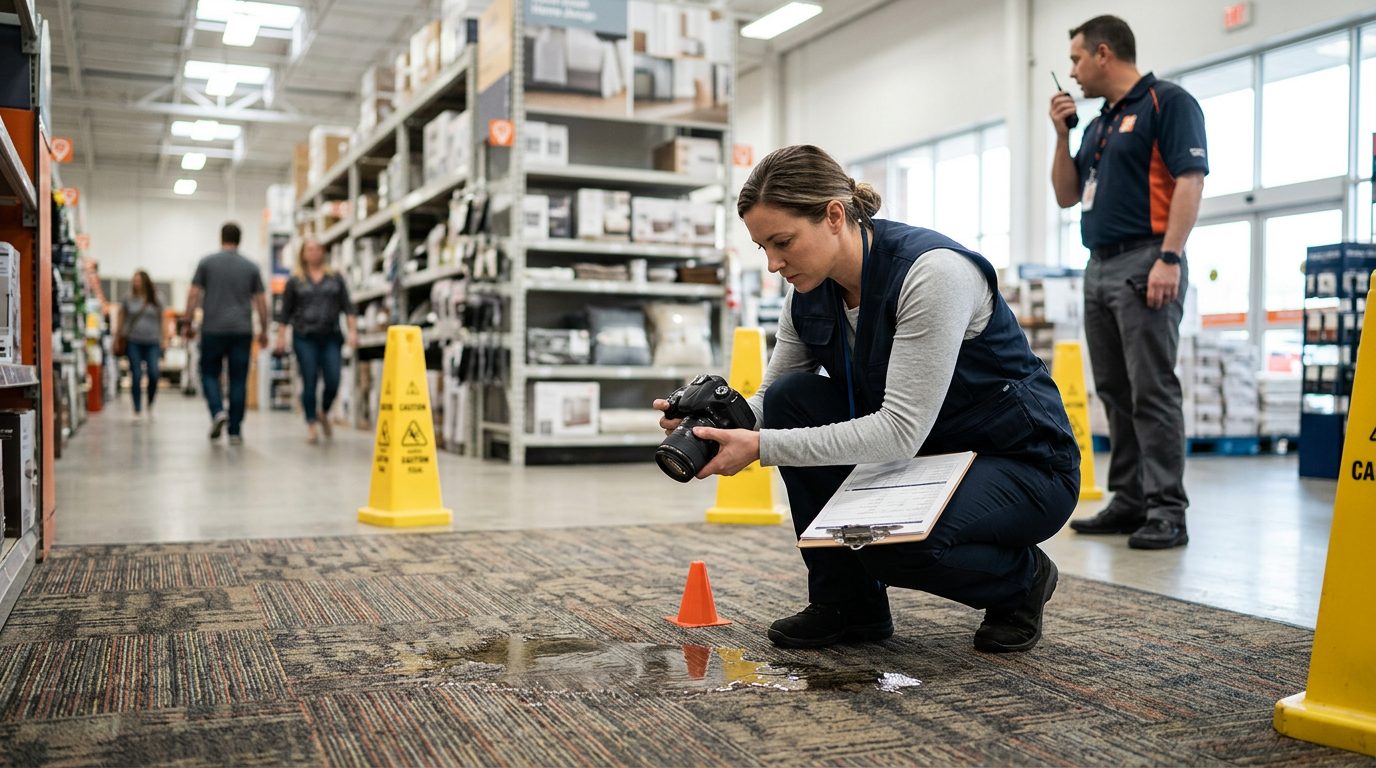
Hotel Slip and Fall
Injured in a Fall at a Hotel? You May Have a Claim
Hotels have a legal duty to keep their premises safe. If you were hurt because they failed to do so, we can help you understand your rights.
By CHG Lawyers · Published September 30, 2026
Slip and Fall at a Hotel or Motel in Florida: Your Rights as a Guest
If you’ve slipped and fallen at a hotel or motel in Florida, the property owner may be legally responsible. Hotels and motels have a legal duty to keep their premises reasonably safe for guests. When they fail, you may have a premises liability claim for damages.
This guide explains when a hotel is liable for a slip-and-fall injury, what you must prove, what to do immediately after an accident, and why talking to a lawyer early protects your rights.

If you were hurt because they failed to do so, we can help you understand your rights. Talk it through with our team — the first consultation is free, confidential, and carries no obligation.
When Is a Hotel or Motel Responsible for Your Slip and Fall?
A hotel is liable for your slip-and-fall injury if it knew (or should have known) about a hazard and failed to fix it or warn you. Hotels and motels must maintain reasonably safe premises for guests. This duty includes fixing hazards, cleaning spills and debris promptly, maintaining floors and walkways, and warning guests of known dangers.
The key question is simple: did the hotel breach its duty of care, and did that breach cause your injury?
Consider these real-world examples:
- A wet floor from a burst pipe in a hallway that staff had not yet cleaned or marked with a caution sign.
- A broken stair or loose handrail that the hotel had been meaning to repair for weeks.
- Poor lighting in a parking lot or stairwell that made a trip hazard invisible.
- A spilled drink in the lobby left unattended for hours while guests walked through.
In each case, the hotel knew (or should have known) about the hazard and failed to act. That failure creates liability.
Common Slip-and-Fall Hazards at Hotels and Motels
Hotels are busy places, and hazards appear quickly. Common slip-and-fall risks include:
- Wet or slippery floors in bathrooms, hallways, lobbies, pools, and restaurants
- Spilled food, drinks, or other liquids left unattended
- Broken or uneven flooring, cracked tiles, or worn carpeting
- Loose or damaged handrails and stair treads
- Poor lighting in hallways, stairwells, parking lots, or outdoor areas
- Unsecured rugs or mats that shift underfoot
- Debris, clutter, or obstacles in walkways
- Icy or snow-covered outdoor walkways and parking areas in winter
The longer a hazard exists without being addressed, the stronger your claim that the hotel should have known about it and fixed it.
What You Must Prove in a Slip-and-Fall Claim
To win a slip-and-fall claim, you must prove four things:
- The hotel owed you a duty of care. You were a guest on its property—so yes, it did.
- The hotel breached that duty by failing to maintain safe conditions or warn you of a known hazard.
- You slipped, fell, or were injured as a direct result of that breach.
- You suffered actual damages: medical bills, lost wages, pain and suffering, or other losses.
There’s also a fifth element: the hotel’s negligence, not your own carelessness, must have caused the injury. If you were not paying attention or ignored a clear warning sign, the hotel may argue you were partly at fault.
The Hotel’s Defenses: What They May Claim
Hotels and their insurance companies will not simply admit fault. They will raise defenses. Understanding these defenses helps you see why evidence matters:
- The hazard was “open and obvious.” The hotel may argue you should have seen and avoided it. This defense fails if the hazard was genuinely hidden—for example, a wet floor with no warning sign.
- You were careless. The hotel may claim you were not watching where you were going. Documenting exactly what caused your fall is critical.
- The hotel had no knowledge. The hotel may argue it had no reason to know about the hazard. If the hazard existed for days or weeks, this defense is weak.
- A warning sign was posted. The hotel may point to caution tape or a sign as proof it warned you. If the sign was small, poorly placed, or hard to see, this defense may fail.
- The hazard existed only briefly. The hotel may claim it had no time to address it. If the hazard was there for hours or longer, this defense is unlikely to succeed.
These defenses do not always work, especially if the hazard was genuinely hidden or the hotel had been negligent for a long time.
What to Do Immediately After a Slip and Fall at a Hotel
The steps you take in the first hours and days after your fall can make or break your claim. Here’s what to do:
Seek medical attention right away. Even if you feel only minor pain, see a doctor. Some injuries worsen over hours or days. A medical record created on the day of your injury is powerful evidence.
Report the incident to the hotel in writing. Do not rely on a verbal report alone. Ask for a written incident report, or send an email to the manager describing what happened, where, and when. Keep a copy for your records.
Take photographs before the hazard is cleaned up or repaired. Photograph the wet floor, the broken step, the poor lighting, the spilled liquid—whatever caused your fall. Also photograph your injuries and any visible damage to your clothing.
Get the names and contact information of any witnesses who saw you fall or saw the hazard. Witness statements are valuable evidence.
Keep all receipts and records related to your medical treatment: bills, prescriptions, doctor’s notes, and therapy records.
Do not sign any document the hotel offers without understanding what it says. Some waivers or releases can harm your claim.
Do not post details about your injury on social media. The hotel’s insurance company may use your posts against you.
Not sure what your next step is?
Talk it through with our team — the first consultation is free, confidential, and carries no obligation.
Comparative Negligence: How Your Own Actions Affect Your Slip-and-Fall Claim
Under Fla. Stat. §768.81, if you are 50% or less at fault, you can still recover damages—but your award is reduced by your percentage of fault. If you are more than 50% at fault, you cannot recover anything.
Here’s a concrete example: The hotel failed to clean a spill in the hallway (80% at fault), but you were texting and not watching your step (20% at fault). You could recover 80% of your damages. If you were 60% at fault and the hotel 40%, you would recover nothing.
Documenting the hazard and the exact circumstances of your fall is critical. It helps prove how much fault belongs to the hotel and how much (if any) belongs to you.
How Long Do You Have to File a Slip-and-Fall Claim?
In Florida, the statute of limitations for a personal-injury claim is generally two years from the date of your injury. Under Fla. Stat. §95.11, this means you have two years to file a lawsuit. If you wait longer, you lose the right to sue.
But do not wait. Evidence disappears fast. Video footage is recorded over or deleted. Maintenance records are destroyed. Memories fade. Witnesses move away. The sooner you contact a lawyer, the sooner they can preserve evidence and begin investigating your claim.
Medical Treatment and Documentation
Your medical records are the foundation of your claim. They prove the injury, its severity, and its connection to the fall.
Seek prompt medical care and follow your doctor’s treatment plan completely. Keep detailed records of all medical visits, tests, medications, and therapy. If your injury requires ongoing treatment or causes lasting pain or disability, document this over time.
Do not delay treatment or skip appointments. Gaps in your medical record can weaken your claim. The hotel’s insurance company will argue that if you were truly injured, you would have sought treatment sooner or more consistently.
Settlement and Litigation
Many slip-and-fall claims are settled before trial through negotiation with the hotel’s insurance company. A settlement is a one-time payment in exchange for your agreement not to sue. Settlements often resolve cases faster and with less uncertainty than trial.
If a fair settlement cannot be reached, your case may go to trial, where a judge or jury decides liability and damages. The timeline varies: some cases resolve in months, others take a year or more. An attorney can advise you on whether a settlement offer is fair or whether pursuing litigation is in your best interest.
Have questions about what happened?
Ask our team directly. The first conversation is free, confidential, and there is no obligation to continue.
Why You Should Talk to a Lawyer
The hotel’s insurance company will have lawyers working to minimize or deny your claim. You need someone on your side who understands premises-liability law and knows how to build a strong case.
A lawyer can investigate the incident, gather evidence, interview witnesses, and negotiate with the insurance company. Most personal-injury lawyers work on contingency, meaning you pay nothing unless you win or settle your case. An early contact with a lawyer can clarify your rights and help you avoid costly mistakes.

Frequently Asked Questions
What is premises liability?
Premises liability is the legal responsibility of a property owner to keep their property reasonably safe for guests and visitors. Hotels owe guests a duty to maintain safe conditions and warn of known hazards.
How do I know if the hotel’s defense will work?
The strength of the hotel’s defense depends on the specific facts: how long the hazard existed, how visible it was, whether warnings were posted, and whether you were paying attention. A lawyer can evaluate these factors for your case.
Should I accept the first settlement offer?
Not necessarily. Insurance companies often start with low offers. A lawyer can help you understand whether an offer is fair and whether negotiating for more is likely to succeed.
What if I cannot afford a lawyer?
Most personal-injury lawyers work on contingency. You pay nothing upfront, and the lawyer takes a percentage of your settlement or award if you win. This removes the cost barrier.
If you’ve slipped and fallen at a hotel or motel in Florida and aren’t sure whether the property owner is responsible for your injury, reach out to discuss your situation. People in your position contact us regularly to understand their rights and explore their options.
What Makes a Hotel Liable for Your Fall
The Hotel's Duty to You
Hotels are legally required to maintain their premises in a reasonably safe condition for guests. This includes keeping floors dry, fixing broken stairs, maintaining handrails, ensuring adequate lighting, and promptly cleaning up spills or debris.
How Negligence Leads to Liability
A hotel may be liable if they knew—or should have known—about a hazard and failed to fix it, warn you about it, or clean it up within a reasonable time. This is called negligence.
Common Hotel Fall Hazards
Wet bathroom floors without warning signs, loose or broken handrails, poor lighting in hallways or stairwells, torn carpet, uneven flooring, ice on exterior walkways, and cluttered pathways are typical conditions that lead to falls.
Your Responsibility as a Guest
You are expected to use reasonable care—watching where you walk, using handrails, and reporting hazards to staff. However, this does not excuse the hotel from maintaining safe conditions or warning of known dangers.
Act Quickly After Your Fall
Report the incident to hotel management immediately and ask them to document it. Take photos of the hazard, get contact information from witnesses, and seek medical attention even if you feel okay. Time matters in these cases.
Steps to Take After a Hotel Fall
Report to the Hotel
Notify hotel management or staff immediately. Ask them to file an incident report and provide you with a copy. Be specific about what caused your fall and where it happened.
Document Everything
Take photos and video of the hazard, the scene, and your injuries. Note the date, time, weather conditions, and lighting. Write down what happened while it's fresh in your memory.
Gather Witness Information
Get the names and contact details of anyone who saw your fall. Their statements may be important later. Also collect the names of hotel staff members you spoke with.
Seek Medical Care
See a doctor or go to an urgent care facility, even if your injuries seem minor. Medical records create an important link between the fall and your injuries.
Why Hotel Slip-and-Fall Claims Matter
Hotels Have a Legal Duty
Property owners—including hotels—must maintain safe premises. When they fail, they can be held responsible for injuries that result.
You May Recover Damages
If the hotel was negligent, you may be entitled to compensation for medical bills, lost wages, pain and suffering, and other losses caused by your injury.
Time-Sensitive Evidence
The longer you wait, the harder it becomes to preserve evidence. Hazards may be fixed, witnesses may move away, and memories fade. Early action protects your claim.
Understanding Comparative Fault
Even if you were partly at fault, you may still have a claim. Florida law allows recovery even when you share some responsibility, though your award may be reduced accordingly.
Common Questions About Hotel Fall Claims
What if I was wearing inappropriate shoes?
Your choice of footwear does not excuse the hotel from maintaining safe conditions. However, it may be considered when determining fault. The hotel's primary duty remains keeping the premises safe.
What if I didn't report the fall right away?
Delayed reporting can complicate your claim, but it does not necessarily eliminate it. Report it as soon as you can. If you were injured and unable to report immediately, that is understandable and can be explained.
Does the hotel's insurance cover my injuries?
Most hotels carry liability insurance. However, you do not deal with their insurance directly—that is handled through the legal process. An attorney can help navigate this for you.
How much is my claim worth?
The value depends on the severity of your injuries, medical costs, lost income, and other factors. An attorney can evaluate your specific situation and discuss what your claim may be worth.
We Focus Exclusively on Personal Injury Claims
Related practice areas
- Tetraplegia vs. Paraplegia: Key Differences Explained