

Slip and Fall | Florida
Slip and Fall Settlements Without Surgery in Florida
You don't need to undergo surgery to have a valid claim. Many slip-and-fall injuries settle fairly when you have the right legal representation.
By CHG Lawyers · Published September 29, 2026
Slip and Fall Settlements Without Surgery in Florida: What Your Claim Is Worth
You can settle a slip-and-fall claim without surgery. Most people do. Surgery is not required for a valid claim or fair compensation. The vast majority of slip-and-fall injuries heal with physical therapy, rest, medication, and medical imaging. Your claim’s real value depends on your medical evidence, lost income, injury severity, and how clear the property owner’s liability is—not on whether you had surgery.
If you slipped and fell on someone else’s property and were injured, you deserve to know what your claim might be worth. This guide explains how Florida settlements are calculated, what realistic ranges look like, and what factors matter most.

If you slipped and fell on someone else's property and were injured, you deserve to know what your claim might be worth. Talk it through with our team — the first consultation is free, confidential, and carries no obligation.
Can You Settle a Slip and Fall Claim Without Surgery?
Yes, absolutely. Most slip-and-fall injuries never require surgery. They settle for fair compensation regularly.
Conservative treatment is the standard approach for many slip-and-fall injuries. This includes:
- Physical therapy
- Rest and time to heal
- Anti-inflammatory medication
- Bracing or support
- Imaging studies (X-rays or MRI scans)
These injuries are real. They cause genuine pain and lost time. Florida law fully compensates them.
Surgery is not a requirement for a valid claim. The real question is: Did the property owner fail to maintain a safe environment or warn you about a known hazard? If yes, you have a claim—regardless of your treatment path.
What Is the Average Settlement Amount for a Slip and Fall in Florida?
Settlement amounts vary widely. Here is a realistic framework based on injury severity:
Minor injuries (sprains, minor fractures, soft-tissue damage with no lasting effects): typically $5,000–$25,000
Moderate injuries (significant fractures, prolonged physical therapy, ongoing pain, some loss of function): typically $25,000–$100,000
Serious injuries (permanent impairment, chronic pain, major lost wages, significant medical costs): $100,000 and above
These are general guides, not promises. Your actual settlement depends on:
- How clear the property owner’s liability is
- The quality of your medical evidence
- How much income you lost
- Whether your injury is permanent
- The defendant’s insurance policy limits
In the catastrophic-injury cases our attorneys handle, even conservative-treatment injuries can settle for substantial amounts. This happens when medical evidence is clear, liability is strong, and lost wages and ongoing pain are well documented.
How Is a Slip and Fall Settlement Calculated?
Settlement value comes from two main categories of damages:
Economic damages are concrete costs you incurred:
- Medical bills (emergency room, urgent care, doctor visits, physical therapy)
- Imaging studies
- Prescription medications
- Lost wages
- Future medical care you’ll need
Non-economic damages compensate you for:
- Pain and suffering
- Loss of enjoyment of life
- Emotional distress
- Impact on your daily activities
These are harder to measure but are just as real.
Liability also matters. How clear is the property owner’s fault? Did they know (or should they have known) about the hazard? How long had it existed? Did they fail to fix it or warn you? The stronger your liability case, the higher your settlement.
Comparative fault affects your recovery. Under Fla. Stat. §768.81, Florida follows modified comparative negligence. If you were partly at fault, your recovery is reduced by your percentage of fault.
Example: You were 20% at fault and your claim is worth $50,000. You recover $40,000. If you are found more than 50% at fault, you recover nothing.
Insurance policy limits set a ceiling on recovery. If the defendant’s liability insurance has a $100,000 limit, that is the maximum you can recover from that policy, regardless of your damages.
Quality of evidence strengthens your settlement position:
- Medical records
- Witness statements
- Photos of the hazard
- Maintenance records
- Your detailed account of what happened
Does MRI Increase Settlement?
Medical imaging like MRI, X-ray, or CT scan can strengthen your claim—but not always in the way people expect.
Imaging is valuable because it provides objective evidence of your injury. Instead of relying only on your description of pain, a doctor can point to the scan and say, “Here is the damage.” This makes your injury harder to dispute.
However, imaging alone does not always lead to a higher settlement. What matters is whether the imaging shows a real injury that explains your symptoms and treatment.
A negative MRI (no abnormality found) does not kill your claim if your symptoms and treatment history are convincing.
Conservative treatment with clear imaging evidence can be just as valuable as surgery with imaging. A herniated disc shown on MRI, treated with physical therapy and rest, is a legitimate injury. You do not need an operation to prove it.
Lack of imaging does not automatically doom your claim either. Some injuries—soft-tissue sprains, for example—may not show up on imaging but are still real and recoverable. However, without imaging, proving your injury becomes harder. Insurers may offer less because the evidence is less objective.
What Is a Good Settlement Offer for a Slip and Fall?
A good settlement offer covers all your documented medical expenses, your lost wages, and reasonable compensation for pain and suffering.
To evaluate an offer, ask yourself:
- Does it cover all my medical bills and ongoing care?
- Does it include my lost wages?
- Does it account for the severity and permanence of my injury?
- Can I return to normal activities, or is pain ongoing?
- Will I need future treatment?
- How does it compare to similar cases?
Do not accept the first offer. Insurers typically start low. They know many injured people are desperate and unfamiliar with claim value.
If the offer feels too low or you are unsure, do not sign anything without guidance. Once you settle, you cannot reopen the case if your injury worsens or new costs arise.
Not sure what your next step is?
Talk it through with our team — the first consultation is free, confidential, and carries no obligation.
How Hard Is It to Win a Slip and Fall Case?
Slip-and-fall cases are winnable, but you must prove negligence. You must show three things:
-
The property owner knew (or should have known) about the hazard. Did they create it? Had it been there a long time? Should routine maintenance have caught it?
-
They failed to fix it or warn you about it. Did they do nothing? Was there no warning sign? Was the warning inadequate?
-
That failure caused your injury. Your fall and injury directly resulted from the hazard.
Common hazards include wet floors, broken stairs, poor lighting, debris, uneven surfaces, and inadequate maintenance.
Liability is strongest when the owner created the hazard or knew about it for days or weeks. Liability is weaker if the hazard was obvious, you were distracted, or you were in a restricted area where you should not have been.
Evidence wins cases. Photos of the hazard, witness statements, maintenance records (or lack thereof), and your medical records all support your position. The more evidence you have, the harder it is for the insurer to deny liability.
How Long Do Slip and Fall Settlements Take in Florida?
Timeline depends on case complexity:
Simple cases with clear liability and minor injuries: typically 3–6 months
Moderate cases with some liability dispute or ongoing treatment: typically 6–12 months
Complex cases with serious injury, multiple parties, or litigation: 1–3 years or longer
Settlement speed also depends on:
- How quickly you finish medical treatment (insurers want to know your final medical status before settling)
- How cooperative the insurer is
- Whether the case goes to trial
Settling before trial is almost always faster than litigating.
Remember: Florida gives you two years from the date of injury to file a lawsuit under Fla. Stat. §95.11. Do not let time slip away.
What Medical Records and Evidence Do I Need for a Settlement?
Strong evidence strengthens your settlement position. Gather:
- Initial medical report from the emergency room or urgent care visit
- Ongoing treatment records: physical therapy notes, doctor follow-up visits, imaging results
- Prescription records and receipts for medications
- Documentation of lost wages: pay stubs, employer letter stating dates missed
- Photos of the hazard and the scene (if you took them at the time)
- Witness contact information and written statements
- Your own account of what happened, when, and how you were injured
- Receipts for out-of-pocket expenses (crutches, braces, home care, transportation)
The more complete your documentation, the clearer your claim becomes. This strengthens your negotiating position.
Can You Settle a Slip and Fall Claim Without a Lawyer?
Legally, yes. You can negotiate directly with the insurer and settle on your own.
Practically, insurers often offer less to unrepresented claimants. They know many injured people do not understand the full value of their claim. They do not know Florida’s comparative fault rules. They may accept the first lowball offer out of desperation or confusion.
A lawyer can:
- Evaluate your claim fairly
- Negotiate on your behalf
- Handle all the paperwork
- Protect your rights
- Work to see that you are not undercompensated
Many slip-and-fall claims are straightforward enough to resolve without litigation. Legal guidance helps you get what your claim is actually worth.
Have questions about what happened?
Ask our team directly. The first conversation is free, confidential, and there is no obligation to continue.
What If I Partially Caused the Slip and Fall?
You can still recover. Florida’s comparative negligence rule means you are not barred from recovery simply because you were partly at fault.
Under Fla. Stat. §768.81, your recovery is reduced by your percentage of fault—but only if you are 50% or less at fault. If you are found more than 50% at fault, you recover nothing.
Example: You were distracted by your phone and did not see a wet floor. You slip and break your ankle. Your damages are $40,000. The jury finds you 30% at fault and the property owner 70% at fault. You recover $28,000 ($40,000 minus your 30% share).
The property owner still had a duty to maintain a safe property or warn you about the hazard. Even if you were not paying attention, their negligence can still be the main cause of your injury.
Frequently Asked Questions
Q: Is there a time limit to file a slip-and-fall claim in Florida?
Yes. You generally have two years from the date of injury to file a lawsuit under Fla. Stat. §95.11. Do not wait.
Q: What if the property owner says I was trespassing?
Property owners still owe a duty of care to most people on their property. This includes customers, guests, and even some trespassers. Trespassing does not automatically eliminate your claim.
Q: Can I settle before finishing physical therapy?
You can, but it is usually better to wait until your treatment is complete or stable. Once you settle, you cannot reopen the case if your injury worsens or new costs arise.
Q: What if there were no witnesses?
Witn
Common Slip-and-Fall Scenarios That Lead to Settlement
Falls on Wet or Slippery Floors
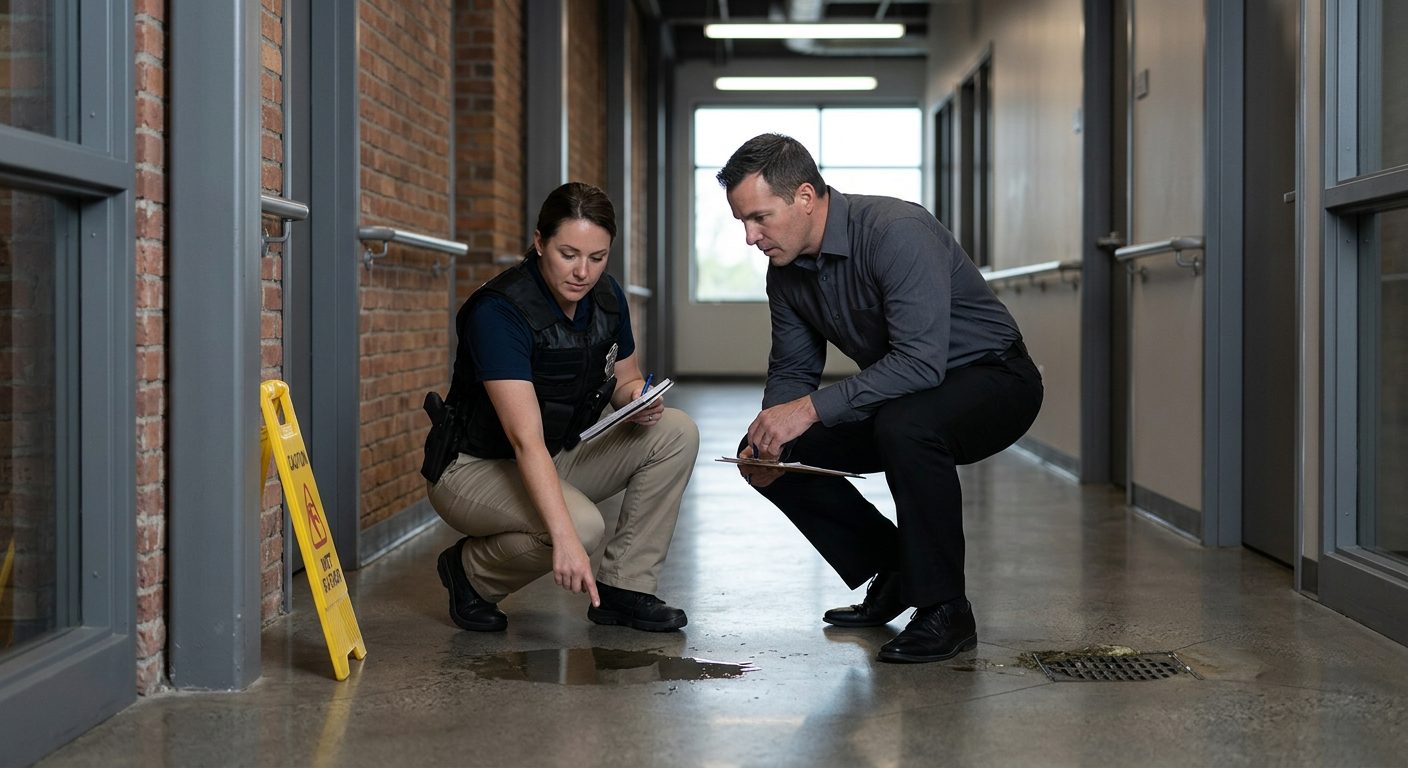
Unmarked spills, inadequate warning signs, or failure to clean hazardous surfaces in stores, restaurants, or offices can result in serious injury and a valid claim against the property owner.
Defective Stairs or Handrails
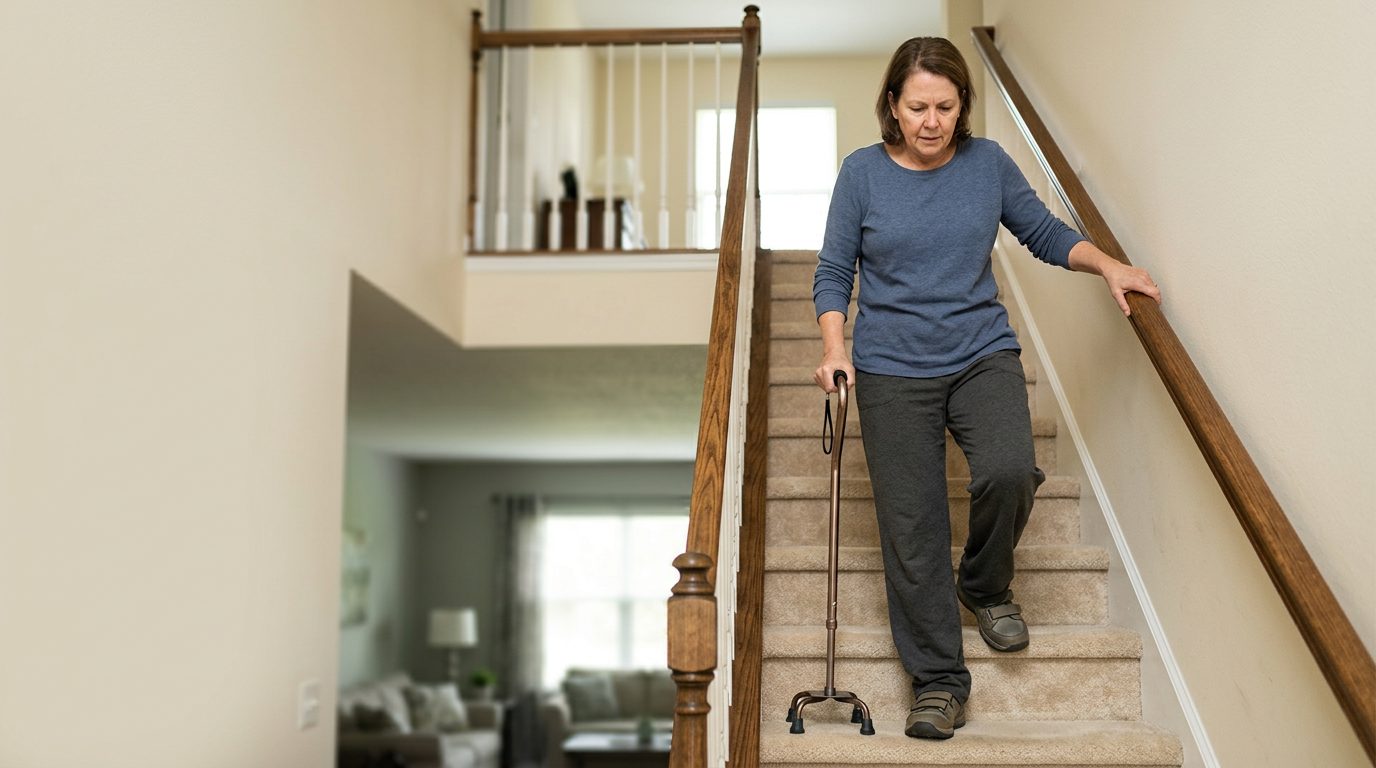
Broken steps, missing or loose handrails, poor lighting, or uneven surfaces create dangerous conditions that property owners have a duty to maintain or warn about.
Negligent Maintenance
Cracked sidewalks, potholes, debris, or accumulated ice and snow that the property owner failed to repair or clear can lead to falls and recoverable damages.
Inadequate Lighting
Dark hallways, parking areas, or entryways where a property owner failed to provide adequate lighting can be the basis for a slip-and-fall claim.
Why Many Slip-and-Fall Cases Settle Without Surgery
Clear Liability
When a property owner's negligence is documented—poor maintenance, lack of warnings, or known hazards—insurers often settle rather than litigate.
Medical Evidence Speaks for Itself
X-rays, MRI results, emergency room records, and physician notes establish the severity of your injury without requiring invasive surgery.
Faster Resolution
Non-surgical cases often move through settlement negotiations more quickly, allowing you to recover compensation sooner.
Conservative Treatment Can Still Justify Fair Compensation
Physical therapy, medication, ongoing care, lost wages, and pain and suffering are all compensable—surgery is not required to prove your claim is legitimate.
Don't Delay—There's a Deadline
Under Florida law, you generally have two years from the date of your slip-and-fall injury to file a lawsuit. Waiting too long can cost you your right to recover. The sooner you reach out, the sooner we can gather evidence, document your injuries, and begin settlement negotiations.
What Happens in a Slip-and-Fall Settlement
Investigation & Evidence Gathering
We obtain incident reports, surveillance footage, witness statements, maintenance records, and your medical documentation to establish the property owner's negligence.
Medical Documentation
Your doctor's records, imaging studies, and treatment history form the foundation of your claim's value—no surgery required.
Demand & Negotiation
We calculate your damages—medical expenses, lost income, pain and suffering—and present a demand to the property owner's insurance company.
Settlement Agreement
Most slip-and-fall cases settle before trial. We negotiate on your behalf to secure fair compensation for your injuries and losses.
What We Focus On in Your Slip-and-Fall Case
Proving Negligence
We establish that the property owner knew—or should have known—about the hazard and failed to fix it, warn you, or keep you safe.
Documenting Your Damages
Medical bills, lost wages, ongoing treatment costs, and the impact on your daily life are all part of your claim's value.
Handling Insurance Companies
We communicate directly with adjusters and defense counsel so you can focus on healing, not negotiations.
Identifying All Liable Parties
Sometimes the property owner, manager, maintenance contractor, or other parties share responsibility—we identify them all.