

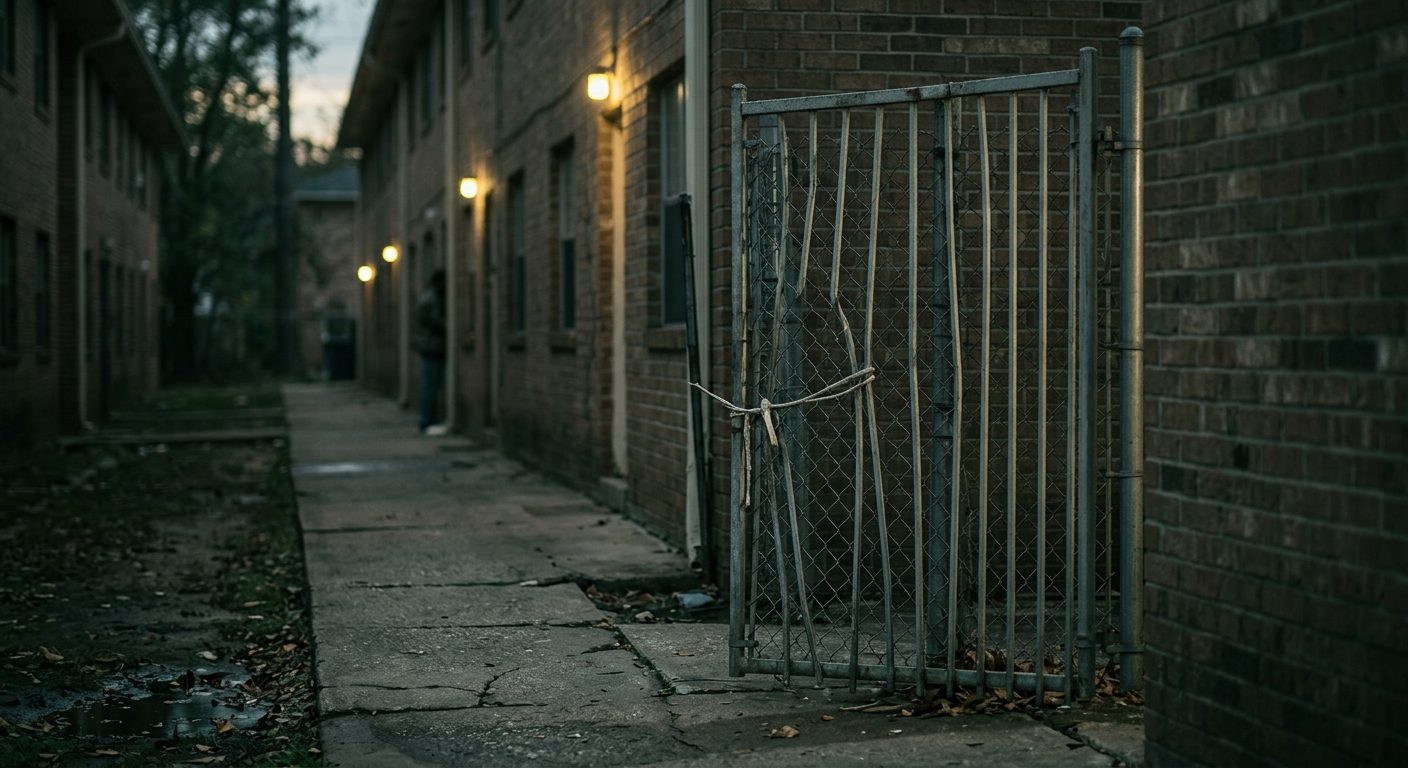
Apartment Complex Injuries
Slip and Fall at Your Apartment Complex: When Landlords Fail to Maintain Safe Premises
If you were injured because your landlord neglected to fix hazards, repair broken stairs, maintain lighting, or clear dangerous conditions, you may have a claim. We help injured tenants, guests, and visitors recover.
By CHG Lawyers · Published September 05, 2026
Slip and Fall at an Apartment Complex: Florida Landlord Liability and Your Right to Recover
You slipped on a wet floor in the lobby. You fell down an unlit stairwell. You stepped on debris in the parking lot. Now you’re dealing with pain, medical bills, and wondering if the apartment complex should pay.
The answer depends on three things: where you fell, what caused it, and whether the landlord knew (or should have known) about the hazard. Here’s what Florida law says about slip and fall liability at apartment complexes—and why these cases are often harder to win than people expect.
Not sure what your next step is?
Talk it through with our team — the first consultation is free, confidential, and carries no obligation.
When Apartment Complexes Are Liable for Slip and Falls in Florida
Apartment complexes and landlords have a legal duty. They must keep common areas reasonably safe for residents and visitors. This includes maintaining floors, stairs, walkways, parking areas, and other shared spaces.
Here’s the critical point: a landlord is not automatically liable just because you fell. You must prove they knew (or should have known) about a dangerous condition. Then you must show they failed to fix it or warn you. This is negligence—and it requires evidence.
Under Florida law, you must establish four elements:
- Duty: The landlord owed you a duty to keep the property reasonably safe.
- Breach: The landlord breached that duty by failing to maintain, repair, or warn about a hazardous condition.
- Causation: The hazardous condition directly caused your fall and injury.
- Damages: You suffered actual, measurable harm—medical bills, lost wages, pain and suffering, or permanent injury.
Common Areas vs. Your Own Unit: Where Liability Is Strongest
In common areas (hallways, stairwells, lobbies, elevators, parking lots, garages, walkways, patios, pools, and fitness facilities), landlords owe a higher duty of care. They control these spaces. Residents must use them.
A wet floor without warning signs, broken stairs, poor lighting, debris, ice accumulation, or crumbling concrete can trigger liability. This is true if the landlord knew about the condition or should have discovered it through reasonable inspection.
Inside your own apartment unit, landlord liability is much lower. You control that space. A landlord is generally not responsible if you slip on water you spilled, a rug you placed, or a hazard you created.
However, a landlord may be liable if the fall was caused by a defect in the building itself. Examples include a cracked or uneven floor, a leaking pipe that made the floor slippery, or a broken handrail the landlord knew about and did not repair.
The “Should Have Known” Standard: What Triggers Landlord Liability
Florida courts recognize that landlords do not need to know about every hazard instantly. Instead, they must conduct reasonable inspections of common areas.
If a reasonable inspection would have revealed the hazard, the landlord “should have known.” They are liable for failing to fix it or warn about it.
Examples: – A wet floor in a high-traffic lobby that has been wet for hours without warning signs or cleanup suggests the landlord should have known. – A pothole in the parking lot that has existed for weeks and was reported by other residents suggests the landlord should have known. – A stairwell with burned-out lights for days or weeks suggests the landlord should have known.
Conversely, a hazard that appears suddenly and is cleaned up within minutes may not trigger liability. The landlord had no reasonable opportunity to discover and fix it.
Florida’s Comparative Negligence Rule: You Can Recover Even If Partially at Fault
Here’s an important protection under Florida law: you can recover damages even if you were partially at fault for the fall. Under Fla. Stat. § 768.81, you can recover as long as you were not more than 50% responsible for the accident.
This means if you were not paying close attention, walking quickly, or wearing inappropriate footwear—and the landlord was also negligent—you may still have a claim.
The court or jury will assign a percentage of fault to each party. If you are found 30% at fault and the landlord 70% at fault, you can recover 70% of your damages.
The landlord’s insurance company will often argue that you were careless. They do this to minimize their liability and your recovery. This is why evidence matters: photos of the hazard, witness statements, and maintenance records help establish that the landlord’s negligence—not your carelessness—caused the fall.
The Statute of Limitations: You Have Two Years, But Don’t Wait
In Florida, you generally have two years from the date of your injury to file a lawsuit under Fla. Stat. § 95.11.
However, do not wait. Evidence disappears. Memories fade. Witnesses become harder to locate. Surveillance video may be recorded over or deleted. The apartment complex may make repairs that eliminate evidence of the hazard.
The sooner you act, the stronger your claim.
Have questions about what happened?
Ask our team directly. The first conversation is free, confidential, and there is no obligation to continue.
Why Slip and Fall Cases Are Harder to Win Than You Might Think
Slip and fall cases are challenging because the burden of proof is on you. Simply proving you fell is not enough. You must prove the landlord was negligent.
The “transitory hazard” defense: The landlord may argue the hazard was temporary—a spill that just happened, debris that blew in, or ice that formed overnight. They claim they had no reasonable opportunity to discover and fix it. This defense is often successful if the hazard existed for only minutes.
Lack of evidence: If there are no photos, no witnesses, no maintenance records, and no surveillance video, it becomes your word against the landlord’s. Without evidence, your case is weak.
Comparative fault: The landlord will argue you were careless. You were not paying attention, walking too fast, wearing inappropriate shoes, or ignoring warning signs. Even if this is only partially true, it reduces your recovery.
Obvious hazards vs. hidden ones: Cases involving obvious hazards (a large pothole, a broken stair, standing water) are easier to win. Cases involving minor or subtle hazards are harder. If a reasonable person would have noticed and avoided the hazard, the landlord may argue you were primarily at fault.
Common area vs. private unit: Cases involving common areas are generally easier to win than cases involving your own apartment unit. Landlords have a higher duty to inspect and maintain common areas.
What Evidence Strengthens Your Slip and Fall Claim
To win a slip and fall case, you need evidence that proves the landlord knew (or should have known) about the hazard. Strong evidence includes:
- Photos or video of the hazard, taken immediately after the fall
- Witness statements from people who saw you fall or saw the hazardous condition
- Maintenance records showing the landlord knew about similar problems or had been warned about the specific hazard
- Prior complaints from other residents about the same condition
- Surveillance video from the apartment complex’s cameras
- Medical records documenting your injuries and linking them to the fall
- Incident reports filed with the apartment complex management
Without this evidence, your case relies on your testimony alone. That is often not enough to overcome the landlord’s defense.
How Insurance Settlement Works: Demystifying the Process
When you file a slip and fall claim, you are typically claiming against the landlord’s liability insurance policy. Here’s how the process works:
1. You report the injury and file a claim with the apartment complex or its insurance company. Provide a written description of what happened, photos, and medical records.
2. The insurance company investigates. They review the evidence, inspect the property, interview witnesses, and may hire an adjuster to evaluate your claim.
3. The insurance company makes an initial assessment. They determine whether the landlord was negligent. They estimate the value of your claim based on your injuries, medical costs, and lost wages.
4. The insurance company makes a settlement offer (or denies the claim). If they offer a settlement, it is usually lower than what you might recover in court. This is how insurance companies manage risk and costs.
5. You can accept, negotiate, or reject the offer. If you reject it, you can file a lawsuit. The insurance company will then defend the case in court. A judge or jury will decide liability and damages.
Important: Do not accept a settlement offer without understanding the full extent of your injuries and future costs. Some injuries worsen or require ongoing care. Once you sign a release, you cannot pursue further claims for that injury. An insurance company’s first offer is rarely their best offer. Negotiation is standard.
Practical Steps to Take After a Slip and Fall
Immediately: – Seek medical attention, even if your injury seems minor. Some injuries worsen over time. A medical record is crucial evidence. – Report the fall to apartment management in writing (email is fine). Request a copy of the incident report.
Within hours or days: – Take photos of the hazard that caused your fall (wet floor, broken stair, debris, poor lighting) and the surrounding area, if it is still there. – Get the names and contact information of any witnesses who saw you fall or saw the hazardous condition. – Keep all medical records, bills, receipts, and documentation of lost wages or other expenses. – Preserve evidence: keep the clothes and shoes you were wearing. Do not clean or repair the area where you fell (if it is your unit).
Ongoing: – Do not sign any settlement or release without legal advice. – Do not post details of your injury or the fall on social media. Insurance companies monitor social media and may use it against you. – Save all communications with the landlord or management.
Want to know where you stand?
Tell us what happened and our team will walk you through the options available to you, at no cost.
Frequently Asked Questions
Do I have to live at the apartment complex to have a claim?
No. Visitors, guests, delivery workers, and service providers can also sue if the landlord was negligent.
What if I was partially at fault for the fall?
Florida law allows you to recover even if you were partially at fault, as long as you were not more than 50% responsible.
What if the apartment complex says I signed a waiver?
Waivers that attempt to eliminate liability for the landlord’s negligence are generally not enforceable in Florida.
What if the hazard was caused by another tenant?
The landlord may still be liable if they knew about the hazard and failed to fix it or warn about it.
Next Steps: Understanding Your Claim
If you’ve been injured in a slip and fall at an apartment complex or rental property in Florida, the decisions you make in the first days and weeks can significantly affect your claim.
Gathering evidence, documenting your injuries, and understanding your legal rights are critical.
Many people in your situation—injured at a property they did not own, uncertain whether they have a claim, and facing medical bills or lost income—reach out to discuss what happened and what their options are.
A conversation with someone who understands Florida landlord liability law can help you understand whether you have a claim, what evidence you need, and what the next steps look like.
Get a free case evaluation. Contact us today to speak with our team about your slip and fall injury at an apartment complex.
Time Matters
Slip and fall claims are subject to strict legal deadlines. The sooner you contact us, the sooner we can investigate your injury, preserve evidence, and protect your rights.
Common Apartment Complex Hazards That Lead to Injuries
Broken or Missing Stairs
Cracked steps, loose treads, missing handrails, and poor lighting on stairways cause serious falls and injuries.
Wet or Slippery Floors
Unmopped spills, leaking pipes, poor drainage, and inadequate warning signs create slip hazards in hallways, lobbies, and common areas.
Poorly Maintained Walkways
Cracked pavement, uneven surfaces, potholes, debris, and overgrown landscaping in parking lots and pathways pose serious trip and fall risks.
Inadequate Lighting
Broken or missing lights in hallways, stairwells, parking areas, and entryways hide hazards and increase the risk of falls.
Why Landlords Are Responsible for Your Safety
Landlords Have a Legal Duty
Property owners must maintain their buildings and grounds in a reasonably safe condition for tenants, guests, and visitors. Failing to repair known hazards or address dangerous conditions violates that duty.
We Investigate and Build Your Case
We gather maintenance records, inspect the scene, interview witnesses, and work with medical professionals to document how the landlord's negligence caused your injury.
We Handle All Communication
You don't negotiate with the landlord or their insurance company alone. We manage all discussions and fight to recover fair compensation for your medical bills, lost wages, and pain and suffering.
We Understand the Impact
A slip and fall can cause serious injuries—broken bones, head trauma, spinal injuries—that disrupt your life. We focus exclusively on catastrophic and serious personal injury, and we know what recovery requires.
What to Do After a Slip and Fall at an Apartment Complex
Seek Medical Attention
Get evaluated by a doctor immediately, even if your injury seems minor. Some injuries worsen over time, and medical records establish the connection between the fall and your harm.
Document the Scene
Take photos and video of the hazard that caused your fall—the broken step, the wet floor, the debris. If possible, capture the lighting conditions and any warning signs (or lack thereof).
Report the Incident
Notify the landlord or property management in writing and request a copy of the incident report. Keep records of all communications.
Gather Witness Information
Get the names and contact information of anyone who saw your fall or the hazardous condition. Their statements strengthen your claim.
Frequently Asked Questions
Do I have to live at the apartment complex to have a claim?
No. Visitors, guests, delivery workers, service providers, and contractors can all pursue a claim if the landlord's negligence caused your injury.
What if I was partially at fault for the fall?
Florida law allows you to recover even if you were partially at fault, as long as you were not more than 50% responsible for the accident.
How much is my case worth?
The value depends on the severity of your injury, your medical expenses, lost income, and the long-term impact on your life. We evaluate all factors during a free consultation.
How does payment work?
We work on contingency: no fees unless there is a recovery. You pay nothing upfront, and we cover investigation and legal costs.