

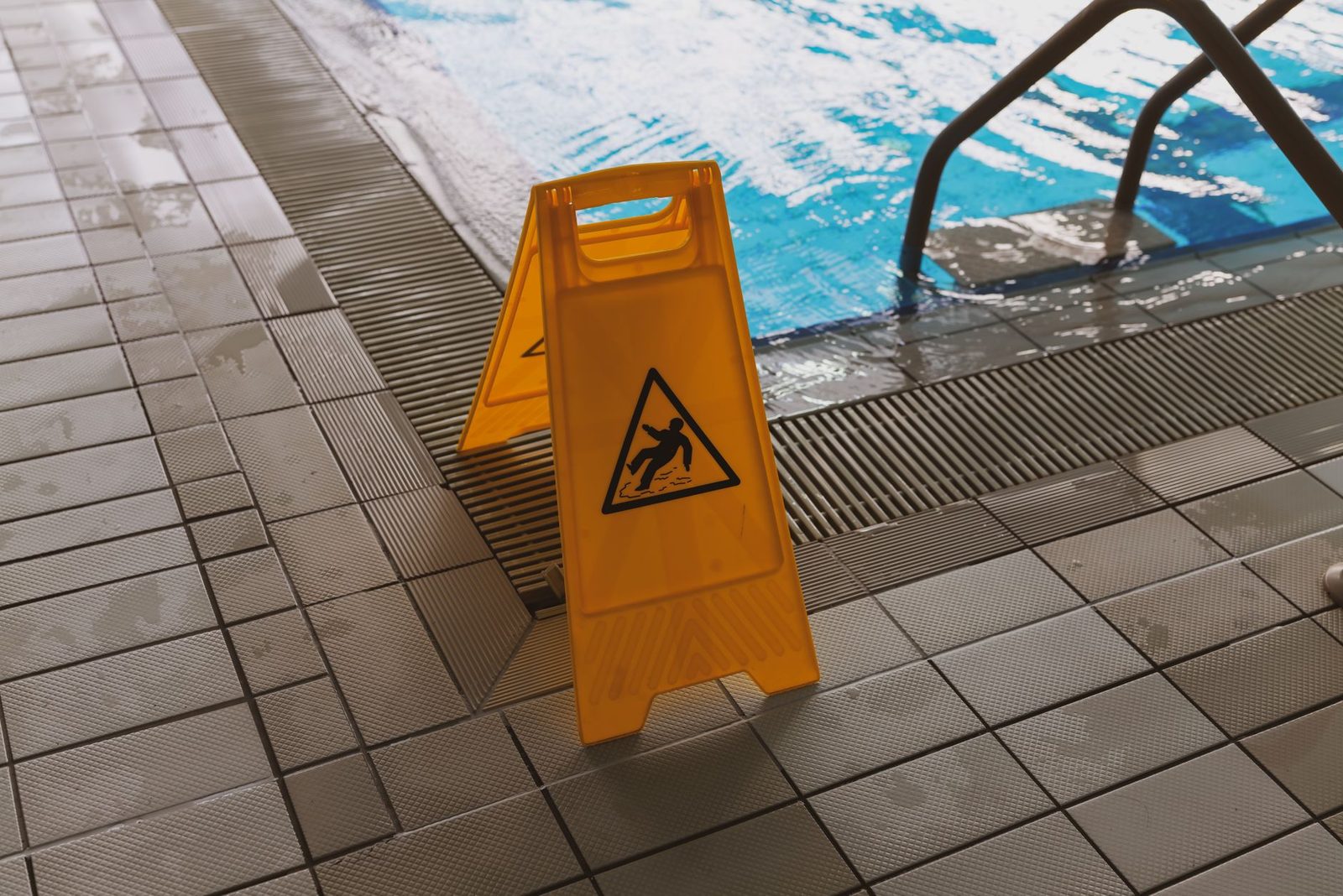
Slip and Fall Claims
Should I Sue for a Slip and Fall? Key Factors That Matter
Not every slip and fall leads to a case—but many do. Learn what actually counts when you're injured on someone else's property.
By CHG Lawyers · Published September 28, 2026
Should I Sue for a Slip and Fall? How to Know If You Have a Case in Florida
You’ve slipped and fallen on someone else’s property—a store, restaurant, apartment complex, parking lot, or hotel—and you’re injured. Now you’re asking yourself: should I sue for a slip and fall? The answer is: it depends on a few specific, provable factors. Not every slip and fall is worth pursuing, but many are. This page walks you through what actually matters so you can figure out where your situation stands—and whether it makes sense to contact an attorney.
Not sure what your next step is?
Talk it through with our team — the first consultation is free, confidential, and carries no obligation.
The Short Answer: It Depends on These Key Factors
Whether you should sue for a slip and fall in Florida hinges on three things: whether the property owner was legally responsible under Florida law, how serious your injury is, and whether you can prove what happened.
The decision isn’t automatic. A minor bruise on a busy grocery-store floor probably isn’t worth your time and money. But a broken leg, a head injury, or a back injury that requires ongoing medical care? That’s a different story. Similarly, if you can’t prove the owner knew about the hazard or should have known about it, your case weakens—even if your injury is serious.
The good news: if you have the right combination of facts, you may have a strong claim. Let’s break down what determines that.
What Is the Property Owner’s Legal Responsibility Under Florida Law?
In Florida, property owners have a legal duty to keep their premises reasonably safe for visitors. This is codified in Florida’s premises-liability framework and established through case law. They must fix or warn about hazards they know about—or should know about—such as wet floors, broken stairs, poor lighting, or debris left lying around.
If they fail to do that and you’re injured as a result, they may be liable for your damages. This legal concept is called premises liability. It’s the foundation of most slip-and-fall cases.
Under Florida law, the owner’s responsibility varies depending on your status on the property:
- Invitees (customers, invited guests) receive the highest level of protection. The owner must inspect the property regularly, fix hazards, and warn about dangers.
- Licensees (social guests, people with permission to be there) receive a moderate level of protection. The owner must warn about known hazards.
- Trespassers receive minimal protection, though the owner cannot intentionally harm them.
The key is that you were lawfully on the property when you fell. If you were a customer or guest, you almost certainly qualify as an invitee.
Do I Have a Slip and Fall Case? The Four Legal Elements
To have a viable case under Florida premises-liability law, you generally need to prove all of these four things:
-
The property owner owed you a duty of care. This is straightforward: if you were lawfully on the property, they owed you this duty.
-
They breached that duty. They failed to fix or warn about a hazard they knew about—or should have known about through reasonable inspection.
-
You fell and were injured because of that hazard. Your fall was directly caused by their failure to act. This is called “causation.”
-
You suffered actual damages. You have real, measurable losses: medical bills, lost wages, pain and suffering, or permanent injury.
The hardest element to prove is usually #2: breach. You must show that the owner knew about the hazard or should have discovered it through reasonable care. For example:
- If a store employee spilled liquid 30 seconds before you stepped in it, the owner probably didn’t have time to discover it—your case is weaker.
- If that same spill had been there for two hours with no warning sign or cleanup, the owner should have discovered it—your case is stronger.
- If the floor was visibly cracked or the lighting was broken for weeks, negligence is easier to prove.
If any of these pieces is missing or weak, your case may not be worth pursuing.
How Serious Does My Injury Need to Be?
Minor injuries—a small bruise or scrape—rarely justify the cost and time of a lawsuit. Legal fees, time away from work, and the stress of litigation add up quickly. For a case to make financial sense, your damages must exceed the costs of pursuing it.
More significant injuries make a case worth considering:
- Broken bones (fractures requiring casting, surgery, or physical therapy)
- Head injuries or concussions with documented symptoms
- Back or neck injuries with imaging evidence (MRI, CT scan)
- Injuries requiring hospitalization or surgery
- Injuries resulting in ongoing medical treatment or permanent limitations
- Injuries that prevent you from working or performing daily activities
The more serious your injury and the higher your medical bills and other losses, the more likely a case is worth pursuing. An attorney can help you assess whether your specific injury and damages cross that threshold.
Can You Prove What Happened? Evidence That Matters
You’ll need evidence that the hazard existed, that the owner knew about it (or should have), and that it caused your fall. This is often the hardest part of a slip-and-fall case—and it’s also why acting quickly matters.
Helpful evidence includes:
- Witness statements from people who saw you fall or who can testify about the hazard’s condition or how long it had been there
- Photos or video of the scene taken immediately after the fall, showing the hazard, lighting, signage, and your injuries
- Incident reports filed with the property owner or manager at the time (request a copy immediately)
- Medical records documenting your injuries, treatment, and any ongoing care
- Your own detailed account of exactly what happened, written down while it’s fresh
- Security camera footage from the property (request this in writing as soon as possible; footage is often retained for 30–90 days)
- Maintenance records showing whether the property was regularly inspected and when
- Prior complaints or incident reports from other people who fell at the same location
Why speed matters: If the hazard has been cleaned up or repaired, or if no one else saw what happened, proving your case becomes harder—but not impossible. A skilled attorney knows how to work with limited evidence. The key is to act fast: the sooner you document the scene and gather witness information, the better.
Have questions about what happened?
Ask our team directly. The first conversation is free, confidential, and there is no obligation to continue.
What Is the Typical Payout for a Slip and Fall?
There is no single “typical” amount. Settlements and awards vary widely based on the injury, medical costs, lost income, strength of evidence, and the specific facts of your case.
General ranges (based on injury severity):
- Minor injury (bruises, minor sprains): $1,000–$5,000
- Moderate injury (broken bone, moderate head injury, significant pain): $10,000–$50,000
- Serious injury (multiple fractures, significant head injury, permanent disability, ongoing medical care): $50,000–$500,000+
Your actual recovery depends entirely on your specific damages and the details of your case. An attorney can give you a more realistic range once they review your situation, your medical records, and the evidence available.
How Hard Is It to Win a Slip and Fall Case? Honest Assessment
Slip-and-fall cases are not automatic wins, but they are winnable if you have the right facts. Success depends heavily on evidence and the specific circumstances.
The biggest challenge: proving the owner knew (or should have known) about the hazard.
For example: – If you slipped on a spill that happened moments before you fell, it’s harder to prove the owner should have discovered it—your case is weaker. – If that same spill had been there for two hours with no warning sign or cleanup, the owner should have discovered it—your case is stronger. – If the floor was visibly cracked, the lighting was broken, or the hazard was obvious and had been there for a while, negligence is easier to prove.
Florida’s comparative fault rule also applies. Under Florida Statute § 768.81, if you bear any responsibility for the fall, your recovery is reduced by your percentage of fault. For example: – If you were texting while walking on a clearly marked wet floor, the owner’s liability might be reduced by 20–30%. – If the floor was unmarked and you had no reason to expect the hazard, you’re in a better position.
An experienced attorney can evaluate the strength of your specific facts and give you a realistic assessment of your chances.
What Is a Good Settlement Offer for a Slip and Fall?
A “good” offer depends entirely on your damages and the strength of your case. Before you evaluate any offer, you should understand:
- Your total medical bills and ongoing care costs
- Your lost wages and time away from work
- Your pain and suffering and reduced quality of life
- The likelihood of winning at trial
- The cost and time of continuing to litigate
An attorney can help you determine whether an offer is fair or whether you should push back. Never accept the first offer without legal advice—insurance companies often start low and expect negotiation.
How Do Attorneys Charge for Slip-and-Fall Cases?
Most slip-and-fall attorneys work on a contingency-fee basis. This means:
- You pay nothing upfront.
- The attorney takes a percentage of any settlement or award (typically 25–40%, depending on the firm and the stage of the case).
- If you don’t recover anything, you owe nothing.
This arrangement removes the financial risk and lets you focus on recovery instead of worrying about legal bills. It also aligns the attorney’s incentive with yours: they only make money if you do.
Before hiring an attorney, ask about their contingency-fee percentage and what costs (if any) you might be responsible for—such as filing fees, expert-witness fees, or medical-record retrieval costs.
Want to know where you stand?
Tell us what happened and our team will walk you through the options available to you, at no cost.
What Should I Do Right Now?
If you’ve recently slipped and fallen, take these steps immediately:
- Document everything. Take photos of the scene, the hazard, lighting, and your injuries. Get the names, phone numbers, and email addresses of anyone who saw you fall.
- Report the incident. Tell the property owner or manager what happened and ask for a copy of any incident report they file. Keep a copy for yourself.
- Seek medical attention. See a doctor even if your injuries seem minor. Medical records are crucial evidence and establish a timeline of your injury.
- Don’t post on social media. Anything you say can be used against you later.
- Preserve evidence. Request security camera footage in writing immediately. Ask about maintenance records and prior incidents at that location.
- Reach out to an attorney. The sooner they’re involved, the better they can preserve evidence and protect your rights.
Next Steps: Get Clarity on Your Situation
If you’ve slipped and fallen on someone else’s property and you’re wondering whether you have a case, the answer depends on details only you and an attorney can evaluate together. Many people in your situation—uncertain whether their injury is serious enough or whether they can prove what happened—reach out for a free case evaluation to get straight answers. There’s no obligation, and no cost to explore your options.
Get a free case evaluation to discuss your slip-and-fall injury with an attorney who focuses on premises liability and personal-injury claims. We’ll review your situation, explain your rights under Florida law, and help you decide what comes next.
The Four Key Factors in a Slip and Fall Claim
The Property Owner Knew (or Should Have Known)
Did the owner or manager know about the hazard—the wet floor, the broken step, the debris—or should they have discovered it through reasonable inspection? If they knew and did nothing, that matters. If they should have known but didn't check, that can still count.
The Hazard Was Unreasonably Dangerous
Was the condition genuinely hazardous, or was it an obvious, everyday risk? A wet floor in a grocery store without a warning sign is different from a puddle you could easily see and avoid. The danger has to be real and not something a careful person would have spotted.
The Owner Failed to Fix It or Warn You
Did the property owner or manager take reasonable steps to either remove the hazard or warn visitors about it? A 'Wet Floor' sign, a barrier, prompt cleanup, or proper maintenance all count as reasonable precautions. No warning and no fix is a problem.
Your Injury Was Caused by the Hazard
Your slip and fall must have been caused directly by the unsafe condition. You need to show that you fell because of what the owner failed to do, not because of your own carelessness or an unrelated reason.
Common Slip and Fall Situations
Property owners are responsible for maintaining safe conditions in stores, restaurants, apartment complexes, parking lots, hotels, gas stations, and other public or semi-public spaces. If you were injured because of poor maintenance, inadequate lighting, broken stairs, unsecured rugs, or spilled liquids left unattended, you may have a claim.
What Strengthens Your Claim
Evidence and Documentation
Photos of the hazard, incident reports filed with the property owner, medical records, and witness statements all help prove your case. The more documentation you have, the clearer your claim becomes.
Timing Matters
If the hazard had been present for a long time before you fell, it strengthens the argument that the owner should have known about it and fixed it. A fresh spill is different from a stain that's been there for days.
Your Own Actions
Florida law recognizes comparative fault—meaning if you were partly careless (wearing inappropriate shoes, not paying attention), it can reduce your recovery. But if the owner's negligence was the main cause, you may still have a valid claim.
Serious Injury
Minor bumps and bruises rarely justify the cost of a lawsuit. But broken bones, head injuries, spinal injuries, or injuries requiring ongoing medical care make a claim worth pursuing.
When Slip and Fall Claims Don't Work
You generally cannot sue if you were injured by an obvious, natural condition (like rain on a sidewalk), if you were trespassing, or if you were the one responsible for creating the hazard. If the property owner had posted a clear warning and you ignored it, your claim is weaker. And if your own carelessness—not the owner's failure—caused your fall, Florida law may bar or reduce your recovery.
Next Steps: How to Protect Your Claim
Report It Immediately
Tell the property owner or manager about your fall right away. Ask them to file an incident report and request a copy. This creates a record that the owner was aware of what happened.
Seek Medical Attention
Get evaluated by a doctor, even if you think your injury is minor. Medical records document your injuries and link them directly to the fall. This is critical evidence.
Gather Evidence
Take photos of the hazard, the scene, and your injuries if possible. Get the names and contact information of anyone who saw you fall. Keep receipts for medical bills and other expenses.
Talk to an Attorney
An attorney can review the facts, tell you whether you have a viable claim, and handle communication with the property owner's insurance company. Most slip and fall cases are handled on a contingency basis—no fees unless there is a recovery.
Why You Need Legal Guidance
Understand Your Rights
Property liability law is complex and varies by situation. An attorney can explain what the owner owed you and whether they breached that duty.
Protect Your Claim
Insurance companies often try to minimize or deny slip and fall claims. Having an attorney on your side ensures your rights are protected and your claim is properly valued.
Handle the Details
From gathering evidence to negotiating with insurers to filing suit if necessary, an attorney manages the legal process so you can focus on recovery.