

Slip and Fall | Richmond West, Florida
Slip and Fall Injuries: When a Property Owner Is Liable
If you were injured on someone else's property in Richmond West because of unsafe conditions or negligent maintenance, the owner may be responsible. Learn your rights and next steps.
By CHG Lawyers · Published September 12, 2026
Slip and Fall in Richmond West: When a Property Owner Is Liable
If you slipped and fell on someone else’s property in Richmond West and were injured, you may have a legal claim against the property owner. A slip-and-fall injury can range from a minor bruise to a serious injury requiring surgery or long-term care. Many of these accidents are preventable.
Property owners in Florida have a legal duty to maintain safe conditions and warn visitors of hazards. When they fail to do so, they can be held responsible for your injuries.
This guide explains what causes slip-and-fall injuries in Richmond West, when a property owner is legally liable under Florida law, how to build a strong claim, and why working with a personal-injury attorney matters.
If you were injured on someone else's property in Richmond West because of unsafe conditions or negligent maintenance, the owner may be responsible. Talk it through with our team — the first consultation is free, confidential, and carries no obligation.
Slip and Fall Accidents in Richmond West: The Local Context
Richmond West is a densely populated residential and commercial neighborhood in Miami-Dade County. It has shopping centers, apartment complexes, parking lots, and service businesses where slip-and-fall injuries happen regularly.
The area’s mix of older and newer commercial buildings, frequent foot traffic, and Florida’s wet climate create conditions where preventable falls occur. Rain, humidity, and pooling water are common.
A slip and fall can happen to anyone, anywhere:
- Walking through a grocery store
- Crossing a parking lot
- Entering an office building
- Visiting a restaurant
The injury can be minor—a scraped knee or twisted ankle—or serious: a fractured hip, head injury, spinal damage, or broken bones requiring hospitalization and months of recovery.
Many slip-and-fall injuries are entirely preventable. They happen because a property owner failed to maintain safe conditions, ignored a known hazard, or didn’t warn visitors of danger. If you were injured on someone else’s property in Richmond West due to negligence, you may have grounds for a legal claim.
Common Causes of Slip and Fall Injuries in Richmond West
Slip-and-fall accidents in Richmond West happen in predictable ways:
- Wet or slippery floors in stores, restaurants, offices, or bathrooms without warning signs or adequate cleaning
- Broken, cracked, or uneven pavement in parking lots, sidewalks, entryways, or driveways—common in older Richmond West commercial areas
- Poor lighting in stairwells, hallways, parking garages, or outdoor areas that makes hazards hard to see
- Debris, clutter, or obstacles left in walkways or common areas
- Loose or missing handrails on stairs or ramps
- Inadequate maintenance of property grounds, including overgrown landscaping, hidden roots, or unsecured objects
- Spilled liquids or food not cleaned up promptly in retail or food-service settings
- Pooling water from rain or irrigation on sidewalks or entryways—a frequent issue in South Florida
If any of these conditions caused your fall, the property owner may be liable. This is especially true if the hazard existed for a long time or the owner ignored maintenance complaints.
When Is a Property Owner Legally Responsible for Your Slip and Fall?
In Florida, a property owner has a legal duty to maintain their property in a reasonably safe condition. They must also warn visitors of known hazards.
Under Florida Statute § 768.0755, a property owner can be held liable for your slip-and-fall injury if they knew (or should have known) about a dangerous condition. They must have failed to fix it, warn you, or keep you safe.
Your Legal Status on the Property Matters
Florida law recognizes three categories of visitors. Your legal status determines how much protection the property owner must provide.
Invitees (customers, tenants, guests invited onto the property) receive the highest level of protection. The property owner must maintain safe conditions, conduct regular inspections, and warn of hazards. If you were shopping, dining, visiting a friend’s apartment, or conducting business in Richmond West, you were likely an invitee.
Licensees (social guests or people with permission to be on the property) receive a lower level of protection. The property owner must warn of known hazards but has less duty to inspect or maintain the property actively.
Trespassers (people on the property without permission) receive minimal protection. The property owner generally owes no duty to them.
What Makes a Property Owner Liable?
A property owner is liable when all four of these are true:
- A dangerous condition existed on the property
- The owner knew (or should have known) about it
- The owner failed to fix it, warn you, or keep you safe
- The dangerous condition directly caused your injury
Liability is often clearer when a hazard existed for a long time without being addressed. It is also clearer when the property owner ignored maintenance complaints or warning signs from tenants or customers.
For example: A parking lot had a pothole for months. The owner received complaints but did nothing. Liability is strong.
You May Still Recover Even If You Were Partially at Fault
Under Florida’s comparative negligence rule (Fla. Stat. § 768.81), you can recover damages as long as you were not more than 50% responsible for the fall.
For example: You were not paying attention, but the floor was dangerously wet without warning signs. You may still have a claim. The jury will compare your negligence to the property owner’s and reduce your recovery proportionally.
If you were 20% at fault and the owner was 80% at fault, you can recover 80% of your damages.
What Is the Typical Payout for a Slip and Fall?
There is no single “typical” payout because every slip-and-fall case is unique. Compensation depends on:
- The severity of your injury
- The clarity of the property owner’s liability
- Your medical costs
- Lost wages
- The impact on your daily life
Minor injuries (sprains, bruises, small medical bills) may result in settlements ranging from a few thousand dollars to $10,000 or more. This depends on the strength of the property owner’s negligence and your evidence.
Serious injuries (fractures, head injuries, surgery, ongoing physical therapy) can result in significantly higher settlements or jury awards. A broken hip requiring surgery, months of rehabilitation, and permanent mobility loss warrants much greater compensation than a minor sprain.
Your compensation may include:
- Medical expenses (past and future treatment, surgery, physical therapy)
- Lost income and wages
- Pain and suffering
- Reduced quality of life and permanent impairment
An experienced personal-injury attorney can evaluate the specific facts of your case, review your medical records, and help you understand what your claim may be worth.
If you slipped and fell on someone else's property in Richmond West and were injured, you may have a legal claim against the property owner. Talk it through with our team — the first consultation is free, confidential, and carries no obligation.
Is It Worth Suing for a Slip and Fall?
Whether a slip-and-fall claim is worth pursuing depends on three factors: the strength of your evidence, the severity of your injury, and the property owner’s liability.
A claim is likely worth pursuing if:
- The property owner was clearly negligent (for example, a known hazard was left unaddressed for weeks, or maintenance complaints were ignored)
- You have documented medical treatment and expenses
- You have evidence of the hazard (photographs, video, witness statements, maintenance records)
- Your injury caused significant medical costs, lost time from work, or ongoing treatment
A claim may not be worth pursuing if:
- Liability is unclear or the hazard was temporary and brief
- Your injury is very minor with minimal medical expenses
- You have limited evidence of the property owner’s negligence
- The cost and time of pursuing a claim outweigh the potential recovery
An attorney can review the facts of your case and advise you on whether it makes sense to move forward. Most personal-injury attorneys work on a contingency-fee basis. You pay nothing unless your case is resolved and you receive compensation.
How Hard Is It to Win a Slip and Fall Case?
Winning a slip-and-fall case requires proving that the property owner knew (or should have known) about a dangerous condition. You must show they failed to fix it or warn you. You must also show that the dangerous condition directly caused your injury and that you were legally entitled to be on the property.
Evidence that strengthens your case includes:
- Photographs or video of the hazard, the surrounding area, and lighting conditions taken immediately after your fall
- Witness statements from people who saw your fall or the hazardous condition
- Maintenance records showing the property owner ignored the problem or failed to inspect
- Medical records documenting your injury, treatment, and recovery timeline
- Expert testimony about how long the hazard likely existed (for example, a spill that had been on the floor for hours, or a pothole that had deteriorated over months)
- Incident reports filed with the property owner or manager
- Prior complaints from other customers or tenants about the same hazard
- Surveillance video from the property showing the hazard and your fall
If the property owner can show that you were careless (for example, you were running or texting and not paying attention), they may argue you were partially at fault. However, this does not necessarily prevent you from recovering.
Under Florida’s comparative negligence rule, you can still win if the property owner was more responsible than you were.
Cases with clear liability and strong evidence of the property owner’s negligence are generally easier to win or settle favorably.
Building Your Slip and Fall Claim in Richmond West
The steps you take immediately after a slip and fall are critical. They preserve evidence and strengthen your claim.
Immediately after the fall:
-
Seek medical attention—even if you feel okay. Some injuries develop over hours or days. Medical records create crucial evidence of your injury and its cause.
-
Report the incident to the property owner, manager, or store employee. Ask them to document it in writing and request a copy of any incident report.
-
Take photographs or video of the hazard that caused your fall, the surrounding area, lighting conditions, and any warning signs (or lack thereof). If you cannot do this yourself, ask a friend or family member to do it for you.
-
Collect contact information from any witnesses who saw your fall or the hazardous condition. Witness statements are powerful evidence.
-
Keep all documentation: medical records, bills, receipts, photographs, incident reports, and documentation of lost wages or time off work.
-
Do not post about your injury on social media. Insurance companies monitor social media and may use your posts against you.
-
Do not give a recorded statement to the property owner’s insurance company without legal advice. Anything you say can be used against your claim.
-
Contact a personal-injury attorney as soon as possible. Florida’s statute of limitations (Fla. Stat. § 95.11) for personal-injury claims is generally two years from the date of your injury. Acting quickly preserves evidence and strengthens your case.
Why You Should Work With a Personal-Injury Attorney
Navigating a slip-and-fall claim alone is difficult. Insurance companies have resources, experience, and financial incentive to minimize what they pay you. An attorney levels the playing field.
Here’s what an attorney does for you:
- Investigates your case thoroughly, gathering evidence, interviewing witnesses, and determining whether the property owner was negligent
- Communicates with the insurance company on your behalf, so you can focus on recovery
- Negotiates a fair settlement and protects your rights. Insurance companies often try to minimize payouts or deny claims entirely.
- Handles all paperwork and deadlines required by Florida law
- Files a lawsuit and represents you in court if a fair settlement cannot be reached
- Works on a contingency-fee basis, meaning you pay nothing unless your case is resolved and you receive compensation
An experienced attorney also understands Miami-Dade County courts, local property-liability practices, and how juries in your area evaluate slip-and-fall claims. This knowledge is invaluable in building a strong case and maximizing your recovery.
If you were injured on someone else's property in Richmond West due to negligence, you may have grounds for a legal claim. Talk it through with our team — the first consultation is free, confidential, and carries no obligation.
Next Steps: Getting Help After a Slip and Fall in Richmond West
If you or a family member has been injured in a slip and fall on someone else’s property in Richmond West, you do not have to navigate this alone.
Documenting your injury, gathering evidence, and understanding your legal rights are critical. An attorney can guide you through every step.
The sooner you reach out, the sooner we can begin investigating your case and working toward the compensation you deserve. Contact us for a free case evaluation.

Frequently Asked Questions
How long do I have to file a slip and fall lawsuit in Florida?
Florida’s statute of limitations for personal-injury claims is generally two years from the date of your injury under Fla. Stat. § 95.11. Acting quickly preserves evidence and strengthens your case.
Can I recover damages if I was partially at fault for my slip and fall?
Yes. Under Florida’s comparative negligence rule (Fla. Stat. § 768.81), you can recover damages as long as you were not more than 50% responsible for the fall.
What should I do immediately after a slip and fall injury?
Seek medical attention, report the incident to the property owner, take photographs of the hazard, collect witness information, and contact an attorney as soon as possible.
Who is liable if I slip and fall on someone else’s property?
The property owner is liable if they knew (or should have known) about a dangerous condition and failed to fix it, warn you, or keep you safe under Fla. Stat. § 768.0755.
What evidence do I need for a slip and fall claim?
Photographs of the hazard, witness statements, medical records, maintenance records, incident reports, and expert testimony about how long the hazard existed all strengthen your claim.
What is the difference between an invitee, licensee, and trespasser?
An invitee is someone invited onto the property (a customer or tenant) and receives the highest level of protection. A licensee has permission to be on the property but receives less protection. A trespasser has no permission and receives minimal protection. Your legal status determines how much duty the property owner owes you.
Act Quickly—Evidence Matters
Florida law gives you two years from the date of your injury to file a personal-injury claim. However, evidence—photographs, witness statements, maintenance records, and incident reports—can disappear or fade quickly. The sooner you document what happened, the stronger your case.
What Property Owners Must Provide
Safe Conditions
Property owners are required to maintain their premises in a reasonably safe condition. This includes fixing broken stairs, repairing cracked walkways, and addressing water or debris that could cause someone to slip or trip.
Timely Warnings
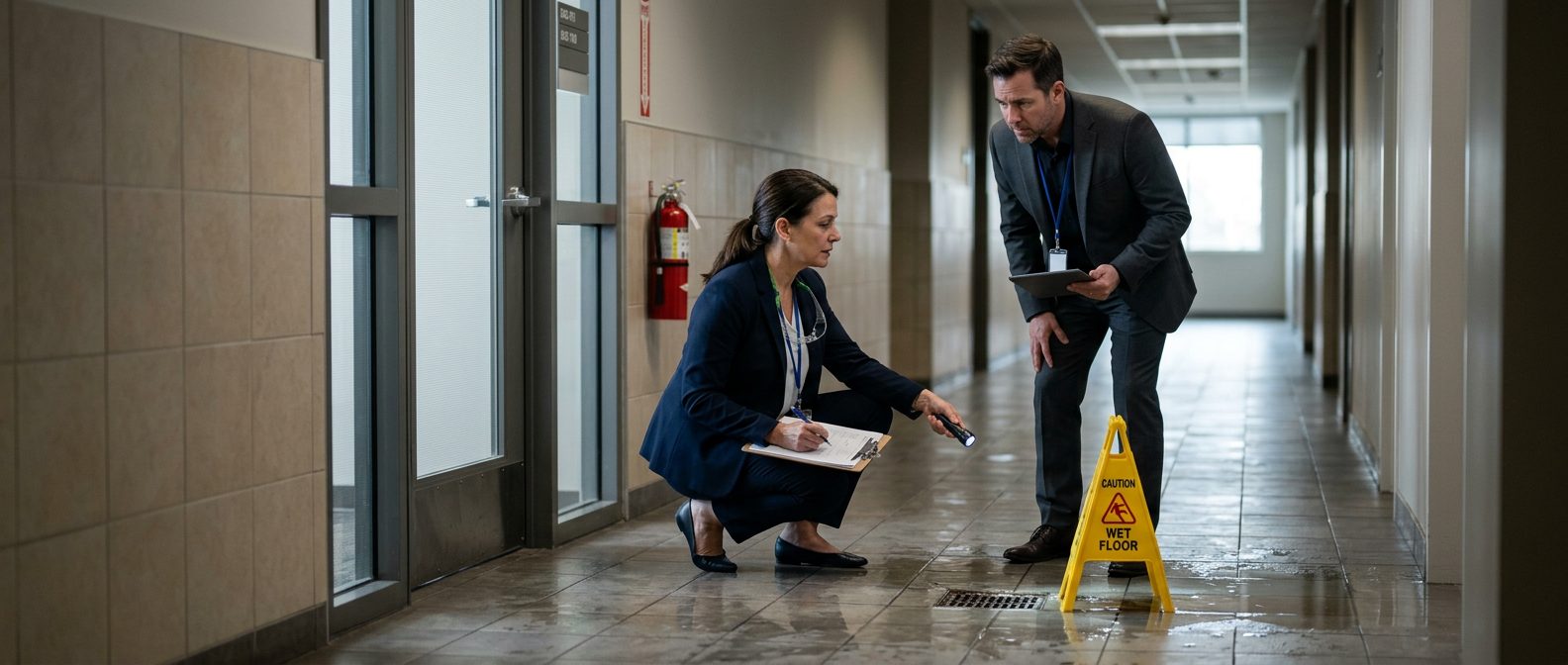
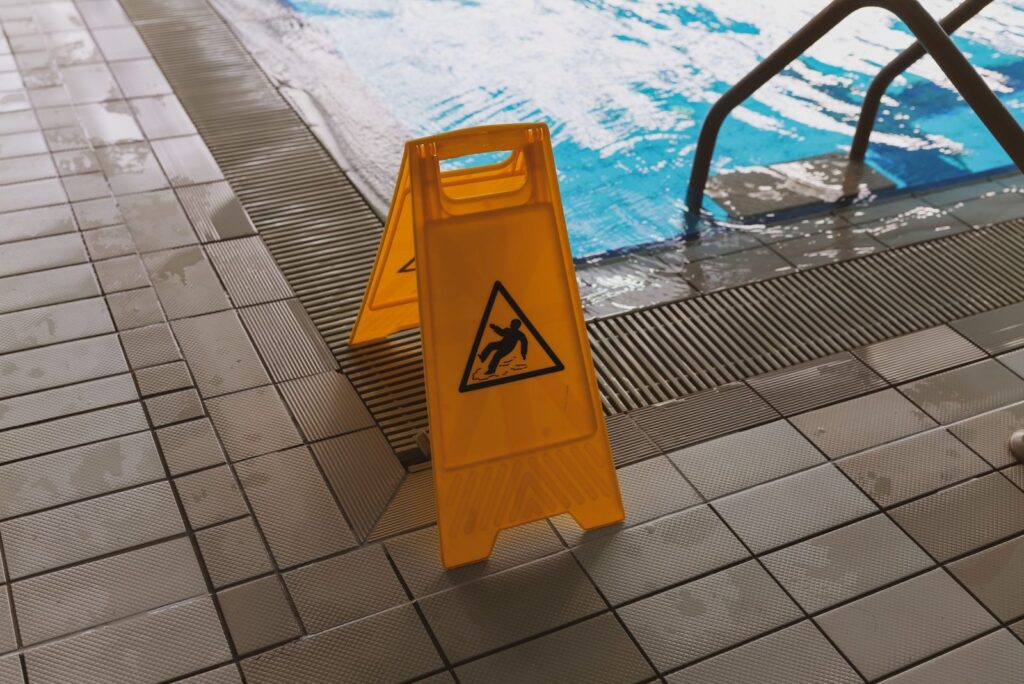
If a hazard exists, the owner must warn visitors through signs, barriers, or other clear notice—especially for temporary dangers like wet floors or ongoing maintenance work.
Regular Inspections
Property owners should regularly inspect their premises for hazards. Failure to inspect, or knowing about a dangerous condition and doing nothing, can establish liability.
Prompt Repairs
When a dangerous condition is discovered, the owner must repair it within a reasonable time or take steps to prevent injury—not simply ignore it and hope no one gets hurt.
Why Your Slip and Fall Claim Matters
Property Owners Are Accountable
When a property owner fails to maintain safe conditions or warn of hazards, they bear responsibility for injuries that result. You should not have to pay for an injury caused by someone else's negligence.
Medical Bills and Lost Income Add Up
Slip and fall injuries can mean emergency-room visits, ongoing treatment, physical therapy, and time away from work. A claim can help recover those costs and more.
Florida's Comparative Fault Rule Works in Your Favor
Even if you were partially at fault, you may still recover damages in Florida—as long as you were not more than 50% responsible. The amount you recover is reduced by your percentage of fault.
You Deserve Support Through Recovery
Serious slip and fall injuries can be life-altering. We focus exclusively on personal-injury cases and understand what you're facing. Let us handle the legal work while you heal.
Common Questions About Slip and Fall Claims
How long do I have to file a claim?
Florida's statute of limitations for personal-injury claims is generally two years from the date of your injury under Fla. Stat. § 95.11. Acting quickly preserves evidence and strengthens your case.
Can I recover if I was partially at fault?
Yes. Under Florida's comparative-fault rule, you can recover damages even if you were partially responsible—as long as you were not more than 50% at fault. Your recovery is reduced by your share of the fault.
What damages can I recover?
You may recover medical expenses, lost wages, pain and suffering, and other costs related to your injury. The specific amount depends on the severity of your injury and the circumstances of your case.
Do I need to prove the owner knew about the hazard?
Not always. You may have a claim if the owner should have known about the hazard through reasonable inspection, or if the condition existed long enough that the owner should have discovered it.