

Slip and Fall | Pompano Beach
Slip and Fall Injury? You May Have a Claim
If you were injured on someone else's property in Pompano Beach because of a hazard they failed to fix or warn you about, the property owner may be liable. Learn what you need to know.
By CHG Lawyers · Published September 12, 2026
Slip and Fall in Pompano Beach: Your Rights, the Claims Process, and What You Need to Know
Pompano Beach’s beachfront and busy shopping areas draw residents and visitors year-round. But wet floors, uneven surfaces, and poor lighting can turn a simple trip into a serious injury. If you’ve slipped and fallen on someone else’s property and been hurt, you may have a legal claim against the property owner. Here’s what you need to know.

If you were injured on someone else's property in Pompano Beach because of a hazard they failed to fix or warn you about, the property owner may be liable. Talk it through with our team — the first consultation is free, confidential, and carries no obligation.
What to Do Right After a Slip and Fall in Pompano Beach
The first hours and days matter. Get medical attention immediately, even if your injuries seem minor. Some injuries—like head trauma or internal bleeding—develop over time.
While you’re getting care, take these steps:
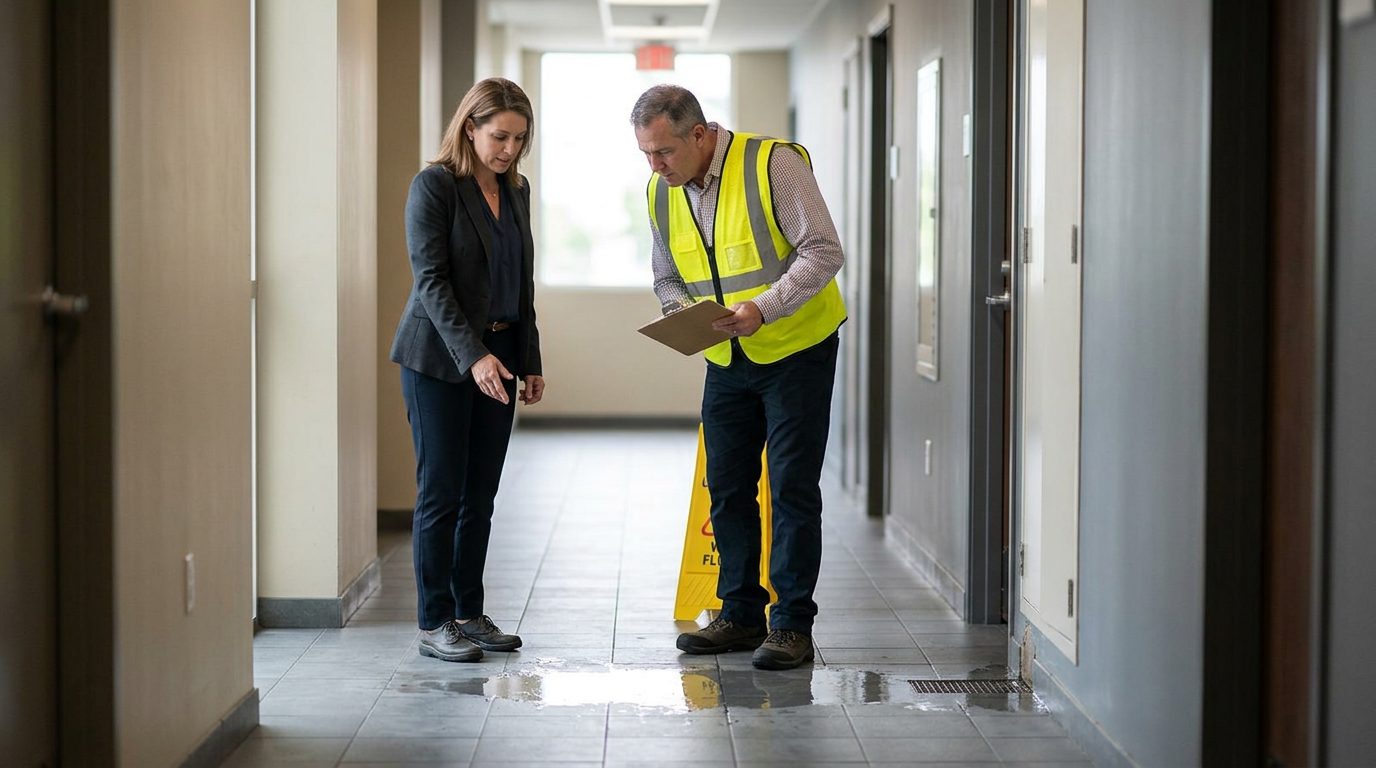
Document the scene. If you can, photograph what caused your fall: the wet floor, broken tile, poor lighting, or obstacle. Take photos of the whole area and any warning signs (or the lack of them). Get names and phone numbers from anyone who saw you fall.
Report the incident. Tell the property manager, store manager, or owner what happened. Ask them to file an incident report and request a copy. This creates an official record.
Preserve evidence. Keep your medical records, receipts, photos of your injuries, and any messages with the property owner or their insurance company.
Slip-and-fall injuries happen in retail stores, restaurants, parking lots, apartment complexes, hotels, gas stations, and public facilities. Each location has different hazards—and different ways to prove negligence.
Who Is Responsible for Your Injury
Under Florida law, property owners and managers must keep their premises reasonably safe. This means fixing known hazards or warning visitors about them.
Liability depends on negligence. The property owner is responsible if they:
- Knew (or should have known) about a dangerous condition
- Failed to fix it or warn you
- Their failure caused your injury
For example: A store manager sees a spill but doesn’t clean it up or post a warning sign. A customer slips and breaks their wrist. That’s negligence. A property owner ignores broken stairs for months, knowing tenants use them daily. That’s negligence. Poor lighting in a parking garage where the owner failed to maintain working fixtures. That’s negligence.
Florida law requires property owners to act reasonably to prevent foreseeable injuries. The question isn’t whether an accident could happen—it’s whether the owner should have anticipated it and taken steps to prevent it.
Is a Slip-and-Fall Claim Worth Pursuing
A claim is worth pursuing if two things are true: the property owner’s negligence caused your injury, and you have documented damages.
Damages include:
- Medical expenses (doctor visits, imaging, surgery, therapy)
- Lost wages from time off work
- Ongoing treatment costs
- Pain and suffering compensation
Even a “minor” fall can cause serious injury. A fractured hip in an older adult can mean months of rehabilitation and permanent mobility loss. A head injury can cause chronic headaches, cognitive changes, or post-concussion syndrome. A broken ankle can sideline an athlete or active worker for a year.
An attorney can evaluate whether the evidence supports liability and whether the property owner’s insurance can cover your losses. Insurance companies often try to minimize payouts. An experienced attorney ensures you’re not pressured into accepting less than your claim is worth.
What Is a Typical Payout for a Slip and Fall in Florida
There is no standard payout. Settlements vary widely based on:
- Severity of injury. A minor sprain settles differently than a fracture or head injury.
- Medical costs. Higher medical expenses generally support higher settlements.
- Lost income. If you missed work or lost earning capacity, that increases your claim’s value.
- Permanence. A permanent injury is worth more than a temporary one.
- Strength of liability evidence. Clear proof that the owner knew about the hazard and did nothing strengthens your position.
- Insurance coverage. The defendant’s policy limits affect what can be paid.
- Age and health. Younger, healthier individuals may have different recovery timelines and future earning potential than older adults.
Minor injuries with low medical bills might settle for a few thousand dollars. Serious injuries—fractures requiring surgery, head injuries, or chronic pain—can result in substantially higher settlements. Each case is unique.
How Long Does It Take to Settle a Slip and Fall Case in Florida
Timeline depends on your case’s complexity and the insurance company’s responsiveness.
Simple cases with clear liability and minor injuries may settle within 6–12 months. You get medical treatment, submit your records, the insurance company evaluates the claim, and you reach an agreement.
Complex cases involving serious injury, disputed liability, or multiple parties can take 1–3 years or longer. If the insurance company denies responsibility or offers an unreasonably low settlement, your attorney may file a lawsuit. Litigation adds time but often results in better outcomes.
An experienced attorney can move the process forward efficiently—gathering evidence quickly, communicating clearly with the insurance company, and pushing for fair resolution.
If you've slipped and fallen on someone else's property and been hurt, you may have a legal claim against the property owner. Talk it through with our team — the first consultation is free, confidential, and carries no obligation.
Common Causes of Slip and Fall Accidents in Pompano Beach
Pompano Beach’s warm, humid climate and frequent rain create unique hazards:
- Wet or slippery floors from spills, rain tracking indoors, or cleaning without warning signs
- Uneven surfaces and cracked pavement, common in older commercial and residential areas
- Poor lighting in parking lots, stairwells, hallways, and garages—especially during Florida’s early sunsets
- Obstacles left in walkways or aisles
- Inadequate handrails or guardrails on stairs or ramps
- Seasonal hazards from humidity and frequent afternoon thunderstorms
Property owners in Pompano Beach should anticipate these conditions. If they don’t, and someone is injured as a result, liability may follow.
Florida Law on Premises Liability and Slip and Fall Claims
Florida recognizes premises liability: property owners owe a duty of care to lawful visitors on their property.
The property owner must either:
- Maintain the property in a reasonably safe condition, or
- Warn visitors of known dangers
Comparative negligence applies. Under Fla. Stat. §768.81, if you are found partially at fault for your injury, your recovery is reduced by your percentage of fault. If you are found more than 50% at fault, you generally cannot recover. For example, if you were texting while walking and tripped on a broken step the owner failed to repair, you might be found 20% at fault and the owner 80%—you’d recover 80% of your damages.
Time limits apply. Under Fla. Stat. §95.11, you generally have two years from the date of injury to file a personal injury claim. Missing this deadline means losing your right to sue.
Carefully Document Your Slip and Fall Injuries
Documentation is the foundation of a strong claim.
Seek medical evaluation immediately. Even if you feel okay, get checked by a doctor. Some injuries don’t show symptoms right away. A medical record from the day of your fall establishes the connection between the accident and your injuries.
Keep detailed medical records: doctor visits, diagnoses, treatment plans, prescriptions, imaging results, and specialist consultations. These records prove the extent of your injury and the cost of treatment.
Document all expenses: medical bills, transportation to appointments, home care, and lost wages. Keep receipts and invoices.
Photograph your injuries and the accident scene if possible. Visual evidence is powerful.
Maintain a recovery journal. Write down your pain levels, how the injury affects your daily life, and your progress over time. This supports claims for pain and suffering.
Preserve the incident report filed with the property owner or manager.
Filing a Slip and Fall Injury Claim
The claims process typically follows these steps:
- Report to the property owner. Notify them in writing of your injury and the circumstances.
- Notify their insurance company. Send a written notice of your injury and intent to pursue a claim.
- Gather evidence. Collect photos, medical records, witness statements, and documentation of expenses.
- Communicate with the insurer. An attorney can handle this on your behalf, protecting your interests and ensuring nothing you say is used against you.
- Negotiate a settlement. If the insurance company is reasonable, a settlement may be reached without litigation.
- Pursue litigation if necessary. If a fair settlement cannot be reached, your attorney can file a lawsuit.
If you've slipped and fallen on someone else's property in Pompano Beach and aren't sure whether you have a claim, reach out. Talk it through with our team — the first consultation is free, confidential, and carries no obligation.
Why You Need a Slip and Fall Attorney in Pompano Beach
Insurance companies are skilled at minimizing payouts. They may argue that you were partially at fault, that your injuries aren’t as serious as you claim, or that their client bears no responsibility.
An experienced attorney:
- Understands Florida premises liability law and knows how to build a strong case
- Conducts professional investigation to uncover evidence of prior complaints, maintenance failures, or pattern negligence
- Handles all communication with the insurance company, protecting you from saying something that weakens your claim
- Manages all paperwork and deadlines, ensuring nothing falls through the cracks
- Negotiates aggressively for fair compensation
- Provides experienced representation if litigation becomes necessary
You don’t have to navigate insurance company tactics alone. An attorney focuses on your recovery while fighting for the compensation you deserve.
Frequently Asked Questions
What do I need to prove to win a slip and fall claim?
You must show that the property owner knew (or should have known) about the hazard, failed to fix it or warn you, and that failure caused your injury. Documentation—photos, medical records, witness statements, and incident reports—is essential.
Can I sue if I was partially at fault for my slip and fall?
Yes. Florida’s comparative negligence rule allows recovery even if you’re partially at fault, as long as you’re not more than 50% responsible. Your recovery is reduced by your percentage of fault.
How do I document a slip and fall injury for my claim?
Seek medical care immediately, photograph your injuries and the accident scene, file an incident report with the property owner, keep all medical records and receipts, and maintain a journal of your recovery and pain levels.
Do I have a time limit to file a slip and fall claim in Florida?
Yes. You generally have two years from the date of injury to file a personal injury claim under Fla. Stat. §95.11. Don’t wait.
What damages can I recover in a slip and fall case?
You can recover medical expenses, lost wages, ongoing treatment costs, and compensation for pain and suffering. The amount depends on the severity of your injury, the strength of liability evidence, and insurance coverage limits.
If you’ve slipped and fallen on someone else’s property in Pompano Beach and aren’t sure whether you have a claim, reach out. People in your situation contact us regularly for a free evaluation.
What You Need to Prove
The Hazard Existed
The property owner knew about the dangerous condition—wet floors, broken stairs, debris, poor lighting—or should have known about it through reasonable inspection.
They Failed to Act
The owner did not fix the hazard, remove it, or warn you about it with clear signage or barriers.
It Caused Your Injury
The hazard directly caused your fall and the injuries you suffered as a result.
You Document Everything
Photos of the scene, medical records, witness statements, and the incident report are critical evidence.
Act Quickly
Time matters in slip and fall claims. Hazards may be repaired or removed, witnesses may become hard to reach, and evidence can disappear. The sooner you document the scene and report your injury, the stronger your claim.
Why CHG Personal Injury Lawyers
Focused on Your Recovery
We focus exclusively on personal injury claims, including slip and fall cases. We understand the medical, financial, and emotional toll of your injury.
Evidence-Driven Approach
We gather photos, video, witness testimony, maintenance records, and expert analysis to build a strong case on your behalf.
No Fees Unless There Is a Recovery
We work on contingency. You pay nothing upfront, and we only collect a fee if your case results in a settlement or award.
Local Knowledge, National Reach
Based in Florida and serving Pompano Beach and communities nationwide, we know local property liability law and how to hold owners accountable.
Common Questions
Can I sue if I was partially at fault?
Yes. Florida law allows you to recover even if you were partly responsible, as long as you were not more than 50% at fault. Your recovery is reduced by your percentage of fault.
What if I didn't report the fall right away?
Report it as soon as possible. Delayed reporting can make your claim harder to prove, but it does not automatically bar you from recovery. Contact us immediately to discuss your situation.
What damages can I recover?
Medical expenses, lost wages, pain and suffering, and ongoing care costs. The value depends on the severity of your injury, your treatment, and the circumstances of the fall.
Do I need a lawyer?
Property owners and their insurers have experienced legal teams. An attorney levels the playing field, handles negotiations, and protects your rights so you can focus on healing.
Ready to Discuss Your Slip and Fall Claim?
Related practice areas
- Car Accidents West Palm Beach: Steps & Florida Law