


Slip and Fall Lawyer
Slip and Fall Injuries in Plantation, FL
If you were injured on someone else's property due to negligence, you may have a claim. CHG Personal Injury Lawyers focuses exclusively on helping injured people recover fair compensation.
By CHG Lawyers · Published September 12, 2026
Slip and Fall in Plantation: Your Rights Under Florida Premises Liability Law
If you’ve slipped, tripped, or fallen on someone else’s property in Plantation and suffered an injury, the property owner may be legally responsible for your damages. This guide explains the law that protects you, what it means in plain terms, and the concrete steps to take next.
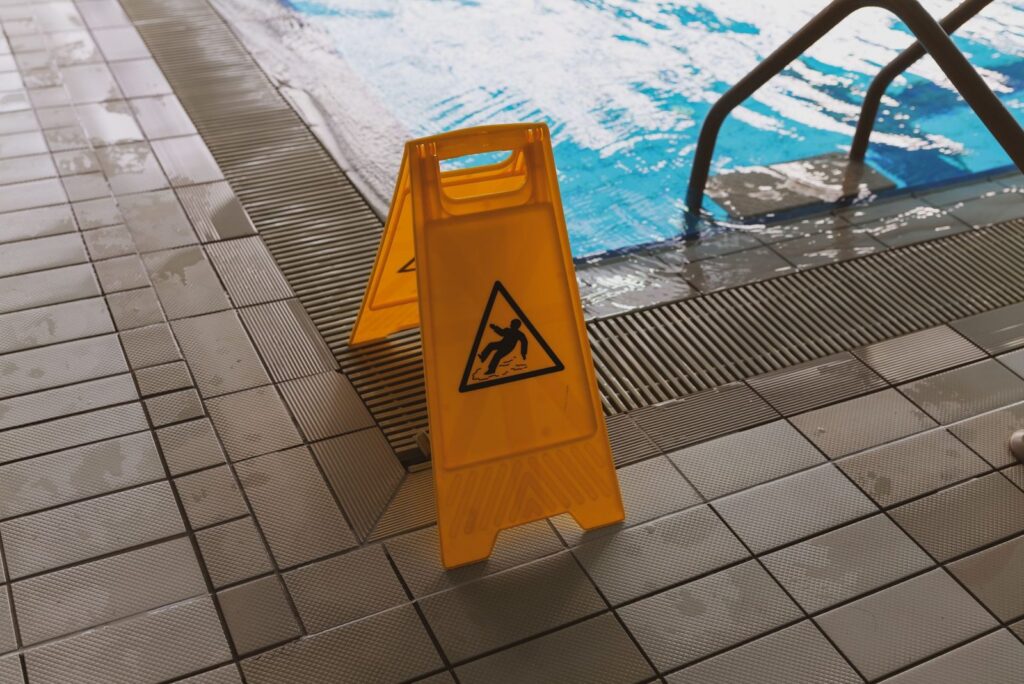
If you were injured on someone else's property due to negligence, you may have a claim. Talk it through with our team — the first consultation is free, confidential, and carries no obligation.
What Is Premises Liability—and What Does It Mean for You?
Premises liability is the legal duty a property owner or manager owes to keep their property reasonably safe for people lawfully visiting it. In Florida, this duty is codified in case law and enforced through the courts. It does not mean the property must be perfect. It means the owner must act reasonably—inspecting regularly, fixing known problems promptly, and warning visitors of hazards they cannot immediately fix.
Here’s what “reasonable” looks like in practice:
- A grocery store manager inspects aisles hourly for spills and debris, and places wet-floor signs when cleaning.
- An apartment complex maintains working outdoor lighting, repairs broken pavement, and fixes damaged stairs within days of learning about them.
- A restaurant promptly wipes up a spill instead of leaving it for hours, creating a slip hazard.
If a property owner fails in that duty and someone is injured as a result, the injured person may have a claim for damages—including medical bills, lost wages, pain and suffering, and the cost of ongoing care.
The Legal Foundation: Florida’s Duty of Care
Florida law recognizes that property owners have a responsibility to visitors. Courts apply a standard called the “duty of care,” which asks: Would a reasonable property owner have known about this hazard, and would a reasonable owner have fixed it or warned about it?
A property owner cannot simply ignore a hazard and later claim ignorance. If a hazard existed long enough that a reasonable owner should have discovered and fixed it—say, a broken step that’s been cracked for months, or a pothole in a parking lot that’s been there through multiple rain events—the owner may be liable for injuries it causes.
This is sometimes called the “constructive knowledge” standard. Even if the owner didn’t personally see the hazard, if it was there long enough that the owner should have seen it through normal inspection, the owner bears responsibility.
Common Causes of Slip and Fall Accidents in Plantation
Slip-and-fall accidents happen across Plantation—in the retail and dining district along Federal Highway, in apartment complexes, parking lots, and office buildings. Common causes include:
- Wet or slippery floors without warning signs or adequate cleaning
- Broken or uneven flooring, cracked pavement, or damaged steps
- Poor lighting in parking lots, stairwells, or entryways that makes hazards hard to see
- Cluttered walkways or obstacles left in common areas
- Inadequate maintenance of outdoor areas during rain or after weather events
- Failure to repair known hazards or address recurring problems—like a step that’s been loose for weeks
Injuries That Change Lives: From Minor to Catastrophic
Slip-and-fall injuries range from minor bruises to serious, permanent, life-altering conditions:
- Broken bones (wrists, ankles, hips, arms) requiring surgery and months of rehabilitation
- Head and brain injuries, including concussions and traumatic brain injury that may cause cognitive changes, memory loss, or personality changes
- Spinal cord injuries and back injuries, sometimes resulting in permanent paralysis (paraplegia or quadriplegia)
- Severe lacerations and soft-tissue damage requiring plastic surgery or leaving permanent scarring
- Knee and joint injuries requiring arthroscopic or open surgery, often followed by years of physical therapy
- Injuries that result in permanent disability, chronic pain, or loss of mobility
In the catastrophic-injury cases we handle, slip-and-fall accidents have caused spinal cord injuries, traumatic brain injuries, and permanent mobility loss that fundamentally alter a person’s life—affecting their ability to work, care for themselves, and participate in activities they once enjoyed. These injuries deserve serious legal representation and fair compensation that accounts for long-term care, lost earning capacity, and diminished quality of life—not quick, low settlements that undervalue what the injured person will actually need.
What to Do Immediately After a Slip and Fall
Your actions in the first hours and days after a fall can significantly impact your claim:
-
Seek medical attention immediately, even if your injuries seem minor. Some injuries—including brain injuries and spinal injuries—worsen over time or show symptoms days later. A medical record created on the day of the fall is crucial documentation.
-
Report the fall to the property manager, store manager, or owner. Ask that an incident report be filed and request a copy for your records.
-
Take photos and video of the hazard that caused your fall, the surrounding area, and your injuries. Document the condition of the property—wet floors, broken pavement, poor lighting, obstacles. Timestamp your photos if possible.
-
Get witness information. Collect the names, phone numbers, and email addresses of anyone who saw the fall or the hazardous condition.
-
Keep all documentation. Save medical records, receipts, bills, pay stubs showing lost wages, and any other expenses related to your injury. Keep a journal of your recovery, pain levels, and how the injury affects your daily life.
-
Do not sign anything or agree to any settlement without speaking to an attorney first. Insurance companies may contact you quickly with low offers designed to close the claim before you understand its full value.
-
Contact an attorney as soon as possible. Florida has a strict time limit for filing claims, and evidence can disappear, fade, or become harder to obtain as time passes.
If you've fallen on someone else's property in Plantation and are dealing with injury and medical bills, reach out for a free case evaluation. Talk it through with our team — the first consultation is free, confidential, and carries no obligation.
How to Prove a Property Owner Was Negligent
To win a slip-and-fall claim, you must establish four elements:
-
The owner owed you a duty of care. This is almost always true—property owners owe a duty to lawful visitors.
-
The owner breached that duty. This means the owner failed to inspect, failed to repair, or failed to warn. For example, the owner didn’t fix a known broken step, or didn’t place a wet-floor sign after spilling liquid.
-
You were injured. Your medical records prove this.
-
The owner’s breach caused your injury. The hazard directly led to your fall and injury.
Evidence that supports these elements includes:
- Photos and video of the hazard and the accident scene
- Witness statements from people who saw the fall or the hazardous condition
- Maintenance records showing the owner knew about the hazard or should have known
- Medical records documenting your injury and treatment
- Expert testimony from engineers, safety experts, or medical professionals
What If You Were Partially at Fault?
Florida follows a rule called comparative negligence, codified in Florida Statute §768.81. You can still recover damages even if you were partially at fault for your fall—as long as you were not more than 50% responsible.
Example: You were texting and stepped into a pothole, but the property owner failed to mark or repair the pothole despite knowing about it for months. You might be 20% at fault for not paying attention, but the owner’s negligence may still make them 80% liable. You could recover 80% of your damages.
If you are found to be more than 50% responsible, you cannot recover any damages. An attorney can help evaluate how comparative negligence might affect your specific claim.
Compensation: What Damages Can You Recover?
Damages in a slip-and-fall claim can include:
- Medical bills (past and future)—emergency room visits, surgery, hospitalization, physical therapy, ongoing treatment
- Lost wages and lost earning capacity—income you lost while recovering, and reduced earning ability if your injury is permanent
- Pain and suffering—compensation for physical pain, emotional distress, and reduced quality of life
- Costs of ongoing care or rehabilitation—home health care, assistive devices, modifications to your home
- Permanent disability or disfigurement—if your injury causes lasting changes to your appearance or function
There is no fixed “typical” payout. Each case is unique and depends on the severity of your injury, the strength of evidence of the owner’s negligence, and the actual losses you’ve incurred. An attorney can help you calculate the full value of your claim, including damages that may not be immediately obvious.
The Statute of Limitations: Your Time Limit to File
In Florida, you generally have two years from the date of your slip-and-fall accident to file a lawsuit. This deadline is called the statute of limitations (Florida Statute §95.11), and it is strictly enforced by the courts. If you miss it, you lose your right to sue—permanently.
Do not wait. The sooner you contact an attorney, the sooner evidence can be preserved, witness memories are fresh, and your claim can be properly investigated. Insurance companies may also have shorter internal deadlines for reporting claims, so prompt action protects your interests.
How Personal-Injury Attorneys Work: The Contingency Fee Model
Most personal-injury attorneys, including those at CHG Personal Injury Lawyers, work on a contingency-fee basis. Here’s what that means in plain terms:
- You pay no upfront fees. You do not pay to hire the attorney or to investigate your case.
- You pay nothing if your case doesn’t recover. If there is no settlement or judgment, you owe the attorney nothing.
- The attorney’s fee comes from your recovery. If you win, the attorney takes an agreed percentage (typically 33% to 40%) of what you recover. The rest goes to you, after medical bills and case expenses are paid.
This model removes the financial barrier to getting legal help. You do not need money upfront to pursue your claim. The attorney’s incentive is aligned with yours—they succeed only if you recover.
Not sure what your next step is?
Talk it through with our team — the first consultation is free, confidential, and carries no obligation.
Why Local Representation Matters in Plantation
An attorney familiar with Plantation and Broward County understands local property owners, businesses, and insurance practices. Local counsel knows the courts, judges, and procedures specific to your area. A local firm can meet with you in person, inspect the accident scene quickly, and gather evidence before it disappears.
Experienced local representation also sends a clear message to insurance companies that your claim is being taken seriously and that you have knowledgeable legal support. This often leads to better settlement outcomes and faster resolution.

Frequently Asked Questions
How long does a slip-and-fall case take?
Most cases settle within 6 to 18 months. Some take longer if the injury is severe or liability is disputed. Your attorney can give you a better timeline based on your specific case.
Do I have to go to court?
Most slip-and-fall claims settle without trial. Your attorney will handle negotiations with the insurance company and advise you whether a settlement offer is fair or whether proceeding to trial makes sense.
What if the property owner says I was careless?
Even if you were partially careless, you may still have a claim under Florida’s comparative-negligence rule—as long as you were not more than 50% at fault. An attorney can help evaluate your share of responsibility.
How do I know if my case is worth pursuing?
If you have suffered a significant injury and the property owner was negligent, a claim is typically worth pursuing. Even minor injuries can have unexpected complications. An attorney can evaluate your case and explain its potential value at no cost to you.
If you’ve fallen on someone else’s property in Plantation and are dealing with injury and medical bills, reach out for a free case evaluation. We can answer your questions, explain your rights under Florida law, and discuss your options with no obligation.
Why Choose CHG Personal Injury Lawyers
Focused on Your Recovery
We focus exclusively on personal injury cases. Your case gets the full attention of attorneys who understand slip-and-fall injuries and the property-owner liability that causes them.
No Fees Unless There Is a Recovery
You pay nothing upfront. We work on contingency—our fees come only if your case recovers money.
Direct Communication
You speak with real attorneys, not just staff. We're here to answer your questions and keep you informed every step of the way.
Local Knowledge, National Reach
Based in Florida and licensed to practice here, we understand Plantation property laws and handle cases nationwide.
Common Questions About Slip and Fall Claims
How long does a slip-and-fall case take?
Most cases settle within 6 to 18 months. Some take longer if the injury is severe or liability is disputed. Your attorney can give you a better timeline based on your specific case.
Do I have to go to court?
Most slip-and-fall claims settle without trial. Your attorney will handle negotiations with the insurance company and the property owner's legal team.
What if I was partially at fault?
Florida law allows you to recover even if you were partly responsible, as long as you were not more than 50% at fault. We'll investigate the full circumstances of your fall.
What damages can I recover?
You may recover medical bills, lost wages, pain and suffering, and other costs related to your injury. We'll work to document all your losses.
Act Quickly
Evidence at the scene—photos, witness names, maintenance records, and security footage—can disappear. The sooner you report your injury and consult an attorney, the better we can preserve the proof you need.