

Slip and Fall Lawyer
Slip and Fall Injury Lawyer in Pinecrest, Florida
If you were injured on someone else's property due to negligence, you may have a claim. CHG Personal Injury Lawyers focuses exclusively on slip and fall cases and other serious injuries. We're here to help you understand your options.
By CHG Lawyers · Published September 12, 2026
Slip and Fall Injury in Pinecrest: Know Your Rights
If you’ve slipped and fallen on someone else’s property in Pinecrest—at a shopping center, restaurant, apartment complex, or parking lot—you may have a legal claim against the property owner. A slip-and-fall injury can range from a minor sprain to a serious, life-altering injury like a broken bone, head trauma, or spinal cord damage. Understanding your rights is the first step toward recovery.
If you were injured on someone else's property due to negligence, you may have a claim. Talk it through with our team — the first consultation is free, confidential, and carries no obligation.
Slip and Fall Injuries in Pinecrest: When a Property Owner Is Liable
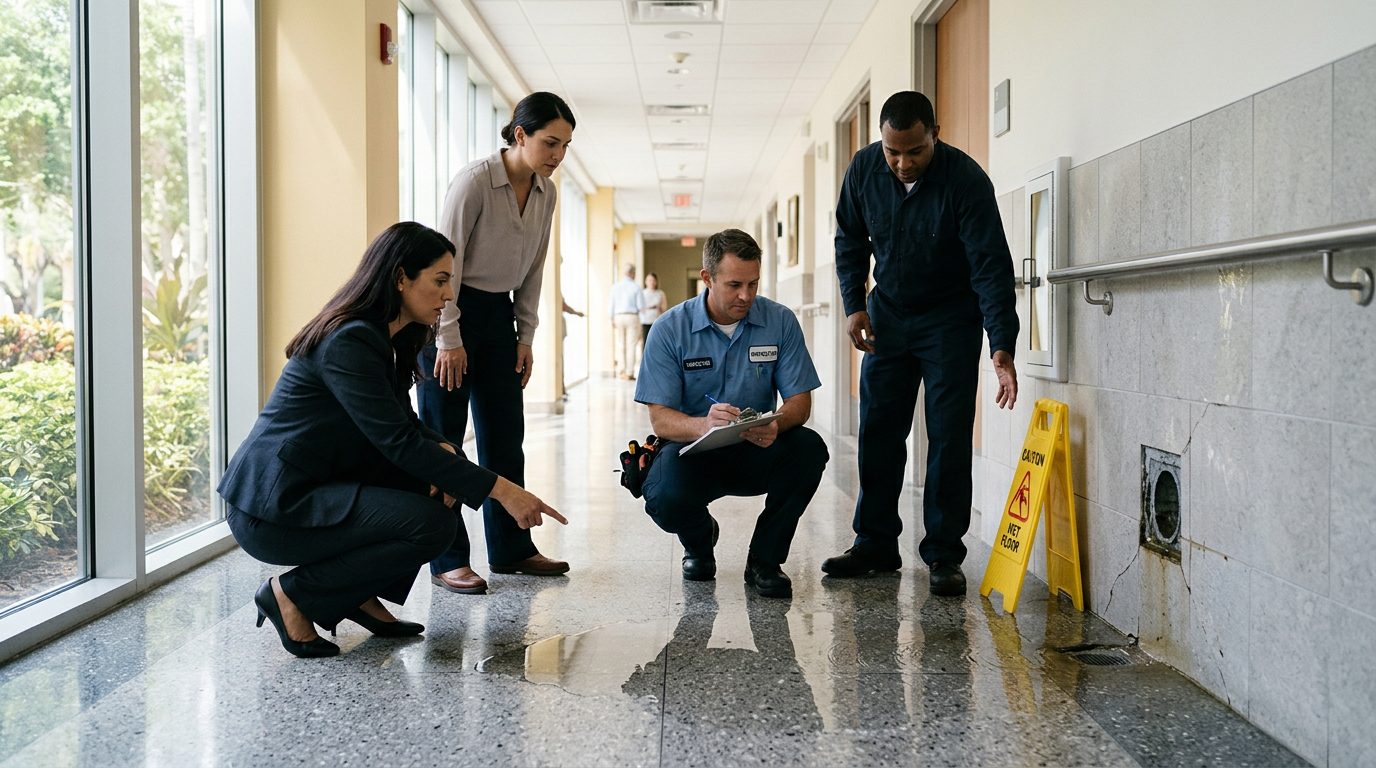
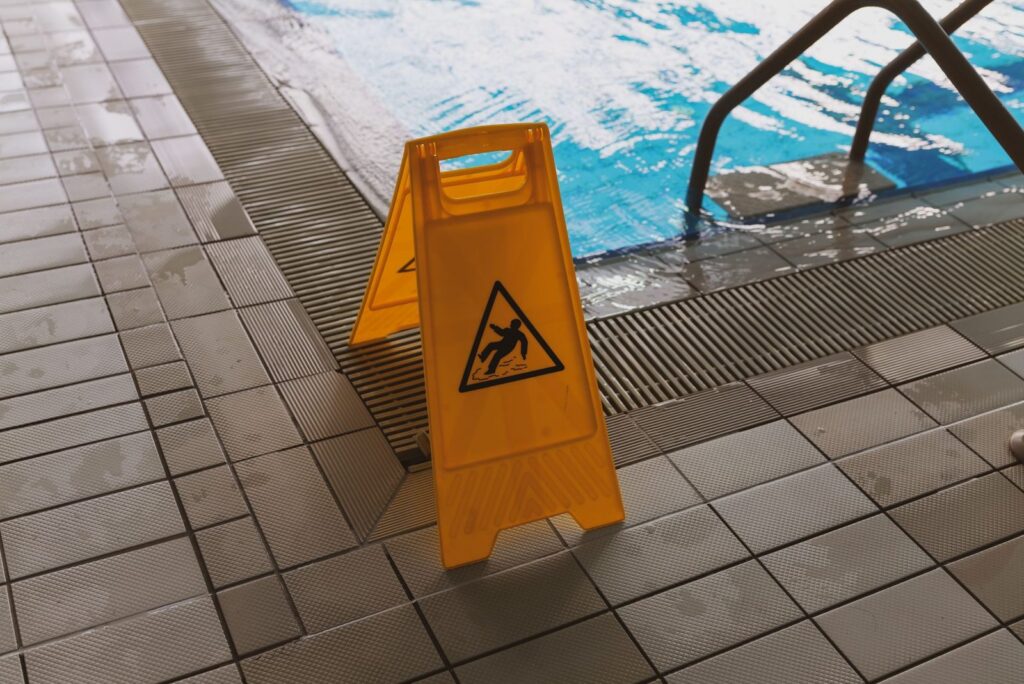
A slip-and-fall injury happens when you fall on someone else’s property because of an unsafe condition. That might be a wet floor, broken stairs, poor lighting, or debris. The property owner failed to fix it or warn you about it.
Pinecrest residents and visitors have legal rights when a property owner’s negligence causes you to fall and get hurt.
Property owners in Florida have a legal duty. They must keep their premises reasonably safe. This means inspecting for hazards, fixing known dangers, and warning visitors of risks they should have discovered.
When a property owner breaks that duty and you’re injured, you may have a claim for premises liability—the legal term for injury caused by unsafe property conditions.
Some slip-and-fall cases result in broken bones, traumatic brain injuries, or spinal cord injuries. These can cause permanent disability. Even if your injury seems less severe right now, it’s worth understanding whether you have a viable claim.
What Are the Four Proofs of Negligence?
To win a slip-and-fall claim, you must prove four elements of negligence. All four must be present.
Duty. The property owner had a legal duty to keep the property reasonably safe for visitors. This duty exists at shopping centers, restaurants, apartment complexes, parking lots, and retail stores throughout Pinecrest.
Breach. The owner failed to maintain the property or warn of a known hazard. A breach might be: – A wet floor without a warning sign – Broken stairs – Poor lighting in a stairwell or parking garage – Debris left uncleared – Failure to repair an uneven sidewalk or pothole after rain
Causation. That failure directly caused your fall and injury. You didn’t trip because you weren’t paying attention. You fell because of the unsafe condition the owner created or allowed to exist.
Damages. You suffered actual injury and losses. Damages include: – Medical bills – Lost wages from time off work – Pain and suffering – Permanent disability or reduced quality of life (in severe cases)
If any one of these four elements is missing or weak, your claim becomes harder to prove. That’s why evidence matters so much.
Is It Worth Suing for a Slip and Fall?
Whether a slip-and-fall claim is worth pursuing depends on several factors: – The severity of your injury – Your medical costs – Lost income – The strength of evidence that the property owner was negligent
A minor sprain with a few hundred dollars in medical bills may not justify the time and cost of a lawsuit. But serious injuries—broken bones requiring surgery, head injuries, spinal cord injuries, or permanent disability—often justify a claim.
Many slip-and-fall cases are resolved through settlement negotiations without going to trial. This can save time and expense.
The only way to know if your case is worth pursuing is to have a free case evaluation. An attorney can review the facts, your injuries, and the evidence. That conversation costs nothing and gives you a clear answer.
How Hard Is It to Win a Slip and Fall Case?
Success in a slip-and-fall case depends heavily on evidence. You’ll need: – Photos of the hazard and the scene where you fell – Witness statements from people who saw what happened – Property maintenance records (if available) – An incident report filed with the property owner – Medical documentation of your injury
Property owners and their insurance companies often dispute liability. They may claim the hazard was obvious and you should have avoided it. Or they may say you were careless and partially at fault for your own fall. Evidence becomes critical here.
Florida follows a comparative negligence rule. Under Fla. Stat. §768.81, if a court finds you were more than 50% responsible for your own injury, you generally cannot recover damages.
If you’re found 30% at fault and the property owner 70% at fault, your recovery is reduced by 30%. This shared-fault rule makes strong evidence even more important.
Each case is unique. The strength of your evidence, the severity of your injury, and the circumstances of the fall all matter. There’s no single formula that guarantees success, but thorough investigation and solid evidence give you the best chance.
What Is a Good Settlement Offer for a Slip and Fall?
Settlement amounts in slip-and-fall cases vary widely. A minor injury might settle for a few thousand dollars. A serious injury—surgery, hospitalization, ongoing treatment, or permanent disability—may be worth significantly more.
Settlement offers typically account for: – Medical expenses – Lost wages – Pain and suffering – Any permanent effects on your quality of life
Property owners’ insurance companies often make low initial offers. They hope you’ll accept quickly without legal advice. Accepting the first offer is rarely in your best interest.
An attorney can evaluate whether an offer is fair based on your specific injuries, costs, and losses. We can also negotiate on your behalf to push for a settlement that truly reflects what you’ve endured. You don’t have to accept the insurance company’s first number.
Not sure what your next step is?
Talk it through with our team — the first consultation is free, confidential, and carries no obligation.
Common Slip and Fall Hazards in Pinecrest
Pinecrest’s tree-lined streets and upscale shopping centers are part of what makes the neighborhood attractive. But property owners still have a duty to maintain safe conditions. Common hazards include:
- Wet or slippery floors in retail stores, restaurants, and offices without warning signs
- Broken or uneven sidewalks and parking lots
- Poor lighting in parking garages, stairwells, and common areas
- Debris, clutter, or obstacles left uncleared
- Broken stairs or missing handrails
- Inadequate maintenance of grounds after rain or weather events
Property owners have a legal duty to address these hazards promptly. Neglecting maintenance or ignoring a known danger can make them liable for your injuries.
What to Do After a Slip and Fall in Pinecrest
If you’ve fallen on someone else’s property, take these steps to protect your claim:
-
Seek medical attention immediately. Even if the injury seems minor, get checked out. Some injuries worsen over time, and medical records are critical evidence.
-
Report the incident. Tell the property owner or manager what happened. Ask for a written incident report and keep a copy.
-
Document the scene. Take photos of the hazard, the area where you fell, and your injuries. Photos are powerful evidence.
-
Collect witness information. Get the names and contact information of anyone who saw the fall.
-
Keep all records. Save medical bills, receipts, prescriptions, documentation of lost wages, and any other expenses related to your injury.
-
Don’t sign anything. Do not sign documents or statements from the property owner’s insurance company without legal advice first.
-
Contact an attorney. Reach out to a personal injury lawyer as soon as possible. Florida has a two-year statute of limitations on personal injury claims, measured from the date of injury, under Fla. Stat. §95.11. Don’t wait.
Why Pinecrest Residents Choose CHG Personal Injury Lawyers
CHG Personal Injury Lawyers focuses exclusively on personal injury claims, including slip-and-fall and premises liability cases. Our licensed Florida attorneys have experience handling these claims in Pinecrest and throughout Miami-Dade County.
We offer a free case evaluation—no cost to discuss your injury, what happened, and your legal options. We don’t charge a fee unless we recover compensation for you. We’re bilingual (English and Spanish), and we’re committed to understanding your specific situation and fighting for fair compensation.
You don’t have to navigate the insurance company and the claims process alone. We’re here to listen, explain your rights, and help you move forward.
Contact CHG Personal Injury Lawyers for a Free Case Evaluation
If you’ve slipped and fallen on someone else’s property in Pinecrest and you’re facing medical bills or lost time at work, you may have a claim against the property owner. People in your situation reach out to us regularly for a free evaluation.
Call or contact CHG today. We’ll review your case, answer your questions, and explain your options. There’s no obligation, and there’s no cost for the consultation.
Have questions about what happened?
Ask our team directly. The first conversation is free, confidential, and there is no obligation to continue.
Frequently Asked Questions
How long do I have to file a slip and fall claim in Florida?
You have two years from the date of your injury to file a personal injury lawsuit, under Fla. Stat. §95.11. Don’t wait; contact an attorney soon to protect your rights.
Can I be partially at fault and still recover damages?
Yes. Under Florida’s comparative negligence rule, you can recover even if you’re partially at fault—as long as you’re not more than 50% responsible. Your recovery is reduced by your percentage of fault.
What evidence do I need to prove a slip and fall claim?
Photos of the hazard and scene, witness statements, property maintenance records, an incident report, medical documentation, and records of your expenses (medical bills, lost wages) are all critical.
What damages can I recover?
You can recover medical expenses, lost wages, pain and suffering, and compensation for permanent disability or reduced quality of life if applicable.
Do I need an attorney for a slip and fall claim?
You’re not required to have an attorney. But property owners’ insurance companies have lawyers and adjusters trained to minimize payouts. An attorney levels the playing field and helps ensure you receive fair compensation.
Know Your Timeline
In Florida, you have a limited window to file a personal injury claim. The sooner you contact an attorney, the sooner we can protect your rights and gather evidence while it's fresh.
What Happens After a Slip and Fall
Report the Incident
Document what happened and notify the property owner or manager. Get written confirmation of your report and take photos of the hazard that caused your fall.
Seek Medical Care
Even if your injury seems minor, see a doctor. Medical records create an important link between the fall and your injuries—critical for any claim.
Gather Evidence
Collect witness contact information, security camera footage (if available), maintenance records, and any incident reports. These strengthen your case.
Talk to an Attorney
A lawyer can evaluate whether the property owner was negligent and whether you have a valid claim for your medical bills, lost wages, and pain and suffering.
Why Choose CHG Personal Injury Lawyers
Focused on Your Recovery
We focus exclusively on personal injury cases. Our entire practice is built around understanding accident injuries and helping clients like you get answers.
No Fees Unless There's a Recovery
We work on contingency. You pay nothing upfront, and we only collect a fee if we recover compensation for you.
Local Knowledge, National Reach
We're based in Florida and know Pinecrest and the surrounding area. We also handle cases nationwide, bringing the same dedication to every client.
Plain-Language Guidance
We explain your options clearly—no legal jargon, no pressure. You'll understand what happened, what your claim is worth, and what comes next.
Common Questions About Slip and Fall Claims
What makes a property owner liable for my fall?
A property owner can be held responsible if they knew (or should have known) about a hazardous condition—like a wet floor, broken step, or debris—and failed to fix it or warn visitors. The owner must have been negligent.
Can I recover if I was partially at fault?
Yes. Florida's comparative negligence rule allows you to recover even if you share some responsibility for the fall, as long as you were not more than 50% at fault.
What damages can I claim?
You may recover medical expenses, lost wages, pain and suffering, and other costs directly tied to your injury. An attorney can evaluate the full value of your claim.
How long does a slip and fall case take?
Timeline varies. Some cases settle quickly; others go to trial. We'll keep you informed every step of the way and work toward the best outcome for your situation.