

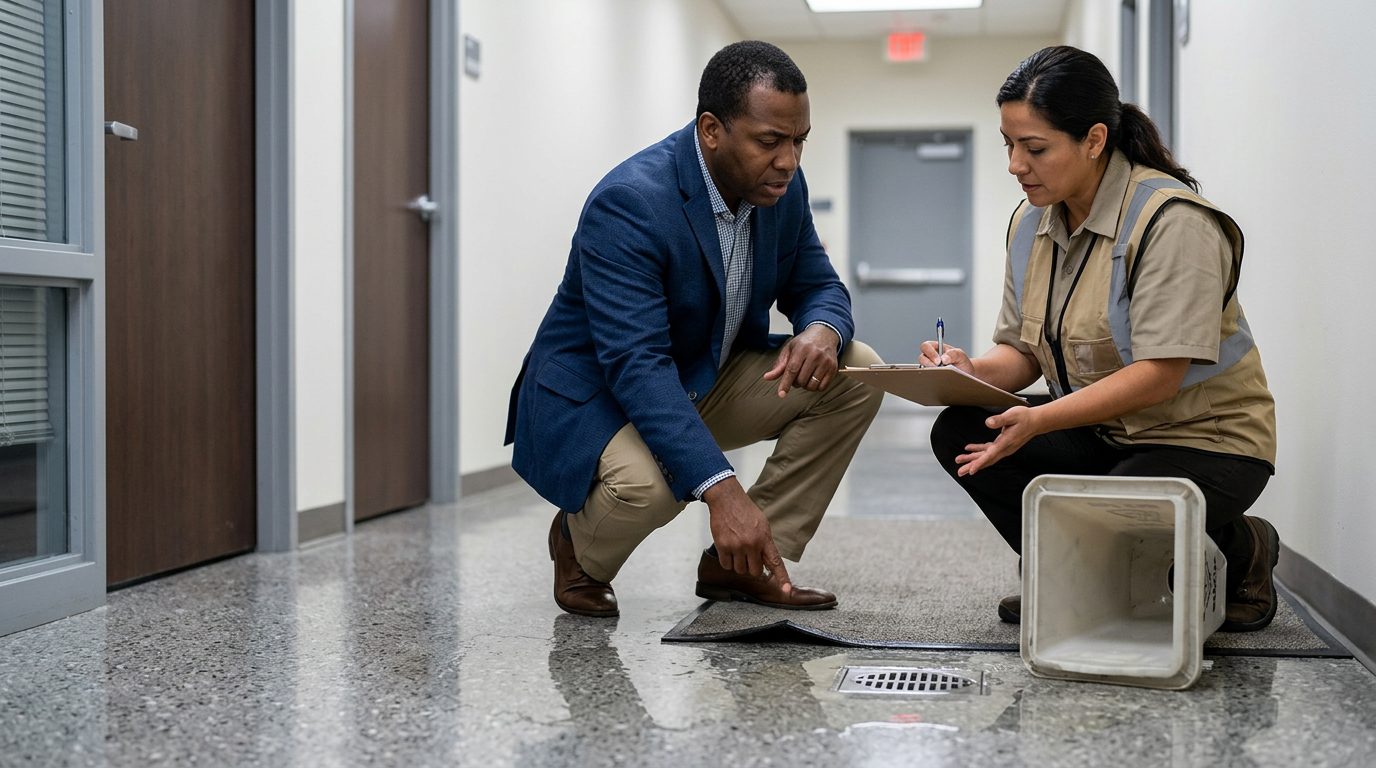
Slip and Fall Lawyer
Slip and Fall Injury in Palmetto Bay? You May Have a Claim
If you were injured on someone else's property because of a hazard they failed to fix or warn you about, the property owner may be liable. CHG Personal Injury Lawyers focuses exclusively on catastrophic and serious injuries. Get a free case evaluation.
By CHG Lawyers · Published September 12, 2026
Slip and Fall in Palmetto Bay: Know Your Rights Under Florida Law
If you’ve slipped and fallen on someone else’s property in Palmetto Bay—at a grocery store, restaurant, apartment complex, parking lot, or retail space—you may have a legal claim against the property owner. When a business, landlord, or property manager fails to keep the area safe or warn of dangers, and you’re injured as a result, Florida law may entitle you to compensation for your medical bills, lost wages, and pain and suffering.
This guide explains how slip-and-fall claims work in Palmetto Bay and Miami-Dade County, answers common questions, and shows you how to move forward if you’ve been hurt.
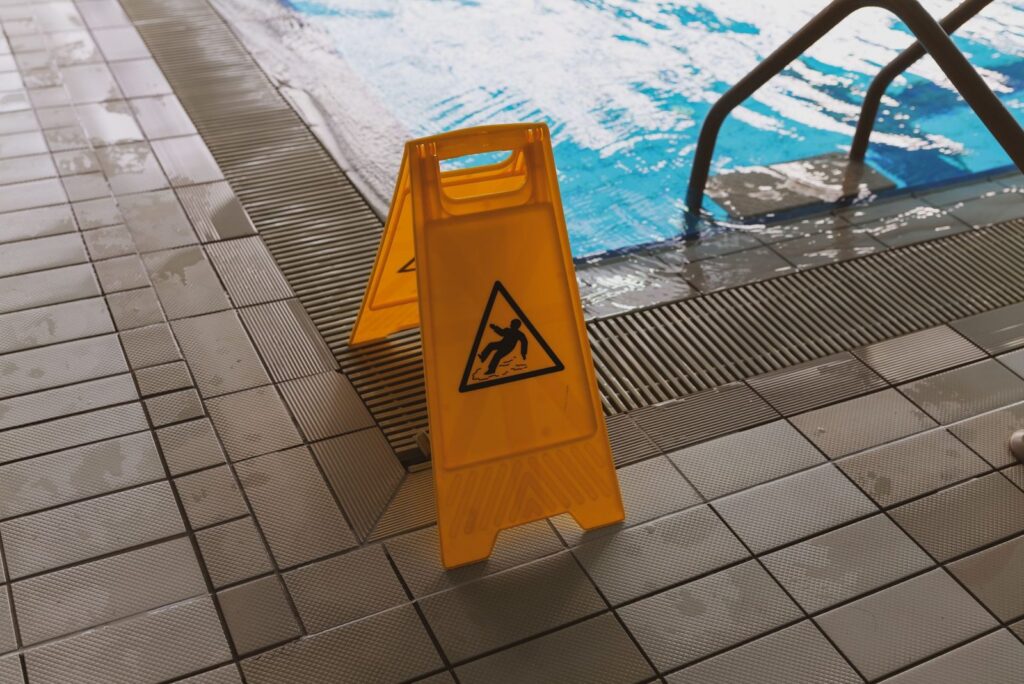
If you were injured on someone else's property because of a hazard they failed to fix or warn you about, the property owner may be liable. Talk it through with our team — the first consultation is free, confidential, and carries no obligation.
How Slip and Fall Claims Work in Florida
In Florida, property owners have a legal duty to keep their premises reasonably safe for visitors. If a hazard exists—wet floors, broken stairs, poor lighting, debris, uneven pavement—the owner must either fix it, warn visitors, or face liability for injuries.
To have a valid claim, you must prove three things:
-
The property owner knew (or should have known) about the hazard. This means the owner either knew about the danger directly, or the hazard was so obvious or had existed so long that a reasonable owner would have found it. Examples: a wet floor in a grocery store left unmopped for hours, or a broken step in an apartment building that was reported but never repaired.
-
The owner failed to address the hazard. They didn’t fix it, didn’t warn you, and didn’t take reasonable steps to make the area safe. A “Wet Floor” sign or prompt repair would have satisfied this duty.
-
The hazard directly caused your injury. Your fall and the harm you suffered wouldn’t have happened without the unsafe condition.
Florida law recognizes different categories of visitors, and the duty of care owed to each varies. Most slip-and-fall cases involve invitees—customers, tenants, and guests—to whom property owners owe the highest duty of care under Fla. Stat. §768.81. Property owners must inspect their premises regularly, fix known hazards promptly, and warn of dangers they discover.
Understanding Florida’s Comparative Negligence Rule
Florida follows a rule called comparative negligence. You can recover damages even if you were partially at fault for your fall, as long as you were not more than 51% responsible.
Here’s how it works: Suppose you were awarded $100,000 in damages but found to be 30% at fault (perhaps you were wearing inappropriate footwear or not paying attention). Your recovery would be reduced by 30% to $70,000.
If you’re found to be 51% or more at fault, you cannot recover anything under Fla. Stat. §768.81.
This rule means that even if you contributed to the accident, you may still have a valid claim. The strength of your case depends on the specific facts and evidence.
What Determines the Value of Your Slip and Fall Claim?
There is no single “typical” payout because every case is unique. Your recovery depends on the severity of your injury, your medical expenses, lost wages, and how negligent the property owner was.
Minor injuries (sprains, small cuts, bruises) may result in settlements covering medical bills and a modest amount for pain and suffering.
Serious injuries (fractures, head injuries, spinal injuries, or injuries requiring surgery) can result in much larger settlements or jury awards.
Factors that influence the value of your claim include:
- The total cost of medical treatment (past and future)
- Whether you lost income or cannot work
- Whether your injury is permanent
- Your age and earning capacity
- How strong the evidence is that the property owner was negligent
- Whether the property owner has insurance or assets to pay
- Local factors in Miami-Dade County: the cost of living and medical care in South Florida, and how juries in your area evaluate premises-liability cases
The strength of your evidence directly affects your claim’s value. Photos of the hazard, witness statements, maintenance records, medical documentation, and incident reports all matter.
Not sure what your next step is?
Talk it through with our team — the first consultation is free, confidential, and carries no obligation.
Is It Worth Pursuing a Slip and Fall Claim?
Whether a slip-and-fall claim is worth pursuing depends on three things: the severity of your injury, how clear the property owner’s negligence was, and whether there’s insurance or other funds to pay.
If you suffered a serious injury—broken bones, head trauma, spinal injury, or long-term pain and disability—a claim is almost always worth exploring.
Even for less severe injuries, if the property owner was clearly negligent (a known hazard left unaddressed, poor maintenance, ignored safety violations), you may recover enough to cover your medical bills and lost time.
Consider the cost of pursuing a claim. Most personal injury attorneys work on contingency: you pay nothing unless you win or settle. Your financial risk is minimal. A free case evaluation can help you understand whether your situation justifies a claim.
What to Do After a Slip and Fall in Palmetto Bay
Your actions immediately after a fall can protect your health and strengthen your legal claim. Here’s what to do:
Seek medical attention immediately, even if your injury seems minor. Some injuries (concussions, internal injuries, spinal damage) may not be obvious at first. A medical record also documents the link between the fall and your injury—this is critical evidence.
Report the incident to the property owner or manager and request a written record. Ask for a copy of the incident report. If they refuse, note the date, time, and who you spoke with.
Take photos and video of the hazard that caused your fall, the surrounding area, your injuries, and any warning signs (or lack thereof). Photos taken soon after the fall are powerful evidence. Include wide shots showing the overall condition and close-ups of the specific hazard.
Collect contact information from any witnesses who saw the fall or the hazardous condition. Get their names, phone numbers, and email addresses. Witness statements are often decisive in premises-liability cases.
Keep all records: medical bills, receipts, pay stubs showing lost wages, photographs, and any correspondence with the property owner or their insurance company. Store originals safely and make copies.
Do not sign anything or make a recorded statement to an insurance company without legal advice. Insurance adjusters may try to minimize your claim or get you to admit fault. Anything you say can be used against you later.
Contact a personal injury attorney as soon as possible to protect your rights and preserve evidence. In Florida, you have two years from the date of your injury to file a lawsuit under Fla. Stat. §95.11. Acting sooner protects evidence and witnesses.
Common Slip and Fall Scenarios in Palmetto Bay
- Wet or slippery floors in retail stores, restaurants, or grocery stores without warning signs
- Broken or uneven sidewalks and pavement in parking lots, apartment complexes, or commercial areas
- Poor lighting in parking garages, stairwells, or outdoor walkways that conceals hazards
- Debris, clutter, or obstacles left on floors or walkways
- Broken stairs, handrails, or steps in apartment buildings or commercial properties
- Poolside hazards at apartment complexes or hotels (slippery surfaces, inadequate drainage)
- Negligent maintenance of common areas in residential or commercial properties
Why Palmetto Bay Residents Trust CHG Personal Injury Lawyers
CHG focuses exclusively on personal injury cases, including slip-and-fall claims. We bring years of experience handling premises-liability cases in Miami-Dade County and understand Florida law, local property-owner practices, and how insurance companies evaluate claims in the Palmetto Bay area.
We work on contingency: you pay nothing unless we recover compensation for you. We handle all communication with insurance companies and property owners so you can focus on recovery.
We are bilingual (English/Spanish) and serve the Palmetto Bay community with empathy and clear, plain-language guidance.
Our attorneys are licensed in Florida and committed to fighting for the rights of injured residents.
Have questions about what happened?
Ask our team directly. The first conversation is free, confidential, and there is no obligation to continue.
Frequently Asked Questions
How long do I have to file a slip and fall claim in Florida?
You have two years from the date of your injury to file a lawsuit in Florida under Fla. Stat. §95.11. Don’t wait—evidence fades and witnesses move away.
What if the property owner says it was my fault?
Florida’s comparative-negligence rule allows you to recover even if you were partially at fault, as long as you weren’t more than 51% responsible.
Do I need a lawyer for a slip and fall claim?
You’re not required to hire an attorney, but having one protects your rights, preserves evidence, and often results in a larger recovery. Most attorneys work on contingency, so there’s no upfront cost.
What should I do if the property owner’s insurance company contacts me?
Don’t give a recorded statement or sign anything without legal advice. Contact an attorney first.
How much does it cost to hire a slip and fall lawyer?
Most personal injury attorneys work on contingency: you pay a percentage of your recovery (typically 25–40%), and nothing if you don’t win or settle.
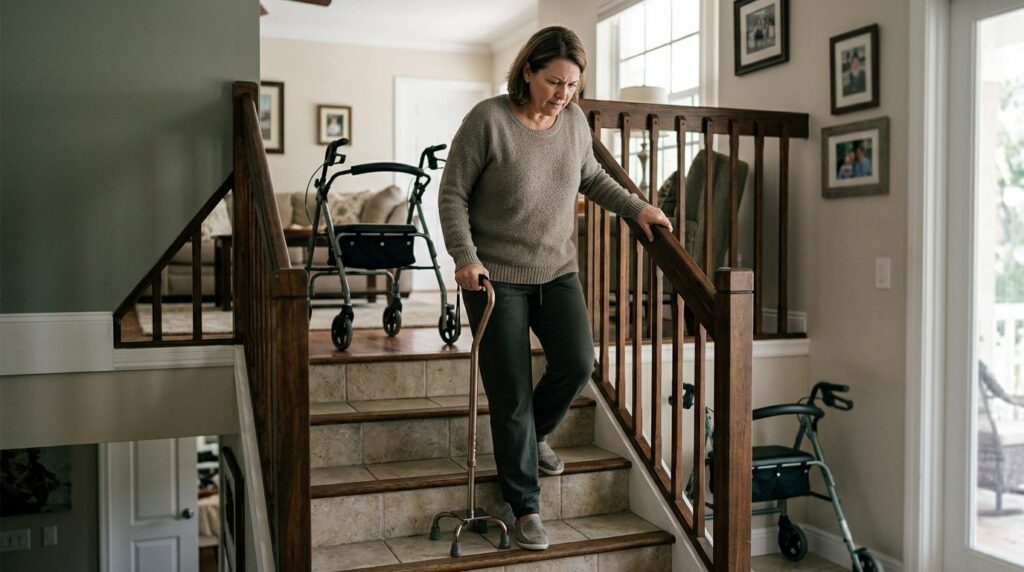
Get Your Free Case Evaluation
If you’ve slipped and fallen on someone else’s property in Palmetto Bay and are dealing with pain, medical bills, or lost time, you deserve to know whether you have a claim. A free case evaluation is the first step: we’ll listen to what happened, review the facts, and explain your options—with no obligation and no cost.
Contact CHG Personal Injury Lawyers today for a free case evaluation. People in your situation reach out to us regularly, and we’re here to help.
Time Matters
In Florida, you have a limited window to file a slip and fall claim. Evidence fades, witnesses move away, and memories blur. The sooner you act, the stronger your case.
What You Need to Know About Slip and Fall Claims
Property Owner Responsibility
Property owners have a duty to maintain safe conditions and warn visitors of known hazards. If they failed to do so and you were injured, they may be liable for your medical bills, lost wages, and pain and suffering.
Comparative Negligence in Florida
Even if you were partially at fault for your fall, Florida law may still allow you to recover damages. What matters is whether the property owner's negligence was a substantial factor in your injury.
Documentation Is Critical
Photos of the hazard, incident reports, medical records, and witness statements strengthen your claim. If you can, document the scene and your injuries as soon as possible after the fall.
Common Slip and Fall Hazards
Wet floors, broken stairs, poor lighting, uneven surfaces, debris, and inadequate handrails are frequent causes. Property owners must either fix these hazards or post clear warnings.
Why Choose CHG Personal Injury Lawyers
Focused on Your Recovery
We focus exclusively on personal injury cases, from everyday accidents to catastrophic, life-altering injuries. Your case gets the attention it deserves.
No Fees Unless There Is a Recovery
We work on contingency. You pay nothing upfront, and we only collect a fee if your case results in a settlement or judgment.
Available for a Free Consultation
Contact us to discuss your slip and fall injury. We'll listen to your story, explain your options, and answer your questions—at no cost.
Serving Palmetto Bay and Beyond
Based in Florida and handling cases nationwide, we understand local property-liability laws and have the resources to pursue your claim wherever it leads.