


Premises Liability & Slip and Fall
Slip and Fall Cases: When a Property Owner's Negligence Leaves You Injured
If you were hurt on someone else's property due to unsafe conditions, you may have a claim for damages. CHG Personal Injury Lawyers focuses exclusively on premises liability cases throughout Florida and nationwide.
By CHG Lawyers · Published September 28, 2026
Slip and Fall Cases: Premises Liability, Payouts & Your Right to Recover
You slipped on a wet floor at a grocery store. You fell down a staircase with a missing handrail. You tripped on torn carpeting in an apartment hallway—and now you’re injured. If the property owner failed to keep the space safe or warn you of a known danger, you may have a legal claim for damages. These include medical bills, lost wages, and compensation for your pain and suffering. This is called a premises liability claim.
Slip and fall injuries range from minor sprains to catastrophic, life-altering harm. These include spinal cord injuries, traumatic brain injuries, fractures, and permanent disability. Understanding how these cases work, what you must prove, and the strict time limits to file will help you protect your rights and your family’s future.
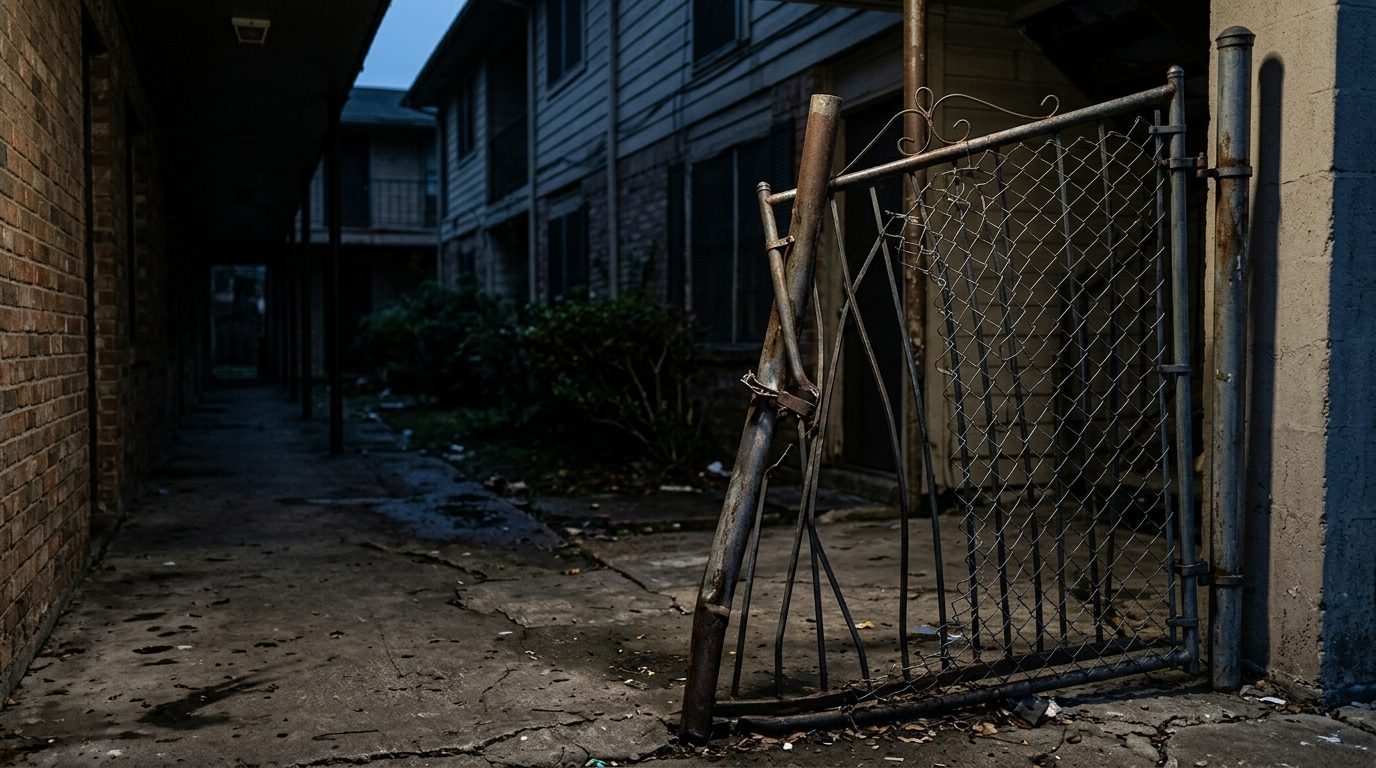
If you were hurt on someone else's property due to unsafe conditions, you may have a claim for damages. Talk it through with our team — the first consultation is free, confidential, and carries no obligation.
What Is Premises Liability? Understanding the Property Owner’s Duty of Care
When you enter someone else’s property—a store, apartment complex, hotel, restaurant, or parking garage—the owner has a legal duty of care. They must keep the premises reasonably safe. This duty applies whether you’re a customer, a tenant, a guest, or a visitor.
The property owner’s duty includes:
- Inspecting the property regularly for hazards
- Repairing or removing dangerous conditions promptly
- Posting warnings (like “wet floor” signs) when hazards cannot be fixed right away
- Maintaining adequate lighting, secure railings, and working locks and gates
- Clearing debris, spills, ice, and other obstacles
When a property owner fails to meet this duty and someone is injured, that’s negligence. This forms the basis of a premises liability claim.
In a slip and fall case, you must prove three things:
- The property owner knew (or should have known) of a dangerous condition. This includes wet floors, ice, debris, uneven surfaces, poor lighting, torn carpeting, missing handrails, broken stairs, or inadequate security.
- The owner failed to fix the hazard or warn visitors about it. A prompt repair or a visible warning sign may defeat your claim. Negligence occurs when the owner does nothing despite knowing of the danger.
- The dangerous condition directly caused your injury. You must show a clear link between the hazard and your fall.
This framework protects people injured on someone else’s property when the owner’s negligence causes harm.
Slip and Fall Injuries: From Minor to Catastrophic
Slip and fall injuries span a wide spectrum. Some people walk away with minor bruises. Others suffer life-altering harm.
Common injuries include:
- Fractures and broken bones (wrist, hip, ankle, spine)
- Sprains and strains
- Head and facial injuries
- Spinal cord injuries and paralysis (paraplegia or quadriplegia)
- Traumatic brain injuries with cognitive and physical impairment
- Severe lacerations and internal bleeding
- Permanent disability or wrongful death
In catastrophic cases, a slip and fall on poorly maintained stairs or in a dark hallway can result in a spinal cord injury that leaves a person paralyzed. A fall on concrete can cause a traumatic brain injury with lifelong consequences. A fall down an unlit staircase in an apartment complex can be fatal. These are life-altering events that demand serious legal representation and fair compensation.
How Slip and Fall Case Payouts Work
Slip and fall payouts depend on the severity of your injury, the strength of evidence proving the owner’s negligence, and your state’s comparative fault rules.
Damages typically include:
- Medical expenses: Emergency care, surgery, hospitalization, rehabilitation, ongoing treatment, medications, and assistive devices (wheelchairs, walkers, home modifications).
- Lost wages: Income lost during recovery and, in severe cases, permanent lost earning capacity if you cannot return to work.
- Pain and suffering: Compensation for physical pain, emotional distress, loss of enjoyment of life, and reduced quality of life.
- Permanent disability: Additional damages if the injury causes lasting impairment or disfigurement.
- Wrongful death damages: If a family member dies as a result of the fall, surviving family members may recover funeral expenses, loss of companionship, and loss of financial support.
There is no fixed formula—each case is unique. A minor ankle sprain might settle for a few thousand dollars. A catastrophic spinal cord injury or traumatic brain injury could be worth hundreds of thousands or more, depending on the facts and the strength of your evidence.
Not sure what your next step is?
Talk it through with our team — the first consultation is free, confidential, and carries no obligation.
Florida’s Comparative Fault Rule: How It Affects Your Recovery
Florida’s comparative-fault law directly affects how much you can recover. Under Fla. Stat. §768.81(6), if you’re found more than 50% at fault for your own fall, you recover nothing. If you’re 50% or less at fault, your damages are reduced by your percentage of fault.
Example: If a jury awards you $100,000 but finds you 20% at fault (perhaps because you wore inappropriate footwear or weren’t paying attention), you recover $80,000—80% of the full award.
This rule means the property owner’s negligence must be clear and significant. Strong evidence is critical to proving the owner’s fault and minimizing any blame placed on you. The property owner’s insurance company will argue that you were careless. We gather evidence to counter that.
The Statute of Limitations: Your Filing Deadline
Time is not on your side. Florida’s statute of limitations for personal-injury claims, including slip and fall cases, is two years from the date of injury for claims arising on or after March 24, 2023. For claims arising before that date, the deadline was generally four years.
Fla. Stat. §95.11(4)(a) sets this deadline. Miss it, and your claim is barred. You lose your right to sue, no matter how strong your case or how serious your injury.
If you’ve been injured in a slip and fall, contact us as soon as possible to preserve evidence and meet the filing deadline.
Evidence Collection: Protecting Your Claim Immediately After a Fall
Documentation is everything in a slip and fall case. The more evidence you gather at the scene, the stronger your claim.
At the scene, collect:
- Photographs and video: Take pictures of the hazard (the wet floor, the broken stair, the debris), the surrounding area, lighting conditions, any warning signs (or the absence of them), and your injuries if visible. Video is especially powerful—it shows the condition in real time.
- Witness names and contact information: Anyone who saw the fall or the dangerous condition is valuable. Get their full names, phone numbers, and email addresses. Ask them to describe what they saw.
- An incident report: Ask the property manager, store manager, or building superintendent to document what happened. Request a copy immediately. This report becomes evidence of the owner’s knowledge of the incident.
- Medical attention and records: Seek immediate medical attention, even if you feel okay. Some injuries (internal bleeding, concussions) aren’t obvious at first. Keep all medical records—doctor visits, imaging, treatment notes, prescriptions, and bills.
- Your own detailed notes: Write down what happened, the date, the time, the weather, what you were wearing, how you fell, what you hit, and how you felt immediately after. Write while details are fresh; memory fades quickly.
- Maintenance records: If the property owner has records of prior complaints about the same hazard or a failure to maintain or repair the area, those records prove negligence. Your lawyer can request these through discovery.
Early evidence collection often makes the difference between a strong claim and a weak one. If you’ve already fallen, gather what you can now. If a family member has been injured, help them document everything immediately.
How Our Firm Handles Slip and Fall Cases
We focus exclusively on serious personal-injury cases, including slip and fall injuries that cause significant harm. Our approach is straightforward:
- Free case evaluation: We review your injury, the property owner’s conduct, the hazard, and the evidence to assess liability and potential damages. There’s no cost and no obligation.
- Investigation: We gather photographs, witness statements, maintenance records, prior incident reports, and expert opinions to build a strong case.
- Negotiation: We demand fair compensation from the property owner’s insurance company, backed by evidence and legal precedent.
- Litigation: If settlement talks fail, we file a lawsuit and represent you in court before a judge or jury.
We work nationwide. Whether your slip and fall happened in Florida, New York, California, or any other state, we can help. We also handle cases in Spanish and English, serving Florida’s diverse communities across Miami, Orlando, Tampa, Jacksonville, and surrounding areas.
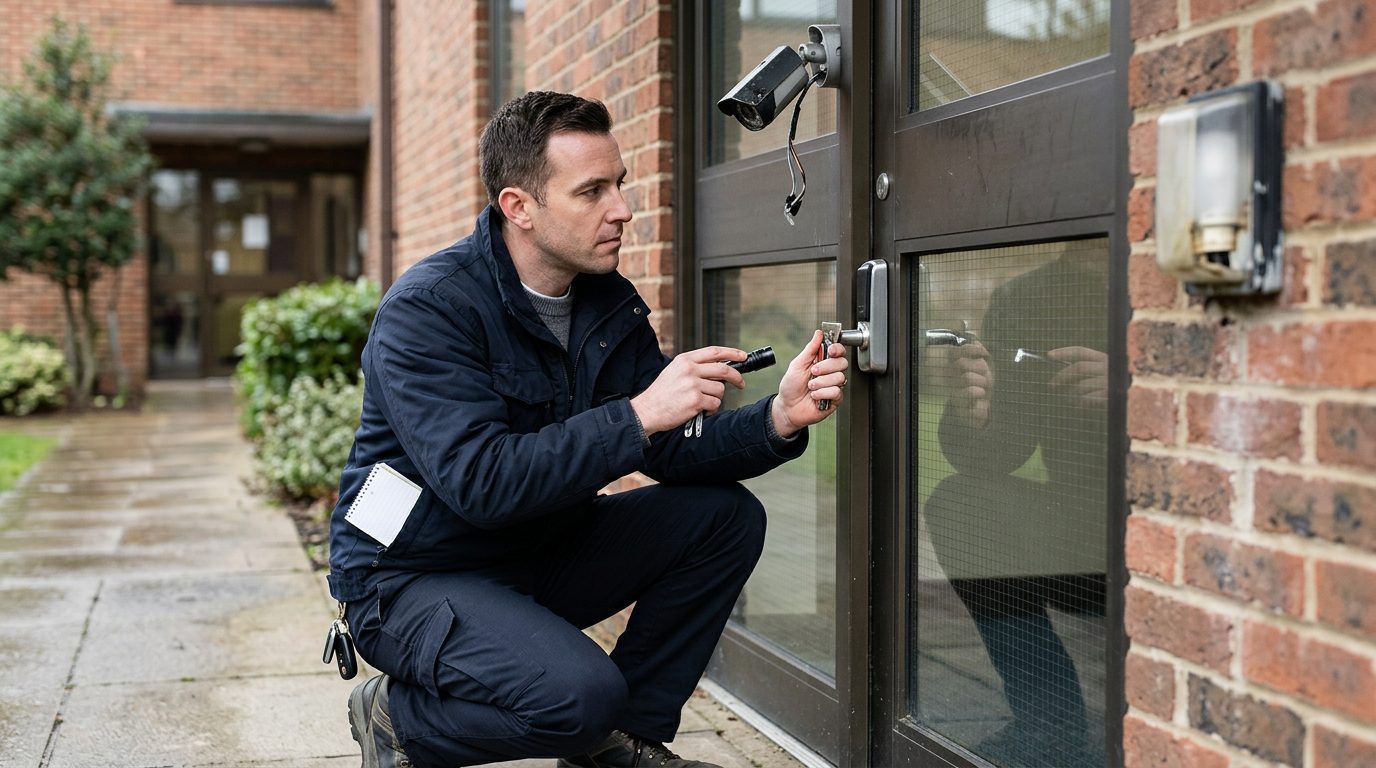
Have questions about what happened?
Ask our team directly. The first conversation is free, confidential, and there is no obligation to continue.
Frequently Asked Questions
Can I recover damages if I was partially at fault?
Yes, if you’re 50% or less at fault under Florida law. Your recovery is reduced by your percentage of fault. If you’re 20% at fault, you recover 80% of damages.
What should I do immediately after a slip and fall?
Seek medical attention first. Then photograph the scene and hazard, collect witness names and contact information, ask the property manager for an incident report, and contact a lawyer before the statute of limitations runs out (two years in Florida for recent injuries).
Do I need a lawyer for a slip and fall case?
Many straightforward slip and fall cases can be resolved without litigation. But if your injury is serious, liability is disputed, or the property owner’s insurance company denies your claim, a lawyer protects your rights and maximizes your recovery.
How long does a slip and fall case take?
Simple cases may settle in months. Complex or catastrophic cases can take one to three years or more, depending on the severity of your injury and whether you go to trial.
What if the property owner says I was careless?
That’s a common defense. We gather evidence—maintenance records, witness statements, photographs, prior complaints—to show the owner’s negligence and minimize blame placed on you.
Can I sue if I was injured on a short-term rental property?
Yes. Short-term rental owners have the same duty of care as traditional property owners. If they failed to maintain the property safely or warn of hazards, you may have a claim.
If you’ve been injured in a slip and fall on someone else’s property and you’re facing medical bills, lost time at work, or lasting pain and disability, you may have a claim for compensation. Our team is ready to evaluate your case at no cost and help you understand your rights.
Act Quickly
Evidence at the scene—photographs, witness statements, and maintenance records—can disappear. The sooner you document what happened and report it, the stronger your claim. Contact us right away to protect your rights.
What Happens After a Slip and Fall
Seek Medical Care First
Your health is the priority. Get evaluated by a doctor and keep all medical records. This documentation is essential to your claim.
Document the Scene
Take photos of the hazard, the surrounding area, lighting, and any warning signs (or lack thereof). Get the names and contact information of anyone who witnessed the fall.
Report the Incident
Notify the property owner or manager in writing. Request a copy of any incident report filed. Keep your own written account of what happened while details are fresh.
Preserve Evidence
Don't discard the shoes or clothing you wore. Request that the property preserve video footage, maintenance logs, and any prior complaints about the hazard.
Why Property Owners Are Responsible
Duty of Care
Property owners have a legal obligation to maintain safe conditions and warn visitors of known dangers. Wet floors, broken stairs, poor lighting, and unrepaired hazards are common violations of that duty.
Negligence & Liability
If an owner knew—or should have known—about an unsafe condition and failed to fix it or warn you, they may be liable for your injuries and losses.
Your Recovery Rights
Damages in a slip and fall case can cover medical bills, lost wages, pain and suffering, and long-term care costs if your injury is severe or permanent.
Time Matters
Florida law sets strict time limits for filing a claim. Waiting too long can bar your case entirely. Contact us promptly to protect your rights.
Common Questions About Slip and Fall Claims
Can I recover if I was partially at fault?
Yes, under Florida law. Your recovery is reduced by your percentage of fault. If you were 20% at fault, you can recover 80% of your damages.
What damages can I claim?
Medical expenses, lost wages, pain and suffering, permanent disability, reduced quality of life, and in severe cases, long-term care costs. An attorney will evaluate your full losses.
Do I need an attorney?
Property owners and their insurers often dispute liability or undervalue claims. An attorney protects your rights, gathers evidence, and negotiates or litigates on your behalf.
What if the property owner denies responsibility?
We investigate thoroughly—reviewing maintenance records, security footage, witness statements, and prior complaints—to build a strong case and hold negligent owners accountable.