

Slip and Fall | Homestead, Florida
Injured in a Slip and Fall? The Property Owner May Be Liable
If you were hurt because a property owner failed to maintain safe conditions or warn you of a hazard, you may have a claim. Learn what happens next.
By CHG Lawyers · Published September 10, 2026
Slip and Fall Injury in Homestead: What You Need to Know
You slipped on a wet floor at a grocery store. You tripped on a broken step at an apartment complex. You fell in a parking lot because of poor lighting or a pothole. You’re hurt. Now you’re wondering: is the property owner responsible?
The answer depends on one thing: did the owner know (or should they have known) about the hazard? And did they fail to fix it or warn you?
This guide explains slip-and-fall liability in Homestead, what your claim might be worth, and what to do next.
If you were hurt because a property owner failed to maintain safe conditions or warn you of a hazard, you may have a claim. Talk it through with our team — the first consultation is free, confidential, and carries no obligation.
Slip and Fall Injuries Happen in Homestead—and Property Owners Can Be Held Responsible
Homestead has a thriving retail and dining scene, busy apartment complexes, and active commercial areas. Slip-and-fall accidents happen regularly.
When you fall on someone else’s property and get hurt because the owner failed to keep it safe or warn of hazards, you may have a legal claim for compensation.
Florida law says property owners must keep their premises reasonably safe. They must warn visitors of known dangers. If they break this duty and you’re injured as a result, they can be held liable.
This page explains what slip-and-fall claims are, who is responsible, and how to move forward if you’ve been hurt.
What Is a Slip and Fall Claim?
A slip-and-fall claim arises when you fall on someone else’s property and get injured because of an unsafe condition.
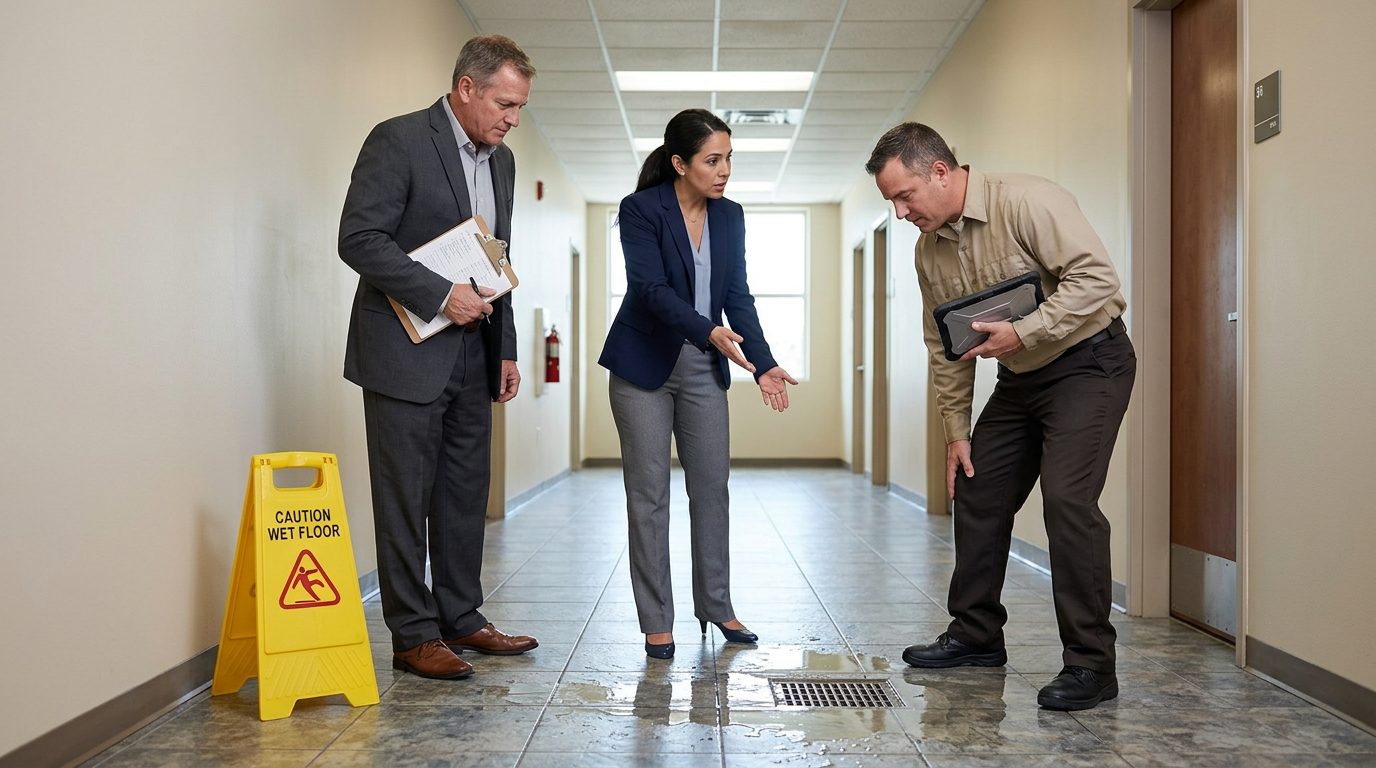
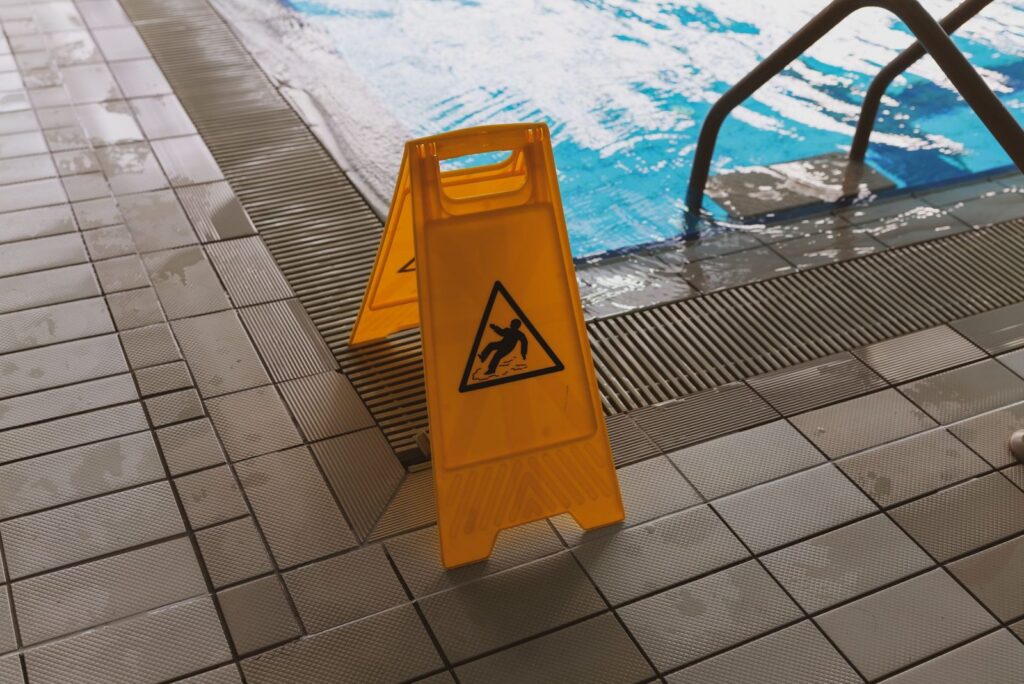
Common causes include: – Wet floors without warning signs – Broken stairs – Uneven pavement – Poor lighting – Debris left lying around – Obstacles blocking walkways
The property owner or manager may be legally responsible if they knew—or reasonably should have known—about the hazard. They must have failed to fix it or warn visitors.
This is called a premises liability claim. It holds property owners accountable for negligence that causes visitor injuries.
Where Do Slip and Fall Accidents Happen in Homestead?
Slip-and-fall accidents occur across Homestead:
- Retail stores and shopping centers: wet floors from cleaning or weather, spilled merchandise, aisles blocked by stock.
- Restaurants and cafes: slippery floors, spilled food or drinks, inadequate warning signs.
- Apartment complexes and residential buildings: broken steps, poor lighting in stairwells or hallways, unmaintained walkways or landscaping.
- Parking lots and garages: potholes, debris, ice or water accumulation, inadequate lighting.
- Sidewalks and public areas: cracked or raised pavement, debris, lack of maintenance.
- Hotels and motels: wet bathroom floors, broken fixtures, poor maintenance.
- Gas stations and convenience stores: slippery floors, spilled products.
What Makes a Property Owner Legally Responsible for Your Fall?
Florida law requires property owners to maintain their premises safely. They must warn visitors of known hazards.
A property owner is liable for your slip-and-fall injury if three things are true:
- They knew or should have known about the hazard. This means either they actually saw it, or a reasonable property manager would have found it through routine inspection and maintenance (called constructive knowledge).
- They failed to fix it or warn of it. They didn’t repair the hazard or post a warning sign.
- Your fall and injury resulted from that negligence. The hazard directly caused your fall, and you suffered injury.
The hazard must have existed long enough that a reasonable property owner would have discovered and corrected it. A spill that happened moments before you fell may not trigger liability. But a spill that sat unattended for hours likely does.
Is It Worth Suing for a Slip and Fall?
Whether a claim is worth pursuing depends on several factors: – How severe your injury is – How clear the property owner’s negligence is – Your medical expenses – Your lost income
Minor injuries with low medical costs may not justify the time and effort of litigation. But serious injuries—fractures, head injuries, spinal injuries, or long-term disability—often do.
An attorney can evaluate your situation, review evidence, and advise whether pursuing a claim makes sense. Many slip-and-fall claims settle without going to trial. This saves time and expense.
If you have slipped and fallen on someone else's property in Homestead and suffered injury, you may have a claim against the property owner. Talk it through with our team — the first consultation is free, confidential, and carries no obligation.
What Is the Typical Payout for a Slip and Fall?
There is no “typical” payout. Every case is unique.
Recovery depends on: – The severity of your injury – Medical costs – Lost wages – Pain and suffering – The strength of evidence against the property owner
Minor injuries might result in settlements of a few thousand dollars. Serious injuries can result in much larger awards.
Your recovery should cover medical treatment, rehabilitation, lost income, and compensation for pain and suffering. But the amount depends on your specific circumstances and what the property owner knew or should have known.
An experienced attorney can help you understand what your claim may be worth based on similar cases and available evidence.
How Hard Is It to Win a Slip and Fall Case?
Winning a slip-and-fall case requires proving that the property owner knew (or should have known) about the hazard. You must show they failed to address it.
The strongest cases have clear evidence: – Witness statements – Photographs of the hazard – Maintenance records showing neglect – A pattern of similar incidents at the same location
Weaker cases may involve hazards that were obvious to any visitor. Or situations where the fall was purely accidental.
Your own conduct matters too. If you were distracted, not paying attention, or ignoring obvious warnings, the property owner’s liability may be reduced or eliminated under Florida’s comparative-negligence rule.
An attorney can assess your evidence and advise on your likelihood of success.
Can Someone Sue If They Fall on My Property?
Yes. If you own or manage property in Homestead, a visitor injured by a fall caused by your negligence can sue you.
You have a legal duty to maintain your property safely. You must warn visitors of known hazards. This applies whether the visitor is a customer, tenant, guest, or someone else lawfully on your property.
Property owners typically carry liability insurance to cover these claims. The insurance company often becomes involved in settlement negotiations.
What Should You Do After a Slip and Fall in Homestead?
Your actions immediately after a fall can strengthen your claim:
- Seek medical attention immediately, even if your injury seems minor. Some injuries worsen over time. Medical records create a vital link between the fall and your injury.
- Report the fall to the property owner or manager. Ask them to document it in writing.
- Take photographs of the hazard, the scene, and your injuries if possible.
- Collect contact information from any witnesses who saw the fall.
- Keep all medical records, receipts, and documentation of lost income.
- Do not sign any documents or agree to settlements without legal advice.
- Contact an attorney as soon as possible. Florida’s statute of limitations for personal-injury claims is two years from the date the injury occurs. You have a limited window to file.
If you've slipped and fallen on someone else's property in Homestead and you're injured, you may have a claim against the owner. Talk it through with our team — the first consultation is free, confidential, and carries no obligation.
Why You Need an Attorney for Your Slip and Fall Claim
Property owners and their insurance companies often dispute liability. They downplay the severity of injuries to minimize payouts.
Going up against an insurance company alone is like trying to negotiate a contract in a language you don’t speak. The other side knows all the moves.
An attorney investigates the accident. They gather evidence, interview witnesses, and build a strong case on your behalf. Your lawyer handles all communication with the property owner’s insurance company. This protects your rights and ensures you are not pressured into an unfair settlement.
If a fair settlement cannot be reached, your attorney can file a lawsuit and represent you in court.
Most slip-and-fall attorneys work on a contingency-fee basis. You pay nothing unless your claim is resolved and you receive compensation. This removes the financial barrier to seeking legal help.
Homestead Slip and Fall: Next Steps
If you have slipped and fallen on someone else’s property in Homestead and suffered injury, you may have a claim against the property owner.
The sooner you act, the better. Evidence can disappear. Witnesses’ memories fade. Florida’s statute of limitations limits how long you have to file.
A free case evaluation can help you understand your rights and options without any obligation.
Frequently Asked Questions
How long do I have to file a slip and fall claim in Homestead? You have two years from the date of your injury to file a personal-injury claim, including slip-and-fall cases.
Can I be partially at fault for my own slip and fall? Yes. Under Florida’s comparative-negligence rule, if you are found to be more than 50% at fault for your own fall, you generally cannot recover any compensation. If you are less than 50% at fault, your recovery is reduced by your percentage of fault.
What evidence do I need to prove a slip and fall claim? The strongest evidence includes witness statements, photographs of the hazard and scene, maintenance records showing neglect, medical documentation of your injury, and proof that similar incidents occurred previously at the same location.
How much does it cost to hire a slip and fall attorney? Most slip-and-fall attorneys work on contingency. You pay nothing upfront and no fee unless your claim is resolved and you receive compensation.
How long does a slip and fall case take to resolve? It depends. Many cases settle within months through negotiation. Others may take longer if litigation is necessary. Your attorney can give you a realistic timeline based on your specific case.
If you’ve slipped and fallen on someone else’s property in Homestead and you’re injured, you may have a claim against the owner. People in your situation reach out to us regularly for a free case evaluation. Contact us today to discuss what happened and learn what your next step should be.
How Slip-and-Fall Claims Work
Property Owner Duty
Property owners in Homestead have a legal duty to keep their premises reasonably safe. That means fixing hazards, maintaining floors and walkways, and warning visitors of dangers.
Knowledge Matters
A claim depends on whether the owner knew (or should have known) about the hazard. A wet floor left unattended for hours, a broken step ignored for weeks, or a dark parking lot without lights—these suggest the owner should have known and acted.
Your Injuries Count
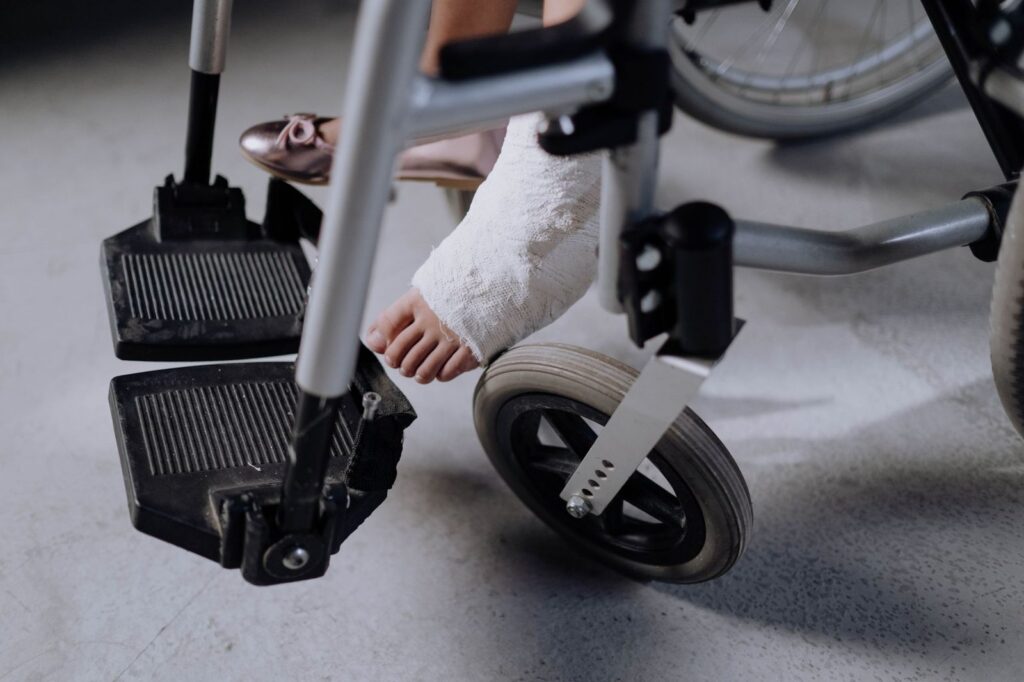
A slip and fall can cause serious harm: broken bones, head injuries, spinal damage, or long-term pain. Your medical records, treatment costs, and lost wages all factor into your claim's value.
Time Is Critical
Evidence fades, witnesses move away, and video footage gets deleted. Acting quickly to document the scene, gather photos, and preserve evidence strengthens your case.
Do This Right After a Fall
Report the incident to the property owner or manager in writing. Take photos of the hazard and the scene. Get the names and contact information of any witnesses. Seek medical attention and keep all records. Do not sign anything the property owner offers without legal review.
What Your Slip-and-Fall Claim May Include
Medical Expenses
Emergency room visits, surgery, physical therapy, ongoing treatment, and medical devices—all costs tied to your injury.
Lost Income
Wages you missed while recovering, and income lost if the injury prevents you from working long-term.
Pain and Suffering
Compensation for physical pain, emotional distress, and reduced quality of life caused by your injury.
Permanent Disability
If the fall caused lasting impairment, you may recover damages for permanent changes to your life and earning capacity.
Why CHG Personal Injury Lawyers
Focused on Catastrophic Injury
We focus exclusively on serious personal-injury cases, from slip and falls through to life-altering injuries. We understand the full scope of your harm.
Licensed Florida Attorneys
Our team is admitted to the Florida Bar and handles cases nationwide. We know Florida property-liability law inside and out.
No Fees Unless There Is a Recovery
We work on contingency. You pay nothing upfront, and we only collect a fee if your case settles or wins.
Plain-Language Guidance
We explain your rights and options in clear terms, never legal jargon. You'll understand every step of your claim.