


Slip and Fall in Fontainebleau
Injured in a Fall on Someone Else's Property? Know Your Rights
Property owners have a legal duty to keep their premises safe. If negligence caused your injury, you may have a claim. Learn what you need to prove—and what to do right now.
By CHG Lawyers · Published September 11, 2026
Slip and Fall in Fontainebleau: Proving Negligence, Preserving Evidence, and What Property Owners Will Claim
If you’ve slipped and fallen on someone else’s property in Fontainebleau and been injured, the property owner may be legally responsible for your harm. But proving it requires evidence—and that evidence disappears fast. This guide explains what you need to collect immediately, how negligence is proven, what defenses property owners use, and why the first hours after a fall matter more than you might think.
Fontainebleau residents and visitors encounter slip-and-fall hazards in everyday places: retail stores with wet floors, apartment complexes with broken walkways, parking lots with poor lighting, and restaurants with slippery surfaces. A fall on someone else’s property can result in serious injury—broken bones, head trauma, spinal injuries—that disrupts your life and finances. Understanding what the property owner owed you, what evidence proves they failed, and what they’ll likely claim in defense is the foundation of a real claim.
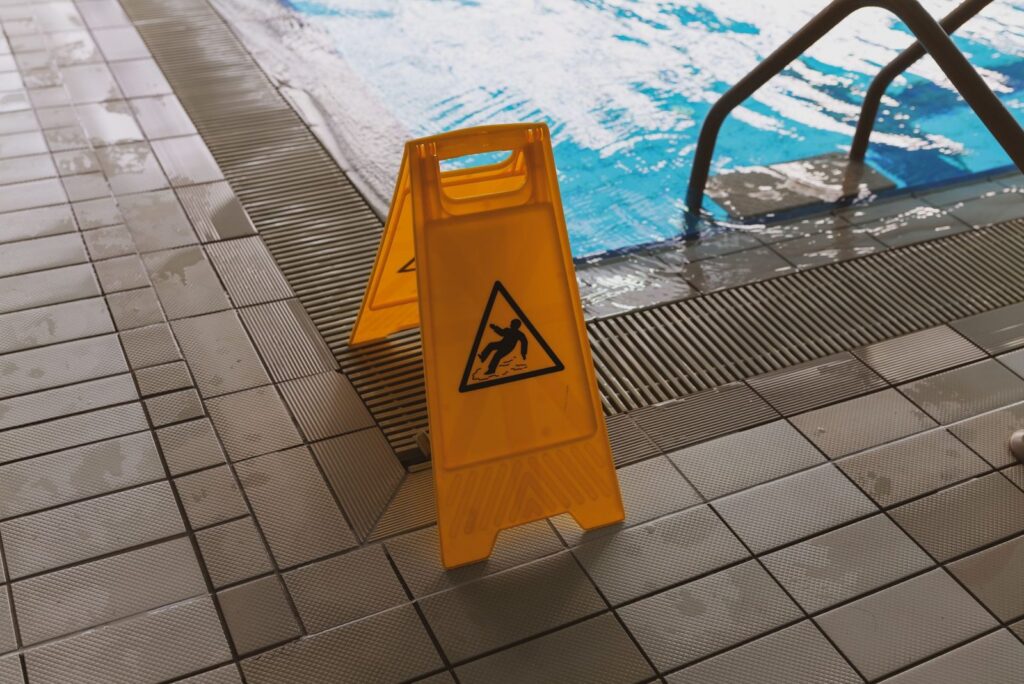
If your slip-and-fall claim succeeds, compensation may include: We do not guarantee or predict any specific outcome. Talk it through with our team — the first consultation is free, confidential, and carries no obligation.
What Proves a Property Owner Was Negligent?
Negligence in a slip-and-fall case rests on four elements, all of which must be proven:
Duty. The property owner must maintain the premises in a reasonably safe condition and warn of known hazards. Under Florida Statute § 768.0755, an owner or occupier of property is liable for injury caused by a dangerous condition on the property only if the owner knew or, in the exercise of ordinary care, should have known of the dangerous condition and should have taken reasonable precautions to protect against injury. This duty applies whether you’re a customer, a resident, or a visitor. The owner cannot escape responsibility by claiming you should have been more careful or inspected the property before walking on it.
Breach. The owner failed to fix a hazard, clean up a spill, repair broken flooring, maintain adequate lighting, or warn you of the danger. A breach means the owner knew—or should have known—about the unsafe condition and did nothing to fix it or alert you. For example: a retail store’s manager saw a spill on the floor two hours before your fall but did not clean it or post a warning sign; a landlord received a maintenance complaint about a broken stair three weeks before you fell on it; a parking lot owner failed to repair a pothole despite multiple prior incidents in that location.
Causation. That failure directly caused your fall and injury. You must show a clear link between the hazard and your harm. For example, a wet floor without a warning sign caused you to slip, or a broken step caused you to fall. Causation is broken if the hazard did not actually cause the fall—for instance, if you tripped over your own shoelace, not the uneven pavement.
Damages. You suffered real harm—medical bills, lost wages, pain, reduced quality of life, or permanent disability. Damages are the measurable losses you incurred because of the fall.
All four elements must be proven for a valid claim.
What Property Owners Will Claim—and Why You Need to Understand Their Defenses
Property owners and their insurance companies do not accept liability easily. Here are the defenses they commonly raise—and why understanding them now builds your case:
“I didn’t know about the hazard.” This is the most frequent defense. The owner claims they had no actual knowledge of the wet floor, broken step, or poor lighting. Your job is to prove they should have known—through regular inspection, maintenance records showing neglect, prior complaints, or the condition being obvious enough that a reasonable property manager would have discovered it during routine upkeep. Security camera footage showing the hazard existed for hours before your fall is powerful evidence of this.
“The hazard was obvious.” The owner argues you should have seen and avoided it. Florida law does not require you to inspect property for hazards before walking on it, but a hazard that is truly obvious—a large, visible pothole in bright daylight—is harder to prove caused negligence. Conversely, a wet floor in dim lighting, or a small broken tile in a high-traffic area, is less obvious and strengthens your claim.
“You were careless or distracted.” The owner claims you were looking at your phone, walking too fast, or not paying attention. While this does not eliminate your claim, it can reduce your recovery. Florida follows comparative negligence: if you are found 30% at fault and the owner 70% at fault, you recover 70% of your damages. If you are found more than 50% at fault, you recover nothing. This is why witness statements and photos matter—they show what actually happened, not the owner’s version.
“You were intoxicated.” If you were drinking before the fall, the owner will argue your impairment caused the fall, not the hazard. Intoxication does not automatically bar your claim, but it complicates it. If you can show the hazard was severe enough that a sober person would also have fallen, or if witnesses confirm you were not intoxicated, this defense weakens.
“You assumed the risk.” The owner claims you knew about the hazard and chose to encounter it anyway. This rarely succeeds unless you explicitly acknowledged the danger and proceeded—for example, a sign reading “Caution: Wet Floor” that you ignored.
Understanding these defenses now tells you what evidence you must gather immediately to counter them.
What to Do in the First Hours and Days After a Fall
The evidence you collect immediately after a fall is often the difference between a strong claim and a weak one. Here’s what to do:
1. Seek medical attention right away, even if you feel okay. Some injuries—internal bleeding, spinal damage, head trauma—appear hours or days later. A medical record also creates an official, timestamped link between the fall and your injury. Keep all records, bills, and receipts. Do not delay seeking care to avoid “making a big deal” of the fall—that delay weakens your claim and your health.
2. Report the fall to the property owner, manager, or business operator and ask them to document it in writing. Request an incident report. This creates an official record with a date and time. Do not minimize your injuries in this report; be honest about what happened and where. Keep a copy.
3. Photograph the hazard immediately—the wet floor, the broken step, the poor lighting, the debris. Take photos from multiple angles. If the hazard is a wet floor, photograph it before it dries or is cleaned. If it’s a broken step, photograph the damage and the surrounding area. If it’s poor lighting, photograph the area to show how dark it is. Photos are among the most powerful evidence because they show the actual condition. If you cannot photograph it yourself, ask a witness or family member to do so immediately.
4. Photograph your injuries as they develop—bruising, swelling, visible wounds. These photos document the severity of harm and the timeline of your recovery.
5. Get the names, phone numbers, and email addresses of any witnesses who saw you fall or saw the hazard. Witness statements carry real weight. Ask them what they saw, when they saw it, and whether they’ve seen similar hazards before. If a store employee was nearby, ask for their name and shift information. Memories fade quickly; collect this information the same day if possible.
6. Do not sign anything or give a recorded statement to the property owner’s insurance company without legal advice. Insurance adjusters are trained to minimize claims. A casual remark (“I wasn’t paying attention”) can be used against you later. If an adjuster contacts you, politely decline to discuss details and say you will have your attorney call them.
7. Keep a journal of your recovery: pain levels, medical appointments, medications, time away from work, activities you cannot do. This contemporaneous record is admissible evidence of your damages.
8. Preserve all evidence. Do not allow the property owner to repair the hazard without documenting it first. If a broken step is repaired, that repair evidence is gone. If you learn the property owner has destroyed evidence (e.g., deleted security footage), that itself can be used against them.
9. Contact a personal injury attorney as soon as possible. Evidence degrades and memories fade. The sooner we can investigate, the stronger your claim. We can send a preservation letter to the property owner demanding they keep all relevant records, security footage, and maintenance logs. This legal step prevents evidence from being destroyed.
Not sure what your next step is?
Talk it through with our team — the first consultation is free, confidential, and carries no obligation.
Common Slip-and-Fall Hazards in Fontainebleau
Slip-and-fall injuries occur in predictable places and under preventable conditions. Here are the hazards we see most often:
- Wet or slippery floors in stores, restaurants, and office lobbies without warning signs or caution tape
- Broken or uneven flooring, cracked pavement, or potholes in parking lots and walkways
- Poor lighting in stairwells, hallways, parking garages, and exterior areas that hide obstacles
- Debris, clutter, or obstacles left in common areas, walkways, or aisles
- Inadequate handrails or missing safety features on stairs and ramps
- Negligent maintenance of landscaping or outdoor areas that create trip hazards—overgrown roots, loose pavers, or debris
- Known conditions left unrepaired—a leak that creates a slippery surface, a loose tile, a worn step—that the owner knew or should have known about
Property owners have a responsibility to inspect their premises regularly, address hazards promptly, and warn visitors of dangers they cannot immediately fix. When they ignore that responsibility, injuries follow.
Types of Compensation You May Recover
If your slip-and-fall claim succeeds, compensation may include:
- Medical expenses: all costs for emergency care, hospitalization, surgery, physical therapy, and ongoing treatment
- Lost wages: income you missed while recovering or unable to work
- Pain and suffering: compensation for physical pain, emotional distress, and reduced quality of life
- Permanent disability or disfigurement: if your injury causes lasting impairment or visible scarring
- Loss of enjoyment of life: if the injury prevents you from activities you once enjoyed
- In wrongful-death cases, the family may recover funeral costs, loss of financial support, and loss of companionship
We do not guarantee or predict any specific outcome. Every case is unique and depends on the severity of your injury, your medical costs, lost income, and the strength of the evidence.
How Long Do You Have to File a Claim?
Florida law generally gives you two years from the date of injury to file a lawsuit. However, waiting is a mistake. Evidence disappears, witnesses move away or forget details, and the property owner may destroy records. The sooner you contact an attorney, the sooner we can investigate and preserve evidence.
Have questions about what happened?
Ask our team directly. The first conversation is free, confidential, and there is no obligation to continue.
Why Choose CHG Personal Injury Lawyers for Your Fontainebleau Slip and Fall Claim
We focus exclusively on personal injury cases, including slip-and-fall claims, and have handled cases throughout Florida and nationwide. Our attorneys are licensed in Florida and understand the state’s premises-liability law, how property owners’ insurance works, and the defenses they will raise.
We offer a free case evaluation with no obligation. We listen to what happened, review your injuries, examine the evidence you’ve collected, and tell you honestly whether you have a claim and what it may be worth. We handle all communication with the property owner and their insurance company so you can focus on recovery.
We work on a contingency-fee basis: you pay us only if we recover compensation for you.
If you’ve fallen on someone else’s property in Fontainebleau and suffered injury, the evidence you collect now determines the strength of your claim later. Reach out for a free evaluation and find out what happens next. People in your situation contact us regularly, and we’re ready to listen.
Evidence Disappears Fast
Photos of the hazard, the scene, and your injuries; witness names and contact information; incident reports; and medical records must be collected immediately. Property owners often clean up, repair, or remove evidence within hours. The sooner you document everything, the stronger your claim.
What You Must Prove to Win a Slip-and-Fall Claim
The Hazard Existed
You must show that a dangerous condition—wet floors, broken stairs, poor lighting, debris, or uneven surfaces—was present on the property.
The Owner Knew (or Should Have Known)
The property owner either knew about the hazard, or a reasonable owner would have discovered it through regular inspection and maintenance.
The Owner Failed to Act
The owner did not fix the problem, warn visitors, or take reasonable steps to prevent injury.
Your Fall and Injury Were the Result
The hazard directly caused your fall, and your injuries are documented by medical evidence.
Common Defenses Property Owners Will Raise—and How We Address Them
"You Were Careless"
Owners often claim you weren't paying attention. Florida law recognizes that even careful people can slip on hidden hazards. We gather evidence showing the hazard was not obvious.
"There Was a Warning Sign"
A small sign does not excuse negligence if the hazard is hidden, dark, or in an unexpected location. We examine whether the warning was actually visible and adequate.
"You Assumed the Risk"
Property owners may claim you knew about the danger. We challenge this by showing the hazard was not open and obvious, or that you had no reasonable way to know.
"We Didn't Know About It"
Owners must inspect their property regularly. We obtain maintenance records, employee statements, and prior incident reports to prove they should have known.
What to Do Right After a Fall
Report the Incident
Tell the property manager, store manager, or owner immediately. Ask them to file an incident report and request a copy for your records.
Document Everything
Take photos and video of the hazard, the surrounding area, lighting, and your injuries. Get the names, phone numbers, and addresses of anyone who saw the fall.
Seek Medical Care
Visit a doctor or emergency room even if you feel okay. Some injuries appear hours or days later. Medical records are essential proof of your injury.
Preserve Evidence
Keep the clothes and shoes you wore. Do not clean or repair them. Save all medical bills, receipts, and correspondence with the property owner.
Why CHG Personal Injury Lawyers Handles Your Slip-and-Fall Claim Differently
We Focus Exclusively on Personal Injury
Our entire practice focuses exclusively on slip-and-fall and other personal injury claims. We know Florida property law, insurance tactics, and how to build a strong case.
We Investigate Thoroughly
We obtain maintenance records, prior incident reports, surveillance video, and expert analysis to prove the owner's negligence.
We Handle Insurance Negotiations
Property owners carry liability insurance. We negotiate with insurers to recover fair compensation for your medical bills, lost wages, and pain and suffering.
No Fees Unless There Is a Recovery
We work on contingency. You pay nothing upfront, and we only collect a fee if we recover compensation for you.