

Slip and Fall in Cooper City
Know Your Claim After a Slip and Fall
You were injured on someone else's property because they failed to maintain it safely. Learn what happens next and how to protect your right to recovery.
By CHG Lawyers · Published September 12, 2026
Slip and Fall in Cooper City: Prove Negligence, Recover Damages
You fell on someone else’s property and you’re injured. The question isn’t whether you fell—it’s whether the property owner’s negligence caused it, and whether you can prove it. Here’s what you need to know.

Not sure what your next step is?
Talk it through with our team — the first consultation is free, confidential, and carries no obligation.
What Makes a Property Owner Liable for Your Slip and Fall?
Property owners in Cooper City have a legal duty to keep their property safe for anyone lawfully there. When they break that duty and you get hurt as a result, they may be liable.
This duty includes:
- Fixing hazards promptly. Broken stairs, cracked flooring, loose railings, and uneven surfaces must be repaired or blocked off.
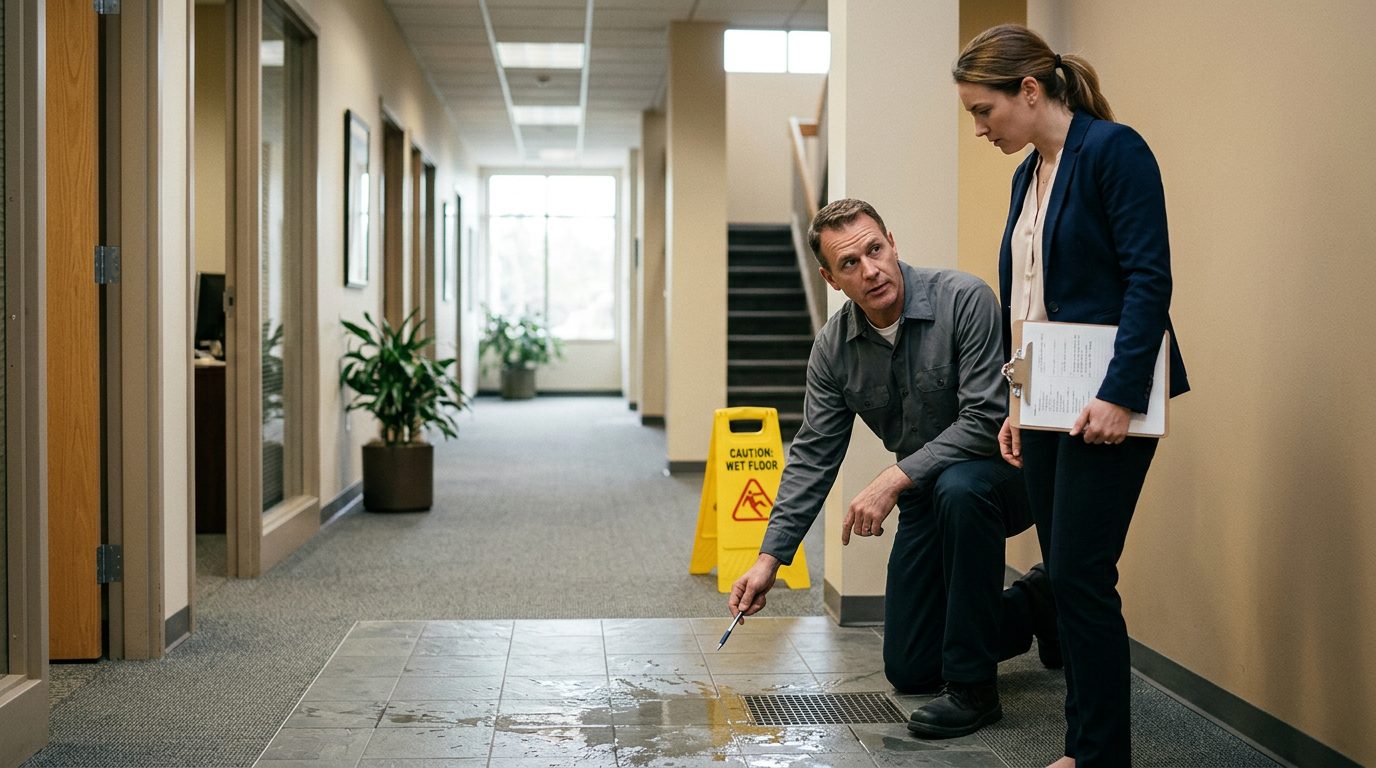
- Cleaning spills and debris. Wet floors must be dried or marked with a warning sign. Trash and obstacles must be removed.
- Maintaining adequate lighting. Hallways, stairwells, parking lots, and garages must be lit well enough for safe movement.
- Warning of known dangers. If a hazard can’t be fixed right away, the owner must post a visible warning.
- Inspecting regularly. Property owners should walk their premises to find and fix hazards before someone gets hurt.
In Cooper City’s retail areas, apartment complexes, parking lots, hotels, and office buildings, these failures happen regularly—and they cause injuries.
The Four-Element Test: How to Prove Negligence
To win a slip and fall claim, you must prove four things:
1. Duty of care: The property owner owed you a duty to keep the property safe. This is straightforward—property owners owe this duty to customers, tenants, guests, and business visitors.
2. Breach of duty: The owner failed to keep the property safe or warn of a known hazard. Examples include: – A wet floor with no warning sign – Broken or missing handrails – Poor lighting that hid a hazard – A known hazard left unrepaired for days or weeks – Failure to inspect the property regularly
3. Causation: The owner’s negligence directly caused your fall. It’s not enough that you fell; you must prove the hazard caused it. If you tripped on a cracked sidewalk, you need evidence that the crack existed, the owner knew or should have known about it, and the crack caused your fall.
4. Damages: You suffered real, measurable harm—medical bills, lost wages, pain and suffering, or permanent injury.
Documentation is critical. Photos of the hazard taken right after your fall, witness statements, incident reports, and medical records all strengthen your case. The longer you wait, the harder it gets—hazards get cleaned up, witnesses disappear, and memories fade.
Florida’s Comparative Negligence Law: You Can Recover Even If You Were Partly at Fault
Under Fla. Stat. §768.81, Florida allows you to recover damages even if you were partly negligent—as long as you were less than 50% at fault.
Here’s how it works:
- If you were 30% at fault and the property owner was 70% at fault, you can recover 70% of your total damages.
- If you were 40% at fault and the owner was 60% at fault, you recover 60% of your damages.
- If you were 50% or more at fault, you cannot recover anything.
This means that even if you weren’t paying full attention, wore inappropriate footwear, or contributed to the fall in some way, you may still have a valid claim. The question is whether the owner’s negligence was the bigger cause of your injury.
What Damages Can You Recover?
Damages in a slip and fall case include all losses caused by your injury:
- Medical expenses: Emergency care, surgery, physical therapy, ongoing treatment, and future medical needs from the fall.
- Lost wages: Income you lost while recovering and unable to work, plus reduced earning capacity if the injury limits your future work ability.
- Pain and suffering: Compensation for physical pain, emotional distress, anxiety, and reduced quality of life.
- Permanent injury or disability: If your fall caused lasting effects—chronic pain, mobility loss, permanent scarring, or functional limitations—damages are typically higher.
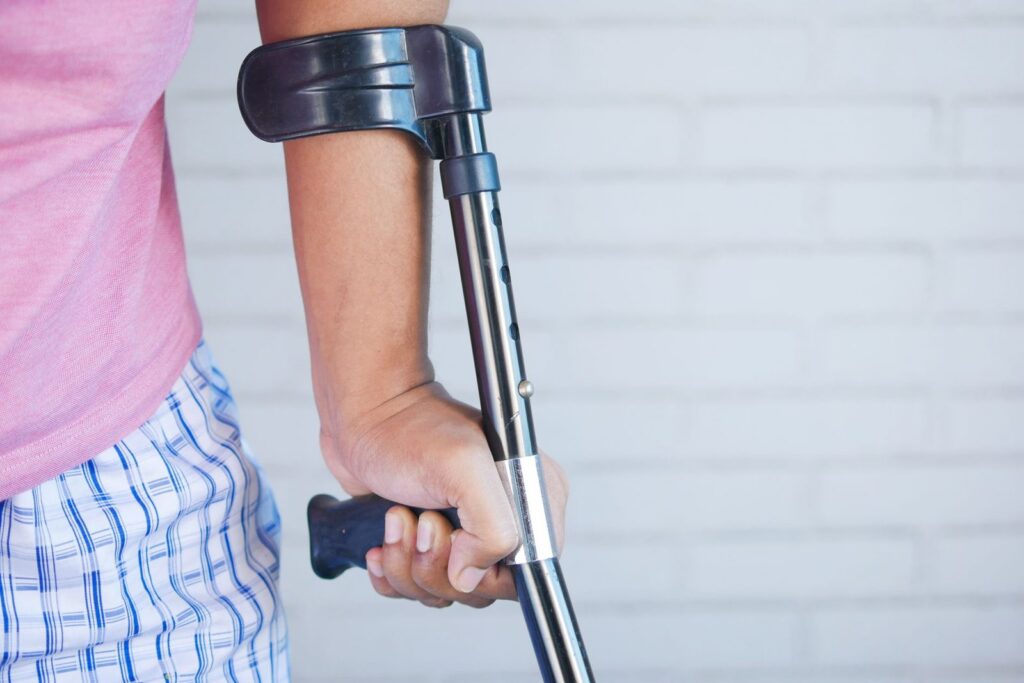
- Mobility and accessibility costs: Equipment, home modifications, or long-term care needs from the injury.
Damages are based on your actual, documented losses—not a formula or average. Two similar falls can result in very different settlements depending on injury severity, medical costs, lost income, and strength of evidence.
Is Your Claim Worth Pursuing? A Practical Self-Assessment
Before investing time and emotion, ask yourself three questions:
1. How severe is your injury? Minor bruises that healed in days may not justify the effort. Fractures, head injuries, ongoing pain, or permanent effects typically warrant pursuing a claim.
2. How clear is the owner’s negligence? A wet floor with no warning sign, a known broken stair left unrepaired, or poor lighting in a dangerous area shows clear negligence. A less obvious hazard or a fall where you contributed significantly makes the case weaker.
3. How strong is your evidence? Photos of the hazard, witness statements, incident reports, and medical records make your case valuable. Without evidence, proving what happened is difficult.
In most cases, you’re pursuing the property owner’s insurance policy, not the owner personally. Insurance companies handle these claims regularly and often settle rather than fight clear cases of negligence.
Have questions about what happened?
Ask our team directly. The first conversation is free, confidential, and there is no obligation to continue.
Immediate Action Steps: Preserve Your Claim
At the scene: – Take photos of the hazard, the surrounding area, lighting, and your injuries before anything is cleaned up or repaired. – Get the names, phone numbers, and email addresses of anyone who saw you fall. – Ask the property manager or owner to document the incident in writing and request a copy.
Within 24–48 hours: – Seek medical attention, even if you feel okay. Some injuries—head injuries, internal injuries, or spinal injuries—don’t show symptoms immediately. Medical records create evidence of your injury and its connection to the fall. – Don’t clean or alter evidence. Keep your clothing and shoes if they’re relevant to the fall.
Ongoing: – Keep a record of time off work, ongoing symptoms, medications, therapy visits, and any lasting effects. – Preserve all medical bills, receipts, and documentation of expenses related to the injury. – Don’t communicate with the property owner’s insurance company without legal guidance—they may pressure you into a quick settlement that undervalues your claim.
How Long Do You Have to File a Claim?
Under Fla. Stat. §95.11, you have two years from the date of your injury to file a personal injury lawsuit in Florida. However, don’t wait. Evidence deteriorates, witnesses become unavailable, and memories fade. The sooner you act, the stronger your case.
The Contingency Fee Model: How Slip and Fall Claims Are Funded
Most slip and fall lawyers work on contingency. Here’s what that means:
- You pay no upfront fees. There’s no cost to consult or retain a lawyer.
- Your lawyer is paid only if you recover. The lawyer’s fee comes from your settlement or court award, typically 25–40% depending on the agreement and whether the case settles or goes to trial.
- You’re not at financial risk. If your case doesn’t recover, you owe nothing.
This model removes the financial barrier to legal consultation. You can talk to a lawyer about your claim without worrying about upfront costs.
What a Slip and Fall Lawyer Does for You
A slip and fall lawyer investigates what happened, gathers evidence, and handles negotiations with the property owner’s insurance company.
Here’s the work:
- Investigates thoroughly. Reviews maintenance records, speaks with witnesses, obtains surveillance footage if available, and may hire experts to examine the scene and determine what caused your fall.
- Protects you from pressure. Handles all communication with the insurance company, preventing you from being pressured into a quick, low settlement.
- Calculates true value. Determines the full cost of your injury—including future medical needs, long-term effects, and pain and suffering you might not have considered.
- Negotiates or litigates. Demands fair compensation from the insurance company. If a reasonable settlement isn’t offered, prepares your case for trial.
Want to know where you stand?
Tell us what happened and our team will walk you through the options available to you, at no cost.
Your Slip and Fall Claim, Step by Step
Step 1: Seek medical care and document your injuries. See a doctor, keep all medical records and bills, and photograph your injuries.
Step 2: Report the incident and gather evidence. Tell the property owner what happened, request an incident report, collect witness information, and photograph the scene.
Step 3: Consult with a slip and fall lawyer. A lawyer evaluates your claim, explains your options, and helps you understand what your case is worth.
Step 4: Your lawyer sends a demand letter. Your lawyer notifies the property owner’s insurance company of your claim and demands compensation based on your documented damages.
Step 5: Negotiate or prepare for trial. The insurance company may offer a settlement. Your lawyer negotiates on your behalf. If no fair settlement is reached, your lawyer prepares your case for trial.
Step 6: Receive your settlement or court award. Once resolved, you receive compensation and can begin recovery.
Frequently Asked Questions
Q: What if I was partially at fault for my slip and fall?
Florida’s comparative negligence law allows you to recover even if you were partly negligent, as long as you were less than 50% at fault. Your recovery is reduced by your percentage of fault.
Q: Can I sue a city or county property in Cooper City?
Yes, but government entities have different rules and shorter notice periods. A lawyer can guide you through the process.
Q: How long does a slip and fall case take?
Simple cases with clear negligence and documented injuries may settle in months. Complex cases with serious injuries or disputed facts can take a year or more.
Q: What if the property owner says I was trespassing?
Even trespassers may have claims if the owner acted recklessly or failed to warn of a dangerous condition. The analysis depends on your specific situation and the owner’s conduct.
If you’ve fallen on someone else’s property in Cooper City and you’re not sure whether you have a claim, contact us for a free case evaluation. We help people in your situation understand their options and move forward with confidence.
What Makes a Slip and Fall Claim Valid
The Property Owner Had a Duty
Property owners in Cooper City must keep their premises reasonably safe. That includes fixing hazards, cleaning spills promptly, and warning visitors of dangers.
They Breached That Duty
A breach happens when the owner knew—or should have known—about a hazard (a wet floor, broken stairs, poor lighting, debris) and did nothing to fix or warn about it.
You Were Injured Because of It
Your injury must be directly caused by the unsafe condition. Medical records and incident details matter here.
You Suffered Real Damages
Damages include medical bills, lost wages, pain and suffering, and ongoing care costs. Your losses are what your claim is worth.
Florida's Comparative Negligence Rule
Even if you were partly at fault for your slip and fall, you may still recover—as long as you were less than 50% responsible. Your recovery will be reduced by your percentage of fault. This is an important protection, but the details matter. An attorney can help you understand how it applies to your situation.
Steps to Take After Your Slip and Fall
Report the Incident
Tell the property manager, store manager, or owner immediately. Ask them to file an incident report and request a copy for your records.
Document Everything
Take photos of the hazard, the scene, your injuries, and any visible warning signs (or lack thereof). Write down names and contact information of any witnesses.
Seek Medical Attention
See a doctor even if you feel okay. Some injuries show up later. Medical records create the evidence trail your claim needs.
Preserve Evidence
Keep all receipts, medical records, photos, and communications. Do not post about the incident on social media.
Why CHG Personal Injury Lawyers Handles Your Slip and Fall Claim
We Understand Cooper City Property Law
We focus exclusively on personal injury claims, including slip and fall cases throughout Florida. We know how local property owners are held accountable.
We Handle the Legal Work
From gathering evidence to negotiating with insurance companies, we manage every step so you can focus on recovery.
We Work on Contingency
No fees unless there is a recovery. You pay nothing upfront—we only get paid if your claim succeeds.
We Speak Your Language
We provide bilingual support in English and Spanish to serve all Cooper City residents.
Government Property Claims Have Different Rules
If you slipped and fell on city or county property in Cooper City, the claim process is different. Government entities have shorter notice deadlines and special immunity protections. Time is critical. Contact us immediately to understand your options.