

Slip and Fall Injury Lawyer
Slip and Fall Injuries in Miami — We're Here to Help
If you were injured on someone else's property due to negligence, you may have a claim. CHG Personal Injury Lawyers focuses exclusively on catastrophic and serious injuries. Get a free case evaluation today.
By CHG Lawyers · Published October 03, 2026
Slip and Fall Injury Lawyer in Miami
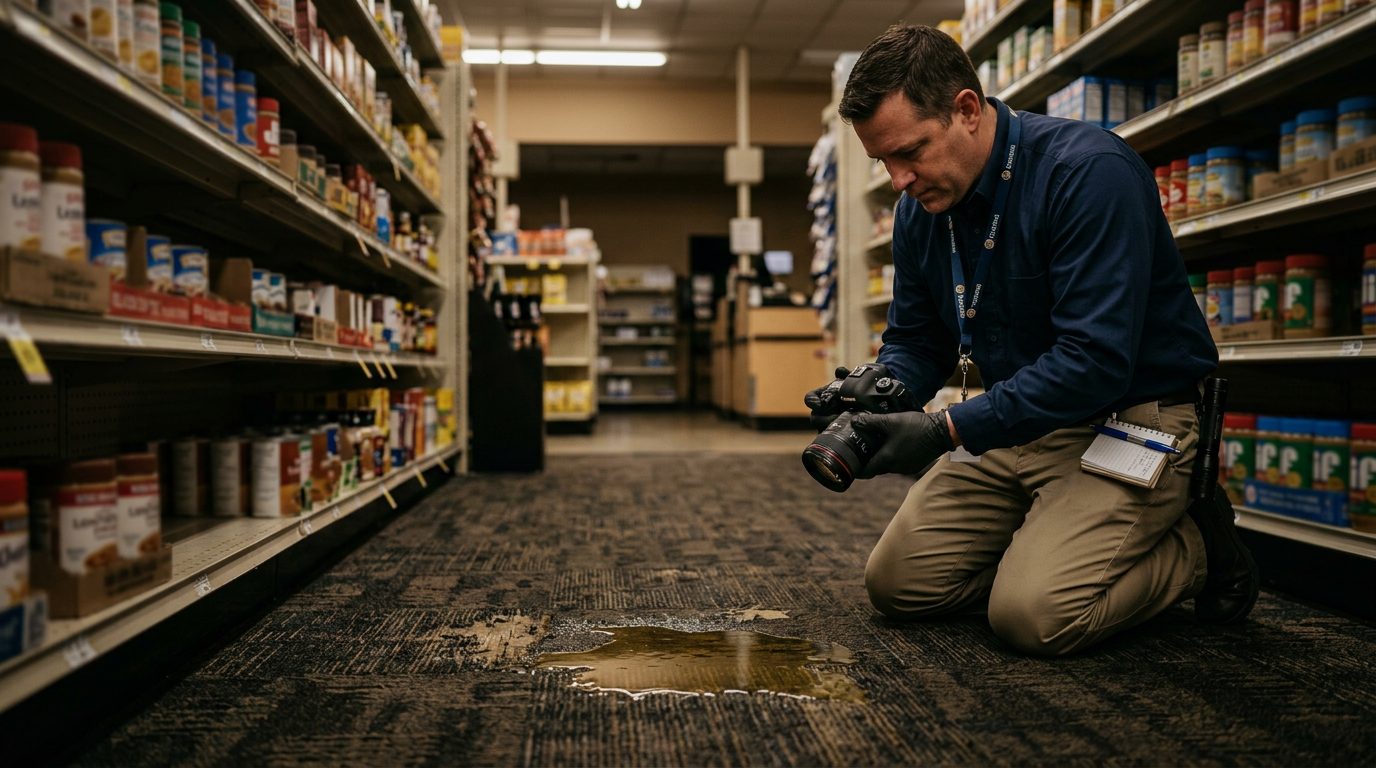
You fell on someone else’s property in Miami and were hurt. Maybe you slipped on a wet floor in a high-rise apartment building. Maybe you tripped on a broken stair in a parking garage. Maybe you fell in a short-term rental because the owner never fixed a known hazard. Now you’re facing medical bills, lost time at work, and pain that won’t go away.
You may have a legal claim against the property owner. CHG Personal Injury Lawyers focuses exclusively on personal injury cases—including slip-and-fall claims that cause everything from broken bones to permanent spinal cord damage, paralysis, and traumatic brain injury. We represent people across Miami and nationwide, and we work in English and Spanish.
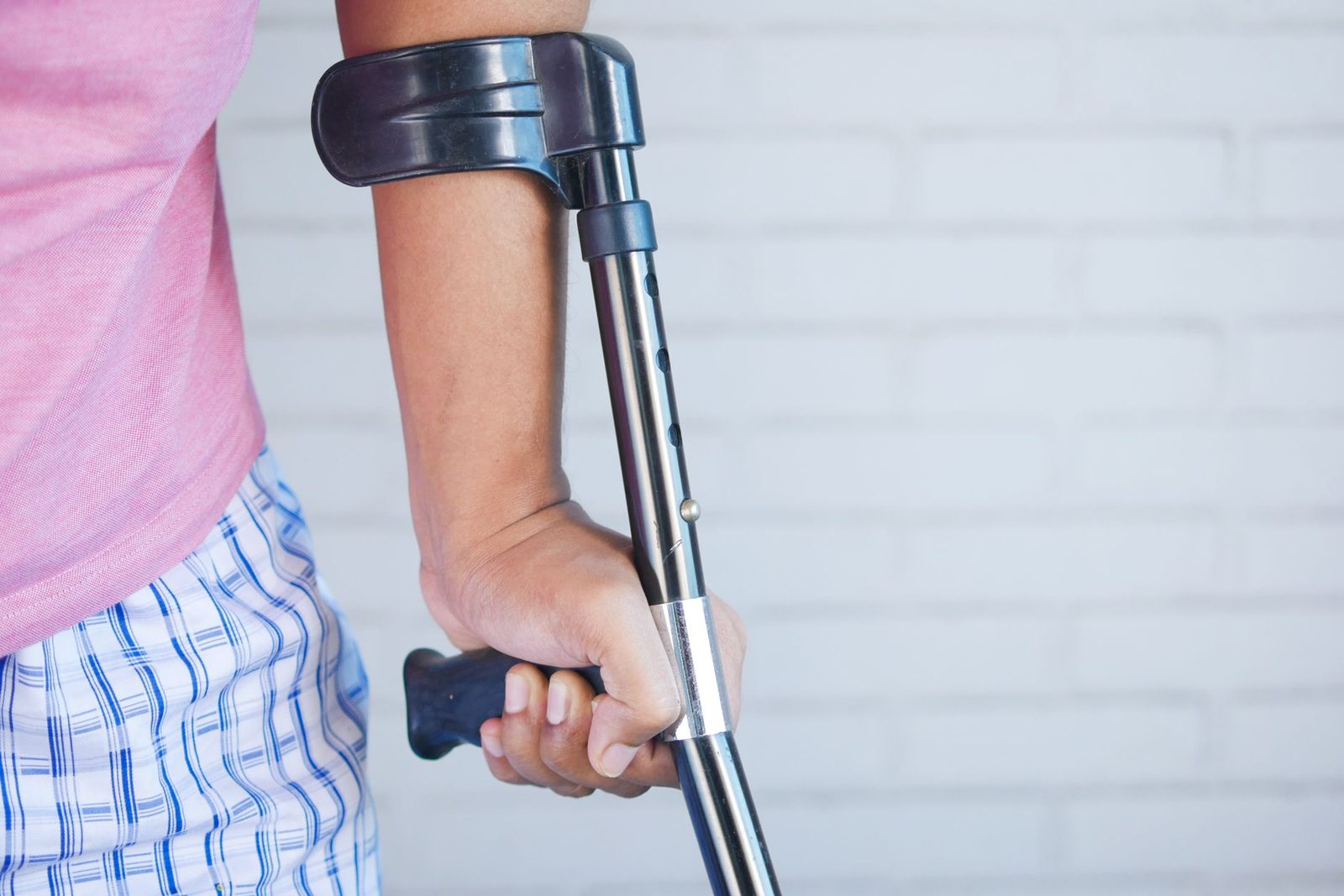
If you were injured on someone else's property due to negligence, you may have a claim. Talk it through with our team — the first consultation is free, confidential, and carries no obligation.
Slip-and-Fall Injuries Can Be Catastrophic
Most people think of slip-and-fall claims as minor—a twisted ankle, a bruised knee, a quick recovery. That’s not always true.
A single fall can cause:
- Spinal cord injury and paralysis. A fall from height or onto a hard surface can damage the spine, resulting in paraplegia (paralysis of the lower body) or quadriplegia (paralysis of all four limbs). These injuries are permanent and life-altering.
- Traumatic brain injury (TBI). Hitting your head during a fall can cause a concussion, diffuse axonal injury, or more severe brain damage. TBI can result in cognitive impairment, memory loss, personality changes, and permanent disability.
- Severe fractures requiring surgery. Broken hips, femurs, or vertebrae often need multiple surgeries and months of rehabilitation.
- Amputation. In rare cases, a fall into machinery or onto a sharp object can result in limb loss.
- Severe burns. A fall near hot surfaces or electrical hazards can cause third-degree burns requiring skin grafts and long-term care.
- Wrongful death. An elderly person or someone with underlying health conditions may die from injuries sustained in a fall.
If your fall caused any of these outcomes, you’re facing permanent impairment, ongoing medical care, lost earning capacity, and a fundamentally changed life. That’s not a minor claim—it’s a catastrophic injury claim, and it deserves serious legal representation.
Property Owners’ Legal Duty of Care in Miami
Florida law is clear: property owners have a legal duty to keep their premises reasonably safe. This duty is codified in Florida common law and applies to everyone from apartment complex owners to retail businesses to short-term rental operators.
What does “reasonably safe” mean?
Property owners must:
- Inspect the property regularly for hazards
- Repair or remove hazards promptly
- Maintain floors, stairs, handrails, and walkways in safe condition
- Provide adequate lighting in parking lots, garages, hallways, and outdoor areas
- Post clear warnings of known dangers that can’t be immediately fixed
- Maintain landscaping to prevent trip hazards
- Keep drainage systems working to prevent water accumulation
- In Miami’s specific environment: maintain air-conditioning units, address humidity-related mold and slippery surfaces, and manage the unique hazards of high-rise buildings and short-term rentals
When does failure to maintain become negligence?
The property owner is negligent if they:
- Knew about the hazard (actual knowledge), OR
- Should have discovered it through reasonable inspection and maintenance (constructive knowledge), AND
- Failed to repair it, remove it, or warn you about it, AND
- Your injury resulted directly from that failure
In Miami’s high-rise apartment market, for example, a landlord who ignores a known leak that creates a slippery floor, or a short-term rental operator who doesn’t maintain handrails on a balcony, can be held liable if a guest falls and is injured.
Common Slip-and-Fall Scenarios in Miami
- Wet or slippery floors in stores, restaurants, offices, or apartment common areas
- Broken, uneven, or missing stairs in multi-unit residential buildings
- Poor or absent lighting in parking lots, garages, stairwells, or hallways
- Debris, trash, or objects left on walkways or in common areas
- Missing, inadequate, or broken handrails on stairs or balconies
- Potholes, broken pavement, or uneven sidewalks
- Spilled liquids or grease in aisles or on floors
- Worn, torn, or buckled carpeting or flooring
- Mold or moisture-related slippery surfaces (common in Miami’s humid climate)
- Inadequate drainage causing standing water
- Unsecured rugs or mats that shift underfoot
- Hazards in short-term rentals (Airbnb, VRBO, etc.) that the owner failed to maintain or disclose
Who Can Be Held Liable?
- Property owners
- Landlords and property managers
- Retail businesses and their operators
- Restaurant and bar owners
- Hotel and motel operators
- Short-term rental owners and platforms (in some cases)
- Contractors or maintenance companies responsible for upkeep
- Anyone with a duty to maintain the property
The key is identifying who had the duty to maintain the property and who failed to do so.
Do You Have a Valid Slip-and-Fall Claim?
You likely have a claim if all of the following are true:
1. You were lawfully on the property. You had a right to be there—as a customer, tenant, guest, or invitee. (Trespassers have limited rights.)
2. A hazardous condition existed. There was a real, identifiable danger: a wet floor, broken stair, poor lighting, debris, or other unsafe condition.
3. The property owner knew or should have known about the hazard. Either they had actual knowledge, or they should have discovered it through reasonable inspection and maintenance.
4. The property owner failed to fix, remove, or warn about the hazard. They didn’t repair it, didn’t remove it, and didn’t post a clear, visible warning.
5. You fell and were injured as a direct result. Your injury was caused by the hazard, not by your own recklessness or a pre-existing condition unrelated to the fall.
6. You acted reasonably. You weren’t ignoring obvious warnings, trespassing, or behaving recklessly.
7. You have quantifiable damages. You have medical bills, lost wages, pain and suffering, or other measurable losses.
Important: Florida’s comparative negligence rule. Even if you were partially at fault—for example, you were wearing inappropriate footwear or not paying full attention—you may still recover damages under Florida Statutes §768.81, as long as the property owner was more negligent than you.
If you've slipped and fallen on someone else's property in Miami and suffered injury because of their negligence, reach out now. Talk it through with our team — the first consultation is free, confidential, and carries no obligation.
What Damages Can You Recover?
- Medical expenses: Emergency care, hospital stays, surgery, imaging, physical therapy, occupational therapy, ongoing treatment, and future medical care
- Lost wages: Income you missed while recovering or unable to work
- Reduced earning capacity: If your injury permanently limits your ability to work or earn at your prior level
- Pain and suffering: Compensation for physical pain, emotional distress, anxiety, depression, and reduced quality of life
- Permanent disability or disfigurement: If the injury causes lasting impairment, scarring, or functional loss
- Home modifications and adaptive equipment: Wheelchairs, ramps, grab bars, accessible bathrooms, or other equipment needed to accommodate permanent disability
- Future medical care and rehabilitation: Ongoing treatment, medications, therapy, or specialized care
- Property damage: If personal belongings were damaged in the fall
- Wrongful death damages: If a family member died as a result of the fall, surviving family members can pursue a wrongful-death claim for funeral expenses, loss of companionship, and loss of financial support
The total value depends on injury severity, medical evidence, clarity of fault, and the strength of your evidence.
How the Slip-and-Fall Claims Process Works
Step 1: Free Case Evaluation You contact our office and describe what happened. We ask detailed questions about the property, the hazard, your injury, and your medical treatment. This consultation is free and carries no obligation.
Step 2: Investigation Our team preserves and gathers evidence immediately: – Security footage (which is typically deleted within 30–90 days) – Photos and measurements of the hazard – Witness statements and contact information – Property maintenance records and inspection logs – Prior complaints or incident reports – Building code violations or safety violations – Medical records and expert opinions
Step 3: Medical Documentation We compile your full medical history, treatment records, imaging, surgical reports, and expert opinions. This establishes the full extent of your injury and damages.
Step 4: Demand Letter We send a detailed demand to the property owner’s insurance company. It outlines the hazard, the property owner’s negligence, your injuries, medical expenses, lost wages, and the total value of your claim.
Step 5: Negotiation Our attorneys negotiate with the insurance company. Most slip-and-fall cases settle during this phase without going to trial.
Step 6: Settlement or Litigation If we reach a fair settlement, you receive compensation. If the insurance company refuses a reasonable offer, we’re prepared to file a lawsuit and take your case to trial.
Step 7: Recovery Once settled or awarded by a jury, funds are distributed to you after attorney fees and costs are paid. You typically receive money within 2–4 weeks.
Timeline: Most slip-and-fall cases take 6–18 months from injury to resolution, depending on complexity and whether litigation is necessary.
Your Deadline: Florida’s Statute of Limitations
Time is critical. Under Florida Statutes §95.11, you have two years from the date of your injury to file a slip-and-fall lawsuit. If a family member died in the fall, you have two years from the date of death to file a wrongful-death claim.
Why act now?
- Security footage is typically deleted within 30–90 days
- Witnesses move away or forget details
- The property owner may destroy maintenance records
- Evidence degrades or disappears
- The sooner we investigate, the stronger your case
Missing the two-year deadline means losing your right to sue permanently. Don’t wait.
How Much Does It Cost?
We work on a contingency-fee basis. You pay nothing upfront. We only get paid if you win or settle your case.
- Attorney fee: Typically 25–40% of your settlement or verdict, depending on case complexity and whether it goes to trial
- Out-of-pocket costs: Medical records, expert witnesses, court filing fees, investigation expenses, and other case costs are covered by our firm and deducted from your recovery
- No hidden fees: You know exactly how the arrangement works before you sign anything
- If you don’t recover, you don’t pay attorney fees (though costs may apply in rare circumstances)
This model removes financial risk from you. You don’t pay unless we succeed.
Why Choose CHG Personal Injury Lawyers?
Focused exclusively on personal injury. We don’t handle family law, criminal defense, or business disputes. We focus exclusively on personal injury cases—slip-and-fall claims, catastrophic injuries, negligent security, truck accidents, traumatic brain injuries, spinal cord injuries, amputations, burn injuries, and more. Our knowledge is deep and current.
Bilingual representation in English and Spanish. Full service in both languages. No language barrier, no confusion about your rights or case status. We serve Miami’s diverse population.
Thorough investigation and evidence preservation. We don’t pressure you into quick settlements. We investigate fully, preserve evidence before it disappears, gather strong documentation, and build a compelling case to maximize your recovery.
Licensed Florida Bar attorneys. All our attorneys are licensed by the Florida Bar and have the credentials to represent you in court if necessary.
Experience with premises liability and catastrophic injuries. We handle slip-and-fall claims and understand how they can cause permanent spinal cord damage, paralysis, traumatic brain injury, and other life-altering outcomes. We’ve handled cases involving Miami’s unique environment: high-rise apartments, short-term rentals, commercial properties, and the specific hazards they present.
Nationwide capacity. While based in Florida, we handle cases across the United States. Your location doesn’t limit your access to representation.
Plain-language guidance. We explain Florida’s comparative-fault rules, statute-of-limitations deadlines, property owner duties, and your legal options in clear, everyday language—never legal jargon.
Not sure what your next step is?
Talk it through with our team — the first consultation is free, confidential, and carries no obligation.
Frequently Asked Questions
Q: Do I have to go to trial?
No. Most slip-and-fall cases settle before trial. We pursue settlement aggressively but are fully prepared to litigate if necessary.
Q: What if I was partially at fault?
Florida’s comparative negligence rule allows you to recover even if you were partially at fault, as long as the property owner was more negligent than you. For example, if you were wearing inappropriate footwear but the property owner failed to maintain a known hazard, you may still have a claim.
Q: When will I receive money?
After settlement or verdict, funds are typically distributed within 2–4 weeks, minus attorney fees and costs.
Q: Do I need witnesses?
Witness testimony helps, but we can build a strong case using physical evidence, photos, maintenance records, security footage, medical records, and expert analysis.
Q: What if there’s no security footage?
We investigate using other evidence: photos of the hazard, witness statements, maintenance records, prior complaints, building code violations, and expert testimony about how the hazard likely existed and how long.
Q: What if the property owner has no insurance?
We pursue other avenues, including the property owner’s personal assets, umbrella policies, or other liable parties, to recover compensation.
Q: Can my slip-and-fall injury cause permanent disability?
Yes. Falls can cause spinal cord injuries resulting in paralysis, traumatic brain injuries, severe fractures requiring multiple surgeries, amputations, and other permanent, life-altering outcomes. If your injury is catastrophic, your claim value is substantially higher.
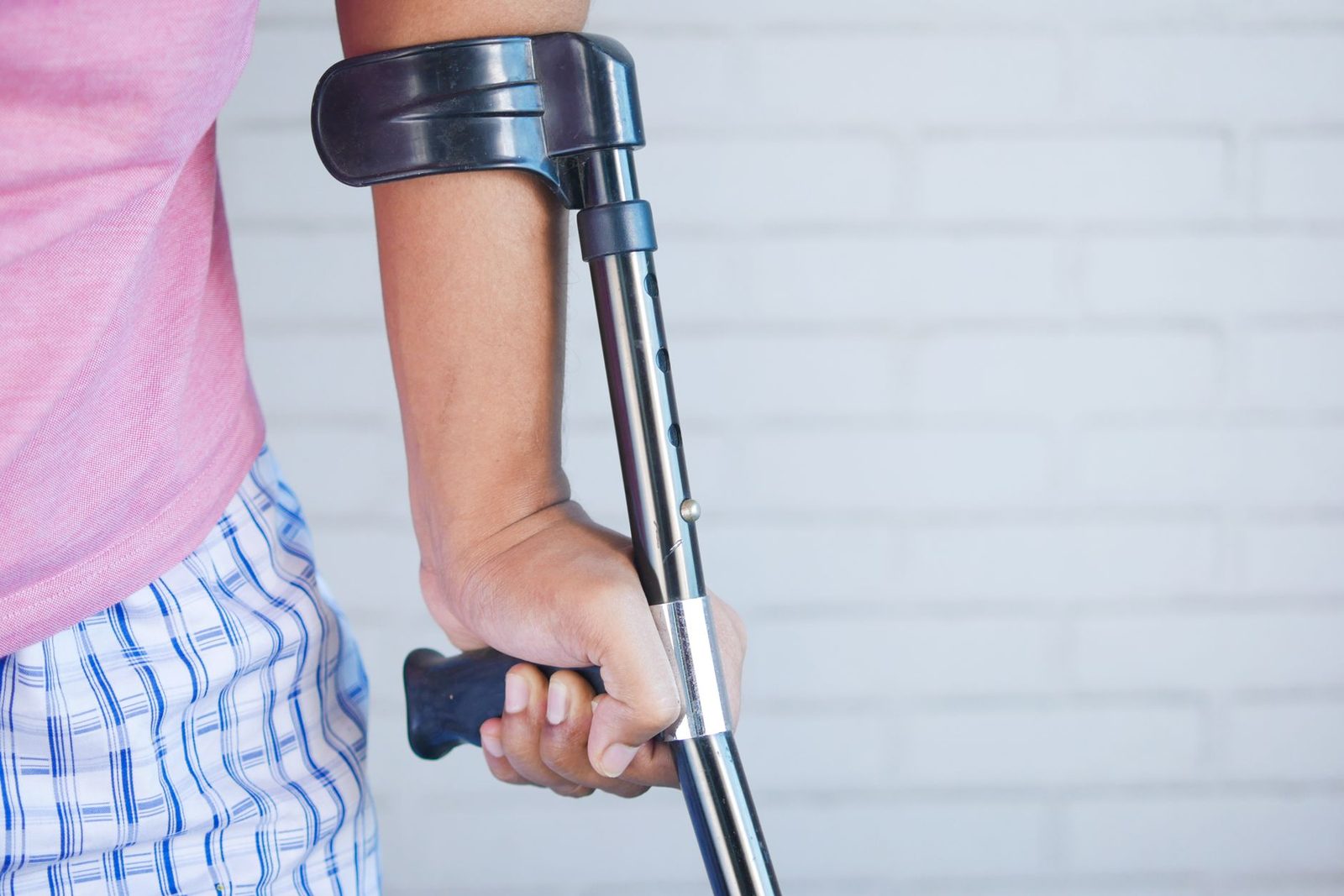
Take Action Now
Evidence is disappearing right now. Security footage is being deleted. Witnesses are forgetting details. The property owner may be destroying records. You have only two years from the date of your injury to file a lawsuit.
Insurance companies count on injured people to delay, hesitate, or give up. Don’t let that happen.
Contact CHG Personal Injury Lawyers today for a free, no-obligation case evaluation. Our bilingual team will listen to your story, answer your questions, and explain your legal options. If you’ve slipped and fallen on someone else’s property in Miami and suffered injury because of their negligence, reach out now.
People in your situation contact us every day. We’re ready to help.
Why Choose CHG for Your Slip and Fall Claim
Focused on Your Recovery
We focus exclusively on personal injury cases, including slip and fall injuries. Our entire practice is built around helping injured people get the compensation they deserve.
No Fees Unless There's a Recovery
We work on contingency. You pay no fees unless we recover money for you—either through settlement or court judgment.
Direct Access to Attorneys
You'll work with licensed Florida attorneys who understand slip and fall liability and will fight for fair compensation on your behalf.
Serving Miami and Beyond
Based in Florida and handling cases nationwide, we know the local laws and property-owner responsibilities that apply to your situation.
Act Quickly
If you've been injured in a slip and fall, time matters. Preserve evidence, document your injuries, and contact an attorney as soon as possible. Don't delay—the sooner we know the details, the sooner we can help.
What Happens in a Slip and Fall Case
We Investigate Your Claim
We gather evidence about the hazard that caused your fall—wet floors, broken stairs, poor lighting, or debris. We identify what the property owner knew or should have known about the danger, and whether they failed to fix it or warn you.
We Build Your Case
We document your injuries, medical treatment, lost wages, and pain and suffering. We work with medical professionals and, when necessary, expert witnesses to establish the full value of your claim.
We Pursue Settlement or Trial
Most slip and fall cases settle before trial. We negotiate aggressively with the property owner's insurance company. If a fair settlement isn't possible, we're fully prepared to litigate and present your case in court.
You Recover—We Get Paid
If we recover money for you, we take our fee from that recovery. If there's no recovery, you owe us nothing. It's that simple.
Common Questions About Slip and Fall Claims
Do I have to go to trial?
No. Most slip and fall cases settle before trial. We pursue settlement aggressively but are fully prepared to litigate if necessary.
What if I was partially at fault?
Florida's comparative negligence rule allows you to recover even if you were partially at fault, as long as the property owner was more negligent than you.
How long does a case take?
It depends on the complexity of your injury and the willingness of the other side to settle. Some cases resolve in months; others take longer. We'll keep you informed every step of the way.
What damages can I recover?
You may recover compensation for medical bills, lost wages, pain and suffering, and other losses caused by the injury. We evaluate the full scope of your damages to ensure you're fairly compensated.