

Burn Injury Recovery Timeline: What to Expect
Understanding the long road ahead after a catastrophic burn—and your right to compensation for the costs of care.
By CHG Lawyers · Published August 17, 2026
Burn Injury Recovery Timeline: What to Expect
Severe burn recovery is a marathon, not a sprint. Depending on the burn’s depth and size, healing can take anywhere from several weeks to more than a year—and the journey doesn’t end when the wounds close. If you or a family member is facing recovery from a catastrophic burn, understanding the realistic timeline, what happens at each stage, and what to plan for can help you navigate the months and years ahead.
Not sure what your next step is?
Talk it through with our team — the first consultation is free, confidential, and carries no obligation.
Understanding Burn Severity and Why Timeline Matters
The depth of a burn determines how long recovery will take and whether skin grafts are needed. The American Burn Association classifies burns into three categories: first-degree (superficial), second-degree (partial thickness), and third-degree (full thickness). First-degree burns typically heal within 7–10 days without scarring. Second-degree burns usually heal within 1–3 weeks, though deeper second-degree burns may require medical care and could scar. Third-degree burns destroy all layers of skin and always require skin grafting and specialized burn center care.
The size of the burn matters just as much as its depth. Doctors measure burn size as a percentage of total body surface area (TBSA). A burn covering just 5% of the body is treated very differently from one covering 20% or more. Larger burns take longer to heal, carry higher risk of infection and complications, and demand months or years of ongoing medical care and rehabilitation.
Recovery is not linear. Families need realistic expectations: weeks of intensive wound care, possible multiple surgeries, months of rehabilitation, and years of scar maturation. This timeline affects everything—time away from work, medical appointments, caregiving needs, and financial strain.
The First 24–48 Hours: Emergency Care and Stabilization
The first hours after a severe burn are critical. In the emergency room or burn center, doctors focus on stopping the burn, preventing infection, managing shock, and controlling pain. The patient receives IV fluids to prevent organ failure, pain medication, and tetanus protection if needed.
Doctors assess the burn’s size and depth and decide whether the patient needs admission to a specialized burn center. Burns covering more than 10% of body surface area, burns on the face, hands, joints, or genitals, and burns in very young or elderly patients typically require burn center care.
During this phase, the family’s role is to stay close, provide medical history, and begin to process what’s happened. Medical staff will explain next steps and answer immediate questions about pain management and infection prevention.
Weeks 1–3: Early Wound Care and Assessment for Skin Grafts
Once the patient is stabilized, daily wound care begins. Nurses clean the burn, remove dead tissue (called debridement), apply topical antibiotics, and change dressings—often multiple times per day. This process is painful, even with strong pain medication. Pain management becomes a major focus: medications, psychological support, and coping strategies help the patient endure necessary treatment.
During this phase, doctors assess whether skin grafts will be needed. Superficial second-degree burns may heal without grafting, but deeper second-degree burns and all third-degree burns require skin grafting to close the wound and prevent infection.
Doctors watch closely for signs of infection—fever, increasing redness or swelling, foul-smelling drainage, or changes in the patient’s mental state. Infection is the most serious complication during early recovery and can delay healing or require additional surgery.
The emotional toll on patient and family during this phase is enormous. Pain is severe, uncertainty is high, and the reality of a long recovery is beginning to sink in.
Weeks 2–6: Skin Graft Surgery and Initial Healing
If skin grafting is needed, surgery typically happens 2–3 weeks after the burn. Skin grafting involves removing healthy skin from an unburned area of the patient’s body (an autograft) or using donor skin (an allograft) or synthetic skin substitute to cover the burn wound.
The surgical procedure takes several hours. After grafting, the patient must remain nearly immobilized to allow the graft to “take”—that is, to integrate with the underlying tissue and establish blood flow. Grafted skin typically takes 2–3 weeks to stabilize, though full maturation of scars continues over 12–24 months.
During this period, activity is severely restricted. The patient cannot shower normally, must keep the graft area clean and protected, and may experience significant pain and itching. Dressing changes continue, and pain medication remains essential.
Weeks 3–12: Graft Integration and Wound Closure
As the grafted skin integrates with underlying tissue, the burn wound gradually closes. Ongoing wound care and dressing changes continue, but the frequency may decrease. Doctors monitor for signs of graft failure—areas where the graft didn’t take and the wound remains open. If graft failure occurs, additional surgery may be needed.
Around 4–6 weeks after grafting, patients can begin gentle movement and light rehabilitation. Physical and occupational therapists work with the patient to prevent contractures—permanent shortening of tissue that limits movement—and to restore function.
Have questions about what happened?
Ask our team directly. The first conversation is free, confidential, and there is no obligation to continue.
Months 2–6: Active Rehabilitation and Scar Management
This phase is intense. Patients wear compression garments—tight-fitting clothing that applies pressure to the healing burn—to reduce scarring and swelling. These garments must be worn for 12–24 hours per day and are uncomfortable, especially in warm weather.
Physical and occupational therapy increases. Therapists guide patients through exercises to maintain and restore range of motion, strength, and ability to perform daily tasks. For burns on the hands or face, therapy is especially demanding because these areas are critical to function and appearance.
Patients gradually return to light activities—short walks, light household tasks, time with family. The pace of return depends on the burn’s location and size and the patient’s overall health. Psychological recovery begins during this phase too, as patients adjust to visible scarring and changes in appearance.
Months 6–12 and Beyond: Long-Term Healing and Adaptation
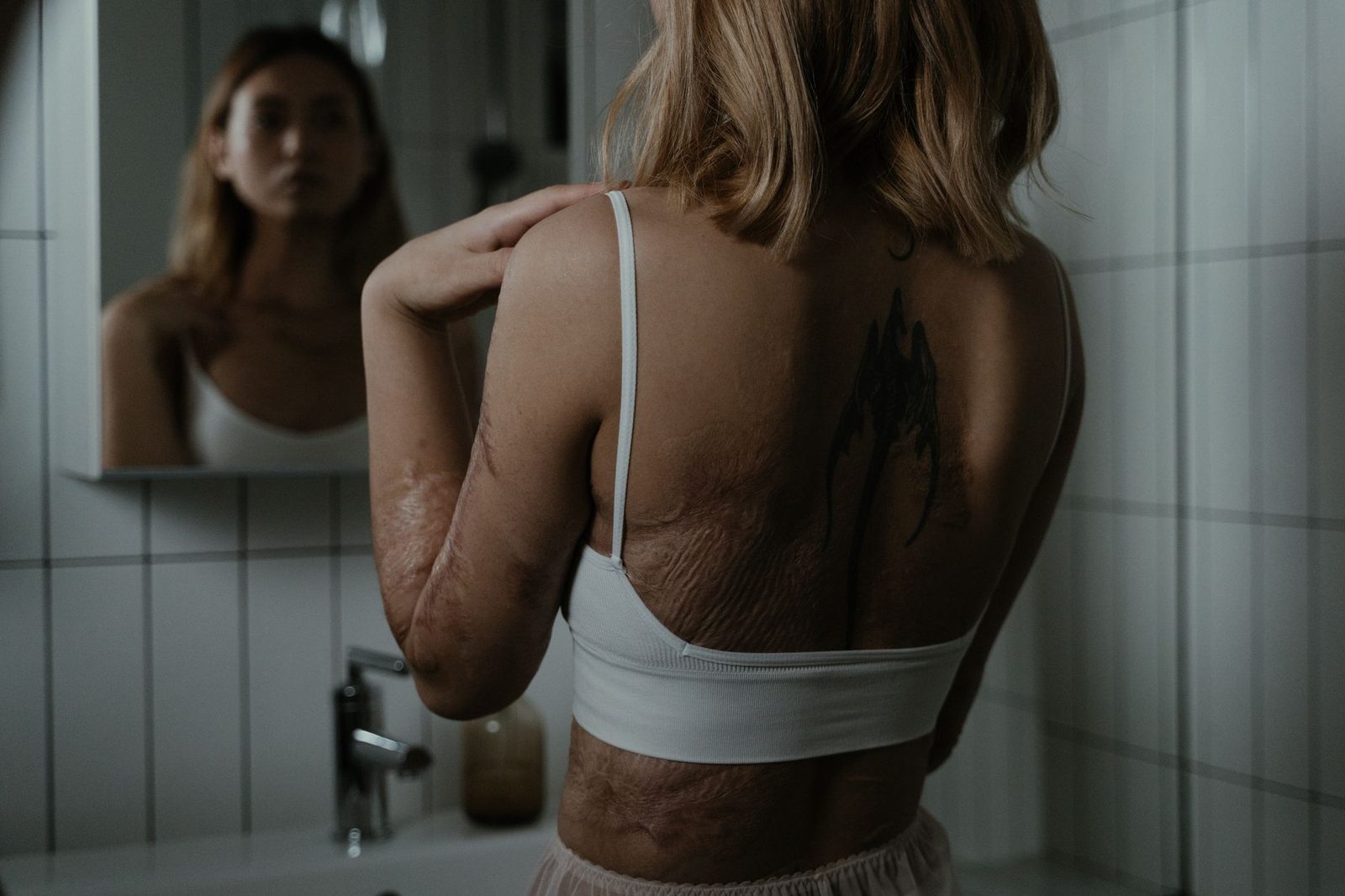
Scars continue to mature and fade over 12–24 months after the injury. Early scars are often red, raised, and tight. Over time, they flatten, fade, and become more flexible. However, severe burns always leave permanent scarring, pigmentation changes, and areas of reduced sensation or increased sensitivity.
Ongoing medical appointments continue—wound checks, scar assessments, and monitoring for complications. Patients may need additional surgeries to improve function or appearance, such as procedures to release contractures or revise scars.
Return to work, school, and normal activities varies widely. Someone with a small burn on the arm might return to desk work within 8–12 weeks. A person with extensive burns to the hands, face, or trunk may need 6–12 months or longer to regain function and confidence.
Chronic complications after severe burns are common. Residual scarring, pigmentation changes, and sensitivity persist. Nerve pain (neuropathic pain) and chronic itching affect many burn survivors for years. Some people experience fatigue, depression, or post-traumatic stress as they adjust to permanent changes in appearance and function.
Factors That Affect Your Burn Recovery Timeline
Several factors influence how quickly someone recovers from a severe burn:
Size and depth of the burn. Larger burns and deeper burns take longer to heal and carry higher risk of complications.
Location of the burn. Burns on the face, hands, joints, and genitals heal differently and may have greater impact on function and appearance.
Age and overall health. Younger, healthier patients often recover faster. Older patients or those with diabetes, heart disease, or other conditions may face slower healing and more complications.
Other injuries. If the patient also suffered inhalation injury (breathing in smoke or hot gases), trauma, or fractures, recovery becomes more complex and longer.
Infection or complications. Infection, graft failure, or other complications delay healing and may require additional surgery.
Access to specialized burn care. Patients treated at dedicated burn centers with experienced teams typically have better outcomes than those treated at facilities without burn expertise.
Are Burns the Most Painful Injury?
Burn pain is among the most severe injuries. Exposed nerve endings, ongoing wound care, and the inflammatory response all cause intense pain. Pain management is a major part of recovery: medications, psychological support, and coping strategies help patients endure necessary treatment.
Even after wounds close, pain may persist. Chronic pain, nerve pain, and sensitivity can continue for months or years. Some burn survivors report that itching is as distressing as pain during recovery.
What to Expect During Recovery: Physical and Emotional Changes
Severe burns cause permanent physical changes. Visible scarring and disfigurement affect how the injured person sees themselves and how others perceive them. Emotional adjustment takes time. Many burn survivors experience grief over the loss of their pre-injury appearance, anxiety about social situations, and depression during the long recovery.
Loss of function is real. Burns on the hands, arms, or legs can limit range of motion, reduce strength, and make everyday tasks difficult. Someone who worked with their hands may face permanent limitations. A person who loved sports or dancing may need to adapt or find new activities.
Fatigue and emotional exhaustion are common during long recovery. Constant medical appointments, pain, and the psychological burden of adjustment drain energy and hope.
The impact on family is profound. Caregivers provide transportation to appointments, assist with wound care and exercises, and manage the emotional needs of their injured loved one. Financial stress is severe—medical bills, lost wages, and the cost of specialized care can be overwhelming.
When a Severe Burn Is Caused by Negligence or Unsafe Conditions
Catastrophic burns often result from someone else’s failure to prevent the accident. A workplace fire caused by faulty equipment or unsafe conditions. A burn from a defective product. An assault or attack on an unsecured property where the owner failed to provide adequate security—lighting, cameras, locks, or guards—that could have prevented the violence.
If your burn was caused by negligence—faulty equipment, unsafe working conditions, a fire caused by another’s carelessness, or an assault on an unsecured property—you may have a legal claim against the person or business responsible.
Compensation from a negligence claim can help cover the extraordinary costs of severe burn recovery: emergency and ongoing medical care, skin grafts and surgeries, rehabilitation and therapy, lost wages during recovery, permanent scarring and disfigurement, chronic pain and suffering, and the long-term impact on quality of life.
The recovery timeline also strengthens your legal claim. Detailed medical records documenting ongoing treatment, complications, surgeries, and permanent impact provide powerful evidence of the injury’s severity and the damages you’ve suffered. The longer and more complex your recovery, the stronger the case for substantial compensation.
Want to know where you stand?
Tell us what happened and our team will walk you through the options available to you, at no cost.
Understanding Your Legal Rights
Under Florida law, a negligence claim arising from a burn injury generally must be filed within 2 years of the date the cause of action accrues. This deadline is strict, so if your burn was caused by negligence, it’s important to reach out to an attorney promptly.
Florida follows a modified comparative-negligence rule: if you are found to be more than 50% at fault for your own injury, you generally recover nothing. If you are 50% or less at fault, you may recover damages reduced by your percentage of fault. This means that even if you bear some responsibility, you may still have a valid claim.
Next Steps
If you or a family member is in the early stages of burn recovery, the road ahead is long and demanding. Medical care, rehabilitation, and emotional adjustment will occupy the next year or more. Understanding what to expect—the stages of healing, the realistic timeline, the complications that may arise—can help you prepare and plan.
For more information about the costs and legal claims associated with severe burns, see our guide to severe burn injury claims.
If your burn was caused by negligence or unsafe conditions, and you’re trying to understand whether you have a legal claim, the team at CHG Personal Injury Lawyers is here to help. Many families in your situation—facing months of recovery, enormous medical bills, and the question of who should bear the cost—reach out to discuss what happened and explore their options. There’s no pressure and no cost to talk. Contact us for a free case evaluation.
Frequently Asked Questions
How long does it take to recover from a severe burn injury?
Recovery from a severe burn is often a long process that can take months to years, and some effects, such as scarring, nerve damage, or loss of function, may be permanent. The timeline depends on the depth and size of the burn, the body areas affected, and complications like infection.
What are the stages of severe burn recovery?
Severe burn recovery generally moves through an emergency and stabilization phase, an acute wound-care and surgical phase (which may include skin grafts), and a long rehabilitation phase focused on mobility, scar management, and daily function. Many survivors also need ongoing physical therapy and emotional support well after the wounds close.
Why do serious burns often require more than one surgery?
Deep burns frequently need repeated procedures such as skin grafts, reconstructive surgery, and scar-release operations to restore movement and appearance over time. These staged surgeries are a common part of the recovery journey and can continue for years.
How does a long burn recovery affect a legal claim after someone else’s negligence?
Because severe burns can lead to lasting medical costs, lost income, and permanent impairment, it is often important to understand the full scope of future needs before settling a claim. If your burn injury was caused by another party’s negligence, you can contact CHG Personal Injury Lawyers for a free case evaluation to discuss your situation with a licensed attorney.
The Stages of Severe Burn Recovery
Immediate & Emergency Phase (Days 1–7)
The first week focuses on stabilizing vital functions, managing severe pain, and preventing infection. You'll receive wound care, fluid replacement, and monitoring in a specialized burn center. This phase is critical and life-threatening.
Early Healing Phase (Weeks 2–12)
Wound care intensifies, including cleaning, grafting, and dressing changes. Physical therapy begins to prevent muscle loss and joint stiffness. Pain management and infection prevention remain top priorities. Psychological support often begins here.
Active Rehabilitation (Months 3–12+)
Ongoing physical and occupational therapy helps restore movement, strength, and function. Scar management (compression garments, silicone treatments) begins. Many patients require multiple surgeries. Return to daily activities happens gradually.
Long-Term Recovery & Adaptation (1–5+ Years)
Scarring, nerve damage, and loss of function may become permanent. Continued therapy, reconstructive surgery, and psychological counseling support quality of life. Some effects—contractures, chronic pain, reduced mobility—persist indefinitely.
Recovery Costs Are Substantial
Severe burn injuries require specialized medical care, multiple surgeries, long-term therapy, and often permanent lifestyle changes. Medical bills, lost wages, and ongoing care can reach hundreds of thousands of dollars or more. If your burn was caused by someone else's negligence—a workplace accident, a defective product, unsafe premises, or a truck crash—you may have the right to recover those costs.
What Affects Your Recovery Timeline
Burn Depth & Size
Deeper burns (third- and fourth-degree) and larger affected areas require more intensive treatment and longer recovery. Even partial-thickness burns can cause permanent scarring and nerve damage.
Location on the Body
Burns on joints, the face, hands, or genitals are especially complex because they affect movement, appearance, and function. Recovery in these areas often requires specialized surgery and extended rehabilitation.
Age & Overall Health
Younger patients often recover faster, but elderly patients and those with pre-existing conditions face longer timelines and higher complication rates, including infection and organ failure.
Infection & Complications
Infections, sepsis, and other medical complications can extend recovery by months or years and may result in permanent disability or death. Specialized burn centers reduce—but cannot eliminate—these risks.
If Your Burn Was Caused by Negligence, You Deserve Answers
Related practice areas
- Severe Burn Injuries From Serious Accidents: Your Legal Rights and Next Steps
- The Lifetime Cost of a Severe Burn Injury: Care, Rehab, and Lost Income
- Electrical Burn Injury Lawyer | Severe Burn Claims