


Severe Burn Injuries
Severe Burn Complications: Long-Term Effects & Your Legal Rights
Severe burns cause permanent scarring, infection, organ damage, and lifelong medical needs. If negligence caused your injury, you may have a claim.
By CHG Lawyers · Published August 28, 2026
Severe Burn Complications: Organ Damage, Metabolic Crisis & Long-Term Recovery
Severe burns destroy the skin’s protective barrier. This triggers a cascade of organ-system failures that can unfold over hours, weeks, or months. The complications—sepsis, acute kidney injury, cardiac shock, contractures, neuropathic pain, and metabolic collapse—reshape how the body functions. They often require years of specialized medical care, reconstructive surgery, and rehabilitation.
Understanding what happens after a severe burn explains why survival depends on immediate transport to a burn center, why ongoing medical expertise is essential, and why the financial and personal costs can exceed millions of dollars over a lifetime.
Not sure what your next step is?
Talk it through with our team — the first consultation is free, confidential, and carries no obligation.
The Immediate Systemic Crisis: Fluid Loss, Shock, and Organ Failure
When a burn destroys the outer layers of skin (epidermis and dermis), the body loses its primary barrier against infection and fluid loss. Massive amounts of fluid seep from damaged tissue into surrounding areas within the first hours. This is called capillary leak.
In a severe burn covering 20% or more of body surface area (BSA), capillary leak causes dehydration so profound that blood volume drops dramatically. Blood pressure collapses, and organs begin to fail. This is burn shock—a medical emergency that develops within the first 24–48 hours.
The Parkland Formula, a standard burn care protocol, calculates fluid replacement based on burn size and body weight to prevent organ failure. Even with aggressive fluid resuscitation, some patients develop rhabdomyolysis—muscle breakdown that releases myoglobin into the bloodstream. This can clog the kidneys and cause acute kidney injury (AKI). Acute tubular necrosis (ATN), a form of kidney failure, is a leading cause of death in severe burn cases and may require dialysis for weeks or months.
The heart is equally vulnerable. Fluid loss reduces blood volume, forcing the heart to work harder with less oxygen. Burn survivors often develop cardiac arrhythmias (irregular heartbeat) and long-term weakening of the heart muscle. Some face permanent cardiac complications requiring lifelong monitoring.
The lungs face two threats:
- Inhalation injury (from smoke, hot gases, or toxic fumes) can scar lung tissue and cause respiratory failure.
- Fluid accumulation in the lungs (pulmonary edema) can develop as the body rebalances fluid after the acute phase.
Long-term breathing problems and reduced exercise tolerance are common.
The liver function is impaired by shock and inflammation. This reduces the body’s ability to process medications, fight infection, and synthesize proteins needed for healing.
This is why severe burns require immediate admission to a specialized burn center. The American Burn Association defines burn centers as facilities equipped with dedicated burn units, specialized surgical teams, and intensive care protocols. The first 24–48 hours determine survival. Delays in transport or treatment dramatically increase the risk of organ failure and death.
Sepsis and Infection: The Leading Cause of Death After the Acute Phase
Burned skin cannot act as a barrier to bacteria. Infection is the most serious threat to a burn survivor’s life after the first week. Sepsis remains the leading infectious cause of death in severe burn cases.
Bacteria colonize the open wound. If the infection enters the bloodstream, sepsis develops—a severe, body-wide inflammatory response that can cause organ failure and death within hours. Early warning signs include:
- Fever (or, in severe cases, abnormally low body temperature)
- Rapid heartbeat (tachycardia)
- Confusion or altered mental status
- Low blood pressure
- Organ dysfunction (reduced urine output, respiratory distress)
Burn centers prevent sepsis through:
- Rapid wound closure via skin grafting (autografting, where the patient’s own skin is transplanted, or temporary biological dressings)
- Topical antimicrobial agents applied directly to the wound
- Systemic antibiotics to prevent bacterial overgrowth
- Strict infection control protocols and frequent wound assessment
Even with expert care, infection remains a constant risk. The longer a severe burn wound remains open, the higher the risk of bacterial colonization. This is why burn surgeons prioritize rapid wound closure—sometimes within 24–48 hours for life-threatening burns.
Contractures and Scarring: Permanent Loss of Movement and Function
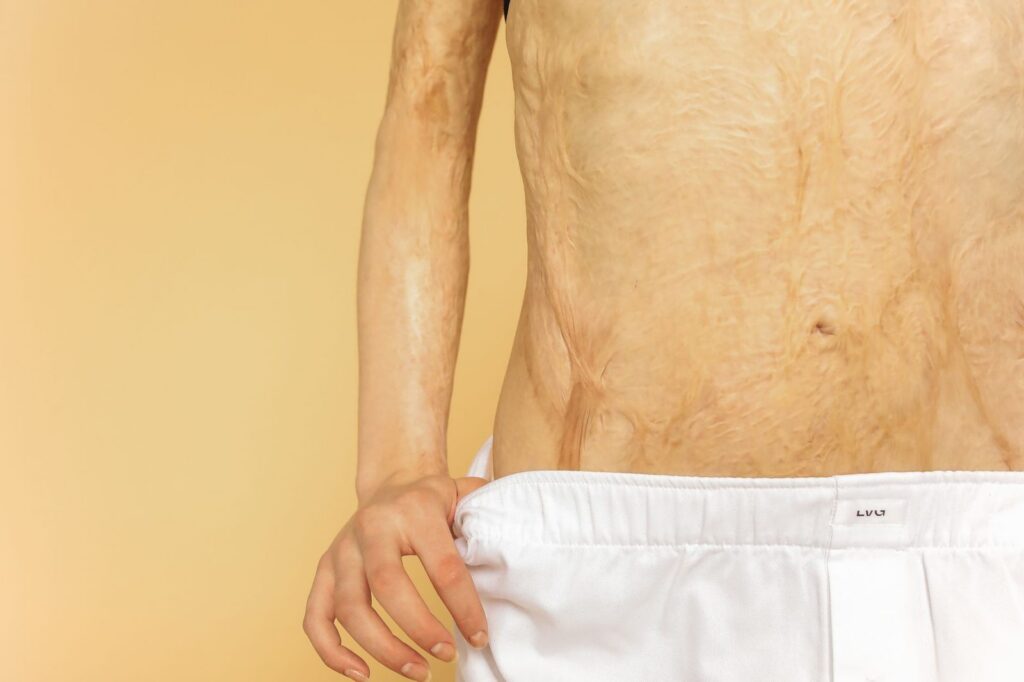
As burned skin heals, scar tissue forms and tightens dramatically. This tightening is called a contracture—a permanent shortening of scar tissue that prevents normal range of motion.
Contractures are among the most disabling long-term complications of severe burns. A person may lose the ability to:
- Straighten or flex their fingers or wrists
- Bend or extend their knees or ankles
- Turn their head or neck
- Sit or stand upright
- Perform basic self-care (dressing, grooming, toileting)
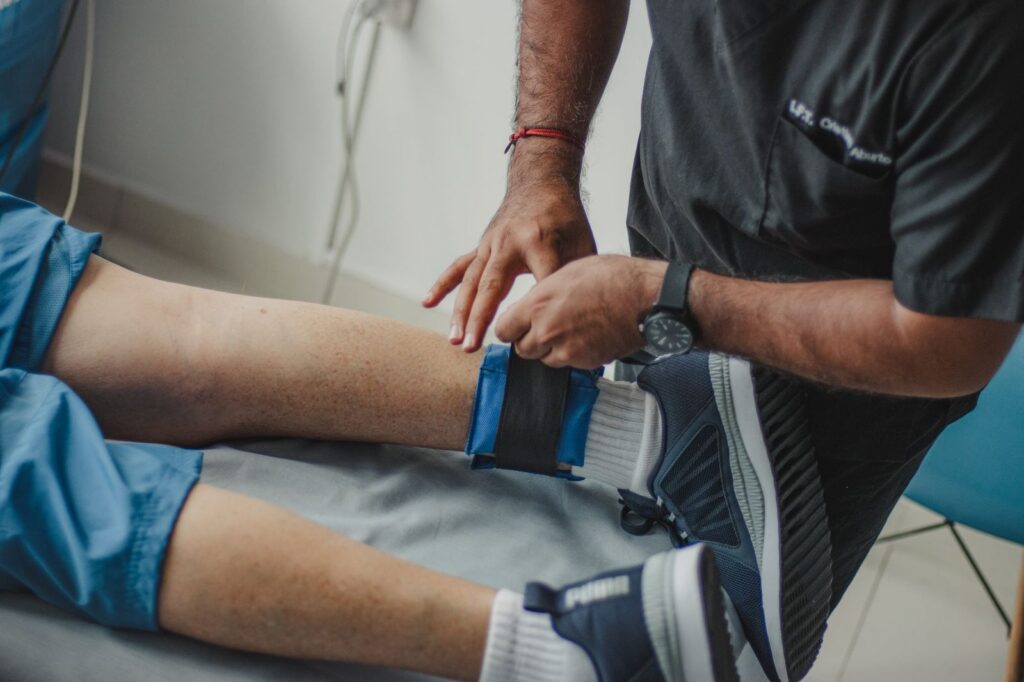
Preventing contractures requires intensive physical therapy beginning within days of the burn. Burn survivors often spend hours daily in therapy, stretching and moving joints against resistance. Even with aggressive therapy, many contractures persist.
Reconstructive surgery—including skin grafting, tissue expansion, and flap procedures—may be needed to restore partial function. Some contractures cannot be fully corrected and become permanent disabilities that require assistive devices or ongoing care.
Beyond movement, severe burns leave visible scars. Hypertrophic scars—thick, raised, discolored scar tissue—are common and may persist or worsen for years. Burn survivors report profound psychological effects: self-consciousness, social avoidance, difficulty returning to work or school, and long-term struggles with body image and identity.
Neuropathic Pain and Nerve Damage: Burning Sensations That Persist for Years
Severe burns destroy nerve endings in the skin and deeper tissues. This causes numbness and altered sensation in the burned area. But it also causes something more persistent and debilitating: neuropathic pain—burning, shooting, electric, or stabbing sensations that can feel as intense as the original injury.
Neuropathic pain from burns is common and can persist for months or years after healing. It affects:
- Sleep quality and duration
- Mood and emotional regulation
- Concentration and cognitive function
- Overall quality of life and ability to work
Some nerve damage is permanent. Other nerve function may slowly recover over months or years, but recovery is unpredictable and incomplete. Chronic pain management often requires a combination of medications (gabapentin, pregabalin, opioids), physical therapy, and psychological support.
Nerve damage also impairs the body’s ability to regulate temperature and sweat. Burn survivors may feel cold easily, overheat in warm environments, or lose the ability to sweat in burned areas. These changes can be uncomfortable and sometimes dangerous, particularly in extreme temperatures.
Metabolic Collapse and Malnutrition: The Hidden Crisis
Severe burns trigger a dramatic increase in metabolic rate—sometimes doubling or tripling normal levels—as the body attempts to heal. This creates an enormous demand for calories, protein, vitamins, and minerals.
The hypermetabolic response to severe burns can persist for months or even years after injury. Without adequate nutritional support, the body breaks down muscle tissue to fuel healing, leading to severe muscle wasting and weakness.
Malnutrition slows wound healing, increases infection risk, and delays recovery. Burn centers use specialized nutrition protocols:
- High-calorie, high-protein diets (sometimes 5,000+ calories per day for large burns)
- Feeding tubes (enteral nutrition) to bypass swallowing difficulties and ensure adequate intake
- Micronutrient supplementation (vitamin C, zinc, iron) to support healing
- Regular monitoring of weight, albumin levels, and other nutritional markers
Electrolyte imbalances—abnormal levels of sodium, potassium, calcium, and magnesium—are common and can cause serious complications including cardiac arrhythmias and muscle weakness. These require careful laboratory monitoring and correction.
Long-term metabolic changes can affect weight, energy levels, and overall health. Some burn survivors struggle with weight gain or loss, fatigue, and reduced exercise tolerance long after recovery.
Have questions about what happened?
Ask our team directly. The first conversation is free, confidential, and there is no obligation to continue.
Burn Severity: How Doctors Determine Risk
Burn severity depends on multiple factors:
- Depth: Full-thickness (third- and fourth-degree) burns destroy all layers of skin and underlying tissue, requiring specialized surgical care.
- Size: Burns covering more than 10% of body surface area (BSA) in adults or 5% in children are considered severe and require burn center admission.
- Location: Burns on the face, hands, genitals, joints, or circumferentially around limbs are more serious because they affect critical functions and have higher complication rates.
- Age and health: Very young children (under 5), elderly individuals (over 60), and those with pre-existing medical conditions (diabetes, heart disease, lung disease) face higher risk of death and complications.
- Associated injuries: Inhalation injury, traumatic injury, or other burns compound severity and complicate recovery.
Any severe burn requires immediate transport to a burn center. Time is critical. Delays in specialized care increase the risk of infection, organ failure, and death.
Fourth-Degree Burns: The Most Catastrophic Injury
Burns are classified by depth:
- First-degree: Superficial; affects only the outer layer of skin (sunburn).
- Second-degree: Partial-thickness; affects the outer layer and part of the layer beneath; blisters form.
- Third-degree: Full-thickness; destroys all layers of skin; appears white, charred, or leathery.
- Fourth-degree: Extends into muscle, fat, and bone; may involve organs.
Fourth-degree burns are almost always fatal unless they cover a very small area and the person receives immediate specialized care at a burn center. Survivors of fourth-degree burns often face amputation of the affected limb. Survival depends on burn size, the person’s age and health, and access to expert medical care.
Psychological Trauma: PTSD, Depression, and Long-Term Mental Health Effects
The trauma of a severe burn doesn’t end when the wound closes. Post-traumatic stress disorder (PTSD), depression, and anxiety are common after severe burns. Survivors report:
- Nightmares and flashbacks of the burn event
- Hypervigilance and panic attacks
- Avoidance of situations that trigger memories
- Difficulty sleeping and concentrating
- Persistent fear and anxiety
Body image changes and visible scarring often lead to social isolation. Many survivors struggle to return to work, school, or normal activities. They face stares, questions, and sometimes discrimination. The psychological burden can be as disabling as the physical injury.
Caregivers may also experience trauma and need support. Caregivers often face emotional strain, financial hardship, and burnout.
Mental health support is essential. Many burn survivors benefit from:
- Individual psychotherapy (cognitive-behavioral therapy, trauma-focused therapy)
- Support groups with other burn survivors
- Psychiatric medication when needed
- Counseling for loved ones
Long-Term Medical Complications and Ongoing Care
Recovery from severe burns is often a lifelong process. Long-term complications include:
- Infection risk: Burn scars have reduced blood flow and immune function, increasing vulnerability to infection.
- Temperature regulation problems: Loss of sweat glands and nerve damage impair the body’s ability to cool or warm itself.
- Organ complications: Cardiac, renal, pulmonary, and hepatic complications may require ongoing monitoring and management.
- Contractures and functional limitations: Reduced mobility and loss of fine motor control.
- Chronic pain: Neuropathic pain, phantom sensations, and pain at graft sites.
- Skin fragility: Scar tissue is more fragile and prone to breakdown and re-injury.
Many burn survivors require:
- Regular follow-up care at burn centers or specialized clinics
- Reconstructive surgeries (sometimes dozens over years)
- Physical and occupational therapy
- Pain management
- Psychiatric and psychological support
- Vocational rehabilitation
Want to know where you stand?
Tell us what happened and our team will walk you through the options available to you, at no cost.
Why Legal Help Matters When a Severe Burn Is Someone Else’s Fault
Severe burns often result from accidents caused by someone else’s negligence or wrongdoing—defective products, unsafe conditions, inadequate safety measures, reckless behavior, or criminal acts. When that’s the case, the person or loved one harmed may have a legal claim.
The costs of severe burn recovery are staggering:
- Acute hospitalization and surgery: $250,000–$1 million or more for initial burn center care
- Long-term medical care: Ongoing therapy, medications, monitoring, and reconstructive surgery over decades
- Lost income: Many survivors cannot return to their previous work
- Pain and suffering: Permanent disability, disfigurement, and psychological trauma
A legal claim can help recover compensation for medical expenses, lost wages, pain and suffering, and permanent disability. Burn centers and medical experts can document the severity of injuries, the protocols used to prevent complications, and the long-term medical and functional needs—providing evidence of the true cost of recovery.
An attorney who focuses exclusively on catastrophic injuries understands the medical complexity of severe burns, the role of specialized burn center care in survival and recovery, and how to work with medical experts to prove the full scope of harm and future needs.
Frequently Asked Questions
What are the first signs of sepsis from a burn?
Fever, rapid heartbeat, confusion, low blood pressure, and organ dysfunction are warning signs that infection has spread into the bloodstream and requires emergency care.
Why is a burn center necessary?
Burn centers have specialized surgical teams, intensive care protocols, and equipment to manage organ failure, prevent sepsis, and perform rapid wound closure. The first 24–48 hours determine survival.
What is a contracture?
A contracture is a permanent tightening of scar tissue that limits movement at joints. Contractures are one of the most disabling long-term complications of severe burns.
What is a fourth-degree burn?
A fourth-degree burn extends into muscle, fat, and bone and is almost always fatal unless very small. Survivors often face amputation.
How long does recovery from a severe burn take?
Recovery is often a lifelong process. Acute hospitalization may last weeks or months, but reconstructive surgery, therapy, and medical management may continue for years or decades.
If you or a loved one suffered a severe burn because of someone else’s negligence—a defective product, an unsafe property, inadequate security, or reckless conduct—you may have a legal claim to recover compensation for medical care, lost income, and permanent disability. Contact us for a free case evaluation to discuss what happened and how we can help.
Why Severe Burns Demand Immediate & Ongoing Care
Infection & Sepsis Risk
Severe burns destroy the skin barrier, making infection life-threatening. Sepsis—when infection spreads into the bloodstream—causes fever, rapid heartbeat, confusion, organ failure, and death without emergency treatment.
Organ & Respiratory Failure
Deep burns damage not just skin but muscle, bone, and internal organs. Smoke inhalation and fluid loss can cause respiratory failure, kidney damage, and cardiac complications requiring intensive care.
Permanent Scarring & Contractures
Severe burns leave thick, rigid scar tissue that limits movement, causes disfigurement, and may require multiple reconstructive surgeries over years or decades.
Specialized Burn Center Care
Burns covering more than 10% of the body need a burn center's surgical teams, intensive care protocols, and specialized equipment. Early transfer saves lives and reduces complications.
Sepsis Is a Medical Emergency
Fever, rapid heartbeat, confusion, low blood pressure, and organ dysfunction are warning signs that infection has spread into the bloodstream. Call 911 immediately if these symptoms appear after a burn.
Long-Term Complications of Severe Burns
Infection & Sepsis
Burned skin cannot protect against bacteria. Sepsis is life-threatening and requires antibiotics, surgery, and intensive care. Survivors face organ damage and prolonged hospitalization.
Respiratory Damage
Inhalation of smoke and hot gases damages airways and lungs. Victims may need ventilators, face chronic breathing problems, and require lifelong respiratory care.
Scarring & Loss of Function
Deep burns create thick scar tissue that contracts and restricts movement. Hands, joints, and faces may become stiff or disfigured, requiring years of physical therapy and reconstructive surgery.
Psychological Trauma
Severe burns cause visible disfigurement and pain that often lead to depression, anxiety, and post-traumatic stress. Mental health support is a critical part of recovery.
Common Causes of Severe Burns
Workplace & Construction Accidents
Explosions, electrical contact, chemical exposure, and fires at job sites cause catastrophic burns. Employers have a duty to provide safe equipment and training.
Vehicle Fires & Crashes
Defective fuel systems, poor crashworthiness design, and accidents can trap occupants in burning vehicles. Manufacturers and other drivers may be liable.
Premises Liability & Negligent Security
Fires caused by negligent maintenance, arson on an unguarded property, or unsafe conditions at apartments, hotels, or businesses may create liability for the owner.
Product Defects
Flammable clothing, faulty appliances, defective heaters, and unsafe consumer products can cause severe burns. Manufacturers may be responsible for design or warning failures.
Medical Bills & Lost Income Add Up Fast
Severe burns require emergency care, surgery, skin grafts, infection treatment, and years of rehabilitation. Victims often cannot work during recovery. If someone else's negligence caused your burn, a legal claim may recover these costs and compensate you for pain, scarring, and permanent disability.
How CHG Personal Injury Lawyers Can Help
Investigation & Evidence
We investigate the accident, gather medical records, interview witnesses, and work with fire experts and engineers to prove negligence or product defect.
Medical Expert Consultation
We consult burn specialists and other medical professionals to document your injuries, explain long-term complications, and calculate lifetime care costs.
Negotiation & Litigation
We handle settlement talks with insurers and defendants. If necessary, we take your case to trial to pursue fair compensation for your catastrophic injury.
No Fees Unless There Is a Recovery
We work on contingency. You pay nothing upfront—we only collect a fee if we recover money for you.