

Inadequate Security Injury Claims · Florida
Attacked on Someone Else's Property? You May Have a Claim.
If you or a loved one was shot, assaulted, or seriously hurt at an apartment complex, parking garage, hotel, or business that failed to keep you safe, CHG Personal Injury Lawyers can help you hold the property owner accountable.
Why Families Turn to CHG
Licensed
Florida Bar–admitted attorneys
Nationwide
We take catastrophic-injury cases across the U.S.
Bilingual
English & Spanish support
Free
Confidential case evaluation
By CHG Lawyers · Published August 16, 2026
Florida Inadequate Security Injury Lawyer: When an Unsafe Property Failed to Protect You
Were you badly hurt in an attack on someone else’s property in Florida? You may have a legal claim against the property owner. Not just against the person who hurt you. A Florida inadequate security injury lawyer can explain how.
Sometimes a business or landlord ignores a known danger. They skip basic security. Then an attack happens that they could have seen coming. When that happens, the law may hold the owner responsible.
This page is for people who survived a serious, life-altering attack. It is also for families who lost a loved one. A Florida inadequate security injury lawyer can explain your options. Read on to see how these claims work.
Not sure what your next step is?
Talk it through with our team — the first consultation is free, confidential, and carries no obligation.
If you were attacked on someone else’s property, this may not have been just bad luck
You did nothing wrong. Many serious attacks happen for one reason. A property owner failed to keep visitors reasonably safe.
Maybe you were shot, beaten, robbed, or sexually assaulted at one of these places:
- An apartment complex or gated community
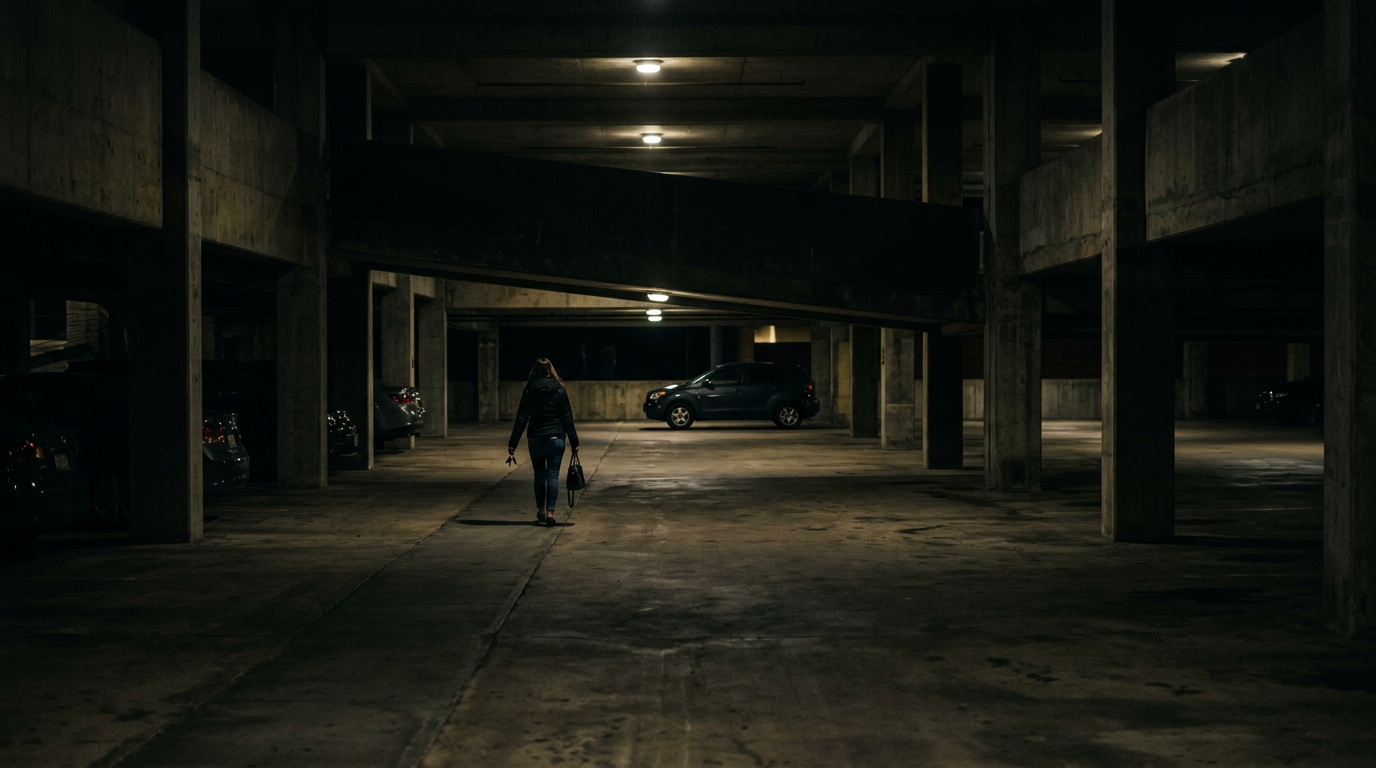
- A parking lot, parking garage, or ATM
- A hotel or motel
- A bar, nightclub, or entertainment venue
- A gas station, convenience store, or retail shop
Did the owner or manager know the area was dangerous? Did they still fail to provide reasonable security? If so, they may share the blame.
Lawyers call this an inadequate security or negligent security claim. It is a type of premises liability. That simply means a property owner has a legal duty to keep people reasonably safe.
You don’t need to know that term to get help. You just need to tell us what happened.
What an inadequate security claim actually is
An inadequate security claim is a civil case. You bring it against the property owner or manager. It says they failed to protect visitors from an attack they should have seen coming.
The key question is simple. Was the attack foreseeable? Did the owner ignore a known danger? In other words, could they have seen it coming? Say crime had happened before at or near the property. A court may then find the owner should have known the risk.
Here are common security failures we look for:
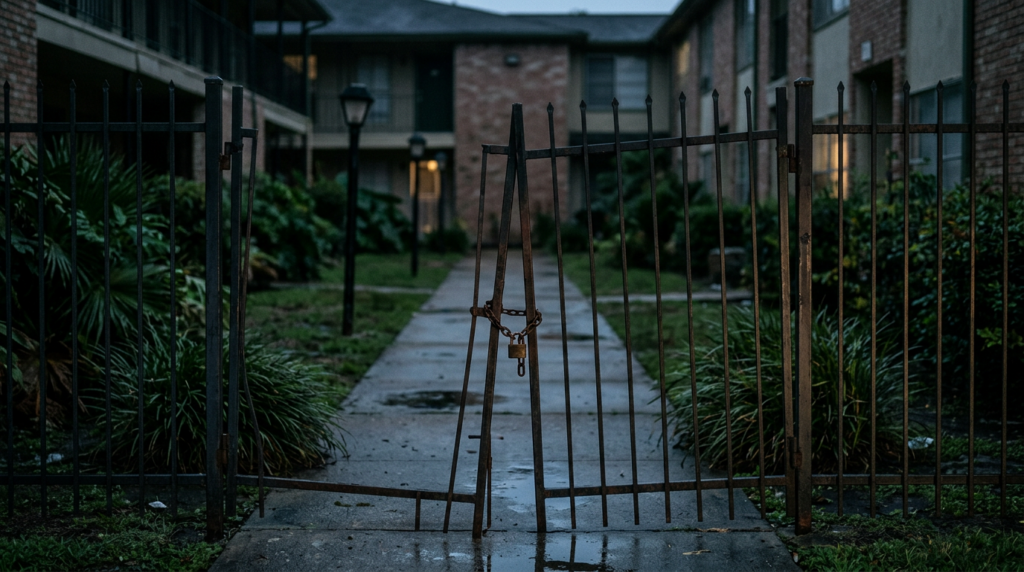
- Broken or missing gates and locks
- Burned-out or missing lighting in lots, stairwells, and hallways
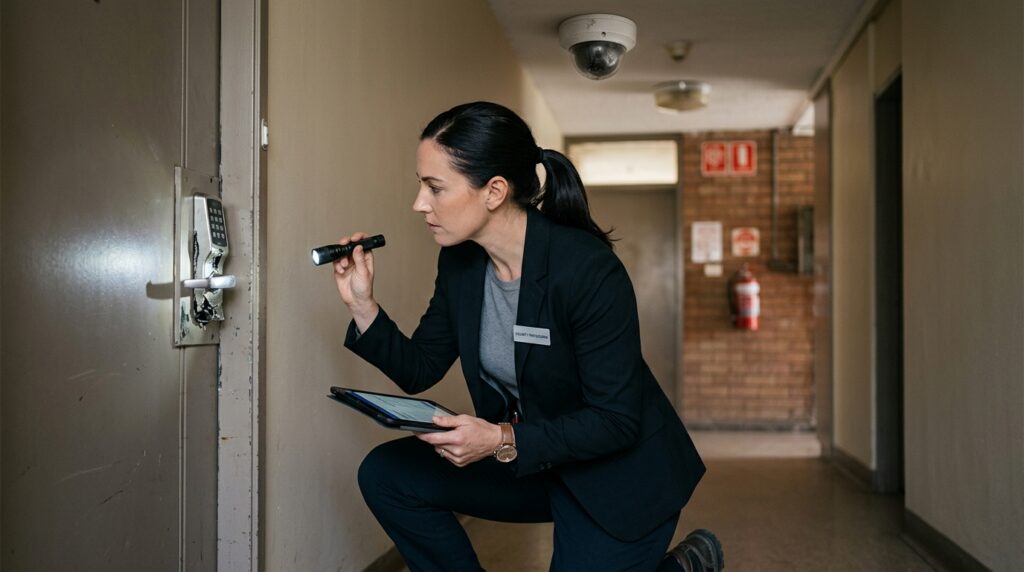
- Cameras that don’t work — or no cameras at all
- No security guards where the risk clearly called for them
- Propped-open or unlocked entry doors
- No response to past robberies, assaults, or shootings on the property
This claim is separate from any criminal case against the attacker. A criminal case punishes the person who hurt you. A civil claim seeks money to help you rebuild. You can bring the civil claim even if the attacker is never caught.
The catastrophic injuries we focus on in these cases
We focus on serious, permanent, life-altering harm. We do not handle minor injuries. These attacks often leave lasting damage.
Our attorneys handle cases involving:
- Severe burn injuries from arson, explosions, or fires on unsafe property
- Spinal cord injuries and paralysis, including paraplegia and quadriplegia
- Traumatic brain injury (TBI) — brain damage from gunshots, beatings, or falls during an attack
- Amputation and limb loss, plus catastrophic back and neck injuries
- Wrongful death, when a family loses a loved one
Spinal cord injuries can be devastating. The Mayo Clinic explains what can happen. Spinal cord damage can cause loss of movement and changed feeling. It can also cause loss of bladder or bowel control. The level of the injury decides which body functions are affected.
The Christopher & Dana Reeve Foundation reports that nearly 1 in 50 people in the U.S. lives with some form of paralysis. Doctors grade these injuries using a standard scale from the American Spinal Injury Association. National data is tracked by the National Spinal Cord Injury Statistical Center.
We treat a wrongful death as the most catastrophic outcome of all. We handle it with dignity. We focus on what the family can do next.
Have questions about what happened?
Ask our team directly. The first conversation is free, confidential, and there is no obligation to continue.
Where these injuries happen most often
Serious attacks tied to poor security tend to happen in a few places. In the cases our attorneys handle, the setting often points straight to a preventable failure.
Common locations include:
- Apartment complexes and residential communities
- Parking lots, parking garages, and ATMs
- Hotels and motels
- Bars, nightclubs, and entertainment venues
- Gas stations, convenience stores, and retail businesses
CHG Personal Injury Lawyers is a Florida-based firm. We help families in Miami, Orlando, Tampa, Jacksonville, and across the state. We also take catastrophic cases nationwide.
What a successful claim can seek to recover
An inadequate security claim can seek money for the full cost of a catastrophic injury. That means past, present, and future costs. Every case is different. No outcome can be promised.
Depending on the facts, a claim may seek:
- Medical costs: emergency care, surgeries, rehab, and long-term or lifetime care
- Lost income and lost future earnings when you can’t return to work
- Adaptive equipment and home changes for permanent impairment, plus ongoing care and help
- Physical pain, emotional trauma, and a lower quality of life
- In a wrongful-death case, certain losses the surviving family can recover under Florida law
Keep one thing in mind. Florida uses a modified comparative-negligence rule. This is a shared-fault rule. Under Fla. Stat. §768.81, if you are found more than 50% at fault, you usually recover nothing. Otherwise, your recovery drops by your share of fault. This is one reason careful investigation matters so much.
How a Florida inadequate security injury lawyer works your case, step by step
The process starts with a conversation. Then it moves through investigation, proof, and negotiation. Here is what to expect.
- Free, confidential case evaluation. You tell us what happened. We listen, and we explain your options in plain language.
- Investigation. We move fast to save evidence. That means camera footage, incident reports, the property’s past-crime history, and security-staffing records. This proof can disappear quickly.
- Proving the security failure. We work to show the attack was foreseeable. We also show the owner didn’t act reasonably. We often use security experts to do this.
- Building damages. We document your injuries. We work with life-care planners and use economic analysis to show your full losses.
- Negotiation and, if needed, a lawsuit. We negotiate with insurers. If they won’t offer a fair result, we’re ready to file suit.
Timing matters. Under Fla. Stat. §95.11, most Florida negligence claims must be filed within two years. This applies to claims arising on or after March 24, 2023. Evidence also fades fast. Footage gets erased and records disappear. Acting early protects your claim.
Why families choose CHG Personal Injury Lawyers
Families choose us because we focus on catastrophic injury cases. We handle the legal work so they can focus on recovery.
- Licensed attorneys admitted to the Florida Bar, focused on life-altering injuries
- Experience with negligent security claims, including expert proof that an attack was foreseeable
- Resources to investigate quickly and save time-sensitive evidence
- Bilingual (English/Spanish) support, so no family is left out of their own case
- Empathetic, plain-language guidance at every step
- Free case evaluations. We’ll explain any fee arrangement clearly before you decide.
Want to know where you stand?
Tell us what happened and our team will walk you through the options available to you, at no cost.
Frequently asked questions
Do I have a case if the attacker was never caught?
Yes, you may. Your claim against the property owner is separate from any criminal case. So it can move forward even if no one is arrested.
What if I didn’t call the police or don’t have the records?
That’s okay. We investigate and gather evidence for you. This includes footage, reports, and the property’s crime history.
How much does it cost to talk to a lawyer?
The case evaluation is free and confidential. We’ll explain any fees clearly before you commit to anything.
How long do I have to file in Florida?
Deadlines apply. Most Florida injury claims fall under a two-year limit per Fla. Stat. §95.11. Contact us promptly so you don’t lose your rights.
Can I still act if my loved one died?
Yes. Surviving family members may bring a wrongful-death claim against the property owner under Florida law.
Do I have to live in Florida?
No. We’re Florida-based, but we take catastrophic cases nationwide.
Talk to us about what happened
Were you seriously hurt in a shooting, assault, or other attack? Did your family lose someone? Maybe it happened at an apartment complex, in a parking garage, at a hotel, or at any business that failed to keep you safe. You don’t have to sort this out alone.
People in exactly your situation reach out to us regularly. Contact CHG Personal Injury Lawyers for a free, confidential case evaluation. Let’s talk about what happened and what you can do next.
Evidence Can Disappear Fast
Security camera footage is often erased within days or weeks. If you were seriously hurt on someone else's property, contact us as soon as you can so we can work to preserve the video, incident reports, and other proof before it's gone.
When a Property Owner May Be Responsible
Broken Locks, Gates, or Fences
When entry points that should keep intruders out are broken or missing, and someone gets in and causes serious harm.
Inadequate Lighting
Dark parking lots, garages, stairwells, and walkways can create dangerous conditions the owner had the power to fix.
No Working Cameras
Missing or non-functioning surveillance where a reasonable owner would have provided it.
Absent or Untrained Security
Failing to provide guards or staff at properties with a known history of violent crime.
Common Questions After a Violent Attack
Do I have a case if the attacker was never caught?
Possibly. Your claim against the property owner is separate from any criminal case, so it can move forward even if no one is ever arrested.
What if I didn't call the police or don't have records?
That's okay. We investigate and gather the evidence for you, including video footage, incident reports, and the property's history of prior crime.
What is 'negligent security'?
It's the legal term for what happened to you: a property owner failed to take reasonable steps to protect people, and someone was seriously hurt because of it.
How much does it cost to talk to you?
Your initial case evaluation is free and confidential. Reach out and we'll explain your options in plain language.