

Burn Injury Claims | Serving Florida
Burn Degrees Explained: What Your Injury Means and What Comes Next
A plain-language guide for Florida families facing a burn injury. Learn what each degree of burn means, why a doctor's assessment matters, and how a burn injury may connect to someone else's negligence.
By CHG Lawyers · Published November 3, 2026
The discharge papers arrive with words you have never seen before. A nurse mentions a “degree.” A doctor points to a percentage of the body. Someone you love was burned in a crash, a fire, or an unsafe place, and now your family is trying to understand what the medical team is telling you.
Families who search for quemaduras clasificación, the Spanish term for burn classification, often want a plain answer. This guide explains the grades in everyday language and shows why the medical records matter if the burn came from someone else’s carelessness. It is educational only. Your doctors make the medical decisions, so please follow their care.
What is burn classification and why does it matter?
Burn classification sorts a burn by depth and size. Depth sets the grade, and size is measured separately. A 2022 review of burn classification explains that burns are identified by depth, and that severity is judged both across the whole body and within each affected area.
Depth tells the medical team how many layers of skin are damaged. Size tells them how much of the body is covered. Doctors read both together, because a small deep burn and a large shallow burn can each need serious care.
The medical team assigns the grade, not the patient or the family. Your job is to keep records and ask questions. Ask the team how they plan to recheck the wound, and write down the answer with the date.
If a burn from an accident has left you or a family member facing hard decisions, our team can talk with you in a free, confidential, no-obligation consultation. Talk it through with our team — the first consultation is free, confidential, and carries no obligation.
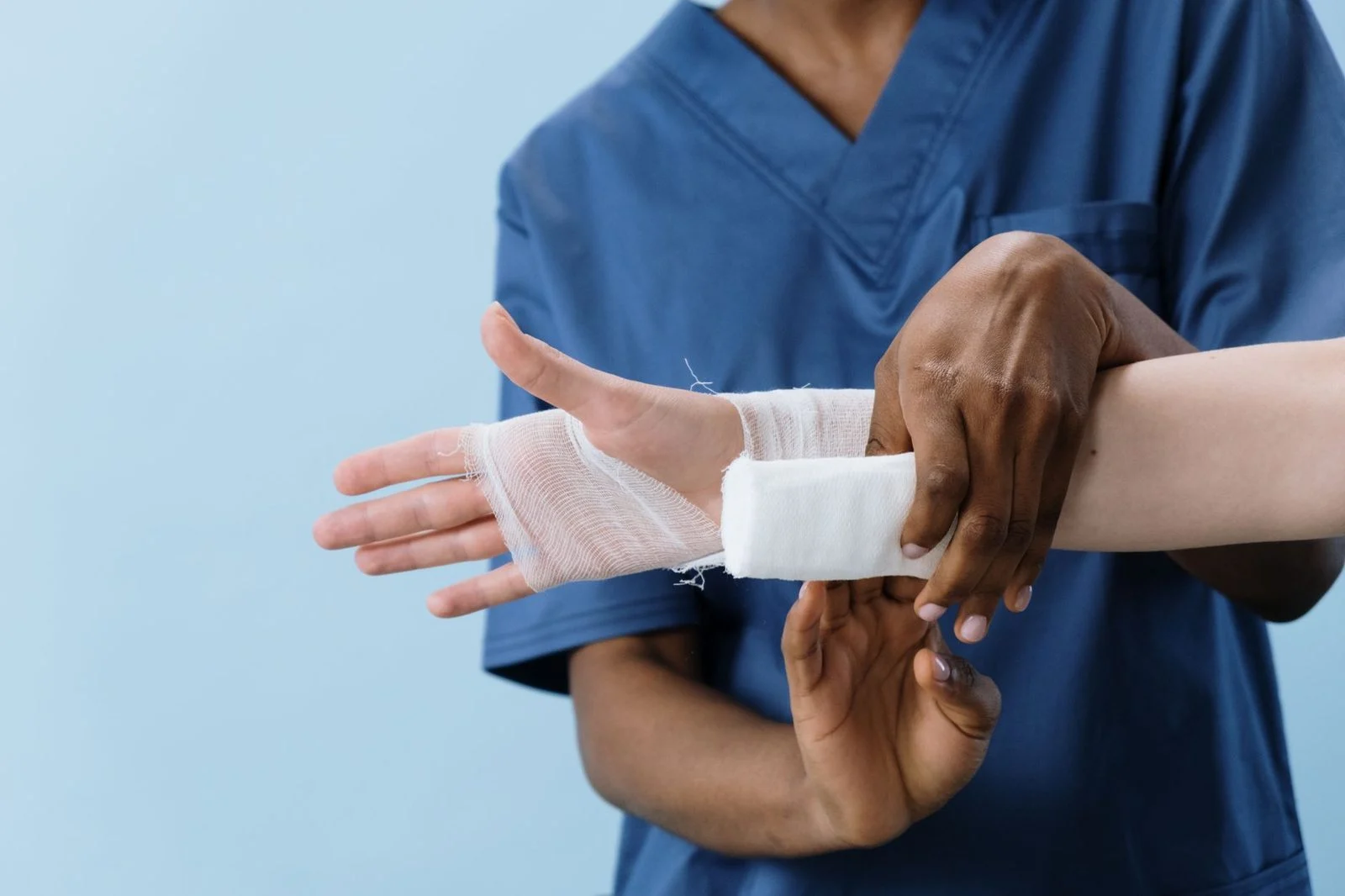
First-degree burns: the most superficial
A first-degree burn damages only the outer layer of skin, called the epidermis. That is the plain-language answer, and it comes from MedlinePlus burn information (Spanish).
A trauma manual chapter on burns describes redness-type burns as superficial, meaning they affect only the epidermis. Typical signs include redness and pain, with no blisters.
Picture a hot pan spill that leaves a red, painful patch but no blisters. Many people assume that means a minor injury. Even a first-degree burn can hurt a lot, and it still deserves a proper check by a medical team.
Healing time differs from person to person. Follow your doctor’s plan for wound care and follow-up visits. If the pain grows or the area looks worse, call your doctor’s office right away.
Second-degree burns: deeper layers
A second-degree burn reaches past the outer layer into the dermis, the layer beneath it. Doctors often separate superficial second-degree burns from deep ones, based on how far the damage goes. This is the core of the grados de quemaduras (burn degrees) system.
Blisters are a common sign. The trauma manual treats blister burns as superficial, which is one reason a doctor must examine the wound itself rather than rely on appearance alone. A wound can look alarming on the surface and still need careful measurement.
Deep second-degree burns differ in how far the damage goes, and that difference shapes the care plan. Ask your doctor what healing and scarring may look like for your wound, and ask again at each visit. The answer often becomes clearer over time.
Medical records should name the depth clearly. If the chart uses words you don’t understand, ask for a plain explanation and a copy of the notes. Keep those copies with your other papers.
Third- and fourth-degree burns: the most serious
Third-degree burns damage the full thickness of the skin. MedlinePlus burn information (Spanish) describes the main types of burns, and third-degree burns are among the most serious of them.
The area may look white, charred, or dry. It may also feel numb, which can be confusing for families who expected pain. That numbness does not mean the injury is minor. It means the wound needs close medical attention.
Some references add a fourth degree, where the damage reaches muscle, tendon, or bone. These injuries usually need dedicated burn care and may cause lasting physical effects. Treatment can take a long time and may involve more than one team.
Families facing these injuries often need time, clear information, and steady support. Keep notes from every visit. Ask each team member to explain the grade, the size, and the plan in plain words.
How is the size of a burn measured?
Medical teams estimate burn size as a percentage of the total body surface. Size matters because a burn that covers more of the body can mean a more serious injury. Size and depth are read together, not one at a time.
The RAQ review notes that severity is assessed in two ways, global and regional. In plain words, the whole body and each affected area both count. A burn on one arm and a burn across the chest are judged differently, even if they look similar at first glance.
One simple estimating tool is the rule of nines. It divides the body into sections, each with an estimated share of the total surface. The medical staff use these estimates to set the size, not the injured person or the family.
Ask for the size noted in your records. If the team estimates it differently later, ask them to explain the change. Clear numbers in the chart help everyone, including your own care team.
Warning signs that need emergency care
Certain burns need emergency care right away. Burns to the face, hands, feet, genitals, or a major joint are among them. So is any burn that goes all the way around an arm or leg, as general guidance from MedlinePlus burn information (Spanish) explains.
Electrical burns, chemical burns, and any trouble breathing also call for emergency help. Smoke exposure, and burns on a child or an older adult, need prompt attention as well. Do not wait to see if the problem passes.
If someone is in danger, call 911 now. Then follow the instructions of the health professionals who treat you. Their guidance comes first, and this page cannot replace it.
Not sure what your next step is?
Talk it through with our team — the first consultation is free, confidential, and carries no obligation.
Why burn classification matters after an accident
Medical records that describe a burn’s grade and size become part of the proof of how badly someone was hurt. That is why the paperwork from the first day matters. A clear chart shows what the injury was and how it was treated.
Burns can come from car and truck crashes, fires, electrocution, or unsafe property where a person was hurt. The cause of the burn helps decide what kind of claim may exist. Each cause brings different facts, witnesses, and records.
Florida sets deadlines for filing injury lawsuits in § 95.11, and missing one can end a claim. Contact CHG Personal Injury Lawyers promptly after a burn. Waiting can make it harder to gather evidence while memories and records are still fresh.
Fault rules can also affect a claim, and how they apply depends on the facts of each case. Keep copies of discharge papers, care notes, photos of the injury, and bills. Write down the dates and the names of the people who treated you.
Talk with our team about a burn injury
If a burn came from an accident, you do not have to sort out the grades and the paperwork alone. Our team can review what happened and talk through your options with you.
Igor Hernandez is the responsible lawyer for this page. CHG Personal Injury Lawyers is a Florida-based firm that serves people throughout Florida, including families in Miami, Orlando, Tampa, and Jacksonville. You can learn more about severe burn injury claims on our severe burn injury page.
CHG charges no attorney’s fees and no case costs unless there is a recovery.
If a burn has left you or a family member facing hard decisions, reach out for a free, confidential, no-obligation initial consultation. Contact CHG Personal Injury Lawyers.
What are the four degrees of burns?
Most medical references describe three main degrees, and some add a fourth. The fourth degree is the deepest, reaching muscle, tendon, or bone.
Is a first-degree burn serious?
A first-degree burn damages only the outer skin layer. It can still hurt a lot, so follow your doctor’s care plan.
What should I keep after a burn injury?
Keep discharge papers, care notes, photos, and bills. Write down the dates and names of the people who treated you.
Burn Degrees at a Glance
First-Degree Burns
These burns damage only the outer layer of skin. The skin is typically red and painful, and it may be dry without blisters. Even mild-looking burns should be checked if they are large, on the face, or on a sensitive area.
Second-Degree Burns
These burns reach deeper into the skin and often cause blisters, swelling, and intense pain. Healing can take weeks, and some burns leave lasting changes to skin color or texture.
Third-Degree Burns
These burns destroy the full thickness of the skin and may look white, leathery, or charred. Because nerve endings can be damaged, the area may feel numb. Third-degree burns require prompt medical treatment and often long-term care.
Fourth-Degree Burns
These are the deepest burns. They extend through the skin into muscle, tendon, or bone. They can lead to amputation, permanent disability, and lifelong medical needs, and families often face major changes in work, daily life, and finances.
Get Medical Care First
Burns to the face, hands, feet, genitals, or a large part of the body, and burns caused by chemicals or electricity, need urgent medical attention. For severe burns, call 911 or go to the nearest emergency room. Follow your doctors' care plan closely.
How CHG Personal Injury Lawyers Can Help
Compassionate Listening
Burn injuries can change how you live, work, and care for your family. We take time to understand your situation and your concerns.
Review of the Facts
We look at how the burn happened, including the accident, fire, scald, or attack, and who may be responsible for it.
Advocacy for Florida Families
Our practice focuses on personal injury cases across Florida, including severe injuries that require long-term medical care and rehabilitation.
Clear, Plain-Language Answers
Our attorneys explain your options in everyday terms so you can make informed decisions at your own pace.