

Spinal Cord Injuries | Serving Florida
Quadriplegia, Explained in Plain Language
A clear guide to what the diagnosis means, what daily life can look like, and how a family can take the next step.
By CHG Lawyers · Published November 9, 2026
Quadriplegic Definition: What It Means, What Causes It, and What Families Face Next
If a crash, fall, or attack has left you or someone you love living with quadriplegia, we can talk through what happened and whether someone may be responsible. Talk it through with our team — the first consultation is free, confidential, and carries no obligation.
The Short Answer: What Quadriplegia Means
A quadriplegic is a person living with quadriplegia. Quadriplegia is paralysis that affects all four limbs, both arms and both legs, and usually the trunk. It happens when the spinal cord is injured in the neck, which doctors call the cervical region.
This page explains the term in plain words. It covers related terms, common causes, and the medical and legal steps families often face at the same time, so you can understand what a doctor or news report means.
Paralysis means a loss of muscle movement. Sensation, or the ability to feel, may or may not be affected, depending on the injury. MedlinePlus explains that a spinal cord injury can cause paralysis or weakness below the level of the injury.
Quadriplegia describes how an injury affects the body. It does not define the whole person. Many people who live with it keep working, studying, and building relationships with the people they love. This is general information, not medical advice. Please follow your doctors’ care for your own situation.
Quadriplegia, Tetraplegia, and Quadriparesis: Three Related Terms
Quadriplegia and tetraplegia describe the same condition. Quadriplegia comes from Latin roots, and tetraplegia comes from Greek roots. Many clinicians use either word, and medical records often use both.
Quadriparesis is different. It means partial weakness in all four limbs, rather than complete loss of movement. A person with quadriparesis still has some movement, though it may be limited and uneven.
Pronunciation is simpler than the spelling suggests. Quadriplegia is said as “kwah-dri-PLEE-jee-uh.” Tetraplegia is said as “teh-trah-PLEE-jee-uh.”
Why does the word matter? Medical records, insurance forms, and legal papers may use either term. If you see both words in a file, you are reading about the same kind of injury.
How Quadriplegia Differs From Paraplegia
Quadriplegia affects all four limbs, while paraplegia affects the legs and lower trunk. Paraplegia usually comes from an injury below the neck, in the mid-back (thoracic) or lower spinal cord. MedlinePlus notes that neck-level injuries affect the arms and legs, while mid-back injuries mainly affect the legs.
The difference is the injury level, not the cause. A crash can cause quadriplegia, and a fall or an assault can cause paraplegia. The location on the spine decides which term fits the injury.
The difference also shapes daily life. Someone with quadriplegia may need help with hands, arms, transfers, and many routine tasks. Someone with paraplegia often has different needs for equipment and support. Doctors and rehabilitation teams assess each person’s needs one by one.
Spinal Cord Anatomy: Why the Level of Injury Matters
The spinal cord carries signals between the brain and the rest of the body. It runs inside the bones of the spine, which protect it. Nerves leave the cord at each level of the spine, and each nerve controls different muscles and areas of skin.
The cervical (neck) section controls the arms and hands. It also carries signals that help control the breathing muscles. That is why an injury at this level is described as quadriplegia. A higher injury usually affects more of the body.
Injury can damage the cord directly. Swelling and bleeding in the hours and days after the injury can also extend the harm. This is one reason doctors watch closely in the days after an injury. Early medical care is part of the picture, and your care team can explain what to expect.
Complete vs. Incomplete Injuries and Whether a Quadriplegic Can Feel Touch
A person with quadriplegia can often feel touch, but not always. A complete injury means no movement or sensation below the injury level. An incomplete injury means some signals still pass through the damaged area.
MedlinePlus distinguishes complete from incomplete injuries. That difference is the basis for describing how much movement and sensation remain.
Many people with quadriplegia can feel touch, pressure, or temperature in some areas. This is more common with incomplete injuries. Others have little or no feeling below the injury. Doctors use standard exams to check movement and feeling at each level of the body.
Quadriparesis, or partial weakness, can change over time for some people. How much movement returns depends on the specific injury. Only your doctors can tell you what to expect for your own case, so follow their care closely.
Not sure what your next step is?
Talk it through with our team — the first consultation is free, confidential, and carries no obligation.
Common Causes of Spinal Cord Injuries
Spinal cord injuries usually start with a sudden event. Common causes include crashes, falls, water accidents, and violence on unsafe property. Crashes can involve cars, trucks, motorcycles, ATVs, or watercraft.
Falls can also injure the neck. This includes falls on wet floors and other unsafe surfaces, which can turn a slip-and-fall into a serious injury. Diving into shallow water is another way a neck injury can happen.
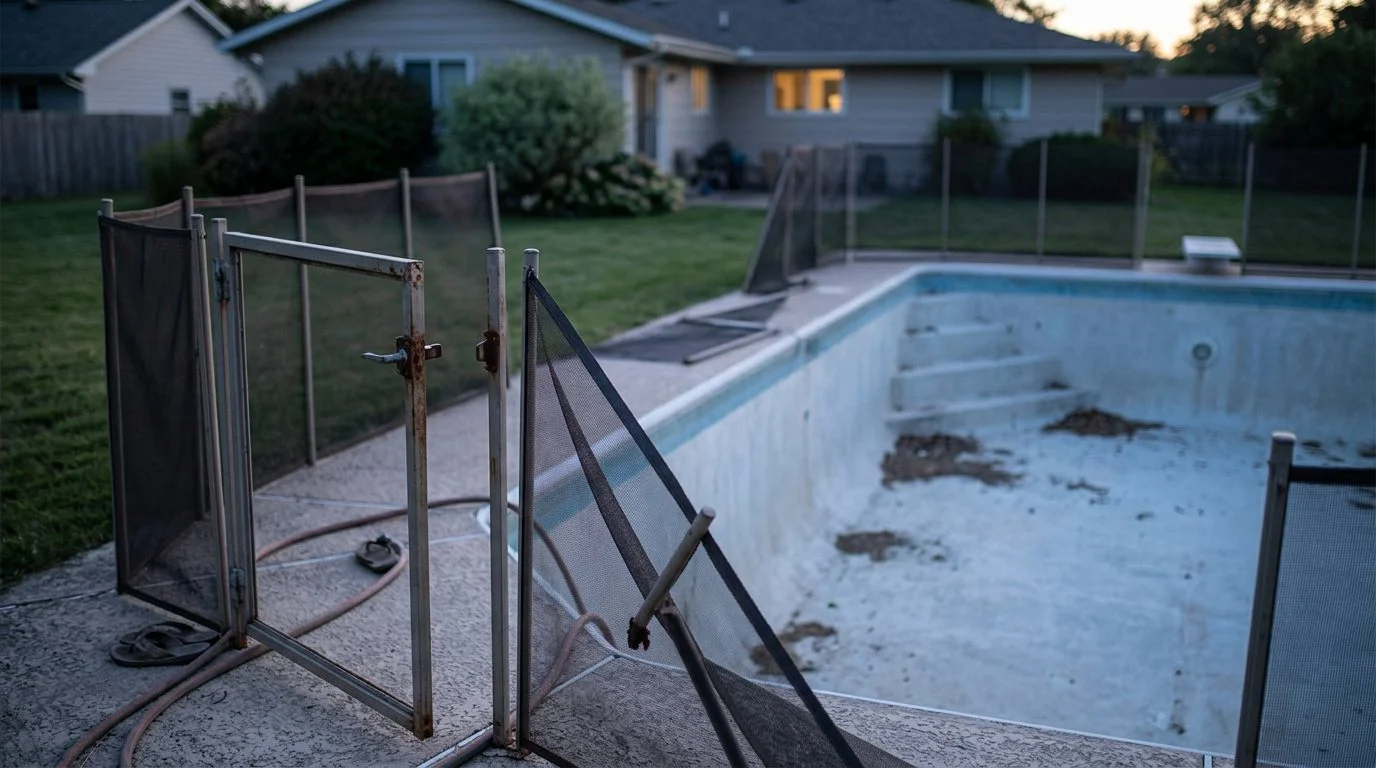
Violence can cause harm too. Imagine someone walking to their car in a parking garage at an apartment complex. The lights are out, the gate is broken, and a stranger attacks them. The attack happened on someone else’s property. If the owner failed to provide basic security, such as working locks, gates, lighting, or cameras, the injured person may have a claim against the property owner. Lawyers call this a negligent security claim.
Florida law also recognizes comparative fault, which means shared blame (Fla. Stat. § 768.81(6)). If the injured person shares some fault, that can reduce a recovery.
Long-Term Effects: Physical Health, Secondary Conditions, and Emotional Well-Being
Life with quadriplegia involves more than movement. Common physical issues include pressure ulcers, which are sores from long periods of pressure on the skin. Blood clots, urinary and bowel problems, and blood pressure changes are also common concerns.
Managing these conditions is part of ongoing medical care. Follow your doctors’ guidance on skin checks, bladder care, and blood pressure. Tell your care team about any change, even a small one.
Emotional effects matter too. Depression, anxiety, and adjustment difficulties can follow a sudden injury. Support from family, peers, and mental health care is part of many recovery plans.
Daily life often involves adaptive equipment, home changes, and assistive technology such as power chairs. Families may need to plan for ramps, bathroom changes, and vehicles that fit a wheelchair. Early planning helps the whole household adjust.
The Medical and Legal Picture, Side by Side
The medical story and the legal story run on separate tracks, but they meet in the same records. Hospital charts, imaging reports, and therapy notes document the injury, its level, and how it limits work and daily life. Those records matter for your health and for any claim.
Florida’s time limits for lawsuits are set out in Fla. Stat. § 95.11. Medical negligence claims generally must start within 2 years from the time the incident occurred or was discovered, or should have been discovered with the exercise of due diligence, and in no event later than 4 years from the incident, with narrow exceptions in that statute. Fla. Stat. § 95.11 reads: “(5) WITHIN TWO YEARS.— … (c) An action for medical malpractice shall be commenced within 2 years from the time the incident giving rise to the action occurred or within 2 years from the time the incident is discovered, or should have been discovered with the exercise of due diligence; however, in no event shall the action be commenced later than 4 years from the date of the incident or occurrence out of which the cause of action accrued, except that this 4-year period shall not bar an action brought on behalf of a minor on or before the child’s eighth birthday.” Those dates can be shorter than people expect, so contact us promptly so we can review them in your case.
What Families Can Do Next
- Follow the medical plan. Keep every appointment, take part in rehabilitation, and ask your care team for copies of records.
- Keep a simple file. Save bills, receipts, mileage, pay stubs showing time missed from work, and any insurance letters.
- Write down the facts while they are fresh. Note the date, time, and place of the incident, the names and phone numbers of witnesses, and any police or incident report number.
- Track daily needs. Record what help the person needs each day and which equipment or home changes are required. This helps the family and the care team plan.
- Contact a lawyer promptly. Our first consultation is free, confidential, and comes with no obligation to continue. CHG charges no attorney’s fees or case costs unless there is a recovery.
Have Questions About What Happened?
If you or someone you love is living with quadriplegia after a crash, fall, or attack, the medical facts and the question of responsibility are separate matters. Both take time to sort out. Our team at CHG Personal Injury Lawyers can help you understand your options while you focus on recovery.
Igor Hernandez is the responsible lawyer for this page. CHG Personal Injury Lawyers is a Florida-based firm serving people throughout Florida, including Miami, Orlando, Tampa, and Jacksonville. For a deeper look at this condition, read our spinal cord injury overview and our glossary entry on quadriplegia and tetraplegia.
Can a quadriplegic feel touch?
Some can, especially with incomplete injuries. Others have little or no feeling below the injury level.
Is quadriparesis curable?
Quadriparesis is partial weakness, and it can change over time for some people. Your doctors can explain what to expect for your injury.
What is the Florida deadline for an injury lawsuit?
Florida law sets time limits for filing an injury lawsuit, and missing one can end a claim, so contact the firm promptly. Contact us promptly so we can review the dates in your case.
How CHG Personal Injury Lawyers Can Help
Confidential, Free First Consultation
Talk with our team about what happened and what your family is facing. The first consultation is free, confidential, and carries no obligation to continue.
No Fees Unless There Is a Recovery
CHG charges no attorney's fees and no case costs unless there is a recovery.
Attorneys Who Listen
Our lawyers, Igor Hernandez among them, focus on personal injury cases of every severity, including catastrophic injuries that change a family's life.
Plain-Language Answers
We explain the legal process step by step, so you know what to expect before you decide anything.
Support for the Whole Family
Caring for someone with paralysis affects everyone at home. We help families understand their options with compassion.
Serving Florida
Based in Florida, CHG represents injured people and their families throughout the state.
Medical Care Comes First
After a serious injury, follow your doctors' treatment plan and ask them what to expect. Deadlines apply to injury claims in Florida, so contact our team promptly to talk through your situation.
Situations That Can Lead to Quadriplegia
Car and Truck Crashes
High-impact collisions, including crashes involving large trucks, can injure the spinal cord in the neck.
Motorcycle and ATV Accidents
Riders and drivers have little protection in a crash, and neck and spinal injuries are a serious risk.
Falls and Slip-and-Falls
A fall from height, or a fall on a wet or unsafe surface, can damage the spine.
Violence on Unsafe Property
Some people are attacked at apartment complexes, parking garages, or hotels where the owner did not provide reasonable security.