

Negligent Security | Paralysis from Assault
Attacked on Someone Else's Property? You May Have a Claim.
If you were assaulted, shot, or attacked at an apartment, parking lot, hotel, or business and were paralyzed or permanently injured because the owner failed to provide reasonable security, CHG Personal Injury Lawyers can help. We handle negligent-security claims nationwide.
By CHG Lawyers · Published August 29, 2026
Paralysis From Assault or Shooting on Unsafe Property: Your Legal Rights
You were attacked on someone else’s property. The owner failed to provide reasonable security. Now you live with paralysis—a permanent, life-altering injury. You may have the right to sue the property owner in a negligent-security claim.
This is separate from any criminal case. You are holding the property owner accountable for their failure to protect you. We focus exclusively on catastrophic injuries like yours and know how to build a strong claim for maximum recovery.

Not sure what your next step is?
Talk it through with our team — the first consultation is free, confidential, and carries no obligation.
How a Negligent-Security Claim Works
A negligent-security claim is a civil lawsuit against the property owner. It is not about the person who attacked you—that is a separate criminal case. You are suing the owner for their negligence.
You are seeking compensation for every cost and loss your paralysis has caused: medical care, adaptive equipment, home modifications, lost wages, pain, and the life you have lost.
Many people do not know they have this right. Property owners count on that silence. We do not.
What Must Be Proven
To win a negligent-security claim, we must show:
The owner knew (or should have known) violent crime was foreseeable. Prior assaults, robberies, or shootings at the property—or nearby—put the owner on notice. Industry standards for similar properties also establish what the owner should have known.
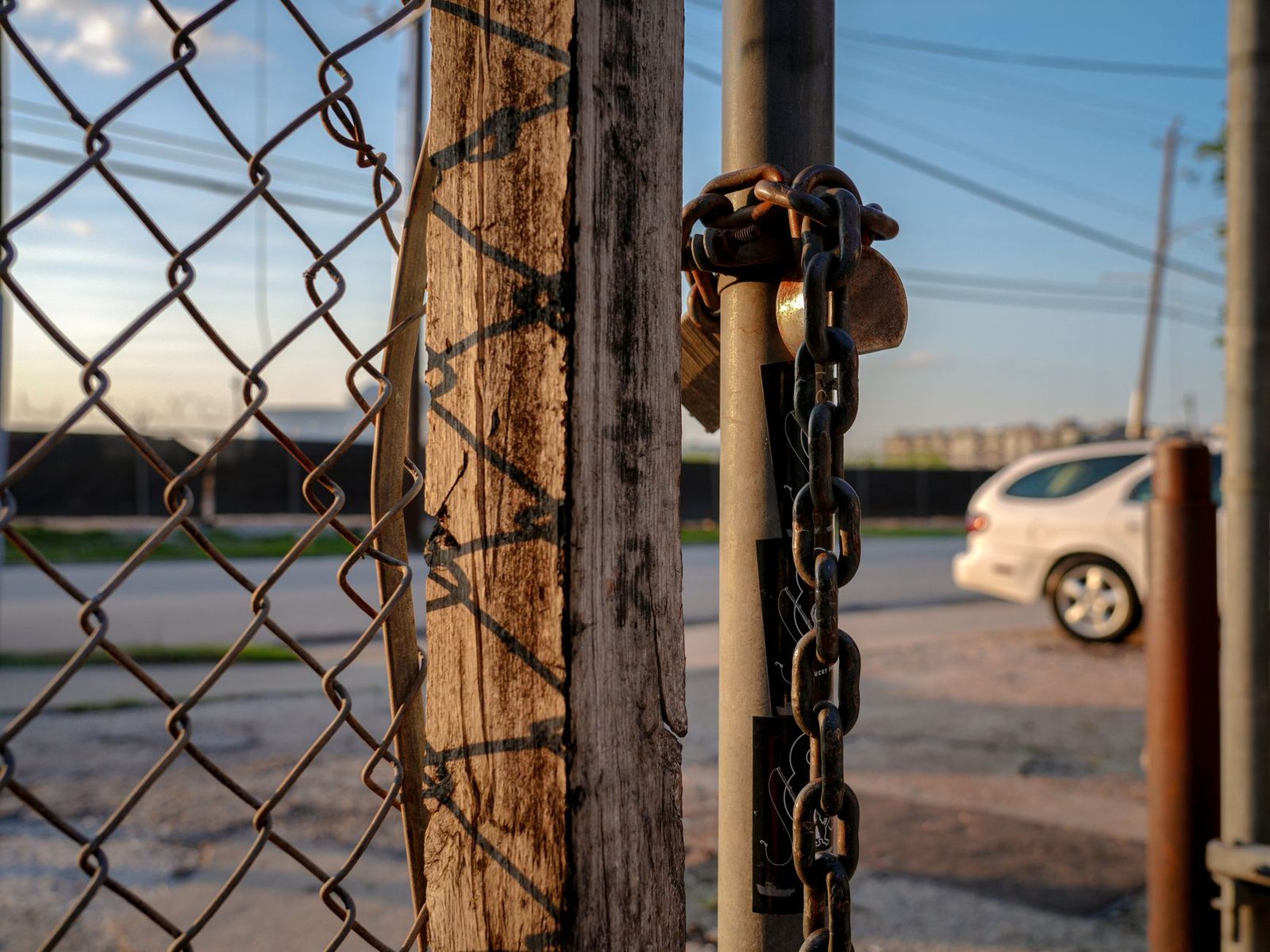
They failed to take reasonable steps. Reasonable security includes: working locks on doors and gates; adequate lighting in parking areas, hallways, and common spaces; security cameras and monitoring; security guards or patrols; and rapid response to prior complaints.
That failure directly enabled the attack. A working gate, a guard, or functioning cameras would have prevented or deterred the crime. Without them, you were left vulnerable.
You suffered a catastrophic, permanent injury. Paralysis from a spinal cord injury is one of the most life-altering injuries possible. It is permanent and requires lifetime care.
You are entitled to compensation. The property owner’s negligence caused your injury. You deserve to recover all costs and losses that flow from that negligence.
Who Can Be Held Liable?
We investigate to identify every party responsible for the failure to provide adequate security:
- The property owner (individual, corporation, or entity).
- The property manager or management company responsible for day-to-day security.
- The security company hired to provide guards or monitoring.
- Landlords of rental properties, including short-term rentals.
- Owners and operators of commercial properties: hotels, motels, bars, nightclubs, gas stations, stores, parking garages, and apartment complexes.
Each may share liability. We pursue claims against all responsible parties to maximize your recovery.
What Does a Negligent-Security Claim Cover?
Compensation in these cases is substantial because the injury is catastrophic and permanent. We pursue recovery for:
Medical expenses: Emergency care, surgery, hospitalization, rehabilitation, ongoing treatment, medications, and assistive devices.
Lifetime care costs: Personal attendants, nursing care, home health aides, and specialized equipment. This is often the largest component of damages.
Lost wages and earning capacity: Income you would have earned if you had not been paralyzed, plus future earning potential.
Pain and suffering: Compensation for physical pain, emotional trauma, PTSD, depression, and psychological impact.
Loss of enjoyment of life: The value of activities, relationships, independence, and experiences you have lost.
Home and vehicle modifications: Ramps, accessible bathrooms, specialized transportation, and other adaptations.
Vocational rehabilitation and retraining: Compensation for retraining if you can work in a different capacity.
Punitive damages: When the owner’s conduct was especially reckless—for example, they ignored repeated prior incidents—the court may award additional damages to punish them and deter similar conduct.
Step-by-Step Process
Step 1: Free Case Evaluation. You contact us and tell us what happened. We ask detailed questions about the property, the attack, your injuries, and the security (or lack thereof). We review police reports, medical records, and prior incident reports. This is confidential, with no obligation.
Step 2: Investigation. We investigate the property’s security history. We look for prior crimes, complaints, and evidence the owner knew of the risk. We gather evidence: site photos, security-system specifications, camera footage, and witness statements.
Step 3: Medical Documentation. We work closely with your medical team to document your spinal cord injury, paralysis diagnosis, prognosis, and lifetime care needs. We may retain medical experts to establish permanence and project future medical costs accurately.
Step 4: Demand Letter. We prepare a detailed demand letter to the property owner and their insurance company. It lays out the facts, negligence, your injuries, and compensation sought. This often prompts settlement discussions.
Step 5: Negotiation or Litigation. If the property owner and insurer will not settle fairly, we file a lawsuit. We prepare for trial: taking depositions, exchanging evidence, and building our case. Many cases settle during this phase.
Step 6: Settlement or Judgment. If we reach a settlement, we negotiate terms and ensure you understand what you are accepting. If we go to trial, a jury decides liability and damages.
Step 7: Recovery and Planning. Once resolved, funds are distributed to cover your medical bills, care costs, and compensation. We help you plan for long-term financial security.
Have questions about what happened?
Ask our team directly. The first conversation is free, confidential, and there is no obligation to continue.
Timeline
Investigation and demand phase: 2–6 months. We gather evidence, document your injuries, and present our case to the insurer.
Settlement negotiations: 1–12 months. Many cases settle during this phase without going to court.
Litigation (if necessary): 1–3 years. If we file a lawsuit, discovery, depositions, and trial preparation take time.
Most cases resolve within 1–2 years, though some take longer. We keep you informed every step and never rush you into a decision you are uncomfortable with.
Why Choose CHG Personal Injury Lawyers
Exclusive focus on catastrophic injuries. We do not handle minor injuries. Every attorney focuses exclusively on spinal cord injuries, paralysis, traumatic brain injuries, amputations, severe burns, and other life-altering injuries. We understand the medical, financial, and emotional complexity of your situation.
National reach, Florida-based. We are licensed to practice in Florida and handle cases nationwide. Whether your attack happened in Miami, Orlando, Tampa, Jacksonville, or anywhere else in the U.S., we can help.
Licensed Florida attorneys. Our team includes attorneys admitted to the Florida Bar.
Comprehensive investigation. We do not rely on police reports alone. We conduct our own investigation: site visits, security-system analysis, prior-incident research, and expert consultation.
Medical expertise. We work closely with medical specialists to document your injury, project lifetime care needs, and quantify damages accurately.
Aggressive advocacy. We are not afraid to take cases to trial if the property owner and insurer refuse fair compensation.
Empathetic, plain-language communication. We explain the legal process in words you understand. You are never just a case number.
Frequently Asked Questions
Q: Do I have to sue the person who attacked me?
No. A negligent-security claim is against the property owner, not the attacker. The criminal case is handled by prosecutors and is separate.
Q: What if the attacker was never caught?
It does not matter. We are suing the property owner for failing to prevent the attack. Reasonable security would have prevented or deterred the crime.
Q: What if I was partially at fault?
Under Fla. Stat. §768.81, Florida’s comparative-negligence rule, you can recover even if you were partially at fault, as long as you were 50% or less responsible.
Q: How much is my case worth?
Every case is unique. The value depends on the severity of your paralysis, your age, your pre-injury income, your lifetime care costs, and the strength of the negligence evidence. We provide a realistic estimate after evaluating your case.
Q: Will this case go to trial?
Most cases settle before trial, but we prepare every case for trial. If the property owner and insurer refuse fair compensation, we are ready to take your case to a jury.
Q: How do you charge?
We work on a contingency-fee basis. You pay nothing upfront. We recover a percentage of your settlement or judgment. If we do not win, you owe us nothing.
Q: What if I cannot afford medical care while the case is pending?
We can help you explore options: medical liens, payment plans, and other resources to ensure you get the care you need while we pursue your claim.
Q: What is the time limit to file a negligent-security claim?
Under Fla. Stat. §95.11, you generally have two years from the date of the attack to file a personal-injury lawsuit. Do not wait. Contact us as soon as possible.
Spinal Cord Injuries From Violent Crime: Paraplegia and Quadriplegia
Violent assault or shooting can cause severe spinal cord injury, resulting in permanent paralysis.
Paraplegia is paralysis of the lower body: the legs and lower torso. You may retain upper-body function and arm movement.
Quadriplegia (also called tetraplegia) is paralysis of all four limbs and the torso. Depending on the injury level, you may have limited or no arm and hand function.
According to the National Spinal Cord Injury Statistical Center (NSCISC), spinal cord injuries can be complete (all nerve function below the injury level is lost, resulting in permanent paralysis) or incomplete (some nerve function remains, and rehabilitation may restore some movement or sensation).
Violent trauma—gunshot wounds, stab wounds, or blunt-force impact—can sever or severely damage nerve fibers. The injury is often permanent, requiring lifetime medical care, adaptive equipment, and personal assistance.
Regardless of whether recovery is possible, you deserve compensation for your current and future care, your lost income, and your pain and suffering.
Want to know where you stand?
Tell us what happened and our team will walk you through the options available to you, at no cost.
Get Your Free Case Evaluation Today
If you or a loved one was paralyzed in an assault or shooting on someone else’s property, and you believe the property owner’s failure to provide adequate security enabled the attack, we want to hear from you.
Contact CHG Personal Injury Lawyers today for a free, confidential case evaluation. We will listen to your story, answer your questions, and explain your legal options—with no obligation.
We handle cases nationwide and are licensed to practice in Florida. We work on a contingency-fee basis: you pay nothing unless we win.
Call us at +1 786-751-4283 or contact us online.
You Don't Sue the Attacker—You Sue the Property Owner
A negligent-security claim is separate from any criminal case. You're holding the property owner responsible for failing to provide reasonable security—working locks, lighting, cameras, or guards—that would have prevented or deterred the attack. The criminal prosecution is handled by prosecutors and is independent of your civil claim.
What Makes a Property Owner Liable?
Foreseeable Risk
The owner knew or should have known that violent crime was a risk at that location—because of prior incidents, the neighborhood, or the type of business.
Failure to Secure
The owner failed to provide reasonable security measures: broken locks or gates, poor lighting, no cameras, no guards, or inadequate staff training.
Direct Connection
The lack of security made the attack possible or easier. Reasonable precautions would have prevented or significantly reduced the risk.
Your Injury
You suffered a serious, permanent injury—paralysis, spinal cord damage, traumatic brain injury, amputation, or other catastrophic harm—as a direct result of the attack.
Why CHG Personal Injury Lawyers
Focused on Catastrophic Injury
We focus exclusively on serious, life-altering injuries—spinal cord damage, paralysis, traumatic brain injury, amputations, and severe burns. We understand the long-term medical, financial, and personal impact of catastrophic harm.
Negligent-Security Experience
We investigate property-owner liability in assault, shooting, robbery, and sexual-assault cases across apartments, parking structures, hotels, bars, gas stations, and retail locations.
National Reach, Florida Base
Based in Florida and licensed to practice in Florida, we handle negligent-security and catastrophic-injury cases nationwide.
Empathetic, Plain-Language Approach
We explain your rights and options in clear language, never legal jargon. We treat your injury and your story with the dignity they deserve.
Common Questions About Negligent-Security Claims
What if the attacker was never caught?
It doesn't matter. We are suing the property owner for failing to prevent the attack through reasonable security. The attacker's identity or prosecution is separate from your civil claim against the owner.
Do I have to report the crime to police first?
A police report strengthens your case, but it is not required to file a negligent-security claim. We can advise you on the best approach for your situation.
How long do I have to file a claim?
Time limits vary by state and circumstances. Contact us immediately to discuss your case—waiting can affect your rights.
What kind of compensation might I recover?
Negligent-security claims can cover medical expenses, ongoing care and rehabilitation, lost income, pain and suffering, and other damages. We evaluate your specific situation to determine what you may pursue.
Act Quickly
Evidence—security footage, witness statements, maintenance records, prior incident reports—can disappear or be destroyed. The sooner you contact us, the sooner we can preserve critical evidence and investigate the property owner's negligence.