

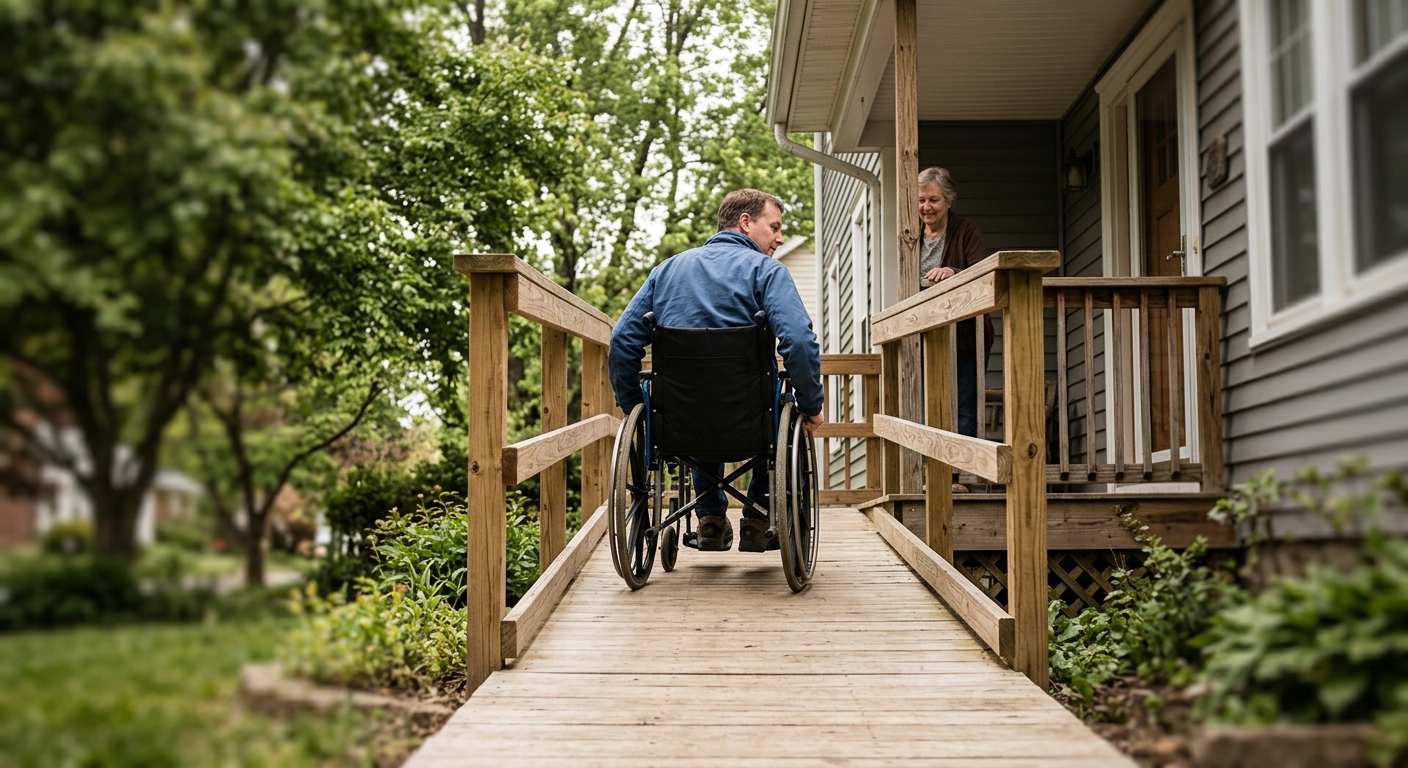
Negligent Security · Florida & Nationwide
Paralyzed on Someone's Property: Who Is Liable?
If you or a loved one suffered a spinal cord injury after being attacked at an apartment complex, parking garage, hotel, or business, the property owner's failure to provide reasonable security may make them legally responsible. We explain how liability works in plain language.
Focused on Catastrophic Injury Cases
Nationwide
Cases accepted across the U.S.
Bilingual
English & Spanish support
Licensed
Florida Bar–admitted attorneys
No Fee
Free, no-obligation case review
By CHG Lawyers · Published July 26, 2026
Paralyzed on Someone Else’s Property: Who Is Liable?
Short answer: were you paralyzed on property owned or controlled by someone else? If so, the party responsible for keeping that property reasonably safe can be held liable. In many serious cases, more than one party shares the blame. That could be a landlord or apartment complex. It could also be a store, a hotel, a parking garage, a property management company, or a maintenance contractor.
Two very different situations lead here. The first is a dangerous physical condition. Think of a broken railing, an unguarded balcony, or a falling object. The second is a failure to protect you from an attack that could have been stopped. In other words, someone was assaulted, shot, or robbed on a property that skipped basic security.
Most “premises liability” pages skip that second path. That’s being hurt by a crime that reasonable security could have stopped. We cover it in plain language below. It’s often the situation people don’t realize gives them a claim.
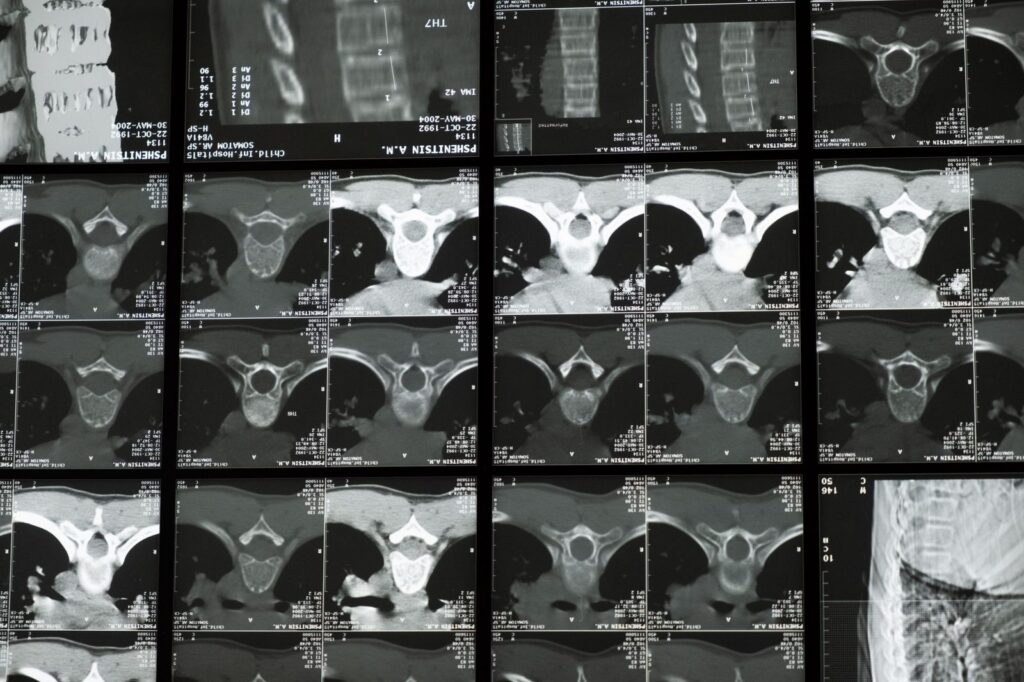
A spinal cord injury changes everything. It can mean the loss of movement and feeling below the injury. It can also mean lifelong medical care. The Christopher & Dana Reeve Foundation estimates that about 5.4 million people in the U.S. live with some form of paralysis. That’s roughly 1 in 50. This page explains who can be held liable, how liability is proven, and what a claim may cover. It is general information, not legal advice. Every case turns on its own facts.
If you were paralyzed in an attack on someone else's property, acting quickly helps preserve the proof your case may depend on. Talk it through with our team — the first consultation is free, confidential, and carries no obligation.
Who can be held liable
The party who owned, controlled, or was responsible for the safety of the property may be liable. But that only holds true if their failure to act reasonably caused your injury. Depending on the facts, several parties can share responsibility at once:
- Landlords and apartment complex owners who let a hazard continue or left the property unsecured
- Property management companies hired to maintain and secure the property
- Retail stores and businesses open to the public
- Hotels and motels hosting guests
- Parking lot and garage operators
- Contractors or maintenance companies whose careless work created the danger
Here’s why this matters in real life. Say an owner, a management company, and a careless repair contractor each carry part of the blame. Each may have its own insurance policy. A paralysis claim covers a lifetime of care. So finding every responsible party can be the difference between coverage that runs out and coverage that lasts.
The legal name for this area is premises liability. That’s a property owner’s duty to keep people reasonably safe. You don’t need to know the term to have a claim.
The two ways a property leaves someone paralyzed
1. Unsafe physical conditions
Per the Mayo Clinic, falls are a leading cause of spinal cord injury, especially for older adults. On someone else’s property, that often traces back to:
- Broken or missing stair railings
- Falls from balconies, decks, or heights with no guardrail
- Collapsing floors, ceilings, or structures
- Unsafe pools and pool decks
- Broken elevators or escalators
- Heavy falling objects in stores or warehouses
An owner may have known about a danger like this. Or they should have. If they did nothing, that failure can support a claim.
2. When you’re hurt because a property wasn’t kept safe from crime
Were you assaulted, shot, robbed, sexually assaulted, or otherwise attacked on someone else’s property? If so, the property owner may be legally responsible. This is true even though a criminal, not the owner, harmed you. Many people never realize this is possible. It is.
Property owners are expected to take reasonable steps to protect the people they invite in. That means protecting them from danger the owner could see coming. Depending on the location and its history, that can mean:
- Working locks, gates, and fencing
- Enough lighting in stairwells, walkways, and parking areas
- Working security cameras
- Security guards or patrols where the risk calls for them
Say an owner ignores those basics. Picture an apartment complex with a gate broken for months. Or a garage with dead lights and past robberies. If someone is attacked and paralyzed as a result, the owner may be liable. The legal term is negligent security.
These claims commonly arise at apartment complexes, dark parking lots and garages, hotels and motels, bars and nightclubs, gas stations and convenience stores, ATMs, and retail stores. Learn more on our negligent security page.
What you have to prove: the four elements
To hold a property owner liable, you generally prove four things:
- Duty. The owner owed a legal duty to keep the property reasonably safe for someone in your position.
- Breach. The owner fell short. They ignored a hazard, failed to fix or warn about it, or provided no reasonable security.
- Causation. That failure actually caused your paralyzing injury.
- Damages. You suffered real, measurable harm. Here, that means permanent, life-altering losses.
The heart of most cases is notice. Did the owner know, or should the owner have known, about the danger? A stairwell railing broken for weeks helps show the owner should have acted. So does a parking lot with a documented history of violent crime. In serious cases, most of the investigation focuses here. It’s where liability is won or lost.
Not sure what your next step is?
Talk it through with our team — the first consultation is free, confidential, and carries no obligation.
Are property owners always liable if someone is hurt?
No. An owner is not automatically liable just because an injury happened on their property. Liability depends on two things. Did the owner act reasonably? And was the danger known or foreseeable? If an owner took reasonable care and an injury still occurred, they may not be at fault.
Florida law also weighs why you were on the property:
- Invitees — customers and business guests, owed the highest duty of care
- Licensees — social guests, owed a duty to warn of known dangers
- Trespassers — generally owed the least protection
Fault can be shared, too. Florida follows a modified comparative negligence rule. That means fault is split by percentage. Under Fla. Stat. §768.81 (amended by HB 837 in March 2023), a person found more than 50% at fault for their own injury generally cannot recover damages. If you’re partly but not mostly at fault, your recovery is reduced by your share. It is not erased.
Who actually pays: the insurance behind the claim
In nearly all cases, compensation comes from insurance policies, not an individual’s savings. That matters because catastrophic paralysis carries very large lifetime costs. Common sources include:
- Commercial general liability insurance for businesses and stores
- Landlord or property insurance for rental properties
- Contractor policies when a repair company created the danger
Larger properties and businesses often carry a lot of coverage. When several parties share fault, several insurers may be involved at once. Expect insurers to dispute or downplay serious claims. See our page on how insurance companies minimize catastrophic claims.
What a paralysis claim can cover
A claim can seek compensation for the full, lifelong impact of the injury. It’s not just immediate medical bills. Spinal cord injury is usually permanent. So the losses span a person’s entire life:
- Lifetime medical care, surgeries, and rehabilitation
- Assistive equipment — wheelchairs and adaptive devices
- Long-term attendant care and in-home caregiving (see our cost of attendant care page)
- Lost income and lost future earning ability
- Home and vehicle changes for wheelchair access
- Pain, suffering, and loss of enjoyment of daily life
Doctors measure the severity of a spinal cord injury using the ASIA Impairment Scale. It is part of the International Standards for Neurological Classification of Spinal Cord Injury from the American Spinal Injury Association. This system helps doctors — and your legal team — describe the true scope of the injury and the care it will require.
When a property injury is fatal. A death is the most catastrophic outcome of all. Did a loved one die from an injury on someone else’s property? Surviving family members may be able to bring a wrongful death claim. These cases are handled with care and dignity, centered on the family left behind. See our wrongful death claims page.
What to do after being paralyzed on someone else’s property
Medical care comes first. After that, protecting evidence protects a possible claim:
- Follow all treatment and keep every record.
- Preserve evidence. Photograph the hazard or scene if you can. Save incident reports.
- Get witness names and contact information.
- Request security footage in writing. Video and maintenance logs are often erased in days or weeks. Acting fast matters, especially in negligent-security cases.
- Be careful with insurers. Don’t give a recorded statement before you understand your rights.
Deadlines apply. In Florida, most negligence claims that arise on or after March 24, 2023 must be filed within two years under Fla. Stat. §95.11. Claims before that date generally had a four-year limit. Deadlines vary by state, so check yours early.
Have questions about what happened?
Ask our team directly. The first conversation is free, confidential, and there is no obligation to continue.
How a catastrophic injury attorney investigates liability
The attorney’s first job is to find every party that may be responsible. They also look for every policy that may apply. In serious paralysis cases, that work often includes:
- Gathering property maintenance and repair records
- Reviewing past incidents and crime history at the location (police call records can reveal a pattern of foreseeable violence)
- Requesting security reviews and camera footage before it’s lost
- Working with medical and engineering experts to document a lifetime of needs
The National Spinal Cord Injury Statistical Center tracks how life-altering these injuries are. Building a claim that reflects decades of care takes careful, evidence-driven work.
CHG Personal Injury Lawyers is a team of licensed attorneys admitted to The Florida Bar. We handle catastrophic injury cases nationwide, with resources in English and Spanish. We cannot promise any specific result. But we can explain your rights and how the process works.
Talk to a paralysis injury lawyer
Were you or someone you love paralyzed on someone else’s property? A short conversation can help. It can help you understand whether you may have a claim, and against whom. To learn more, visit our paralysis injury lawyer resource or our catastrophic injury claims page. When you’re ready, request a free case evaluation. We serve clients nationwide, in English and Spanish.
Frequently asked questions
Who is liable if you’re paralyzed on someone else’s property?
The party that owned or controlled the property may be liable. That’s true if their failure to keep it reasonably safe caused your injury. It could be a landlord, business, hotel, or parking garage. Sometimes more than one at once.
Are property owners automatically liable if someone gets hurt?
No. An owner is only liable if they acted unreasonably and the danger was known or foreseeable. Simply being hurt on a property does not, by itself, make the owner responsible.
What are the four things you have to prove?
Duty, breach, causation, and damages. The owner owed you safety, failed that duty, caused your injury, and you suffered real harm as a result.
Can a property owner be responsible if I was attacked on their property?
Yes, sometimes. Reasonable security means working locks, lighting, cameras, or guards. If that security could have prevented a foreseeable attack, the owner may be liable. This is called negligent security.
How long do I have to file a paralysis injury claim in Florida?
Most Florida negligence claims that arise on or after March 24, 2023 must be filed within two years under Fla. Stat. §95.11. Deadlines differ by state, so confirm yours promptly.
Can more than one party be liable for a paralyzing injury?
Yes. An owner, a management company, and a careless contractor can all share fault. When multiple parties are liable, multiple insurance policies may apply.
Where These Injuries Happen
Apartment Complexes
Broken gates, failing locks, dark walkways, or no security patrols can leave residents and guests exposed to violent attacks that cause lasting harm.
Parking Lots & Garages
Poor lighting, no cameras, and no attendants make garages and lots common sites for assaults, robberies, and shootings that end in paralysis.
Hotels & Businesses
Hotels, motels, bars, nightclubs, gas stations, and stores can be responsible when they ignore known dangers and a customer is seriously hurt.
Evidence Disappears Fast
Surveillance footage is often erased within days, and security logs and staffing records can be lost. If you were paralyzed in an attack on someone else's property, acting quickly helps preserve the proof your case may depend on.
What We Look At to Determine Liability
Who Controlled the Property
A landlord, business, hotel, or parking operator may be responsible — and sometimes more than one party shares the blame.
Whether the Danger Was Foreseeable
Prior crimes, complaints, or a high-risk location can show the owner knew or should have known trouble was likely.
Whether Security Was Reasonable
Working locks and gates, adequate lighting, functioning cameras, and appropriate guards are basic protections owners are expected to weigh.
The Full Impact on Your Life
Spinal cord injuries and paralysis bring lifelong medical needs and losses. We work to account for the true cost of a catastrophic injury.
Common Questions
Who is liable if I was paralyzed on someone else's property?
The party that owned or controlled the property may be liable if their failure to keep it reasonably safe contributed to your injury. That could be a landlord, business, hotel, or parking garage — sometimes more than one at once.
Are owners automatically liable if someone gets hurt?
No. An owner is not responsible for every injury. Liability generally turns on whether the harm was foreseeable and whether the owner failed to provide reasonable security. Each case depends on its own facts.
What is 'negligent security'?
It's the legal term for this kind of premises liability claim. In plain language: when a property owner ignores a known safety risk and someone is seriously hurt in a preventable attack, the owner may be held accountable.