

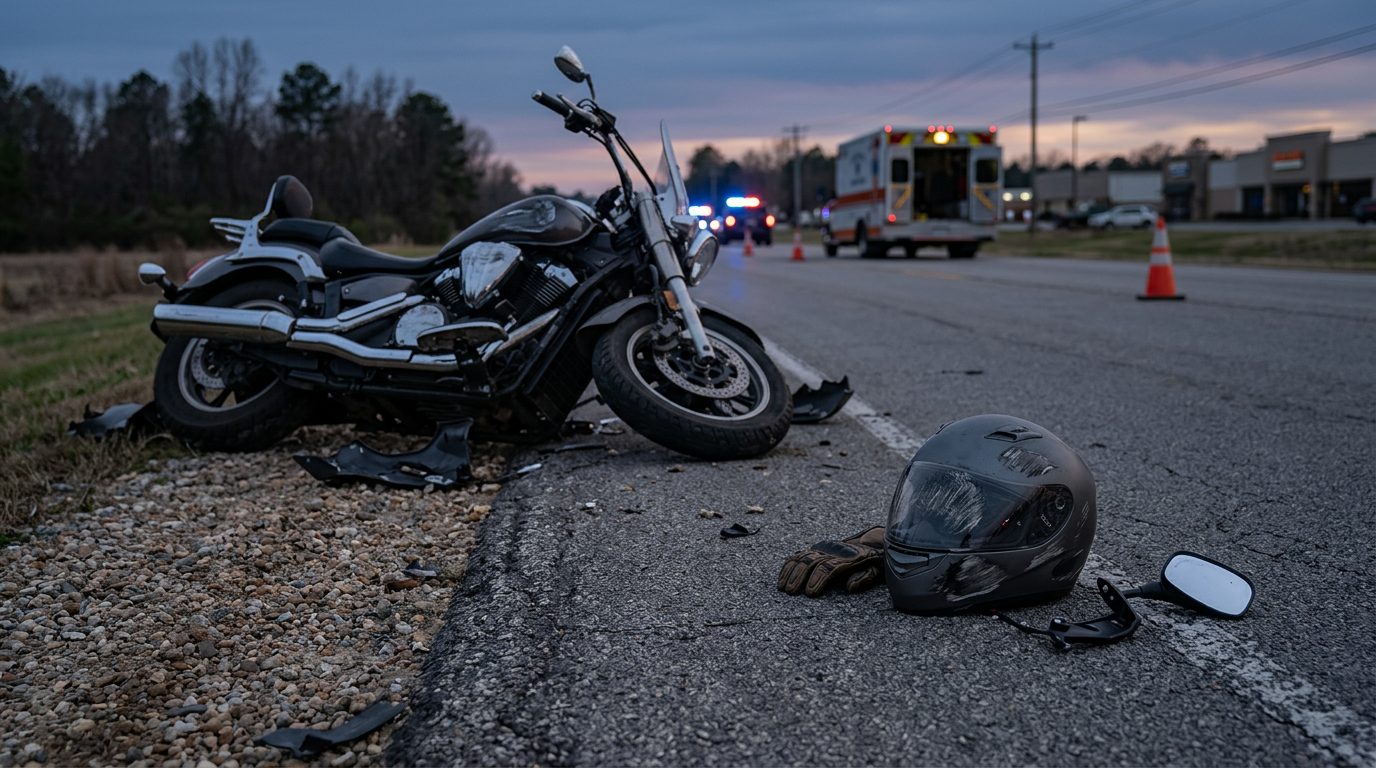
Motorcycle & Rideshare Accidents
Paralyzed After a Motorcycle or Rideshare Crash
If you've lost the ability to walk or move your limbs due to a spinal cord injury from a motorcycle accident or rideshare collision, you may have a legal claim for compensation. We focus exclusively on catastrophic injuries and the people left to rebuild their lives.
By CHG Lawyers · Published September 03, 2026
Paralyzed in a Motorcycle or Rideshare Accident: Spinal Cord Injury Claims and Liability by Vehicle Type
When a motorcycle, rideshare vehicle, ATV, or jet ski accident causes paralysis, the injury is catastrophic and permanent. Spinal cord damage blocks nerve signals between your brain and limbs. This results in loss of function and sensation below the injury level—a life-altering outcome that demands immediate medical care and legal answers. The type of vehicle involved, how the crash happened, and who was responsible all affect your legal options and the compensation you may pursue.
This page explains how these four vehicle types cause paralysis differently, why liability and insurance coverage vary by accident type, and what steps you can take now to protect your claim.

Not sure what your next step is?
Talk it through with our team — the first consultation is free, confidential, and carries no obligation.
How Motorcycle, Rideshare, ATV, and Jet Ski Accidents Cause Paralysis
Spinal cord injuries occur when trauma to the spine damages nerve fibers. Paralysis results when that damage is severe enough to block signals between the brain and limbs. This condition is called spinal cord injury (SCI).
Motorcycles: Motorcyclists have no structural protection. There is no cabin, no airbags, no crumple zone to absorb impact. High-speed collisions, unsafe lane changes, and road hazards force the rider into the pavement, guardrails, or other vehicles. The spine absorbs crushing or shearing forces that damage or sever nerve fibers. A rider ejected at 40+ mph onto asphalt or struck by a multi-ton vehicle often experiences complete spinal cord injury.
Rideshare vehicles (Uber, Lyft): Passengers sit in an enclosed cabin with safety systems—airbags, seatbelts, crumple zones—that reduce injury risk compared to motorcycles. However, high-impact collisions, rollovers, and multi-vehicle crashes still cause severe spinal trauma. A passenger’s spine may be compressed, twisted, or struck by interior structures during rapid deceleration or rollover. Spinal injuries in rideshare accidents are often incomplete (partial paralysis) due to these protective features. Severe crashes can still cause complete paralysis.
ATVs: Rollover accidents and ejections are common, especially on uneven terrain. Many ATVs lack rollover protection structures (ROPS). An operator thrown from the vehicle may land on rocks, trees, or embankments, striking the spine directly. Inexperienced riders, lack of protective gear, and operator impairment increase injury severity. ATV accidents often cause compression injuries to the thoracic or lumbar spine.
Jet skis: High-speed water impact, collision with docks, pilings, or other vessels, and blunt-force trauma to the torso cause spinal cord damage. Submersion and loss of consciousness compound the injury. Jet ski operators are often inexperienced, impaired, or operating at excessive speeds. Impact with water at high velocity creates forces similar to hitting concrete.
Why Vehicle Type Matters: Liability, Insurance, and Legal Responsibility
Liability, insurance coverage, and who can be held responsible differ significantly by vehicle type. These differences directly affect the compensation available to you.
Motorcycle accidents: Liability often falls on another driver (failure to see the motorcycle, unsafe lane change, failure to yield), road hazards (defective design, lack of maintenance, debris), or motorcycle defects (brake or steering failure). Under Florida’s comparative negligence statute (Fla. Stat. § 768.81), you can recover compensation even if you are partially at fault. You must not be more than 50% responsible. Your award is reduced by your percentage of fault.
Rideshare accidents: Liability may rest with the rideshare driver (distracted driving, speeding, impaired driving), the rideshare platform (inadequate driver screening, defective app features that distract drivers), or a third-party driver. Rideshare companies carry commercial insurance. Coverage applies during an active ride or while the driver is logged in and available for rides. Policy limits vary. Uber and Lyft typically carry $1 million in coverage per incident during active rides, but limits may differ by state or company. This higher coverage distinguishes rideshare from personal auto insurance.
ATV accidents: Liability may fall on the property owner (failure to warn of hazards, inadequate maintenance, renting to inexperienced riders without training), the ATV manufacturer (inadequate rollover protection, defective brakes, design flaws that increase tip-over risk), or the rental company (failure to inspect equipment, failure to provide safety training). Operator negligence does not eliminate the liability of others. Multiple parties may share responsibility.
Jet ski accidents: Liability may rest with the operator (excessive speed, impaired operation, collision with objects), the rental company (failure to inspect, failure to train, renting defective equipment), or the manufacturer (steering failure, throttle malfunction, design defects). Jet ski accidents fall under maritime law and admiralty jurisdiction. These have different liability standards, damage caps, and statute of limitations than land-based injury law. This distinction is critical. Maritime claims may have different deadlines and recovery limits.
Complete vs. Incomplete Paralysis: How Injury Severity Affects Recovery
The severity of paralysis depends on the location and extent of nerve damage.
Complete spinal cord injury: Total loss of function and sensation below the injury level. The spinal cord is severed or so severely damaged that no nerve signals cross the injury site. Complete paralysis typically results from crushing trauma or high-velocity impact. Recovery of function is rare. Rehabilitation focuses on maximizing independence through adaptive equipment and techniques.
Incomplete (partial) spinal cord injury: Some nerve function remains below the injury level. Recovery potential varies. Some individuals regain limited function over time with intensive rehabilitation. Incomplete injuries often result from contusion (bruising), compression, or partial tears.
How vehicle type affects injury severity:
- Motorcycle accidents at high speed often cause complete paralysis due to the force of impact and ejection. Lower-speed crashes may result in incomplete injuries.
- Rideshare accidents vary widely. Modern safety features may reduce injury severity compared to motorcycles. High-speed collisions or rollovers can cause complete paralysis.
- ATV rollover and submersion accidents often cause severe compression injuries. Ejection may result in incomplete injuries depending on what body part strikes first and the landing surface.
- Jet ski collisions at high speed typically cause severe injuries. Submersion and secondary trauma increase severity.
Lifetime Impact: Medical Care, Adaptive Equipment, and Vocational Rehabilitation
Paralysis from these accidents demands lifelong support and adaptation.
Emergency and ongoing medical care: Emergency stabilization, imaging (CT, MRI), surgery to prevent further damage, hospitalization, intensive care, rehabilitation, physical therapy, occupational therapy, psychological counseling, and long-term medical management.
Adaptive equipment and home modifications: Motorized wheelchairs (cost: $10,000–$40,000+), accessible ramps, modified bathrooms and bedrooms, hand-controlled vehicles or vehicle lifts, communication devices, specialized medical equipment, and environmental controls.
Lost income and earning capacity: Immediate lost wages during recovery and the permanent loss of ability to work in your pre-injury occupation or any occupation. For a 35-year-old earning $60,000 annually, lost earning capacity over a 30-year work life can exceed $1.8 million.
Lifetime care costs: Personal attendants, nursing care, medical equipment maintenance and replacement, accessibility modifications, and community support services. The cost of lifetime care for a person with complete paralysis often exceeds $1 million.
Pain and suffering: Physical pain, emotional trauma, loss of independence, loss of enjoyment of life, depression, anxiety, and psychological impact.
Punitive damages: Available in cases involving gross negligence, recklessness, or intentional misconduct. Examples include a rideshare driver operating under the influence, an ATV rental company knowingly renting defective equipment, or a jet ski operator with a documented history of reckless behavior.
Motorcycle Accidents and Paralysis: How Liability Works
Other drivers cause most motorcycle paralysis injuries through negligence. They fail to see the motorcycle, make unsafe lane changes, fail to yield, speed, or drive impaired. Road hazards—defective road design, lack of maintenance, debris, inadequate signage, or missing barriers—may also be responsible. Motorcycle defects such as brake failure, steering defects, tire blowouts, or design flaws that increase crash risk or injury severity can create manufacturer liability.
Under Florida’s comparative negligence rule, you can recover even if you share fault (Fla. Stat. § 768.81(6)). You must not be more than 50% responsible. For example, if you were speeding but another driver failed to see you and turned into your lane, both parties may share fault. You can still recover, with your award reduced by your percentage of fault.
Have questions about what happened?
Ask our team directly. The first conversation is free, confidential, and there is no obligation to continue.
Rideshare Accidents and Paralysis: Driver, Platform, and Third-Party Liability
Rideshare driver negligence is a common cause. This includes distracted driving (phone use, eating, adjusting the app), speeding, reckless driving, impaired driving, or failure to maintain the vehicle. The rideshare platform may be liable for inadequate driver screening, failure to remove unsafe drivers from the platform, or defective app features that distract drivers.
Third-party drivers, road hazards, and vehicle defects may also contribute. Rideshare companies carry commercial insurance. Coverage applies during an active ride or while the driver is logged in. Insurance policy limits vary by company and state. They typically range from $1 million per incident during active rides.
ATV Accidents and Paralysis: Property Owner, Manufacturer, and Rental Company Liability
Property owners may be liable for negligence. This includes failure to warn of hazards, inadequate maintenance of the property, allowing unsafe use, or renting ATVs to inexperienced operators without providing safety training.
ATV manufacturers may be liable for inadequate rollover protection, defective brakes or steering, design flaws that increase tip-over risk, or failure to warn of dangers. Rental companies may be liable for failure to inspect equipment before rental, failure to provide safety training, or renting defective or unsafe ATVs.
Operator negligence does not eliminate the liability of others. For example, if an operator was inexperienced and the rental company failed to provide training or inspect the ATV, both parties may share liability.
Jet Ski Accidents and Paralysis: Maritime Law and Operator Liability
Operator negligence is a common cause. This includes excessive speed, failure to maintain control, collision with objects, or operation while impaired. Rental companies may be liable for failure to inspect equipment, failure to provide safety training, renting defective jet skis, or inadequate supervision.
Manufacturers may be liable for steering failure, throttle malfunction, inadequate stability or control, or design flaws that increase collision risk.
Maritime law matters: Jet ski accidents fall under admiralty law and maritime jurisdiction. These have different rules for liability, damages, and statute of limitations than land-based personal injury law. Maritime claims may have different damage caps and procedural requirements. An attorney familiar with maritime law is essential.
What Happens After Paralysis: Medical Recovery and Life Adaptation
Immediate medical care focuses on emergency stabilization, imaging, and surgery to prevent further damage and preserve nerve function. Rehabilitation includes physical therapy (to maintain muscle tone and prevent complications), occupational therapy (to relearn daily tasks), psychological counseling (to address trauma and depression), and vocational rehabilitation (to explore modified work options).
Adaptive equipment and home modifications—wheelchairs, ramps, accessible bathrooms, modified vehicles—enable independence and reduce caregiver burden. Some individuals return to modified work roles. Others pursue vocational retraining. Disability benefits (Social Security Disability Insurance, state disability programs) may apply. Long-term care includes personal attendants, nursing care, ongoing medical management, and community support.
Statute of Limitations: Time to File a Paralysis Claim
In Florida, the statute of limitations for personal injury claims is two years from the date of injury (Fla. Stat. § 95.11). Wrongful death claims have a two-year limit. Other states have different deadlines, typically two to four years. Maritime claims may have different deadlines under federal admiralty law.
Insurance claims have separate reporting deadlines. Prompt notification to the insurance company is critical. Evidence degrades, witnesses become unavailable, and legal deadlines pass. Early consultation with an attorney is essential.
Want to know where you stand?
Tell us what happened and our team will walk you through the options available to you, at no cost.
Preserve Evidence Now
The decisions you make in the days and weeks after the accident directly affect your claim. Preserve:
- Vehicle damage (photos from multiple angles, before repairs)
- Accident scene photos (road conditions, debris, lighting, signage)
- Medical records and imaging (CT, MRI, surgical reports)
- Witness contact information and statements
- Police reports and incident numbers
- Insurance information for all parties
- Communications with other parties or insurers
- Your own account of what happened (written or recorded)
Do not discuss the accident on social media or with anyone except your attorney and medical providers.
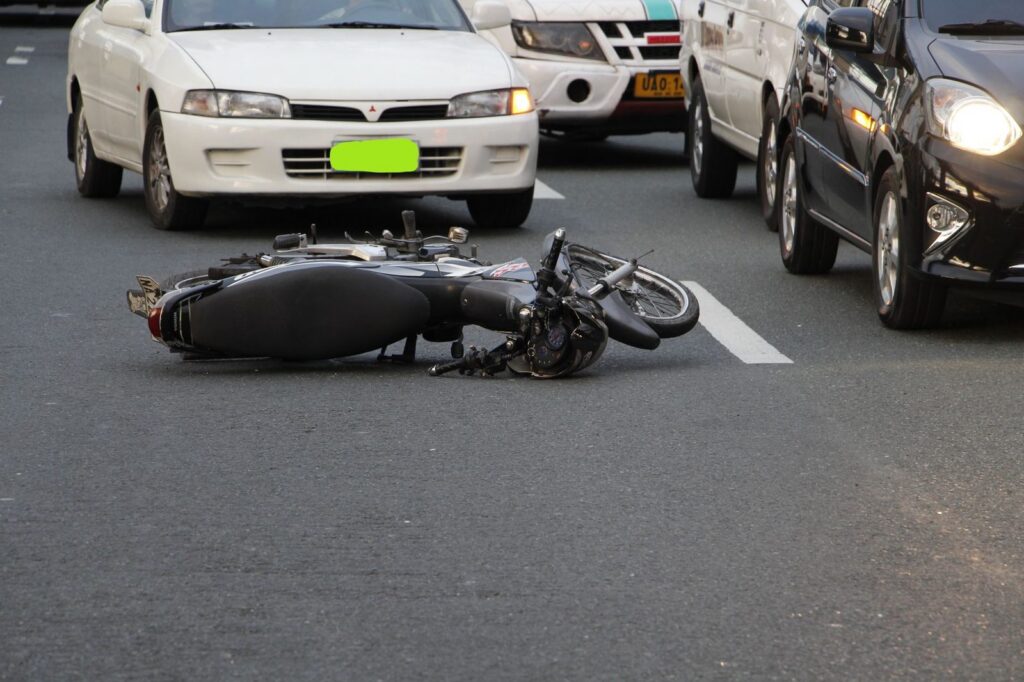
Frequently Asked Questions
What is the difference between complete and incomplete spinal cord injuries?
Complete spinal cord injuries result in total loss of function and sensation below the injury level. Incomplete injuries preserve some nerve function and may allow partial recovery with rehabilitation.
How much compensation can I receive for paralysis?
Compensation depends on injury severity, medical costs, lost income, lifetime care needs, age, and liability strength. Every case is unique. An attorney can evaluate your specific circumstances.
Who is liable if I was paralyzed in an ATV accident on someone else’s property?
The property owner, ATV manufacturer, rental company, or operator may be liable depending on the accident circumstances and whether negligence or defects contributed to the injury. Often multiple parties share liability.
Can I recover compensation if I was partially at fault for the motorcycle accident?
Yes. Under Florida’s comparative negligence rule, you can recover if you are not more than 50% at fault (Fla. Stat. § 768.81(6)). Your award is reduced by your percentage of fault.
What evidence should I preserve after a paralysis-causing accident?
Preserve vehicle damage, accident scene photos, medical records, witness contact information, police reports, insurance information, and any communications with other parties or insurers. Do not discuss the accident on social media.
How does maritime law affect jet ski accident claims?
Jet ski accidents fall under admiralty law. This has different liability standards, damage caps, and statute of limitations than land-based injury law. An attorney familiar with maritime law is essential.
If you were paralyzed in a motorcycle, rideshare, ATV, or jet ski accident, the decisions you make now—about evidence preservation, reporting, and legal representation—affect your entire future and your family’s financial security. The compensation available to you may cover decades of medical care, adaptive equipment, lost income, and the cost of rebuilding your life.
Many people in your exact situation have reached out to discuss what happened, who is responsible, and what compensation may be available. You don’t have to navigate this alone.
Contact us for a free case evaluation.
Discuss your accident, your injuries, and your options with an attorney who focuses exclusively on catastrophic injury claims. There is no cost to talk, and no obligation.
Time Matters
Motorcycle and rideshare accident claims are subject to strict legal deadlines. The sooner you reach out, the sooner we can investigate your crash, preserve evidence, and protect your right to pursue compensation.
What We Handle
Motorcycle Accidents
Spinal cord injuries and paralysis from motorcycle crashes—whether caused by negligent drivers, road hazards, or defective equipment.
Rideshare Collisions
Catastrophic injuries sustained as a passenger or driver in Uber, Lyft, or other rideshare vehicles due to driver negligence or unsafe conditions.
Traumatic Brain Injuries
Severe head trauma and brain injuries that cause permanent cognitive or physical impairment from two-wheeled or rideshare accidents.
Amputation & Severe Burns
Loss of limbs or life-altering burn injuries resulting from motorcycle crashes or rideshare collisions.
Why Choose CHG Personal Injury Lawyers
Focused on Catastrophic Injury
We focus exclusively on serious, permanent injuries—not minor claims. Your case receives the full attention and resources it deserves.
Licensed Florida Attorneys
Our team is admitted to the Florida Bar and handles catastrophic injury claims nationwide, bringing deep legal knowledge to every case.
Empathetic Advocacy
We understand the physical, emotional, and financial toll of paralysis. We fight for fair compensation so you can focus on recovery and rebuilding.
No Attorney’s Fees Unless There Is a Recovery
We work on contingency. You pay nothing upfront, and we only collect a fee if there is a settlement or judgment in your favor.
Questions About Your Claim
What causes paralysis in motorcycle accidents?
Spinal cord injuries occur when the spine is fractured, compressed, or severed in a high-impact crash. The severity depends on the location and completeness of the injury. Even incomplete injuries can result in permanent loss of function.
Can I recover compensation for a rideshare accident?
Yes. Rideshare companies carry insurance, and drivers may be held liable for negligence. You may pursue a claim against the driver, the rideshare company, or both, depending on the circumstances of the crash.
What damages can I recover?
Compensation may include medical expenses (current and future), lost wages, loss of earning capacity, pain and suffering, and the costs of long-term care and rehabilitation. Each case is unique.
How long do I have to file a claim?
Legal deadlines apply. The sooner you contact us, the sooner we can protect your rights and begin investigating your accident.