

Negligent Security · Florida & Nationwide
Attacked on Someone Else's Property and Left Paralyzed?
If a violent attack at an apartment complex, parking garage, hotel, or business left you or a loved one with a spinal cord injury or paralysis, the property owner may share responsibility for failing to keep you safe. We help you understand your options.
Why Injured Families Reach Out to CHG
Nationwide
Cases accepted across the U.S.
Florida Bar
Licensed, admitted attorneys
Bilingual
English & Spanish support
$0
Free, no-obligation case review
By CHG Lawyers · Published August 05, 2026
Paralyzed by an Attack on Someone Else’s Property? Negligent Security Paralysis Claims
Not sure what your next step is?
Talk it through with our team — the first consultation is free, confidential, and carries no obligation.
Were You Paralyzed After Being Attacked on Someone Else’s Property?
Were you shot, stabbed, beaten, or assaulted on someone else’s property? Do you now live with paralysis? If so, the property owner may share the blame. You do not have to blame only the attacker.
Maybe it happened in an apartment parking lot with a broken gate. Maybe it was a dark parking garage with no cameras. Maybe it was a motel with no night staff. Maybe it was a gas station in a violent area. You survived. But a spinal cord injury changed your life forever.
Here is the key idea, in plain words. A property owner must provide reasonable security. Say the owner fails to do this. Say an attack you could see coming leaves someone paralyzed. That owner may be legally responsible.
Lawyers call this a negligent security case. It is a type of premises liability. That is a property owner’s duty to keep people reasonably safe. But you don’t need to know that term to have a claim. You only need to know what happened to you.
This page is for people living with paraplegia or quadriplegia after an attack. It is also for families acting for an injured or lost loved one.
CHG Personal Injury Lawyers is a Florida-based firm. We handle catastrophic-injury cases nationwide.
👉 Request a free, confidential case evaluation.
What Paralysis Actually Means (in Plain Medical Terms)
Understanding your injury helps you understand your claim. So here is what doctors are really describing.
Your spinal cord carries signals between your brain and your body. A spinal cord injury cuts off those signals. According to the Mayo Clinic, the higher the injury, the more function you lose:
- Paraplegia affects the trunk, legs, and pelvic organs. It usually comes from injuries to the middle or lower spine. The arms and hands usually still work.
- Quadriplegia (also called tetraplegia) affects the arms, hands, trunk, legs, and pelvic organs. It comes from injuries to the neck. Doctors call this the cervical spine. A high neck injury can affect the ability to breathe without help.
Doctors also call an injury complete or incomplete. Complete means no movement or feeling below the injury. Incomplete means some function remains.
Doctors grade every injury the same way. They use the ASIA Impairment Scale from the American Spinal Injury Association. It runs from A (complete) to E (normal). A nerve exam sets the grade. You may see a note like “C5 AIS A” in your records. It tells doctors where the injury is and how much function was lost.
Paralysis is rarely “just” loss of movement. The Mayo Clinic notes that spinal cord injuries often bring lasting problems. These can include loss of bladder and bowel control. They can include trouble controlling blood pressure and body temperature. They can also bring breathing problems, chronic pain, and a high risk of pressure sores. About 5.4 million Americans live with some form of paralysis, according to the Christopher & Dana Reeve Foundation.
This is why a paralysis claim is different from an ordinary premises case. The money at stake reflects a lifetime, not one incident. See our paraplegia vs. quadriplegia guide for more.
What a Negligent Security Paralysis Claim Actually Is
A negligent security paralysis claim holds a property owner accountable. It applies when the owner fails to provide reasonable safety. And that failure lets a foreseeable attack leave someone paralyzed. Foreseeable means the owner could see the danger coming.
These cases involve two responsible parties. One is the criminal who caused the injury. The other is the property owner whose security failures made the harm possible. This page focuses on the owner.
Two legal cases can run at the same time. In the criminal case, the state prosecutes the attacker. The civil claim is about recovering money for you and your family. They are separate. You can pursue the civil claim even if the attacker is never caught or convicted.
Where These Attacks Happen
These attacks often happen in places the owner knew, or should have known, were unsafe. Common locations include:
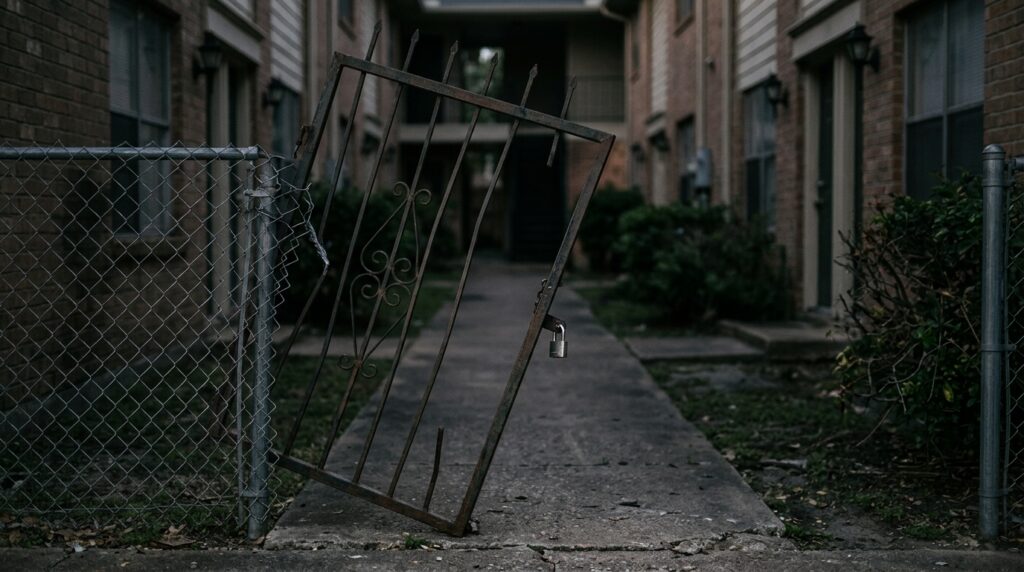
- Apartment complexes and condos: broken gates, locks that don’t work, dark stairwells and lots, or past crime the manager ignored.
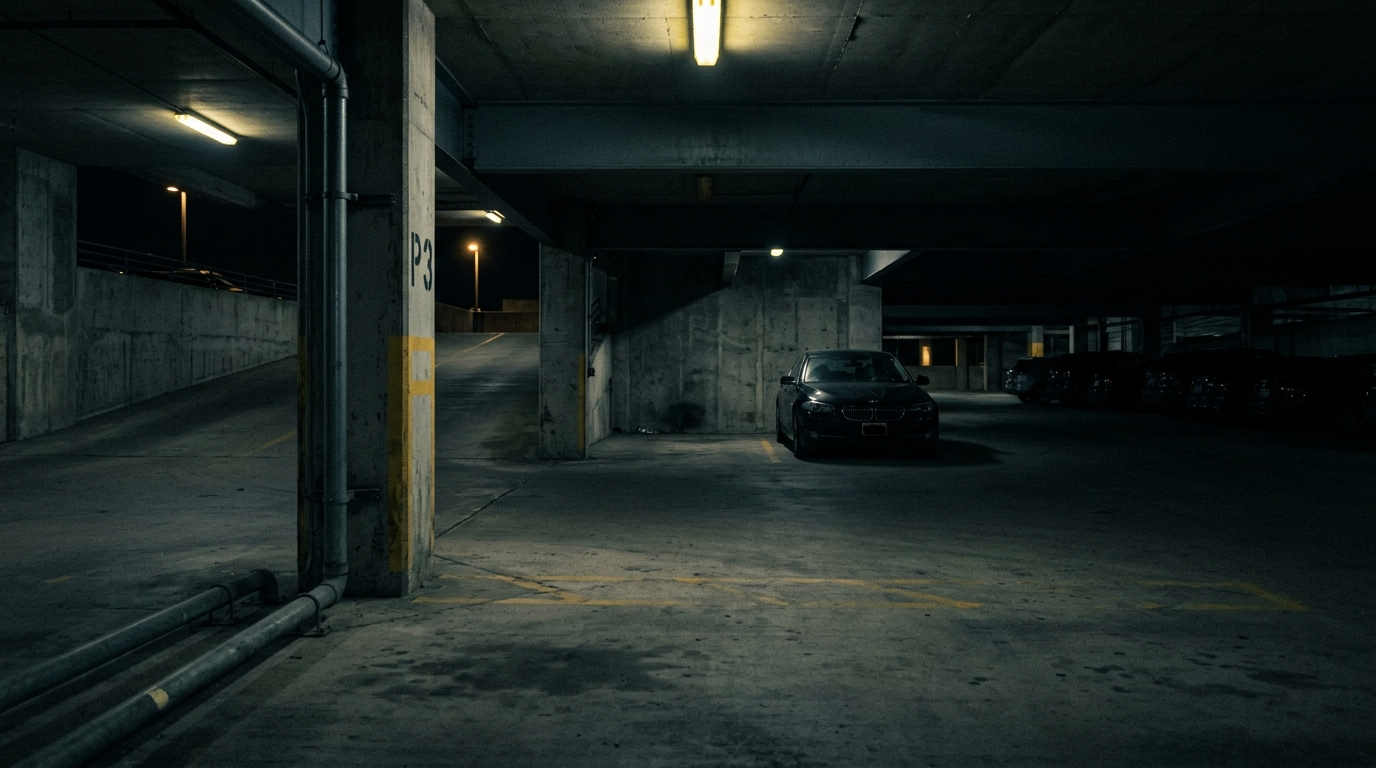
- Parking lots and garages: dark corners, no cameras, no patrols, or isolated ATMs.
- Hotels and motels: unsecured entrances, master-key failures, or no staff at night.
- Bars, nightclubs, and event venues: missing or untrained security, overcrowding, or failure to remove a known threat.
- Gas stations, convenience stores, and shopping centers: places with a known history of violence.
Both private and public property can be involved. Claims against the government have special rules and shorter deadlines. So contact a lawyer quickly.
What We Have to Prove and What Counts as “Inadequate Security”
To win a negligent security paralysis claim, we generally must prove three things. First, the attack could be foreseen. Second, the owner’s security failed. Third, that failure helped cause your injury.
Foreseeability. Could violent crime here be reasonably predicted? We look at past incidents on and near the property. We check area crime data. We review complaints the owner ignored.
Security failures. In the catastrophic-injury cases our attorneys handle, we look for clear problems like these:
- Broken or missing locks and gates.
- Poor or broken lighting.
- No cameras, or cameras that didn’t work.
- Missing, untrained, or understaffed security guards.
- Ignored resident or customer complaints about danger.
Causation. We connect the security failure to how the attack happened. And we connect it to how you were paralyzed.
Damages. As noted above, spinal cord injuries carry serious lifetime effects. The Mayo Clinic documents these. The ASIA scale grades them. This shapes the value of the claim.
Have questions about what happened?
Ask our team directly. The first conversation is free, confidential, and there is no obligation to continue.
What Compensation May Be Available
Compensation in a paralysis case usually covers two things. It covers money losses and personal harm. Every case is different. The law limits what any lawyer can promise about outcomes.
Economic damages may include:
- Emergency, surgical, and hospital care.
- Rehabilitation and future medical treatment.
- Lifetime attendant care and assistive equipment.
- Home and vehicle changes.
- Lost wages and reduced future earning power.
Non-economic damages may include pain and suffering, loss of enjoyment of life, and emotional harm.
See our page on the lifetime cost of paralysis care for why life-care planning matters here.
When the Attack Was Fatal: A Family’s Path Forward
The most catastrophic outcome is when a loved one does not survive. If you are reading this after a death, we are sorry for your loss. We want you to know what you can do next. There is no pressure and no upsetting detail.
Florida law lets certain family members bring a wrongful-death claim. A personal representative of the estate files it. This is set out in the Florida Wrongful Death Act, Fla. Stat. §§768.16–768.26.
Depending on the facts, that claim may recover for the family’s loss of support, companionship, and guidance. It may also cover medical and funeral costs. The same negligent-security rules apply. If the owner’s security failures allowed a foreseeable, fatal attack, the owner may share responsibility.
We handle these cases quietly and with dignity. Learn more on our catastrophic injury claims page.
How the Process Works, Step by Step
- Free case evaluation. We listen, review your injuries, and explain your options. No cost, no obligation.
- Investigation. We move fast to save surveillance footage before it’s erased. We gather police and incident reports, past-crime records, leases, security policies, and witness statements.
- Building the claim. Medical experts, life-care planners, and security consultants document liability and your lifetime needs.
- Demand and negotiation. We present the claim to the property owner and their insurers.
- Litigation and trial. If no fair offer comes, we are ready to take the case to court.
Most of these cases run on a contingency fee. This means you typically pay no attorney fee unless we recover money for you.
Why Act Quickly: Deadlines and Disappearing Evidence
The strongest evidence often disappears within days. Surveillance video is often taped over in one to two weeks. Once it’s gone, it’s gone. Witnesses move, and memories fade.
Most Florida negligence claims have a deadline. This deadline is called the statute of limitations. For claims that started on or after March 24, 2023, it is generally two years. It comes from Fla. Stat. §95.11. Claims involving government property may have much shorter notice deadlines. Deadlines vary by state. Only a lawyer reviewing your facts can confirm yours.
Florida also uses a modified comparative-fault rule. Under this rule, a person found more than 50% at fault generally recovers nothing. This comes from Fla. Stat. §768.81.
👉 Contact us now so evidence can be preserved.
Why Families Choose CHG Personal Injury Lawyers
- Focused practice. We concentrate on spinal cord injuries and paralysis, traumatic brain injuries, amputation, and severe burns. We don’t handle routine cases.
- Licensed attorneys admitted to the Florida Bar, handling catastrophic-injury cases nationwide.
- The right resources. We work with medical, security, and life-care-planning professionals to build a paralysis case properly.
- Bilingual support. We communicate clearly in English and Spanish.
- Client-centered service. We handle the legal fight so you can focus on recovery.
We do not advertise win rates, dollar figures, or “best firm” claims. We cannot guarantee any outcome. Florida Bar advertising rules prohibit those promises for good reason. What we can promise is a straight, honest look at your situation.
Want to know where you stand?
Tell us what happened and our team will walk you through the options available to you, at no cost.
Frequently Asked Questions
Can I sue if the attacker was never caught or convicted?
Yes. Your civil claim against the property owner is separate from any criminal case against the attacker.
Isn’t the criminal the only one responsible?
No. If the owner’s security failures made a foreseeable attack possible, the owner may share legal responsibility.
How much does it cost to hire a negligent security paralysis lawyer?
The consultation is free. These cases typically run on a contingency fee. So you usually pay no attorney fee unless we recover for you.
How long do I have to file?
It varies by state. It is often much shorter for government property. In Florida, many negligence claims that started on or after March 24, 2023 carry a two-year deadline. Talk to us as soon as possible so no deadline passes.
What if my loved one didn’t survive the attack?
Your family may be able to pursue a wrongful-death claim under the Florida Wrongful Death Act. Contact us and we will explain your options with care.
Do you only take Florida cases?
No. The firm is Florida-based and handles catastrophic-injury cases nationwide.
Talk to a Negligent Security Paralysis Lawyer — Free Case Evaluation
Paralysis after an attack on unsafe property may mean the property owner is legally responsible. You deserve clear answers. And you deserve them before evidence disappears.
Your case evaluation is confidential, free, and comes with no obligation. Bilingual support is available.
👉 Contact CHG Personal Injury Lawyers today for a free case evaluation, or learn more through our paralysis resources.
A Criminal Case and a Civil Claim Are Not the Same Thing
Even if the attacker was never caught or convicted, you may still have a civil claim against the property owner. These are separate legal matters. Don't assume you have no options because there was no arrest — speak with a lawyer first.
Where These Attacks Happen
Apartment Complexes
Broken gates, unlocked entryways, dark walkways, and missing cameras can leave residents and guests exposed to foreseeable violence.
Parking Lots & Garages
Poor lighting, no security patrols, and long blind corridors are common factors in assaults and shootings at parking structures.
Hotels & Motels
Guests trust that doors, locks, and property patrols will keep them safe. When they fail, catastrophic injuries can follow.
Stores, Bars & Gas Stations
Businesses in high-crime areas may owe a duty to provide reasonable security — cameras, lighting, or guards — to protect visitors.
How We Help After a Paralyzing Attack
We Investigate the Property
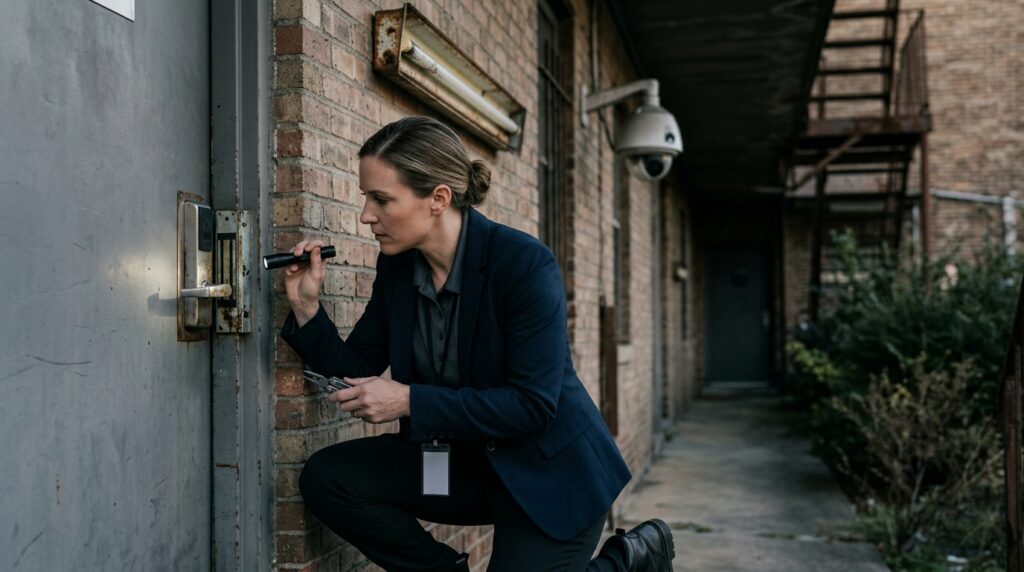
We look at lighting, locks, cameras, guard coverage, and prior crime reports to understand whether the attack was foreseeable and preventable.
We Identify Who May Be Responsible
When an owner's security failures made a foreseeable attack possible, that owner may share legal responsibility alongside the attacker.
We Account for a Lifetime of Care
Spinal cord injuries and paralysis often mean permanent medical needs. We work to document the full, long-term cost of your care.
We Support the Whole Family
From lost income to home modifications, we help families understand the road ahead — in English or Spanish.