

Catastrophic Injury | Drowning & Near-Drowning
Near-Drowning Injuries: Long-Term Care Costs & Your Right to Recover Damages
A near-drowning can cause permanent brain damage, paralysis, and lifelong medical needs. If negligence or unsafe conditions caused the incident, you may have a claim for the full cost of care.
By CHG Lawyers · Published August 27, 2026
Near Drowning Long-Term Care Costs: What Families Face and How to Recover Damages
Near-drowning survivors often suffer catastrophic brain damage from lack of oxygen. This causes permanent disability and lifelong care needs costing $2 to $5 million or more. When negligence by a property owner, facility operator, or other responsible party caused the incident, a personal injury claim can recover these costs and protect your family’s financial future.

Not sure what your next step is?
Talk it through with our team — the first consultation is free, confidential, and carries no obligation.
What Is a Near-Drowning Injury and Why Does It Lead to Long-Term Care Costs?
Near drowning means submersion in water followed by survival. But it often comes with severe oxygen deprivation to the brain that causes permanent neurological damage.
Unlike minor water incidents, near-drowning survivors frequently suffer lasting harm:
- Cognitive impairment (difficulty thinking, remembering, or learning)
- Loss of motor control (inability to move or control muscles)
- Inability to speak or swallow
- Seizure disorders
- Complete dependence on caregivers for all daily activities
These injuries are catastrophic and lifelong. They do not resolve with time or standard rehabilitation. Long-term care is medically necessary. It begins immediately after hospitalization and continues for decades.
The brain damage from hypoxic or anoxic brain injury (insufficient oxygen reaching the brain) is irreversible. It requires specialized medical oversight, nursing care, and adaptive equipment for the survivor’s entire life.
The Real Cost of Long-Term Care After Near Drowning
Families face staggering expenses that most insurance and personal savings cannot cover:
- Skilled nursing facility care: $100,000–$150,000+ per year, depending on location and care intensity
- 24/7 in-home attendant care: $150,000–$250,000+ annually for nursing and personal assistance
- Specialized medical equipment: ventilators, feeding tubes, mobility aids, adaptive technology ($10,000–$50,000+ initially, plus ongoing maintenance and replacement)
- Medications, therapies, and medical supplies: $20,000–$60,000+ per year
- Rehabilitation and specialized therapies (physical, occupational, speech): $30,000–$100,000+ annually
- Lifetime care costs: $2–$5 million or more over 50+ years of life expectancy
According to the Kaiser Family Foundation, long-term care costs are a major affordability challenge for families. Many cannot cover even one year of care without depleting all assets.
These figures do not include lost wages, lost earning potential, or the emotional and psychological toll on your family.
Who Pays for Near-Drowning Long-Term Care?
Without a legal claim, families face limited options:
- Personal health insurance: typically covers acute hospitalization but exhausts long-term care limits within months
- Medicare/Medicaid: available to eligible individuals but requires spending down nearly all assets; coverage gaps remain
- Family savings and assets: many families deplete retirement, sell homes, or go into debt
- Legal damages from a personal injury claim: recovers costs from the party responsible for the incident
A successful claim shifts the financial burden to the at-fault party’s insurance or assets. This protects your family from financial ruin. Settlements can be structured as annuities or trusts that provide ongoing income for care throughout the survivor’s lifetime.
What Causes Near-Drowning Incidents That Lead to Legal Claims?
Negligent security and unsafe conditions at water facilities are common causes:
- Inadequate supervision at pools and beaches: lack of lifeguards, failure to enforce safety rules, or insufficient staff training
- Broken or missing barriers: lack of fencing, gates, or safety equipment at residential pools or water parks
- Unsafe short-term rental properties: pools without proper barriers, missing rescue equipment, or failure to warn guests of hazards
- Failure to respond to emergencies: delayed rescue or inadequate emergency protocols
- Negligent operation: failure to maintain safe conditions or provide reasonable safeguards
- Premises liability: property owners who knew or should have known of dangerous conditions but failed to correct them
In any of these scenarios, the responsible party may be liable for all costs of long-term care and other damages.
Medical Damages in Near-Drowning Cases
A personal injury claim can recover:
- Past medical expenses: all costs from the incident through the present (emergency care, hospitalization, initial rehabilitation)
- Future medical expenses: lifetime cost of care, calculated by medical and economic experts based on life expectancy and care needs
- Life care planning: a detailed, individualized assessment of what the survivor will need medically and financially for life
- Pain and suffering: compensation for permanent disability and loss of quality of life
- Loss of earning capacity: if the survivor was working or had earning potential before the incident
- Wrongful death damages: if the incident resulted in death, the family may recover funeral costs, lost financial support, and loss of companionship
Have questions about what happened?
Ask our team directly. The first conversation is free, confidential, and there is no obligation to continue.
How Does a Personal Injury Claim Help Cover Near-Drowning Care Costs?
A legal claim identifies the responsible party and recovers damages to cover all costs of long-term care. Instead of depleting family savings or going into debt, the claim shifts the financial burden to the at-fault party’s insurance or assets.
Damages can be structured as settlements that provide ongoing income for care throughout the survivor’s life. This ensures long-term financial security.
In the catastrophic-injury cases we handle, working with medical and economic experts to calculate lifetime care costs is essential. We document the severity of the injury, prognosis, and detailed care needs to build a strong case for full recovery.
What to Expect: The Process of Pursuing a Near-Drowning Injury Claim
Initial consultation: We review the incident, medical records, and circumstances to determine liability and claim strength.
Investigation: We gather evidence—incident reports, witness statements, property records, safety violations, and prior complaints—to establish negligence.
Medical evaluation: We work with medical experts to document injury severity, prognosis, and lifetime care needs.
Life care planning: Economic and medical experts calculate the full cost of long-term care over the survivor’s lifetime.
Demand and negotiation: We present the claim to the at-fault party’s insurance and negotiate a settlement.
Litigation (if necessary): If a fair settlement is not reached, we file a lawsuit and take the case to trial.
Settlement or judgment: Funds are recovered and structured to support the survivor’s care for life.
Most cases take 1–3 years to resolve. Complex cases may take longer. We work to maximize recovery while resolving your claim as efficiently as possible.
Why Choose CHG Personal Injury Lawyers for Your Near-Drowning Case?
- Exclusive focus on catastrophic injuries: We focus exclusively on cases involving permanent, life-altering harm—including near-drowning brain injuries. We do not handle minor or routine claims.
- National reach: We represent clients nationwide, not just in Florida. If your incident occurred anywhere in the U.S., we can help.
- Experience in complex damages: We have extensive experience calculating and recovering lifetime care costs. We work with life care planners, medical experts, and economic specialists.
- Relationships with medical experts: We work with leading neurologists, rehabilitation specialists, and life care planners to build the strongest case.
- Compassionate, plain-language approach: We explain your legal options clearly, without jargon, and treat your family with dignity.
- No upfront costs: We work on contingency—you pay nothing unless we recover damages for you.
- Licensed Florida attorneys: Our team is licensed to practice in Florida and admitted to the Florida Bar.
Frequently Asked Questions
How long do I have to file a claim after a near-drowning incident?
Florida’s statute of limitations is generally 2 years for personal injury claims. This can vary—contact us immediately to protect your rights.
What if the incident happened at a public beach or government facility?
Claims against government entities have different rules and shorter notice periods. We handle these cases and will explain your options.
Can I recover damages if I was partially at fault?
Liability depends on the specific facts. Even if you were partially at fault, you may still have a claim against a property owner whose negligence contributed to the incident.
What if the at-fault party does not have insurance?
We investigate all available sources of recovery, including the defendant’s personal assets, umbrella policies, and other coverage.
How is a settlement structured to pay for lifetime care?
Settlements can be arranged as structured annuities or trusts. These provide ongoing monthly or annual payments to cover care costs, protecting funds from depletion or mismanagement.
Will my case go to trial?
Most cases settle before trial. We are prepared to litigate if necessary to secure fair compensation.
Want to know where you stand?
Tell us what happened and our team will walk you through the options available to you, at no cost.
What Happens If You Cannot Afford Long-Term Care Without a Legal Claim?
Many families face impossible choices: deplete retirement savings, sell the home, or reduce the quality of care the survivor receives.
Without a legal claim, families often turn to Medicaid. This requires spending down nearly all assets before coverage begins—leaving nothing for the survivor’s future.
According to the National Institute on Aging, long-term care costs can exceed what most families can afford on their own. A successful personal injury claim prevents this financial devastation. It ensures the at-fault party bears the cost of the harm they caused.
This is not just about justice—it is about survival and security for your family.
You Don’t Have to Face This Alone
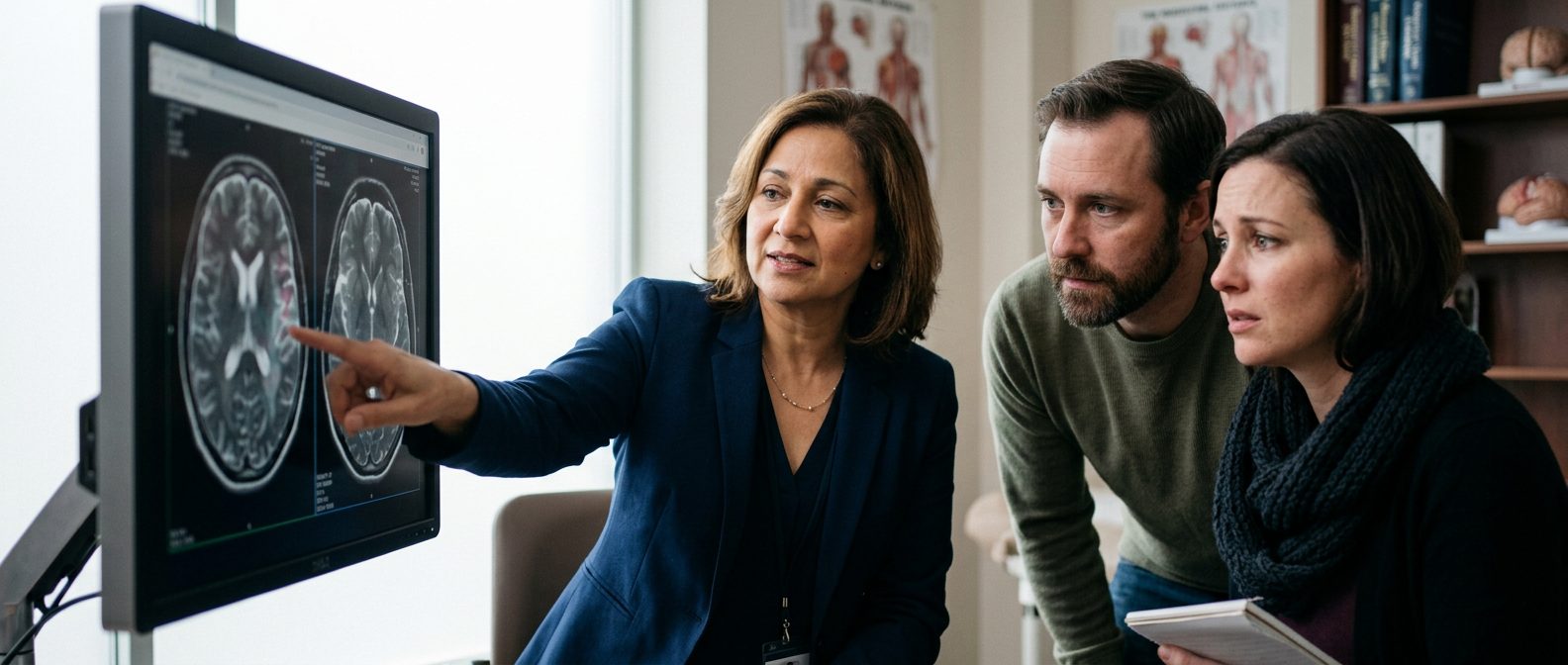
Families caring for a loved one with catastrophic brain damage from near drowning often struggle with the financial burden of long-term care. They wonder whether someone else should be held responsible. We can help.
We can help you understand whether you have a legal claim, what damages you may recover, and how to secure the resources your family needs for decades of care ahead.
Contact us for a free case evaluation. Let us help you protect your family’s financial future.
Why This Matters to Your Family
Permanent Neurological Injury
Near-drowning survivors often suffer hypoxic brain injury—oxygen deprivation that causes lasting cognitive, physical, and behavioral changes. The damage may not be fully apparent for weeks or months.
Lifetime Care & Medical Costs
Survivors may need ongoing therapy, specialized equipment, home modifications, attendant care, and medical management. These costs accumulate over decades and can reach hundreds of thousands of dollars.
Negligence & Liability
If the near-drowning happened because of inadequate lifeguard supervision, broken safety equipment, failure to warn of hazards, or negligent security at a property, the responsible party may owe you damages.
Time-Sensitive Claims
Deadlines apply to filing injury claims. Acting quickly protects your right to recover and ensures evidence is preserved while memories and records are fresh.
Act Quickly—Deadlines Apply
Florida law sets strict time limits for filing personal injury claims. The sooner you contact an attorney, the sooner we can investigate the incident, identify liable parties, and protect your family's right to compensation. Do not delay.
What You Need to Know About Near-Drowning Damage Claims
Types of Recoverable Damages
You may recover compensation for medical expenses (past and future), rehabilitation and therapy costs, home care and attendant services, home and vehicle modifications, lost wages, pain and suffering, and in cases of wrongful death, funeral expenses and loss of companionship.
Where Near-Drowning Claims Arise
Incidents at public pools, private facilities, beaches, hotels, apartment complexes, water parks, and short-term rental properties. If the property owner or operator failed to maintain safe conditions, provide adequate supervision, or warn of known hazards, liability may exist.
Government vs. Private Claims
Claims against government-run beaches or public facilities follow different rules and shorter notice requirements than claims against private property owners. Both require immediate attention to preserve your rights.
Why You Need an Attorney
Insurance companies and property owners have their own lawyers. An experienced attorney investigates the incident, gathers evidence, calculates lifetime care costs, and negotiates or litigates on your behalf to recover fair compensation.