
Asbestos Exposure Can Affect a Family for Decades. Understanding Your Options Is a Good First Step.
Asbestos-related illnesses often appear long after the exposure, and each family's situation is different. Here is how these claims work in Florida and what to think about next.
Why Families Contact CHG Personal Injury Lawyers
Florida
Florida-based personal injury firm
Licensed
Attorneys admitted to The Florida Bar
By CHG Lawyers · Published November 25, 2026
How Much Compensation Can You Get for Asbestos Exposure?
If someone you love has been diagnosed with mesothelioma or another asbestos illness, you may want to know how much compensation you can get. There is no set amount.
The value of a claim depends on several things:
- The illness
- The exposure history
- Medical bills
- Lost income
- Losses a family faces after a death
Asbestos compensation usually comes through one or both of two routes:
- An asbestos bankruptcy trust fund claim
- A lawsuit against companies or other parties responsible for the exposure
Not sure what your next step is?
Talk it through with our team — the first consultation is free, confidential, and carries no obligation.
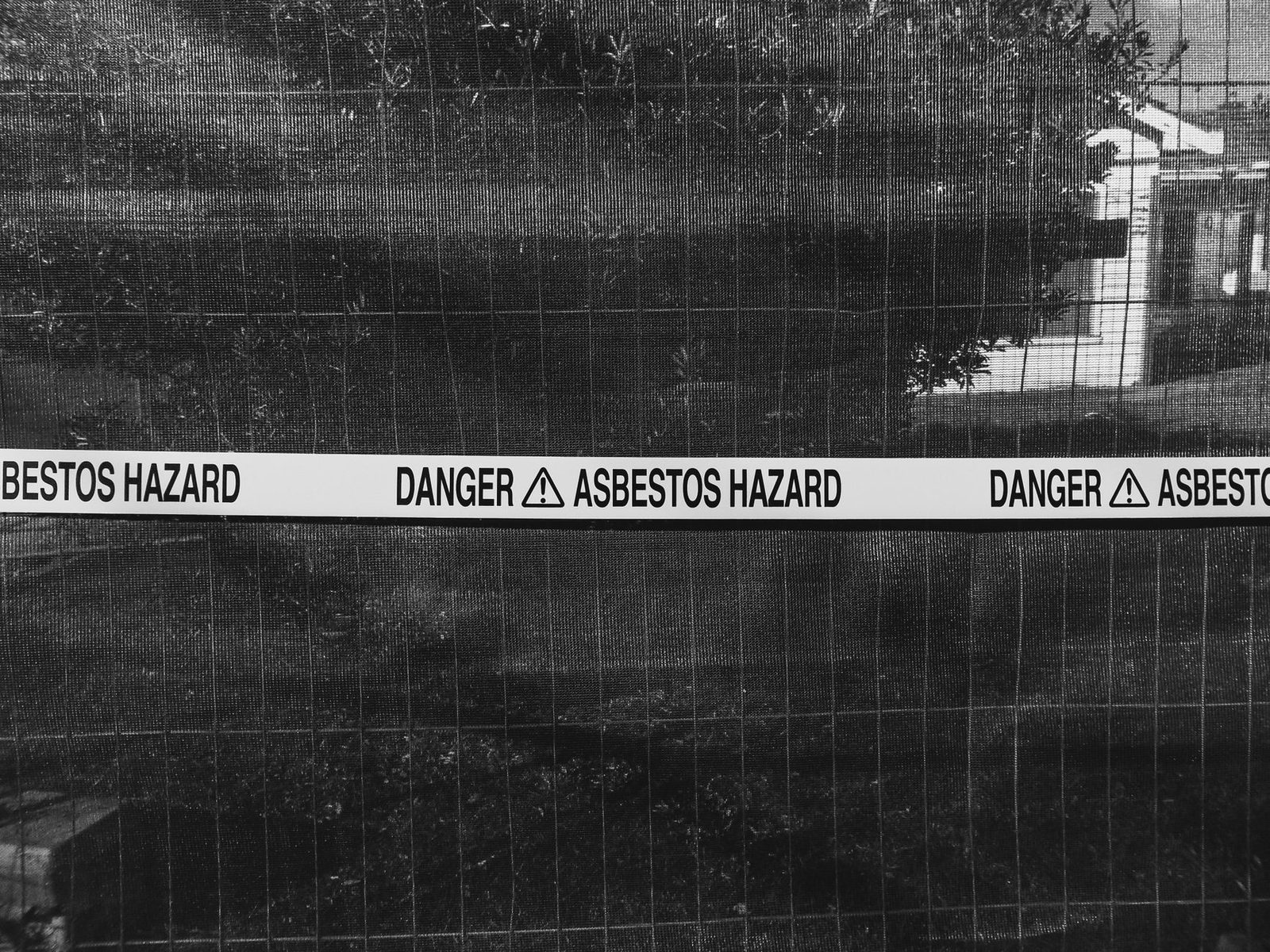
What Compensation for Asbestos Exposure Can Cover
A claim can address money losses and personal losses. These losses can follow an asbestos illness. They can also follow a death linked to one.
Medical bills are often the first category. Lost income and pain and suffering can also be part of a claim.
When a person has died, family members may bring a wrongful death claim. The losses they faced can be part of that claim.
The type of illness shapes the claim. Mesothelioma is a rare asbestos-related cancer. It affects the thin membranes around the lungs, chest, or abdomen.
Asbestosis is a lung condition. Florida treats a condition without cancer differently from cancer (Fla. Stat. § 774.206).
Why the Amount of Compensation for Asbestos Exposure Varies
Claim values change from case to case. The value depends on the illness, the person’s work life, medical costs, and proof of exposure. No two claims look alike.
The type of asbestos matters too. Exposure details can affect how a claim is built. That is why the history needs a careful review.
Exposure history often sets a claim apart. Records show where and how exposure happened. These records include job sites, employers, products used, and years of work. Old pay stubs, union records, and military papers can help fill gaps.
Florida law shapes value as well. Florida law says punitive damages (extra money meant to punish a wrongdoer) may not be awarded in a civil action alleging an asbestos claim (Fla. Stat. § 774.207).
Collateral source payments are payments a person receives from other sources as a result of settlements or judgments based upon the same claim.
Other responsible parties and payment sources can change the picture, too.
Mesothelioma and Other Asbestos Diseases: Why Timing Matters
Mesothelioma often appears decades after exposure. Many families connect the dots years later.
Latency is the time between exposure and illness. The gap can be long. Records from many years ago can matter.
Because of that gap, a claim depends on where and how the person was exposed. Jobs, job sites, household contact, and military service each leave different records. Medical records matter too. Include the dates symptoms began and the date of diagnosis.
Florida law requires a prima facie showing of physical impairment for a nonmalignant asbestos claim (Fla. Stat. § 774.204). Prima facie means a basic showing that must be made first. Nonmalignant means not cancer.
Please follow your doctors’ care. Share your full work and exposure history with your medical team.
Asbestos Bankruptcy Trust Funds: A Separate Route to Payment
A trust fund is a payment route. It is created through a company’s bankruptcy. It is separate from a lawsuit.
Some companies that made or used asbestos products went through bankruptcy. A reorganization plan in bankruptcy can set up trusts that pay asbestos claims. A reorganization plan is a court-approved plan for a company to pay its debts.
Under the plan-injunction provisions of 11 U.S.C. § 524, an injunction that may accompany an order confirming a chapter 11 plan does not relieve a debtor of its obligation to comply with the terms of the plan of reorganization.
- Structured or periodic payments (payments made over time)
- Shared distributions
- Formulas called matrices, which set how payments are figured
Each trust has its own forms, requirements, and documents. Trust claims are typically filed apart from a lawsuit. Records that often matter include exposure details, employment history, and proof of diagnosis.
A person may be able to pursue a trust claim and a lawsuit.
Federal law provides disability compensation for a veteran disabled by personal injury or disease contracted in line of duty, or by aggravation of a preexisting injury or disease, during a period of war, if the veteran was discharged or released under conditions other than dishonorable, but no compensation is paid if the disability is a result of the veteran’s own willful misconduct or abuse of alcohol or drugs (38 U.S.C. § 1110).
Lawsuits Against Companies and Other Responsible Parties
A lawsuit asks a court to decide two things:
- Was a company or other party responsible for the exposure?
- Did that cause the harm?
Proof usually comes from medical records, work histories, and accounts of the job itself.
Some exposure cases involve construction trades, shipyards, industrial plants, or military service. Each setting raises its own questions about who was responsible.
Fault can be shared among several parties. How blame is divided can affect a claim.
If Medicare paid for treatment, a conditional payment may need to be repaid. A conditional payment is an amount Medicare advanced for care. Medicare’s secondary payer overview covers how Medicare coordinates with other payers after an injury.
Some asbestos matters may be handled together with, or referred to, another law firm. When that applies, we will tell you.
Not sure what your next step is?
Talk it through with our team — the first consultation is free, confidential, and carries no obligation.
Short-Term or Secondhand Exposure and Whether You Can Still Have a Claim
Short or secondhand exposure can still be part of a claim. The facts of how and where contact happened are what count.
A few months on a job site can leave a different history than many years of work. Both deserve a full review.
Household contact is another area where details matter. A family member who worked with asbestos may have brought exposure into the home. The timing and details of that contact help show the history.
Whether an illness links to a specific exposure is a medical question. Talk with your doctors about your health. Follow the care they recommend.
The legal side looks at the history of exposure and who was responsible. It does not look at a guess about personal risk.
Florida law also separates these claims. Under Florida’s Asbestos and Silica Compensation Fairness Act (Chapter 774, Florida Statutes), a claim for a nonmalignant asbestos condition is a distinct cause of action, meaning a separate legal claim, apart from any claim for an asbestos-related cancer. Every injury claim rests on a legal theory. A lawyer can explain which theories may fit a particular situation.
How Long an Asbestos Claim Takes and Florida Deadlines
Asbestos claims can take a long time. Florida deadlines can be strict.
The timeline depends on three things:
- The illness
- The parties involved
- Whether a trust claim, a lawsuit, or both are pursued
No one can promise a timeline or a payment date.
Florida’s asbestos and silica law applies its discovery rule only to claims that were not barred as of the act’s effective date. For those claims, the limitations period does not begin to run until the exposed person discovers, or through reasonable diligence should have discovered, that he or she is physically impaired by an asbestos-related or silica-related condition (Fla. Stat. § 774.206).
Deadlines apply to these claims. Contact the firm promptly. We can review which deadlines may apply to your situation.
Documents to Gather and What to Expect from a Consultation
Records help most when they show the illness and the exposure. Useful items include:
- Medical records and diagnosis reports
- Work histories and employer names
- Job site details
- Union or military records
- Notes on household exposure
Keep copies of everything, even items that seem minor.
Our initial consultation is free, confidential, and without obligation to continue. CHG charges no attorney’s fees and no case costs unless there is a recovery.
Igor Hernandez, one of the firm’s lawyers, is responsible for this page.
How much can I claim for asbestosis?
There is no set amount for asbestosis. To bring a claim for a nonmalignant asbestos condition such as asbestosis, Florida’s Asbestos and Silica Compensation Fairness Act (Chapter 774, Florida Statutes) requires a basic showing of physical impairment from a medical condition to which asbestos exposure was a substantial contributing factor.
Can I sue if I was exposed to asbestos?
You may have a claim. Timing and proof often matter in an injury claim. Talking with a lawyer early can help you understand your options.
How long does an asbestos claim take?
There is no fixed timeline, and no one can promise one. Trust claims, lawsuits, and any Medicare repayment each add their own steps.
Talk With Our Team About Your Family’s Situation
Researching this for a parent, spouse, or friend can feel heavy. You may be reading late at night. You may be trying to make sense of a diagnosis. Or you may be facing a loss that never seemed tied to old work or home life.
If your family is facing mesothelioma, or a loss that may trace back to an old job site or household exposure, you don’t have to sort through the options alone. Contact our team to talk through the exposure history and the routes that may be open.
What We Look at When Reviewing an Asbestos Exposure Case
Work and Exposure History
We review where and when the person worked, what materials were present, and how the exposure happened.
Medical Records
Diagnosis records and treatment history help show the connection between past exposure and the illness.
Household and Secondary Exposure
Exposure can also happen at home, such as through work clothing brought into a household. We ask about these details too.
Trust Claims and Lawsuits
Some companies have asbestos bankruptcy trusts that may pay claims outside of a lawsuit. We explain how each path could apply to your family.
Common Sources of Asbestos Exposure
Workplace Exposure
Construction, shipyards, power plants, and industrial work have historically involved asbestos-containing materials.
Military Service
Veterans may have been exposed through ships, barracks, or equipment that used asbestos materials.
Household Exposure
Family members who washed work clothing or lived near a worksite may have been exposed without ever entering the job site.
Time Matters
Deadlines apply to asbestos-related claims, and they can be strict. Do not wait to talk with a lawyer about your options. Contact the firm promptly so your family's situation can be reviewed.