

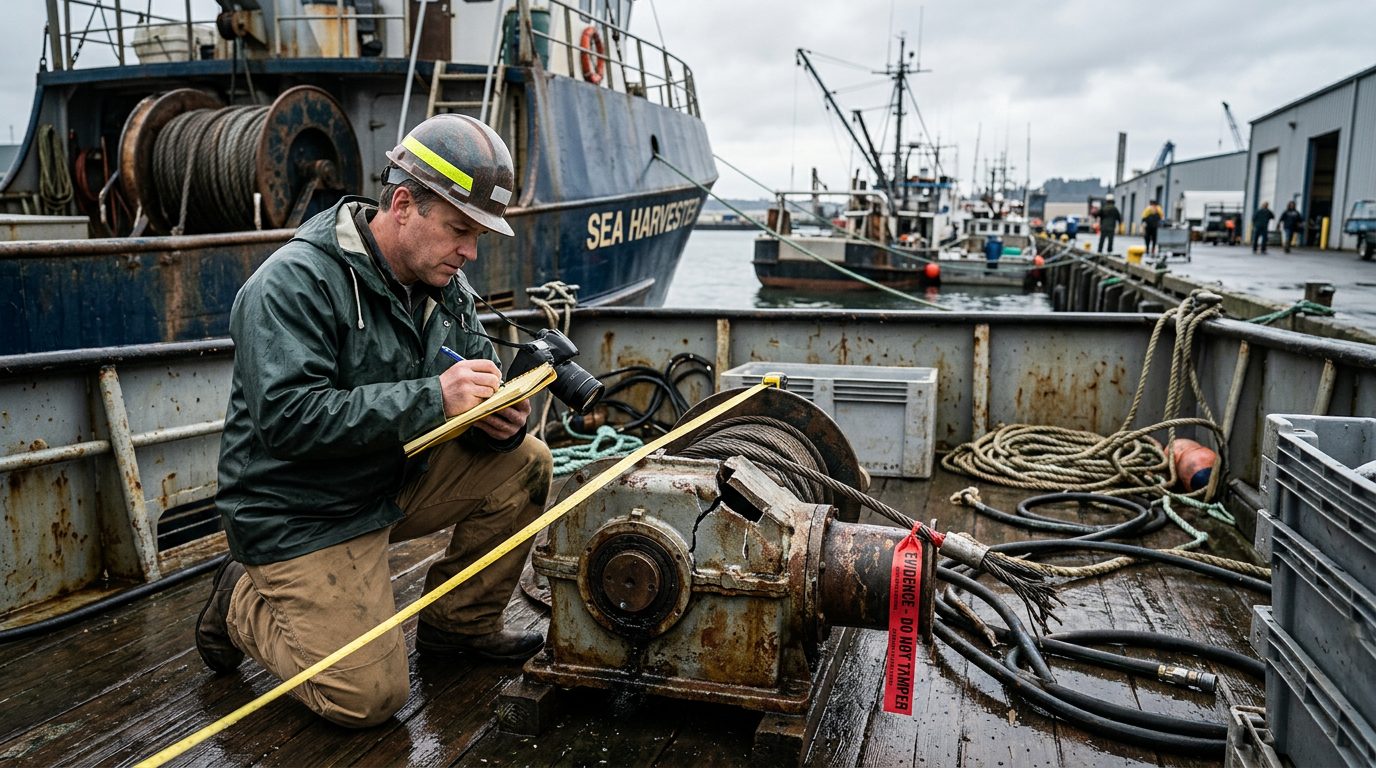
Maritime & Water Injuries
Catastrophic Water Injuries: Maritime Claims for Permanent Harm
When a boating accident, drowning, or maritime workplace injury leaves you or a loved one permanently changed, federal maritime law may provide a path to recovery. We focus exclusively on catastrophic maritime cases nationwide.
By CHG Lawyers · Published September 02, 2026
Maritime Claims for Catastrophic Water Injuries
You were on a boat, jet ski, or offshore platform when the accident happened. A propeller struck you. A collision threw you overboard. Equipment failed. Now you’re facing permanent paralysis, amputation, brain damage, or the loss of a loved one—plus mounting medical bills, lost income, and an uncertain future.
What you may not know: your legal rights are fundamentally different from a car crash or slip-and-fall case. If your injury happened on navigable water, federal maritime law—not state personal injury law—governs your claim. This distinction can mean the difference between full compensation and walking away with nothing.
This guide explains what maritime claims are, who can file them, what types of claims exist, and why catastrophic water-based injuries often qualify for federal maritime protection. Maritime law has strict deadlines and complex rules. Early legal consultation is essential.

Not sure what your next step is?
Talk it through with our team — the first consultation is free, confidential, and carries no obligation.
What Is a Maritime Claim?
A maritime claim is a lawsuit for injury or death from an accident on navigable water. Federal maritime law—not state personal injury law—governs it.
Why does this matter?
Federal maritime law exists because water presents unique risks that state law doesn’t adequately address. Congress recognized that workers, passengers, and others on vessels need specialized legal protections. The result is a federal legal framework with different liability rules, different types of damages, different deadlines, and sometimes a different burden of proof than state law.
Where does maritime law apply?
On the ocean, navigable rivers, lakes, bays, and other bodies of water—whenever a vessel or maritime activity is involved. This includes commercial ships, fishing boats, cruise ships, offshore oil platforms, recreational boats, jet skis, swimmers, and divers in navigable waters.
Who can bring a maritime claim?
Crew members (seamen), passengers, recreational boaters, offshore workers, jet ski riders, swimmers, divers, and families of those killed in maritime accidents.
Types of Maritime Claims for Catastrophic Injuries
Federal maritime law recognizes several distinct claim types. Understanding which applies to your situation is essential.
Jones Act Claims
Who qualifies as a seaman?
Someone whose work is maritime in nature and who has a sufficient connection to the vessel—not a casual or temporary worker. A commercial fisherman, tugboat deckhand, or offshore platform worker would qualify. A passenger would not.
If you’re a seaman and your employer’s negligence caused your injury, you have a Jones Act claim. Unlike many state workers’ compensation systems, Jones Act claims allow you to sue your employer directly and recover full damages, including pain and suffering.
Maintenance and Cure Claims
Maintenance and cure is an employer’s strict legal duty. It requires the employer to provide medical care and living expenses for injured seamen—regardless of whether the employer was at fault.
Even if the injury was entirely your own fault, your employer must pay for your medical treatment and reasonable living expenses while you recover. Fault doesn’t matter. The employer’s only defense is that the injury was not work-related.
For catastrophic injuries requiring long-term rehabilitation and care, maintenance and cure can provide critical financial support during recovery.
Unseaworthiness Claims
An unseaworthiness claim holds a vessel owner strictly liable if the vessel or its equipment is unfit for its intended use. If the vessel was poorly maintained, had defective equipment, or was inherently unsafe, the owner is liable—regardless of fault.
Why is this powerful?
You don’t have to prove the owner was negligent. You only have to show the vessel was unfit. A defective engine, non-functional life jacket, broken railing, or inadequate maintenance all constitute unseaworthiness. This is one of the most favorable claims in maritime law for injured parties.
General Maritime Negligence Claims
Non-seamen (passengers, bystanders, recreational boaters) injured by negligent conduct on the water can pursue negligence claims under general maritime law. You must prove that someone owed you a duty of care, breached that duty, and caused your injury.
A jet ski rental company that fails to maintain equipment, a boat operator who speeds recklessly, or a cruise line that ignores safety procedures can all be held liable under general maritime negligence.
Wrongful Death Claims
Wrongful death represents the most catastrophic outcome—the permanent loss of a loved one. Maritime law recognizes the profound harm to surviving family members and allows recovery for their losses.
Third-Party Liability Claims
You may also have claims against manufacturers (if a defective engine or safety equipment caused the injury), rental companies (if poor maintenance or negligent rental practices contributed), or other parties whose negligence caused the accident.
Maritime Claims vs. Personal Injury Claims: Key Differences
Understanding how maritime law differs from state personal injury law is crucial to protecting your rights.
Governing Law and Jurisdiction
Maritime claims are governed by federal maritime law, not state law. Federal courts often have jurisdiction, and federal maritime precedent—not state law—controls the outcome. Federal maritime law is more developed and often more favorable to injured parties than state personal injury law.
Damages Available
Maritime law allows recovery for pain and suffering, lost earning capacity, and future medical care—often broader than state law. In many states, personal injury damages are capped or limited; maritime law typically imposes no such caps. For catastrophic injuries like spinal cord injuries, paralysis, traumatic brain injuries, or amputations, this difference can mean hundreds of thousands of dollars in additional compensation.
Statute of Limitations
Most maritime negligence claims must be filed within three years of the injury. This is the federal maritime statute of limitations. Wrongful death maritime claims also typically have a three-year deadline from the date of death. Missing this deadline means losing the right to sue—permanently. This is stricter than many state personal injury deadlines.
Liability Standards
Different maritime claims have different liability standards:
- Jones Act claims require proof of negligence.
- Unseaworthiness claims are strict liability—you don’t have to prove negligence; you only have to show the vessel was unfit.
- Maintenance and cure is automatic for seamen, regardless of fault.
Understanding which standard applies to your case is essential.
Venue and Forum
Maritime claims can be filed in federal court or state court, depending on circumstances. Federal courts have admiralty jurisdiction over maritime cases, but state courts can also hear maritime claims in many situations. Your attorney will determine the best forum for your case.
Catastrophic Injuries in Maritime Accidents
Maritime accidents frequently result in life-altering, permanent injuries.
Spinal Cord Injuries and Paralysis
Collisions, propeller strikes, falls overboard, and crush injuries on vessels commonly cause spinal cord damage. According to the Christopher & Dana Reeve Foundation, over 5.4 million Americans live with paralysis. A spinal cord injury from a maritime accident can result in paraplegia (paralysis of the lower body) or quadriplegia (paralysis of all four limbs). These injuries are permanent and require lifelong medical care, assistive devices, home modifications, and personal care assistance. Lifetime care costs for spinal cord injury can exceed $1 million.
Traumatic Brain Injuries
Impact with the vessel, equipment, or water can cause traumatic brain injury (TBI). TBIs range from mild concussions to severe brain damage resulting in cognitive impairment, memory loss, behavioral changes, and loss of consciousness. Even moderate TBIs can be permanently disabling and affect a person’s ability to work, live independently, and maintain relationships.
Amputation and Limb Loss
Propeller strikes are a leading cause of amputation in maritime accidents. A spinning propeller can sever fingers, hands, arms, legs, and feet in seconds. Machinery entanglement and severe crush injuries also cause amputations. Amputation is permanent and profoundly affects a person’s ability to work, care for themselves, and enjoy life. Prosthetic devices, ongoing medical care, and home modifications are lifelong necessities.
Severe Burn Injuries
Fires, explosions, and contact with hot surfaces on vessels or offshore platforms cause severe burns. Severe burns often require multiple surgeries, skin grafts, and long-term wound care. Burn survivors frequently suffer permanent scarring, loss of function, and psychological trauma.
Drowning and Near-Drowning
Drowning and near-drowning can cause permanent brain damage from oxygen deprivation, organ failure, or death. Many near-drowning survivors live with severe cognitive and physical disabilities. According to the CDC, fatal unintentional drowning rates in the U.S. are approximately 3.5 per 100,000 population annually. Maritime accidents account for a significant portion of these tragedies.
Catastrophic Back and Neck Injuries
Falls, collisions, and improper equipment use cause severe back and neck injuries. While some back injuries are minor, catastrophic back and neck injuries can result in permanent nerve damage, loss of function, and chronic pain requiring lifelong management.
Common Causes of Catastrophic Maritime Accidents
Understanding what causes maritime accidents helps identify who may be liable.
Operator Negligence
Speeding, reckless operation, operating under the influence, and failure to follow navigation rules cause many maritime accidents. An operator who ignores safety protocols or operates carelessly is liable for injuries resulting from that negligence.
Vessel Defects and Poor Maintenance
Mechanical failure, poor maintenance, and design flaws make vessels unseaworthy. A vessel owner who fails to maintain the vessel or repair known defects is liable under unseaworthiness law.
Inadequate Safety Equipment
Missing, non-functional, or poorly maintained life jackets, life rafts, fire extinguishers, communication devices, and other safety equipment put passengers and crew at risk. Vessel owners are responsible for providing and maintaining adequate safety equipment.
Propeller Strikes
Propeller strikes injure swimmers, divers, and people in the water. These injuries are often catastrophic—amputations, severe lacerations, and death are common. Operators must maintain a proper lookout and operate at safe speeds in areas where people may be in the water.
Collisions
Collisions with other vessels or fixed objects often result from operator error, poor visibility, or failure to maintain a proper lookout. Operators must follow navigation rules and maintain safe speeds.
Offshore Platform Accidents
Falls, explosions, equipment failures, and other hazards on oil rigs and maritime platforms cause serious injuries. Employers and platform operators must maintain safe working conditions and provide adequate training and safety equipment.
Cruise Ship and Ferry Accidents
Overcrowding, inadequate safety procedures, poor maintenance, and operator error cause cruise ship and ferry accidents. Cruise lines have a duty to maintain safe vessels and procedures.
Rental Boat and Jet Ski Accidents
Inadequate instruction, poor maintenance, operator inexperience, and rental company negligence cause rental boat and jet ski injuries. Rental companies must maintain their equipment and provide adequate safety instruction.
Have questions about what happened?
Ask our team directly. The first conversation is free, confidential, and there is no obligation to continue.
Who Is Liable in a Maritime Accident?
Identifying liable parties is essential to pursuing a successful maritime claim.
Vessel Owner
The vessel owner is responsible for maintaining a seaworthy vessel and ensuring safe operation. If the vessel was poorly maintained or had defective equipment, the owner is liable under unseaworthiness law.
Vessel Operator
The operator is liable for negligent operation, reckless conduct, or violation of maritime rules. An operator who speeds, operates under the influence, or fails to maintain a proper lookout is liable for resulting injuries.
Employer (for Seamen)
An employer is liable under the Jones Act for negligence and is responsible for maintenance and cure benefits. If an employer fails to provide safe working conditions or safe equipment, the employer is liable.
Manufacturer
A manufacturer is liable if a defective product—an engine, safety equipment, or vessel design—caused the injury.
Rental Company
A rental company is liable for inadequate maintenance, failure to warn of hazards, or negligent rental practices.
Third Parties
Other vessel operators, port authorities, contractors, and other parties whose negligence contributed to the accident may also be liable. Many maritime accidents involve multiple defendants, and comparative negligence rules may apply to reduce damages if you were partially at fault.
Statute of Limitations: Your Deadline
The statute of limitations is the deadline for filing a lawsuit. Missing the deadline means losing the right to sue—permanently.
Most maritime negligence claims must be filed within three years of the injury. Jones Act claims are also subject to a three-year statute of limitations. Wrongful death maritime claims typically have a three-year deadline from the date of death.
In some cases, the clock may start when the injury is discovered, not when the accident occurred (the “discovery rule”). However, don’t rely on this exception—consult an attorney immediately after your injury to ensure you don’t miss the deadline.
Damages and Compensation in Maritime Claims
Maritime law allows recovery for a broad range of damages, often more generous than state personal injury law.
Medical Expenses
Past and future medical treatment, rehabilitation, assistive devices, home modifications, and ongoing care are all recoverable. For catastrophic injuries like spinal cord injuries or amputations, lifetime medical costs can be substantial.
Lost Wages and Earning Capacity
Income lost due to the injury is recoverable, including lost earning capacity over your lifetime. If the injury prevents you from working, you can recover the income you would have earned had the injury not occurred.
Pain and Suffering
Compensation for physical pain, emotional distress, and loss of enjoyment of life is available. Maritime law recognizes that catastrophic injuries cause profound suffering beyond mere financial loss.
Maintenance and Cure
For injured seamen, the employer must pay for medical care and reasonable living expenses during recovery, regardless of fault.
Wrongful Death Damages
Families of those killed in maritime accidents can recover loss of companionship, lost financial support, funeral expenses, and the deceased’s pain and suffering.
The amount of compensation depends on the severity of the injury, the age and earning potential of the injured person, the degree of fault, and other factors.
Why Maritime Claims Require Specialized Legal Guidance
Maritime law is complex and distinct from state personal injury law. Multiple claim types exist—Jones Act, negligence, maintenance and cure, unseaworthiness—each with different elements and strategies.
Strict deadlines apply; missing the statute of limitations means losing the right to sue. Catastrophic injuries often result in significant damages; proper representation is essential to maximize compensation.
Maritime accidents require specialized investigation, expert witnesses, and technical knowledge. Insurance and liability limits in maritime law are unique. Settlement and litigation in maritime cases demand experience and familiarity with federal maritime precedent.

Want to know where you stand?
Tell us what happened and our team will walk you through the options available to you, at no cost.
Frequently Asked Questions
What is the difference between a maritime claim and a personal injury claim?
Maritime claims are governed by federal maritime law and apply to injuries on navigable water. Personal injury claims follow state law. Maritime law often allows broader damages, has different deadlines, and includes unique claim types like Jones Act and unseaworthiness claims.
Who can file a Jones Act claim?
Seamen—workers whose work is maritime in nature and who have a sufficient connection to the vessel—can file Jones Act claims for negligence by the vessel owner or crew.
What is maintenance and cure?
Maintenance and cure is an employer’s duty to provide medical care and living expenses for injured seamen, regardless of fault. It’s a strict liability benefit.
How long do I have to file a maritime injury claim?
Most maritime negligence claims must be filed within three years of the injury. Wrongful death claims have a three-year deadline from the date of death. Don’t delay—consult an attorney immediately.
What should I do immediately after a maritime accident?
Seek medical attention. Report the accident to the Coast Guard or vessel owner. Preserve evidence (photos, video, witness statements). Avoid signing documents without legal advice. Gather witness information. Consult an attorney as soon as possible.
If you or someone you care about suffered a serious injury on the water—whether from a boating accident, jet ski collision, propeller strike, or offshore incident—you may have a maritime claim against a negligent operator or vessel owner. The rules are complex, the deadlines are strict, and the stakes are high. Contact us for a free case evaluation to discuss your situation and learn what rights and options you have under federal maritime law.
Why Maritime Claims Demand Focused Legal Guidance
Federal Maritime Law Is Different
Maritime injuries are governed by federal law, not state personal injury law. The rules, deadlines, and available damages are distinct. You need representation that understands this unique legal framework.
Broader Damages Available
Maritime law often allows recovery for pain and suffering, lost wages, and other damages that may not be available in ordinary state-law claims. Understanding what you can recover is critical.
Specialized Medical Evidence Matters
Catastrophic water injuries—spinal cord damage, traumatic brain injury, amputation, severe burns, or drowning—require expert medical testimony. We work with specialists to build the evidence you need.
Time-Sensitive Filing Rules
Maritime claims have strict deadlines. Waiting too long can bar your claim entirely. Early action protects your rights and preserves evidence.
Types of Maritime Claims We Handle
Jones Act Claims
If you are a seaman injured due to negligence aboard a vessel, a Jones Act claim may allow you to sue your employer directly—something not possible in most employment contexts.
Unseaworthiness Claims
Vessel owners have a duty to maintain a seaworthy ship. Defective equipment, poor maintenance, or unsafe conditions that cause catastrophic injury may give rise to an unseaworthiness claim.
Negligence & Third-Party Liability
If a third party—a charter company, dock operator, or another vessel—caused your injury through negligence, you may have a claim for damages.
Wrongful Death at Sea
When a maritime accident results in death, surviving family members may pursue a wrongful death claim under federal maritime law.
Do Not Delay
Maritime claims are subject to strict time limits under federal law. If you or a loved one has suffered a catastrophic water injury, contact us immediately to protect your rights and preserve critical evidence.
Catastrophic Water Injuries We Represent
Spinal Cord Injuries & Paralysis
Boating collisions, diving accidents, and maritime workplace incidents can cause permanent spinal cord damage. Paraplegia and quadriplegia demand lifetime care and recovery planning.
Traumatic Brain Injury
Head trauma from boat crashes, falls overboard, or collisions can result in permanent cognitive and physical impairment. These injuries reshape lives and require comprehensive damages.
Amputation & Limb Loss
Maritime accidents involving machinery, propellers, or crush injuries can result in permanent amputation. We pursue claims that reflect the full scope of your loss.
Severe Burns & Drowning
Fire, explosions, and near-drowning incidents on vessels or in navigable waters can cause catastrophic, life-altering harm. We represent survivors and the families of those lost.