


Catastrophic Injury Resources
Cauda Equina Syndrome: The Surgery That Races Against the Clock
Cauda equina is a medical emergency. When the nerves at the base of the spine are compressed, permanent paralysis, loss of bladder control, and lasting impairment can follow. Here is how doctors treat it — and why timing changes everything.
By CHG Lawyers · Published August 11, 2026
What Is the Treatment for Cauda Equina?
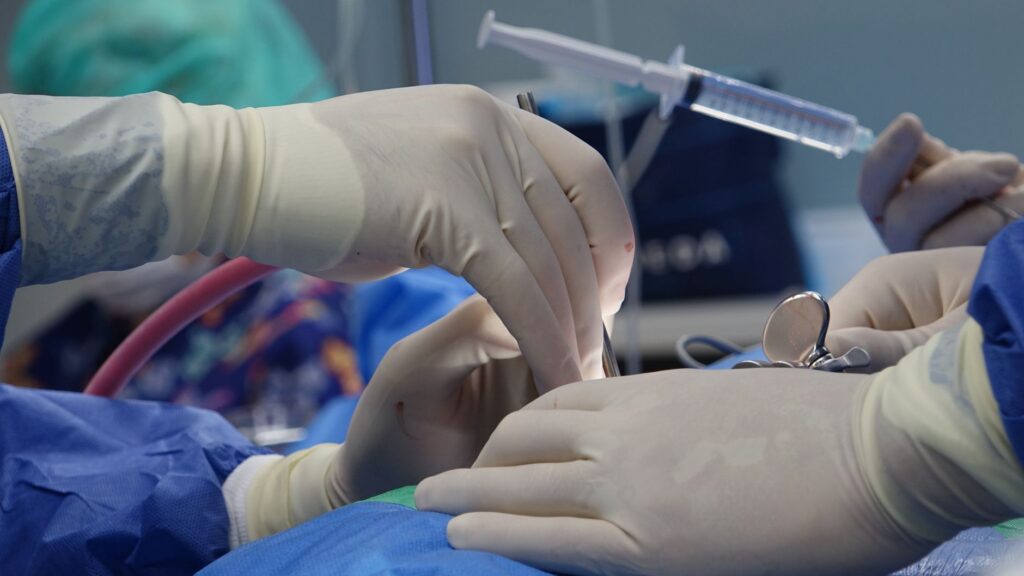
What is the treatment for cauda equina? The main treatment for cauda equina syndrome is urgent surgery. This surgery takes pressure off the squeezed nerves at the base of the spine. Doctors call this decompression. It is an emergency because delay can turn short-term symptoms into permanent paralysis. It can also cause lasting loss of bladder, bowel, and sexual function.
Seek emergency care now. This page is educational. It is not medical advice. Do you or a loved one have sudden trouble urinating? Or numbness in the groin or inner thighs? Or new weakness in both legs? Call 911 or go to the nearest emergency room right away. With cauda equina syndrome, a few hours can decide whether the damage can be reversed.
We wrote this for patients and families, not for doctors. You do not need medical training to follow it. When we state a fact, we point you to the source so you can check it yourself.
Not sure what your next step is?
Talk it through with our team — the first consultation is free, confidential, and carries no obligation.
Quick Answer: Why Surgery Is the Answer
Cauda equina syndrome (CES) is a true emergency. The affected nerves control functions you cannot easily live without. These include leg movement, bladder and bowel control, and sexual function. When something crowds those nerves, the signals stop getting through. The longer the pressure lasts, the more likely the loss becomes permanent.
Medicine can support the process. For example, steroids can reduce swelling. But medicine does not relieve the physical pressure. Only surgery does that. This is why an emergency room that spots CES does not wait until the next morning.
What Is Cauda Equina Syndrome, in Plain Terms?
The spinal cord does not run the full length of your back. Near the bottom of the spine, it ends. There it splits into a bundle of nerve roots that fan out like a horse’s tail. That is exactly what the Latin cauda equina means. These nerves carry the signals that let you move and feel your legs. They also let you empty your bladder and bowel and have normal sexual function.
Cauda equina syndrome happens when that bundle gets squeezed. Common causes include:
- A massive herniated disc that bulges backward into the nerve space
- Spinal trauma from a serious accident, such as a high-speed or truck crash
- A tumor or infection pressing on the nerve roots
- Bleeding or swelling as a complication after spinal surgery
The Mayo Clinic notes that injury to the spinal cord and its nerves can cause loss of function below the level of the injury. This includes control of the bladder and bowel. With CES, that loss can set in quickly.
What Are the Red-Flag Signs of Cauda Equina?
Three warning signs matter most. Any one of them is a reason to go to the emergency room now. Do not “sleep on it.”
- Bladder or bowel changes. You suddenly can’t urinate, you leak without feeling it, or you lose bowel control. Doctors treat new trouble urinating as an especially serious signal.
- Saddle numbness (saddle anesthesia). This is numbness in the areas that would touch a saddle — the groin, inner thighs, and buttocks. Some people first notice it while wiping after using the toilet.
- Severe weakness or numbness in the legs. This is often in both legs. Sometimes it feels like your legs won’t hold you.
These are not “wait and see” symptoms. New or worsening signs are the most urgent. Getting to an ER quickly can protect the nerves before harm becomes permanent.
How Is Cauda Equina Diagnosed Before Treatment?
Diagnosis starts with a focused physical exam, then imaging. A doctor checks your reflexes, sensation, and muscle strength. Importantly, they check whether the muscles around the rectum still work. They are looking for the red flags above.
The key test is an MRI. It shows exactly where and how badly the nerves are compressed. Sometimes an MRI cannot be done quickly. For example, some patients have certain implants. In that case, doctors may use a CT myelogram. This is a CT scan done after contrast dye is injected around the nerves.
Our attorneys review catastrophic-injury cases. The outcome often comes down to one question: how fast did the hospital order the right scan? A prompt MRI can be the difference between an injury you recover from and one that lasts.
What Is the First-Line Treatment for Cauda Equina?
The first-line treatment for cauda equina is emergency surgical decompression. This means physically removing whatever is crowding the nerves. Depending on the cause, that usually means one of these:
- A laminectomy removes part of a vertebra (the lamina) to open up space around the nerve roots.
- A discectomy removes the part of a herniated disc that is pressing on the nerves.
Surgeons may combine both. They may also give corticosteroids to control swelling. But steroids and pain medicine work around the surgery. They do not replace it. Decompression is what actually lifts the pressure off the nerves.
Have questions about what happened?
Ask our team directly. The first conversation is free, confidential, and there is no obligation to continue.
How Quickly Does Surgery Need to Happen?
The goal is to decompress as soon as it is safely possible. That means soon after symptoms or diagnosis. There is no magic deadline that guarantees a full recovery. Any source that promises one is not being honest. The medical literature shows the opposite: delay increases the risk of permanent problems.
It helps to picture what is happening. The compressed nerves are being pinched and starved of blood flow. Every extra hour under pressure can cause damage that may never fully heal. That is why hospitals treat CES as a same-day emergency, not a scheduled procedure.
What Does Recovery and Rehabilitation Involve?
Surgery is the start of recovery, not the end. In the hospital, the team manages pain and watches nerve function closely. They check whether leg strength and bladder or bowel control begin to return.
After you go home, rehabilitation often continues for months. It may include:
- Physical therapy to rebuild strength, balance, and walking
- Occupational therapy to relearn daily tasks like dressing and bathing
- Bladder and bowel management — such as catheter routines or bowel programs — when those functions were affected
- Pain management and mental-health support for the emotional weight of a sudden, life-altering injury
Recovery is rarely a straight line. Many people need a full team of specialists over time. Progress can stall and then start again.
Can You Walk After Cauda Equina Syndrome? How Long Do the Nerves Take to Heal?
Some people walk again after CES. Others do not. Many land somewhere in between. Outcomes depend a lot on how severe the compression was and how quickly it was relieved.
Nerve healing is slow. Improvement can continue over many months, sometimes a year or more. Some people regain most function. Others live with permanent leg weakness, numbness, or loss of bladder and bowel control.
Doctors describe how severe a nerve injury is using scales. One is the American Spinal Injury Association (ASIA) Impairment Scale. It grades how much movement and feeling remain. Knowing your ASIA grade can help you and your care team set realistic expectations.
No one can promise you a specific outcome, and we won’t. What is true is that fast, correct treatment gives the nerves their best chance. If paralysis becomes permanent, you can learn more on our paralysis and paraplegia/quadriplegia resource and our spinal cord injury page.
What Happens If Cauda Equina Is Not Treated?
Left untreated, the compressed nerves can be permanently damaged. That can mean lasting leg paralysis, chronic nerve pain, and permanent loss of bladder, bowel, and sexual function. Once the nerves are badly injured, surgery may no longer restore what was lost. This is the whole reason CES is treated as an emergency. The window to act can be short.
The life impact reaches far beyond mobility. The Christopher & Dana Reeve Foundation reports that nearly 1 in 50 people in the United States lives with some form of paralysis. For many, daily life requires long-term care, home changes, and assistive equipment. The National Spinal Cord Injury Statistical Center (NSCISC) tracks the lifetime costs of severe spinal injuries. These can run into the millions of dollars, depending on age and severity. That reality matters when a family is weighing what full recovery of costs looks like.
When a Delayed Diagnosis May Point to Medical Negligence
Outcomes depend heavily on speed. So a missed or delayed CES diagnosis can, in some cases, cause avoidable and permanent harm. When that happens, a patient or family may have grounds to look into a legal claim.
Delays can look like:
- An emergency room that noted clear red-flag symptoms but sent the patient home
- A clinician who waited to order an MRI despite new trouble urinating or saddle numbness
- A hospital that identified CES but did not arrange surgery promptly
Not every hard outcome is negligence. CES can cause permanent damage even with excellent, timely care. But sometimes a provider fails to act on obvious warning signs, and that failure causes lasting injury. That situation deserves a careful, honest review.
Every case is different. Only a licensed attorney can review the facts and tell you whether you may have a claim. You can read more on our medical negligence and catastrophic injury page and our catastrophic injury glossary.
Talk With CHG Personal Injury Lawyers
Did a delay in diagnosing or treating cauda equina leave you or a loved one with a permanent, life-altering injury? We’re here to listen. You can request a free case evaluation at any time.
Our firm focuses on catastrophic, life-altering injuries. We are based in Florida. Our attorneys are admitted to the Florida Bar, and we take cases nationwide. In Florida, most personal-injury claims must be filed within two years under Fla. Stat. §95.11. Fault can also be shared between parties under Fla. Stat. §768.81. Evidence and deadlines matter, so acting early helps protect your options.

Want to know where you stand?
Tell us what happened and our team will walk you through the options available to you, at no cost.
Frequently Asked Questions
What is the first-line treatment for cauda equina?
Emergency decompression surgery to take pressure off the squeezed nerves. Medicines like steroids can help with swelling, but they do not replace surgery.
What is CES surgery?
It is a decompression procedure — often a laminectomy or discectomy. It removes whatever is pressing on the cauda equina nerves, usually bone or disc material.
Can you walk if you have cauda equina syndrome?
Some people walk again after treatment. But outcomes vary widely. They depend on how severe the compression was and how quickly surgery happened.
How long do cauda equina nerves take to heal?
Recovery is slow. It can continue over months to a year or more. Some problems may be permanent.
What happens if cauda equina is not treated?
Untreated CES can cause permanent leg paralysis, chronic pain, and lasting loss of bladder, bowel, and sexual function.
How Cauda Equina Syndrome Is Treated
Emergency Decompression Surgery
The first-line treatment is surgery to take pressure off the squeezed nerves. Doctors generally aim to operate as quickly as possible, because delay can turn a treatable condition into permanent damage.
Laminectomy or Discectomy
CES surgery is a decompression procedure. A laminectomy removes bone to open space for the nerves; a discectomy removes disc material pressing on them. The goal is to relieve the compression at its source.
Medicines Support, They Don't Replace Surgery
Steroids and other medicines can help reduce swelling around the nerves, but they are not a substitute for surgical decompression when the cauda equina is compressed.
Rehabilitation and Long-Term Care
After surgery, recovery can involve physical therapy, bladder and bowel management, pain treatment, and long-term care. Some impairment may be permanent even with prompt treatment.
Every Hour Counts
Cauda equina syndrome is a true emergency. New weakness in the legs, numbness in the saddle area, or sudden loss of bladder or bowel control needs immediate emergency care. When a missed or delayed diagnosis leads to permanent harm, medical negligence may be involved — and a family may have the right to answers.
Common Questions About CES Treatment
What is the first-line treatment?
Emergency decompression surgery to relieve pressure on the compressed nerves. Medicines like steroids can ease swelling, but they do not replace surgery.
What is CES surgery?
A decompression procedure — often a laminectomy or discectomy — that removes whatever is pressing on the cauda equina nerves, such as a herniated disc, bone, or other material.
Why does timing matter so much?
The longer the nerves stay compressed, the greater the risk of permanent paralysis, incontinence, and loss of function. Prompt surgery gives the best chance of preserving function.
When could negligence be involved?
If a hospital or provider missed the warning signs, failed to order imaging, or delayed surgery — and permanent harm resulted — the injury may have been preventable. A lawyer can help review what happened.
Why Families Turn to CHG Personal Injury Lawyers
Focused on Catastrophic Injuries
We represent people facing life-altering harm — spinal cord injuries, paralysis, and catastrophic back and neck injuries, including those caused by medical negligence.
Licensed Florida Attorneys, Nationwide Reach
Our attorneys are admitted to the Florida Bar and serve clients across Florida — Miami, Orlando, Tampa, and Jacksonville — and take serious cases nationwide.
Bilingual, Plain-Language Guidance
We explain your options clearly in English and Spanish, so you understand what happened and what you can do next.
Free, No-Pressure Case Evaluation
Learn where you stand at no cost. We listen first, then help you understand whether a claim may be possible.
A Delayed Diagnosis Shouldn't Cost You Your Future. Talk With Us Today.
Related practice areas
- Tetraplegia
- Accidents That Cause Paralysis: Causes & FL Claims