


Caregiver Resources
How to Deal With a Paralysis Patient: A Caregiver Guide
Practical advice for supporting a loved one through recovery, adaptation, and life after paralysis.
By CHG Lawyers · Published September 06, 2026
Caring for a Paralysis Patient: Medical Care, Support, and Legal Rights
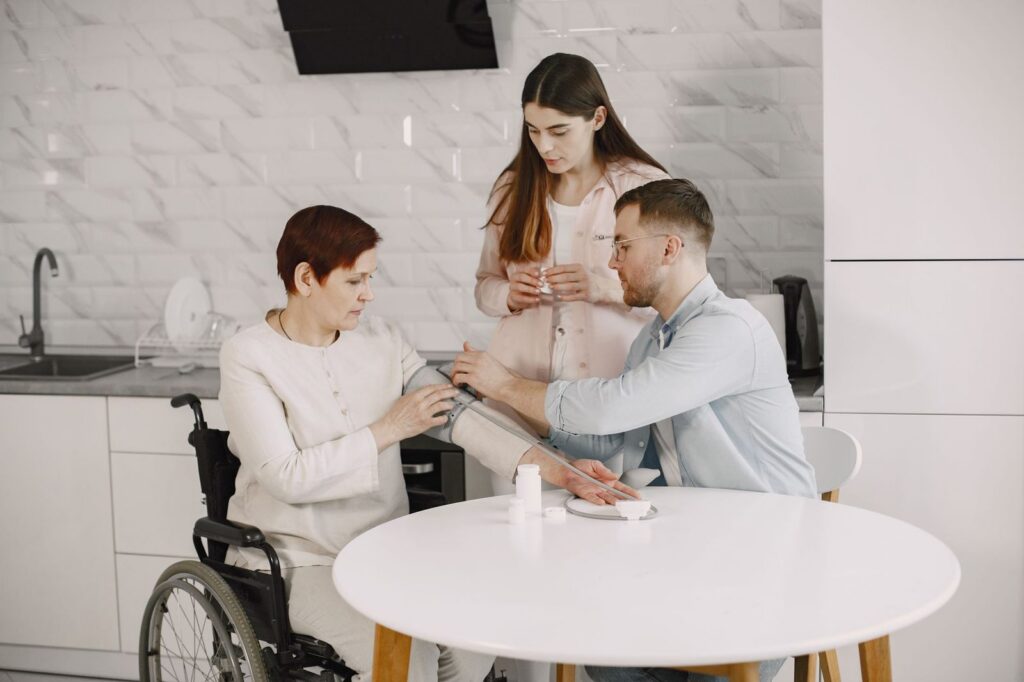
Caring for someone with paralysis is one of life’s most demanding journeys. You’re learning new physical skills. You’re managing complex medical needs. You’re navigating emotional upheaval. And if negligence or an accident caused the injury, you’re also trying to understand what legal protections exist for your family. This guide walks you through what to expect, how to support your loved one, and what steps protect your family’s future.
If you're facing this situation and wondering what comes next, we're here to listen and help you understand your options. Talk it through with our team — the first consultation is free, confidential, and carries no obligation.
What Paralysis Means—And What It Doesn’t
Paralysis is the loss of voluntary muscle control. Your loved one’s brain sends the signal to move, but the message doesn’t reach the muscles. This usually results from spinal cord injury, stroke, traumatic brain injury, or serious accidents.
Paralysis can be: – Partial (some movement remains) or complete (no voluntary movement below injury level) – Hemiplegia (one side of the body affected) – Paraplegia (lower body and legs paralyzed; arms and hands work normally) – Quadriplegia (all four limbs paralyzed; may affect breathing and sensation)
Here’s what matters most: your loved one is still the same person. Their mind, personality, sense of humor, and capacity for love remain unchanged. Paralysis changes what the body can do—not who they are.
According to the Christopher & Dana Reeve Foundation, approximately 5.4 million Americans live with paralysis. Adjustment takes time for both patient and caregivers. This isn’t linear—good days and hard days are both normal. Many people report that their sense of identity and purpose actually strengthens as they adapt.
Physical Care: What You Need to Know and Do
Work closely with your loved one’s rehabilitation team: doctors, physical therapists, occupational therapists, and nurses. They’ll teach you the specific care your loved one needs. Ask them to demonstrate techniques multiple times until you’re confident.
Learn proper transfer and positioning techniques. Helping someone move safely protects both of you from injury. Poor technique causes pain, skin breakdown, or falls—injuries that set back recovery. Ask the medical team to watch you perform transfers and give feedback. This is foundational.
Pressure ulcers (bedsores) are preventable but serious. According to Mayo Clinic, people with paralysis face heightened risk because they cannot shift their own weight. Regular repositioning, skin inspection, and proper support surfaces are essential.
Check skin daily for redness or breakdown over bony areas: tailbone, hips, heels, elbows, and shoulder blades. Change position every 2–3 hours. Use a pressure-relief mattress or cushion rated for your loved one’s weight. Pressure ulcers can become severe infections requiring hospitalization. Prevention is far easier than treatment.
Bowel and bladder management requires clear, written protocols. Your loved one may use a catheter, take medications, or follow a scheduled routine. Ask the medical team for written instructions specific to your loved one’s needs. Don’t rely on memory. Proper management prevents urinary tract infections, which can trigger serious complications, and preserves your loved one’s dignity and comfort.
Pain, spasticity (involuntary muscle tightness), and secondary complications are common and treatable. Report any changes to the healthcare provider immediately: new pain, increased stiffness, fever, difficulty breathing, or changes in sensation. Many issues have solutions: medications, injections, physical therapy adjustments, or other interventions. Don’t assume pain or stiffness is permanent.
Keep all medical appointments and stay informed about emerging treatments. Rehabilitation continues for years, and new therapies emerge regularly. Ask about clinical trials your loved one might qualify for. The National Spinal Cord Injury Statistical Center (NSCISC) tracks outcomes and emerging treatments. Your medical team can discuss what’s relevant to your loved one’s situation.
Emotional and Psychological Support—For Both of You
Depression, anxiety, and grief are normal responses to paralysis—for both your loved one and for you. These aren’t signs of weakness. They’re natural reactions to a life-altering event.
Encourage professional mental health support. Therapists experienced with spinal cord injury and catastrophic disability help with adjustment, coping strategies, and processing trauma. This matters as much as physical therapy. Ask your medical team for referrals to therapists who have worked with people with paralysis.
Listen without judgment. Allow your loved one to express anger, fear, and sadness. Don’t try to “fix” their feelings or rush them toward acceptance. Sometimes people need to grieve before they can move forward.
Celebrate small victories while staying realistic. Progress may be slow. A small gain in strength, a return to a hobby, or a day without pain is worth acknowledging.
Connect with peer support groups. Both your loved one and you need spaces where others understand. Support groups—in person or online—offer practical advice, emotional validation, and community. The Christopher & Dana Reeve Foundation and the National Spinal Cord Injury Association offer peer-led communities and resources.
Your own emotional health is essential. Caregiver burnout is documented and real. Seeking support for yourself is not selfish. It’s necessary. If you burn out, you can’t care for anyone. Respite care—temporary relief from caregiving—is not a luxury. It’s a necessity.
Home Modifications and Accessibility
Work with an occupational therapist to assess the home and identify necessary changes. Common modifications include: – Ramps and threshold removal – Grab bars in bathrooms and hallways – Accessible bathrooms (roll-in showers, lowered sinks, accessible toilets) – Widened doorways to accommodate wheelchairs – Accessible bedrooms and sleeping areas – Accessible kitchen layout and storage
Evaluate lighting, flooring, and climate control for comfort and safety. Funding for modifications may be available through insurance, Medicaid waiver programs, disability grants, or nonprofit organizations. Don’t assume you pay out of pocket. Ask about resources.
Not sure what your next step is?
Talk it through with our team — the first consultation is free, confidential, and carries no obligation.
Activities, Work, and Meaningful Life
Paralysis does not mean the end of meaningful activity, work, hobbies, or social engagement. Many people with paraplegia and quadriplegia participate in wheelchair sports—basketball, hand cycling, adaptive swimming, and competitive athletics. Employment is possible through workplace accommodations and assistive technology. Creative pursuits, education, travel, and social activities continue.
Encourage your loved one to explore what interests them. Work with rehabilitation specialists on adaptive techniques. Peer mentors—people living with paralysis—provide inspiration and practical advice on returning to activities and building a meaningful life.
Rehabilitation and Long-Term Recovery
Rehabilitation doesn’t end after the first few months. Recovery and adaptation continue for years. Physical therapy, occupational therapy, and specialized services maximize function and independence. Assistive technology—voice-controlled devices, advanced wheelchairs, robotic exoskeletons—continues to evolve and expand possibilities.
Research into neuroplasticity shows the nervous system can adapt and form new connections. Emerging therapies may offer new hope. Set realistic goals with the medical team and celebrate progress, however incremental.
Financial and Legal Considerations
Paralysis often brings substantial medical, rehabilitation, and ongoing care costs. If paralysis resulted from an accident, negligence, or wrongdoing—a truck crash, a fall due to unsafe property conditions, medical error, or violence on inadequately secured property—the injured person or their family may have a legal claim for compensation.
Compensation can cover: – Medical care and rehabilitation – Assistive equipment and home modifications – Lost wages and earning capacity – Cost of ongoing support and care – Pain and suffering
Time limits apply to filing claims. Under Florida Statute §95.11, a personal injury claim must generally be filed within 2 years of the date the cause of action accrues. Waiting beyond this deadline can permanently bar your right to compensation. If your loved one’s injury occurred in Florida or elsewhere, don’t delay in seeking legal guidance.
Florida law recognizes comparative fault (shared responsibility). Even if your loved one was partially at fault, they may still recover compensation. An attorney can evaluate the facts and advise you.
Many personal injury cases are handled on a contingency basis. You pay no upfront fees. The attorney is paid only if you recover compensation.
Building a Support Network
You cannot do this alone. Build a team of medical professionals, family, friends, and community resources. Respite care is essential for your own well-being and prevents burnout.
Nonprofit organizations focused on spinal cord injury, paralysis, and disability offer resources, support groups, and practical guidance. Online communities connect people with similar experiences across geography. These are invaluable sources of advice and encouragement. Don’t hesitate to ask for and accept help.

Have questions about what happened?
Ask our team directly. The first conversation is free, confidential, and there is no obligation to continue.
FAQ
Can someone with paralysis live independently?
Many people with paralysis live independently or semi-independently with assistive technology, home modifications, and support services. Independence looks different for everyone, but it is possible.
How long does rehabilitation take?
Rehabilitation is a lifelong process. The most significant gains often occur in the first 6–12 months, but adaptation and improvement continue for years.
What if I can’t afford care?
Disability benefits, Medicaid, Medicare, and nonprofit programs may help cover costs. A social worker or benefits counselor can help navigate these resources.
Is depression after paralysis normal?
Yes. Depression and anxiety are common and treatable. Professional mental health support and peer support groups are evidence-based interventions that improve adjustment.
What if paralysis was caused by someone else’s negligence?
You may have a legal claim for compensation. Time limits apply, so consult with a personal injury attorney as soon as possible to protect your rights.
Caring for someone with paralysis is a marathon, not a sprint. Your loved one’s life has changed, and so has yours. But paralysis does not define their future or your family’s possibilities. With proper medical care, emotional support, practical planning, and—if negligence caused the injury—legal guidance, you can build a meaningful life together.
If your loved one’s paralysis resulted from a truck crash, a violent attack on inadequately secured property, medical error, or another accident caused by someone else’s failure to act, you may have grounds for a legal claim. If you’re facing this situation and wondering what comes next, we’re here to listen and help you understand your options. Contact us for a free case evaluation—no obligation, no pressure.
What Caregivers Need to Know
Emotional Support Matters
Paralysis is life-altering for both the injured person and their family. Grief, anger, and adjustment are normal. Professional counseling and support groups can help everyone process the change together.
Learn the Medical Basics
Understanding your loved one's injury—whether it's paraplegia, quadriplegia, or another form of paralysis—helps you provide better care. Ask doctors and therapists to explain what to expect and how to recognize complications.
Rehabilitation Is Ongoing
Recovery doesn't end after the initial hospital stay. Physical therapy, occupational therapy, and adaptive training continue for months or years. Consistency and patience are key to maximizing independence.
Safety and Accessibility First
Home modifications—ramps, accessible bathrooms, grab bars, and accessible entrances—prevent falls and injuries. Work with occupational therapists to identify what your home needs.
Essential Caregiver Tasks
Daily Personal Care
Help with bathing, dressing, grooming, and toileting. Learn proper techniques to prevent skin breakdown and maintain dignity. Ask healthcare providers to demonstrate safe transfer methods.
Medical Management
Track medications, attend appointments, monitor for infections or pressure sores, and communicate with the medical team. Keep detailed records of symptoms and changes in condition.
Mobility and Therapy
Support physical and occupational therapy exercises at home. Help with wheelchair use, transfers, and adaptive equipment. Encourage participation in rehabilitation to build strength and independence.
Emotional and Social Connection
Prevent isolation by facilitating social activities, outings, and connections with friends and family. Listen without judgment and encourage your loved one to express their feelings.
Caregiver Burnout Is Real
Caring for someone with paralysis is demanding—physically and emotionally. Don't ignore your own health. Take breaks, seek respite care, join caregiver support groups, and ask for help. You cannot pour from an empty cup.
Common Questions Caregivers Ask
Can someone with paralysis live independently?
Many people with paralysis live independently or semi-independently with assistive technology, home modifications, and support services. Independence looks different for everyone, but it is possible with the right tools and training.
What assistive devices might help?
Wheelchairs, standing frames, grab bars, shower chairs, and adaptive utensils are common. Newer technology includes voice-controlled systems and robotic exoskeletons. An occupational therapist can recommend what fits your loved one's needs.
How do I prevent pressure sores?
Change positions frequently, keep skin clean and dry, use pressure-relief cushions, and inspect skin daily for redness or breakdown. Pressure sores are serious—prevention is far easier than treatment.
What financial resources are available?
Medicare, Medicaid, private insurance, and vocational rehabilitation programs may cover therapy, equipment, and home modifications. A social worker or case manager can help navigate these options and identify what your family qualifies for.
If the Injury Was Caused by Someone Else's Negligence
If your loved one's paralysis resulted from a truck crash, negligent security, medical negligence, or another accident caused by someone else's wrongdoing, you may have a legal claim. Compensation can help cover ongoing medical care, therapy, home modifications, lost income, and other costs of adapting to life after paralysis.