
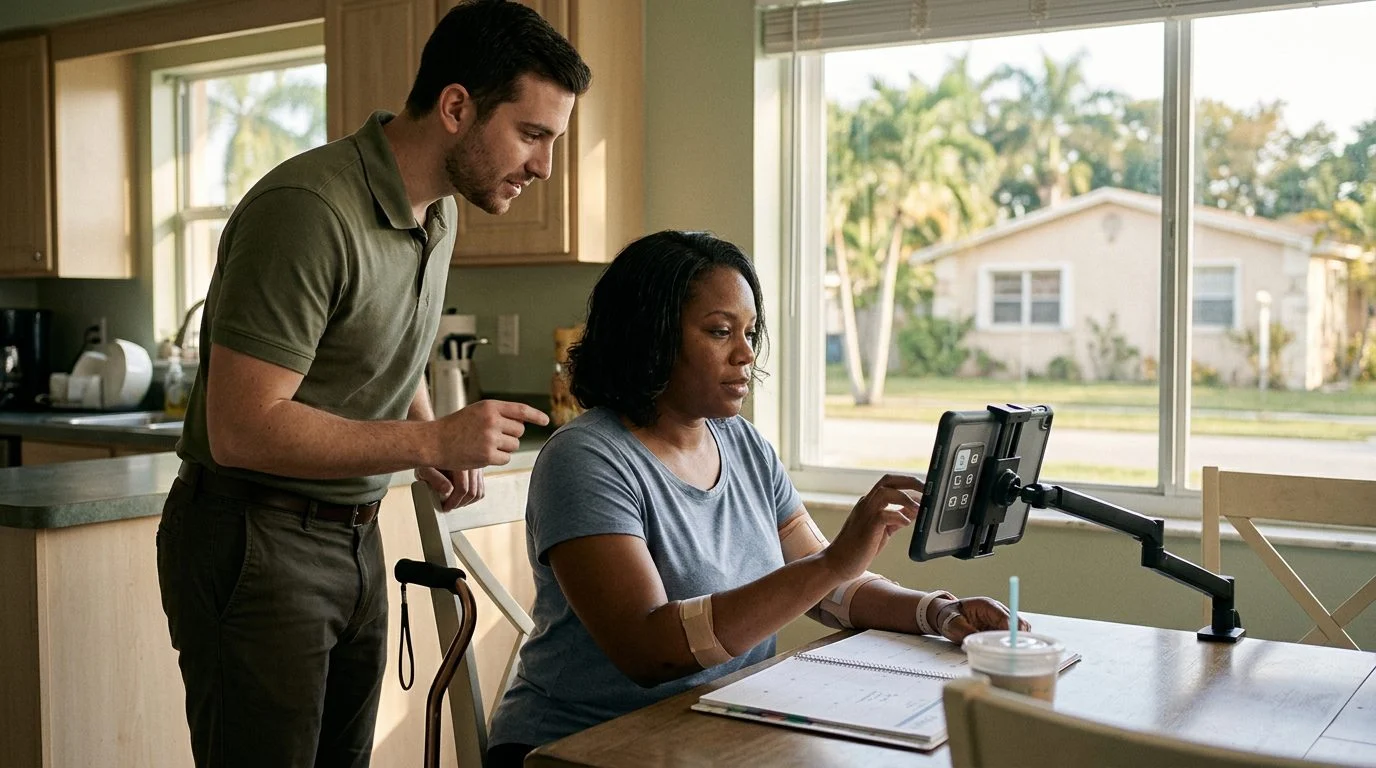
Brain Injury | Serving Florida
A Brain Injury Can Change Your Life in an Instant. Know Your Options.
Some symptoms surface days or weeks after the impact, and the questions that follow can feel overwhelming. Here is how a Florida brain injury claim typically takes shape.
By CHG Lawyers · Published November 26, 2026
Florida Brain Injury Lawyer: Options and Deadlines After a Head Injury
A blow to the head can change your life in a moment. The effects can keep unfolding for weeks or months. If you are looking for a Florida brain injury lawyer, you likely want to know what happens next. How Florida law applies depends on the facts of each case.
In short, a brain injury claim asks the person or business whose carelessness caused the harm to pay for it. Florida’s deadlines and fault rules shape every step. Learn them early.
Not sure what your next step is?
Talk it through with our team — the first consultation is free, confidential, and carries no obligation.

What a Brain Injury Can Mean for You and Your Family
A brain injury can change how you think, feel, sleep, and move. The changes may take time to show. Some people feel fine at first. They notice problems later.
Doctors use the term traumatic brain injury for injuries caused by a blow, jolt, or penetrating force to the head. A concussion is one type. More serious injuries can cause bruising or bleeding in the brain.
Families often notice:
- Memory lapses
- Trouble focusing
- Mood swings
- Poor sleep
- Headaches
- Unsteady balance
Symptoms can appear days or weeks after the event. They can also change from one day to the next.
Only your doctors can tell what is happening inside your head. Follow their care. Keep every follow-up visit, even when you feel better. Missed appointments can make it harder to show how the injury affects you.
A brain injury affects more than the patient. It can affect work, paychecks, friendships, and independence. It can shift daily care onto a spouse, parent, or adult child. That is why the claim matters.
How Florida Brain Injuries Happen
Brain injuries in Florida often happen in crashes, falls, and attacks. Each one can involve someone else’s carelessness.
Car, truck, motorcycle, bicycle, and pedestrian crashes are a common cause. Truck accidents often raise their own questions about who is responsible. That can include the driver, the trucking company, and the company that loaded the cargo.
Slip and falls can cause head injuries too. A wet floor or broken stair can lead to a hard fall.
Under Florida’s slip-and-fall statute, the injured person must show two things. This applies when a slip and fall happens on a transitory foreign substance in a business establishment. A transitory foreign substance is a temporary liquid or object on the floor, such as a spill.
- The business knew, or should have known, about the dangerous condition.
- The business should have taken action to fix it.
Some people are hit, shoved, or attacked on someone else’s property. This can happen at an apartment complex, a parking garage, a hotel, a bar, or a store. The attack can cause a serious head injury.
If the owner did not provide reasonable locks, gates, lighting, cameras, or guards, you may have a claim against that owner. Lawyers call this a negligent security claim. In plain terms, it means the owner failed to keep the property reasonably safe from attacks.
Under Florida premises liability law, a person lawfully on the property may sue the owner, lessor, operator, or manager of commercial or real property if a third party’s criminal act injured them. Premises liability means a property owner’s duty to keep people safe.
When a person lawfully on the property who was hurt by a third party’s criminal act brings a claim against the owner, lessor, operator, or manager of commercial or real property, Florida law requires the fault of everyone who contributed to the injury to be considered. In that action, a jury must consider the fault of all persons who contributed to the injury. That can include more than the attacker.
Rideshare trips, construction zones, and other crashes can also cause brain injuries. Each situation has its own facts.
Two Tracks of Recovery After a Car Crash
After a car crash, many families deal with two separate systems at once. Understanding both helps you see what may be available.
Track one: personal injury protection (PIP). Florida requires motor vehicle policies to provide personal injury protection benefits.
PIP is usually the first source of help for accident-related bills and lost wages. It is paid through insurance, not through a lawsuit.
Track two: a tort claim. A tort claim is a lawsuit against the at-fault driver for harm caused by carelessness. It can seek damages for pain, suffering, mental anguish, and inconvenience.
Under Florida’s motor vehicle tort statute, you can recover those damages only if your injury meets a threshold. The threshold includes:
- A significant and permanent loss of an important bodily function
- A permanent injury within a reasonable degree of medical probability, other than scarring or disfigurement
- Significant and permanent scarring or disfigurement
- Death
For many brain injury families, the medical records decide whether this second track is open. Records that document permanent limits matter. So do the doctors’ opinions about them. Ask your doctors to describe lasting effects in their own words. Keep copies of every record.
Who May Be Responsible and What a Claim May Cover
A claim usually targets whoever’s carelessness caused the injury. That could be a driver, a property owner, or a company. More than one party can share responsibility.
Florida uses comparative fault. This means each party pays its own share of blame. Under Florida’s comparative fault statute, a court enters judgment against each liable party. The judgment is based on that party’s percentage of fault.
There is a limit. A person found more than 50 percent at fault for their own harm may not recover any damages. This applies in a negligence action covered by this section. This bar does not apply to a personal injury or wrongful death action arising out of medical negligence under chapter 766.
Chapter 2023-15 states: “Except as otherwise expressly provided in this act, this act shall apply to causes of action filed after the effective date of this act.”
Damages cover the losses a brain injury causes. They fall into three main groups:
- Medical bills and rehabilitation
- Lost income and reduced ability to earn
- Pain and suffering
The Money Questions Families Ask
Families often ask how medical bills are handled while a claim is pending. Three rules matter most.
Letters of protection. Some providers treat patients and wait for payment from a future settlement or judgment. Florida calls this a letter of protection.
Florida’s medical expense evidence statute requires disclosure. To claim medical expenses for treatment given under a letter of protection, you must disclose a copy of that letter. Tell your lawyer about any such arrangement early.
Collateral sources. Collateral sources are payments from other sources, such as insurance or benefits. These payments can affect the final award.
Under Florida’s collateral sources statute, the court reduces an award by the amounts paid for your benefit, or otherwise available to you, from collateral sources, but that reduction is offset by any amount you or your immediate family paid, contributed or forfeited to secure your right to those benefits. Benefits from Medicare, Medicaid and workers’ compensation are not treated as collateral sources. There is no reduction for collateral sources that have a subrogation or reimbursement right. Subrogation is a right to be repaid from a later recovery. There is no reduction for collateral sources that have a subrogation or reimbursement right. Subrogation is a right to be repaid from a later recovery.
Whether a given payment reduces your award depends on its terms. Bring every insurance letter and benefit statement to your first meeting.
Medicare. If Medicare covers your care, the payment order matters. CMS guidance explains the rules.
When responsibility for medical expenses is in dispute, and other insurance will not pay promptly, a provider may bill Medicare as the primary payer. Medicare may pay conditionally. That payment is subject to later recovery if there is a later settlement, judgment, award, or other payment. In practice, Medicare’s conditional payment may need to be repaid from a settlement or judgment. The amount must be identified and addressed before money is paid out.
CHG Personal Injury Lawyers charges no attorney’s fees and no case costs unless there is a recovery.
Not sure what your next step is?
Talk it through with our team — the first consultation is free, confidential, and carries no obligation.
Long-Term Impact and the Social Security Standard
Many families ask two questions. How long will a brain injury affect daily life? Could it qualify for Social Security help? This is a medical and benefits question. Follow your doctors’ care and their guidance on your condition.
Social Security’s medical listings describe the evidence it considers for traumatic brain injury. Under listing 11.18, the listing can be met in one of two ways:
- Through disorganization of motor function in two extremities
- Through marked limitation in physical functioning and in one area of mental functioning
Either route requires limitations that last at least 3 consecutive months after the injury.
That timing matters for planning. Ask your doctors to document functional limits over time, not just at one visit. Notes about balance, memory, and daily tasks can help your family understand the long-term picture.
Social Security also notes that its Compassionate Allowances initiative mainly covers certain cancers, adult brain disorders, and rare childhood disorders with serious disabilities.
Florida Deadlines and Why Early Steps Matter
For most negligence lawsuits, Florida’s filing deadline is two years. This comes from Florida’s limitations statute. Missing that deadline can end a lawsuit. Know the date that applies to your case.
Waiting can also make evidence harder to keep. Medical records, scene details, and witness memories can fade over time.
Some claims, such as those against a government entity, follow different rules. Those rules can differ from the general deadline. The details matter.
Many claims resolve before a lawsuit is filed. Others need a lawsuit. Early steps keep your options open in either case. Do not assume time remains.
Working With CHG Personal Injury Lawyers
CHG Personal Injury Lawyers is a Florida-based personal injury firm. We serve people throughout Florida, including Miami, Orlando, Tampa, and Jacksonville. Our team handles personal injury cases of every severity, including traumatic brain injuries.
Igor Hernandez is the responsible lawyer for this page. Our lawyers are licensed in Florida and admitted to The Florida Bar.
Your first step is a free consultation. It is confidential. It carries no obligation to continue. CHG charges no attorney’s fees and no case costs unless there is a recovery.
In that meeting, you can ask about:
- Deadlines
- Fault
- PIP benefits
- Medical bills
- Letters of protection
- Medicare
- Next steps
You can decide what to do with clear information in hand.
What to Gather Before You Call
Bring information that shows what happened. Also bring information that shows how the injury has changed your life. You do not need every item to call. Each one helps.
- Medical records, imaging reports, and a list of every provider you have seen since the injury.
- The police or crash report number, photos of the scene, and names and contact details of witnesses.
- A written journal of symptoms and daily life, plus records of missed work and any change in pay.
- Insurance information, PIP correspondence, any letters of protection, and any letters from insurers.
Talk with a lawyer before giving a recorded statement or signing any release. Insurers may ask for both early. Those documents can affect your claim.
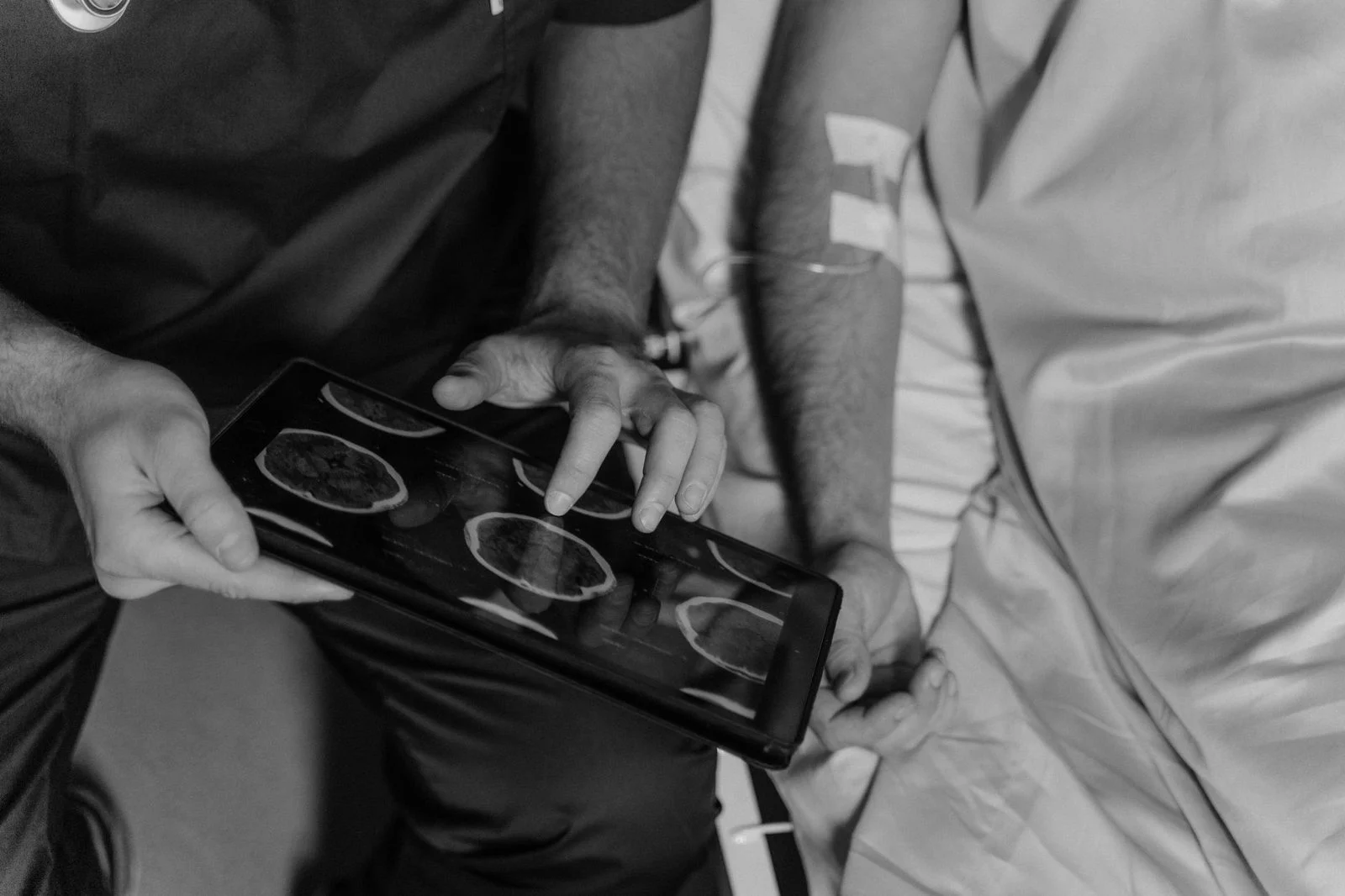
Talk With Our Team About Your Brain Injury Claim
If a head injury has changed how you think, work, or care for your family, a free talk can help. It can help you sort out your options.
Maybe a crash or attack has kept you from your job. Maybe a spouse or adult child now handles your appointments and bills. Those changes are when deadlines and fault rules start to matter.
Contact CHG Personal Injury Lawyers at our contact page for your free, confidential first consultation.
Quick Answers
Is the consultation really free?
Yes. The first consultation is free and confidential. It carries no obligation to continue.
How CHG Personal Injury Lawyers Can Help
Focused on Injured Floridians
Our practice handles personal injury cases across Florida, including serious harm such as traumatic brain injuries and the accidents that cause them.
Licensed Attorneys
Our attorneys are licensed and admitted to practice in Florida, with Igor Hernandez responsible for this page.
Plain-Language Guidance
We explain medical and legal issues in clear terms so you and your family can make informed decisions at your own pace.
Free, Confidential Consultation
The first consultation is free and confidential, with no obligation to continue.
Important: Do Not Wait to Seek Help
Deadlines apply to brain injury claims in Florida. Tell your doctor about every symptom, even ones that seem minor, and follow your medical team's care. Contact our firm promptly so your situation can be reviewed.
Practical Steps After a Head Injury
Get Medical Care
Follow up with your doctors and keep every record, test result, and referral. Your health comes first.
Document the Incident
Write down how the injury happened, who was involved, and any witnesses while the details are still fresh.
Keep a Symptom Journal
Note headaches, memory changes, mood shifts, and sleep problems. These notes can help your doctors and your attorneys understand the full impact.
Speak With Our Team
Contact CHG Personal Injury Lawyers to review your options and learn what steps make sense for your family.
Speak With Igor Hernandez and Our Florida Team
Related practice areas
- Abogado Paralisis Paraplejia Tetraplejia
- Catastrophic Injury Compensation Florida
- How Much Is a Neck Fusion Settlement in Florida?