
Truck Accidents | Serving Florida
Can FedEx Be Held Responsible When a Contractor Driver Causes a Crash?
A delivery truck carrying a company name can make it hard to know who is accountable. Here is how Florida families can start asking the right questions after a serious collision.
Why Florida Families Call CHG
Florida-Based
Serving clients throughout Florida
Licensed
Attorneys admitted to The Florida Bar
Free
Confidential first consultation with no obligation to continue
By CHG Lawyers · Published November 20, 2026
A FedEx truck hit you or someone you love. Later, you learned the driver is an independent contractor. That means a self-employed driver hired for a job, not a regular employee.
If a delivery truck crash hurt you, the facts of your crash, not just the name on the truck, help determine who may be responsible. The crash must also have followed from that work.
Why the Driver’s Job Title Does Not Decide Who Pays
A contractor label does not automatically end FedEx’s responsibility for a crash.
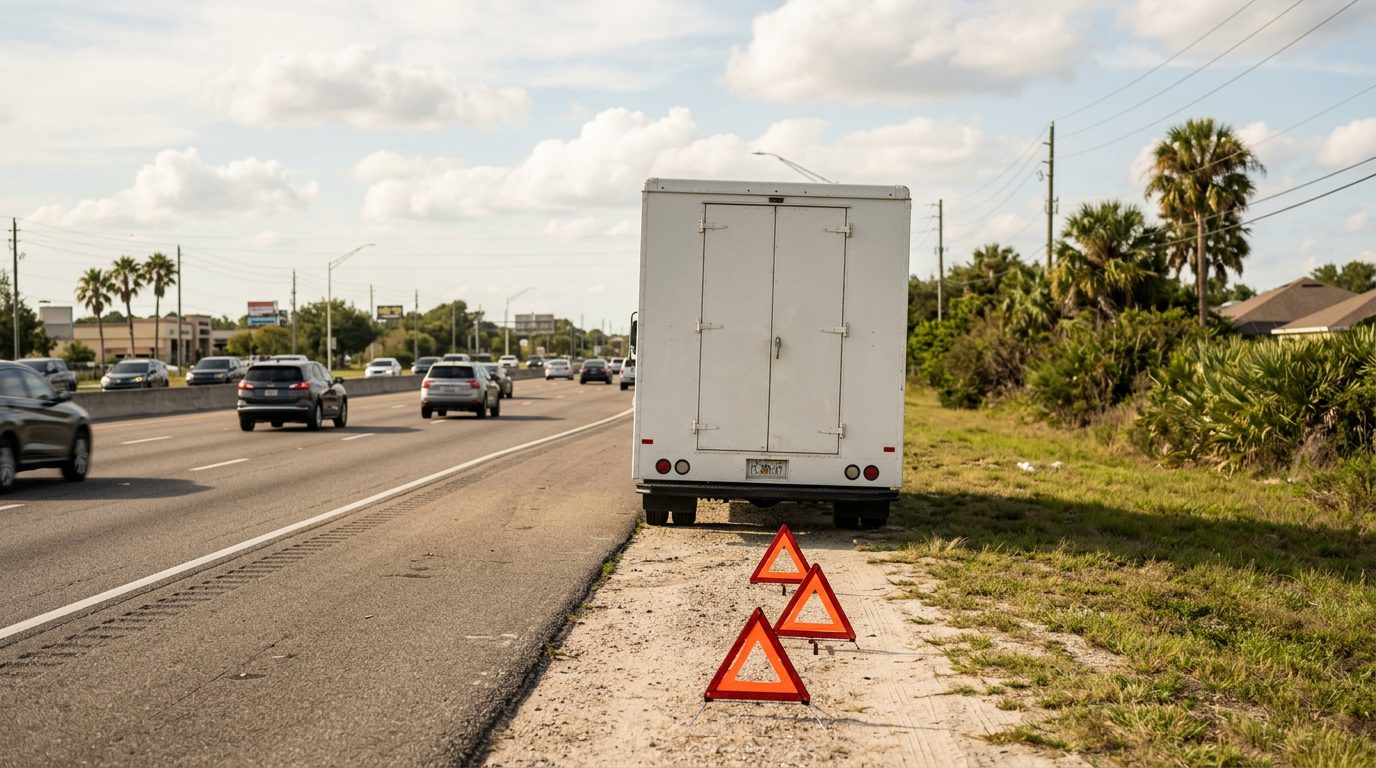
Crashes involving FedEx delivery vehicles take many forms. Common examples include:
- Multi-vehicle and jackknife crashes on highways (when a trailer swings out of line)
- Pedestrian and bicycle strikes in neighborhoods and parking areas
- Weather-related crashes on wet or poorly visible roads
- Rear-end collisions in heavy traffic
Readers facing these situations can review jackknife and multi-vehicle claims or pedestrian and bicycle cases.
The job title is only a starting point. What matters more is who controlled the work, who supplied the equipment, and who made the decisions that led to the crash. Paperwork can say one thing. Daily operations can show another.
If a FedEx truck hit you or someone you love, the driver's contractor label may not settle who is responsible. Our team can talk it through with you. Talk it through with our team — the first consultation is free, confidential, and carries no obligation.

Ways FedEx Can Be Held Responsible for a Contractor’s Crash
FedEx can be connected to a contractor’s crash through several legal routes. Each route needs evidence.
- Control. If FedEx sets how, when, and where the driver makes deliveries, a claim may argue the driver worked for FedEx in practice.
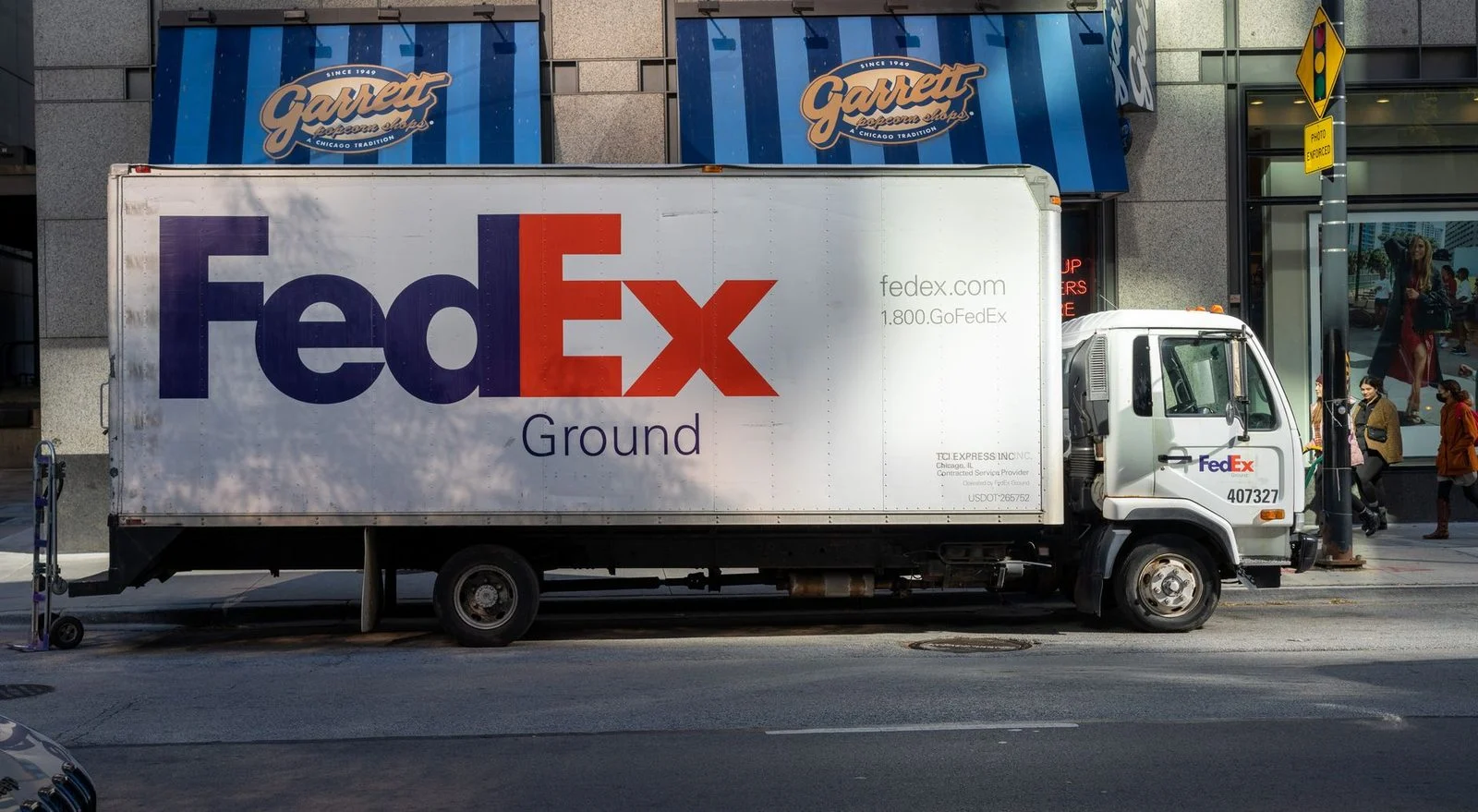
- Apparent agency. This means the public reasonably believes someone acts for a company. If a driver wears FedEx uniforms and drives a FedEx-branded truck, the public may reasonably believe the driver represents FedEx. A claim can argue that this appearance should count.
- Negligent selection or supervision. A claim can ask whether the company properly checked, trained, and monitored the driver. Under federal driver investigation rules, a carrier must make an inquiry within 30 days after a new driver’s employment begins to each licensing authority where the driver held a motor vehicle operator’s license or permit during the preceding 3 years, to obtain that driver’s motor vehicle record covering the prior 3-year driving history.
- FedEx’s own practices. Delivery schedules and dispatch rules can pressure drivers. Federal law bars scheduling a run that would force speeds above the limits. The federal speed scheduling rule states this.
Federal rules also place a duty on the motor carrier (the trucking company). The federal motor carrier duty rule explains this duty.
Each route is a legal argument. An insurer or a court must weigh the evidence before accepting any of them.
How Courts Look at the Driver Relationship
Courts usually look at how the relationship worked day to day. They do not look only at the name on the contract.
Factors commonly examined include:
- Who sets routes, stop orders, and delivery windows
- Who supplies, maintains, and insures the truck
- Whether uniforms, logos, scanners, or apps are required
- Whether the driver must complete mandatory safety training
- How the driver is paid, and whether the driver can take other work
- Who can end the arrangement, and on what terms
A written contract matters. But it does not settle the question alone. If the written terms say one thing and daily practice shows another, the practice can carry real weight.
The outcome depends on the facts of each arrangement. Every situation needs an individual review.
Who Pays: Insurance, Multiple Defendants, and Florida Fault Rules
Several insurance policies and several defendants can be part of one FedEx crash claim.
The driver’s personal auto policy may apply. Commercial coverage carried by the driver’s business may apply too. So may insurance that a delivery arrangement requires.
Federal law lets regulators require a motor carrier that transports property under an arrangement with another party, using vehicles it does not own, to control and be responsible for operating them “as if the motor vehicles were owned by the motor carrier.” See 49 U.S.C. § 14102. Insurers may still dispute which policy applies.
Claims may name more than one party. Under Fla. Stat. § 768.31, when two or more people are jointly or severally liable in tort for the same injury, there is a right of contribution among them, but only in favor of a tortfeasor who has paid more than her or his pro rata share of the common liability. This means they can share responsibility for payment.
Florida’s comparative fault rule also matters. Under Fla. Stat. § 768.81, each person’s own share of fault reduces the award for their injury. Under Fla. Stat. § 768.81, in a negligence action, a person found more than 50 percent at fault for their own harm may not recover any damages; this does not apply to personal injury or wrongful death actions arising out of medical negligence under chapter 766.
The value of a claim depends on the injuries, the medical treatment, and documented losses, such as lost income. No one can predict an amount in advance.
Evidence and Deadlines That Matter Most
The first steps after a crash often decide which evidence survives. Florida also sets firm filing deadlines.
- Call 911 if anyone needs help.
- Get the crash report. Under Fla. Stat. § 316.066, a law enforcement officer must complete and submit the long-form crash report to the department within 10 days after the investigation is completed, for crashes that include, among others, those that resulted in death, personal injury, or any indication of complaints of pain or discomfort by any of the parties or passengers involved. The parties and their legal representatives can access it.
- Photograph the scene, both vehicles, the truck’s markings, and any visible injuries.
- Write down the company name, unit number, and DOT number on the truck.
- Collect witness names, phone numbers, and any dashcam or doorbell footage.
- Save any delivery app or tracking records you can reach. Save every medical bill and receipt, too.
Keep following your doctors’ care. Your treating physicians guide your medical decisions.
Florida’s general deadline for negligence claims is two years under Fla. Stat. § 95.11. Wrongful death claims follow their own timing rules.
Deadlines apply, and they can be missed. Contact a firm promptly rather than waiting.
Trucking company records, driver files, and delivery logs are typically requested during a claim. Early preservation helps.
How CHG Personal Injury Lawyers Handles These Claims
CHG Personal Injury Lawyers is a Florida-based personal injury firm. It handles truck, car, and other accident claims for people across Florida.
Igor Hernandez is the responsible lawyer on this page. Our lawyers are licensed in Florida and admitted to The Florida Bar. Our team supports each case from first contact through resolution.
A typical process looks like this:
- A free, confidential consultation to hear what happened and who was involved.
- A review of the crash report, insurance information, and medical records.
- Identifying every party that may be responsible. This includes the driver, the driver’s business, and FedEx when the facts support it.
- Presenting the claim to insurers and negotiating.
- Filing suit if a fair resolution is not reached.
Timelines vary. Early investigation can take weeks. Negotiation or litigation can take months or longer. The length depends on injuries, the number of parties, and court schedules. No timeline or result is promised.
CHG charges no attorney’s fees and no case costs unless there is a recovery.
For Spanish-speaking readers: La consulta inicial es gratuita, confidencial y sin compromiso de continuar.
Not sure what your next step is?
Talk it through with our team — the first consultation is free, confidential, and carries no obligation.
Frequently Asked Questions
Can FedEx be sued if the driver is an independent contractor?
It may be. This depends on how the delivery work was controlled and presented. The facts of the arrangement decide which theories apply.
Can I bring claims against both the driver and FedEx?
Claims can name more than one party when the facts support each theory of responsibility.
Does FedEx’s discipline of the driver after a crash decide my claim?
No single internal decision settles liability. How the crash happened and who controlled the work usually matter most.
How soon should I call?
Deadlines apply, and early evidence matters. Contact the firm promptly.
Talk With CHG About Your FedEx Crash
You may be recovering from an injury, grieving a family member, or sorting out insurance questions. You may also be handling bills and appointments. You do not have to work out who is responsible on your own.
Our team can talk through whether the driver’s contractor status changes who may be responsible in your case. Contact CHG Personal Injury Lawyers for a free, confidential case evaluation.
What We Focus On When a Delivery Truck Is Involved
Reviewing the Arrangement
We look at how the delivery work was assigned, scheduled, tracked, and presented to the public, since those facts often shape who may be responsible.
Identifying Every Party
Crashes involving trucks can involve drivers, carriers, contractors, and other companies. We work to identify each party whose conduct may have contributed to the harm.
Standing With Families
Serious injuries and wrongful death affect whole households. Our team keeps families informed and focused on what they can do next.
Plain-Language Guidance
Our attorneys explain each step in clear terms so you can make decisions with confidence, in English or Spanish.
Important: Do Not Assume the Answer Is No
A driver being described as an independent contractor does not automatically end the question of responsibility. Deadlines apply to injury claims in Florida, so contact a lawyer promptly after a crash involving a delivery truck.
Steps That Can Help Protect Your Claim
Get Medical Care First
Follow your doctors' care and keep every record, bill, and referral. Your health comes first.
Document the Scene
If you are able, take photos of the vehicles, the road, and any visible company names, logos, or phone numbers on the truck.
Write Down What You Remember
Note the time, location, weather, and what happened while the details are still fresh.
Speak With a Florida Firm
A confidential consultation can help you understand your options and the deadlines that may apply to your case.