
Brain Injury | Serving Florida Families
DAI Brain Injury in Florida: What Families Should Know
When a brain is injured in a crash or other accident, the effects can reach every part of family life. Here is a plain-language guide to what this injury is and how Florida families can move forward.
By CHG Lawyers · Published November 14, 2026
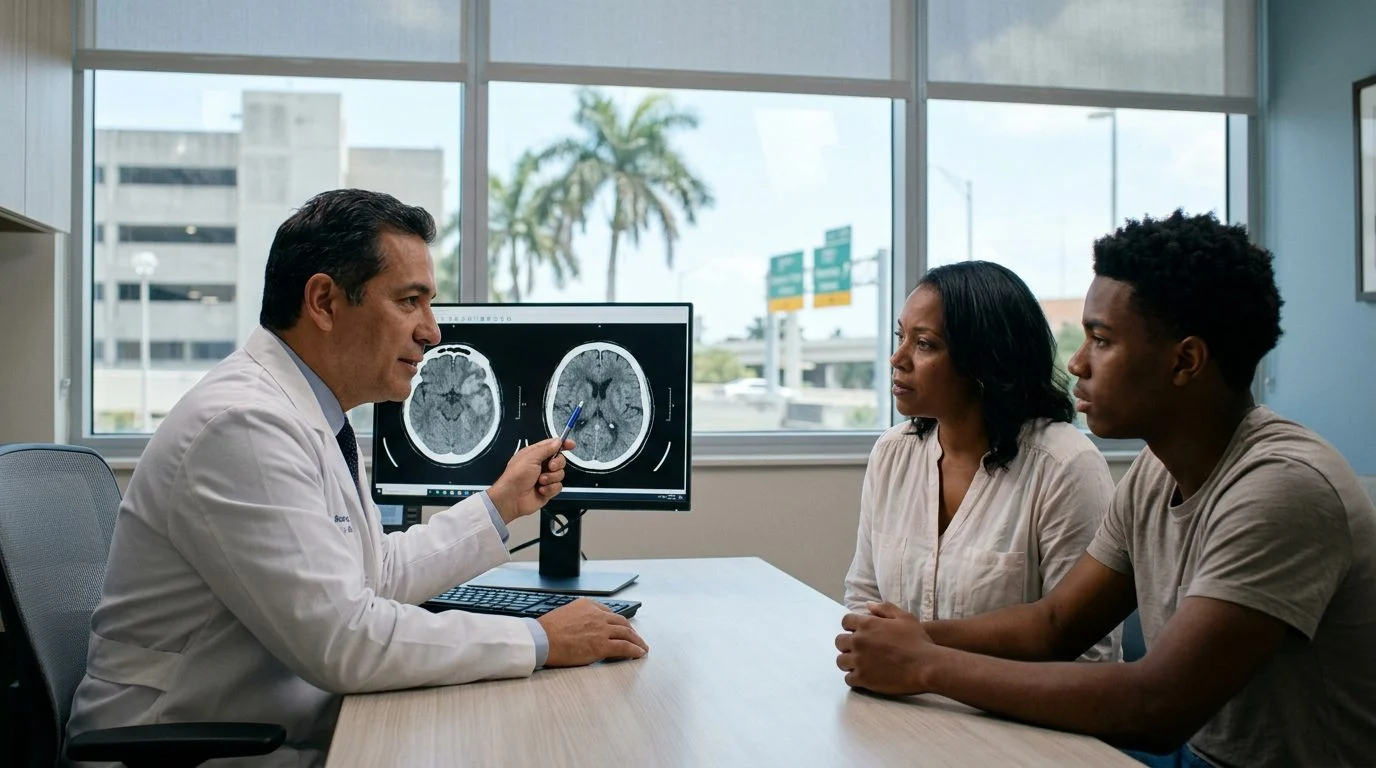
If a doctor or medical record has used the letters “DAI,” you may be trying to work out what they mean for someone you love. DAI stands for diffuse axonal injury, a type of traumatic brain injury. It happens when the head moves so fast that the brain shifts inside the skull and the nerve fibers in it are stretched or torn.
This guide explains DAI brain injury basics in plain words. It covers causes, warning signs, the changes families often notice, and the questions that come up after a crash or fall. It also explains, in general terms, how a Florida injury claim can help. This is general information, not medical advice.
What Does “DAI” Mean? Diffuse Axonal Injury Explained
Diffuse axonal injury is widespread damage to axons. Axons are the long, thin nerve fibers that carry signals inside the brain. They let different parts of the brain communicate. When many of them are stretched or torn, the brain has trouble sending and receiving signals the way it normally does.
The word “diffuse” means the damage is spread across many areas rather than one spot. That spread is one reason a basic scan may not show it clearly. Families often first hear “DAI” in a hospital room or on a chart, and the term can be confusing.
Ask the treating team to explain the diagnosis in their own words. Ask which areas are affected, what tests come next, and what changes to watch for. Writing your questions down before an appointment helps, because many families forget them once the visit starts. A diffuse axonal injury is one form of traumatic brain injury, the broader category covered in this guide.
If your loved one was diagnosed with DAI after a crash or fall, our team is ready to talk with you about what comes next, in confidence. Talk it through with our team — the first consultation is free, confidential, and carries no obligation.

What Is a Traumatic Brain Injury (TBI)?
A traumatic brain injury, or TBI, is brain damage caused by a blow or jolt to the head. It can also happen when an object enters the skull. TBI injuries range from mild to severe.
Doctors describe a TBI as mild, moderate, or severe. Medical professionals make that call using clinical exams and tests. How the injury looks to family members is not the measure.
This is why a person who walks and talks soon after a crash can still have a serious brain injury. Symptoms can take hours or days to appear. Some people seem fine at first and then struggle later.
DAI is a type of TBI, so the same rule applies. Any head injury deserves a medical evaluation, even when the person seems okay.
What Are the Common Causes of Diffuse Axonal Injuries?
DAI usually follows sudden, violent movement of the head. The brain sits inside the skull and can move within it. When the head speeds up, stops suddenly, or twists, the brain moves at different rates. Nerve fibers stretch as a result.
High-speed and sudden-stop crashes are a common setting. These include car crashes, truck crashes, motorcycle and ATV crashes, and bicycle crashes. Falls can cause it too, including slip and fall accidents and falls from a height. Any event where the head strikes a surface or is violently shaken can be a cause.
The cause matters to any claim. Who was responsible for the accident turns on the facts. Those facts include how the accident happened, who was involved, and what the evidence shows. If you can, keep photos, names of witnesses, and any reports from the scene.
Signs of a Brain Injury Can Include
Common signs include confusion, loss of consciousness, a headache that gets worse, repeated vomiting, and unusual drowsiness. Slurred speech, weakness or numbness, and changes in memory or attention are also reported. These signs can appear right away or later.
Some signs appear hours or days after the accident. Families should report any change to the medical team promptly. If symptoms are getting worse, get emergency medical care right away.
This list is general information, not a diagnosis. Signs of a DAI brain injury can overlap with other conditions. Only the treating medical professionals can work out what is happening. Families sometimes wait to see whether symptoms fade. Share what you notice with the treating team at every visit instead.
Can a Concussion Cause Personality Changes?
Brain injuries, including concussions, can be followed by changes in mood, irritability, emotional control, or behavior. These changes may be part of the injury itself. They don’t mean the person has stopped caring about the family.
Families often notice these shifts first. Many say the person no longer seems like “themselves.” That feeling is common and painful, and it deserves to be taken seriously.
One change some people notice is impulsivity. This means acting quickly without thinking through the consequences. A person may speak sharply, spend money carelessly, or make a decision they would not have made before the injury.
Share these changes with the treating doctor. The doctor can decide what evaluation or care is right for the person.
How to Support Someone With an Acquired Brain Injury
Support starts with routine, patience, and a care plan from the treating team. An acquired brain injury is one that happens after birth, such as from a crash or a fall. It is different from a condition a person has from birth.
Practical steps many families use include:
- keeping a daily routine
- using written reminders and calendars
- reducing noise and clutter at home
- allowing rest between activities
Families should attend medical appointments when possible. A written log of changes in mood, memory, and behavior helps the care team. Ask the team which supports fit the person’s needs.
Caregiver strain is real. A family member often takes on a large new role almost overnight. Look for support for yourself, including from your own doctor. Keep helping the injured person follow the plan set by their physicians.
Not sure what your next step is?
Talk it through with our team — the first consultation is free, confidential, and carries no obligation.
What Happens When You Have a Diffuse Axonal Injury? Recovery and Treatment
Diagnosis usually includes a neurological exam and brain imaging. Because DAI can be hard to see on some scans, the team may order further testing.
Treatment is planned by the treating doctors for each person. Care teams often use rehabilitation, such as physical, occupational, speech, and cognitive therapy. The right mix depends on the person’s symptoms and needs, and the doctor makes that decision.
Recovery varies widely from person to person. It depends on how severe the injury was and on the person’s overall health. General information can’t set a timeline for any one person. Follow your doctors’ care instructions.
How a Florida Injury Claim Can Address a Brain Injury
When someone else’s carelessness causes an accident, the injured person may have a personal injury claim. A claim can seek compensation for medical bills, lost income, and changes in daily life.
Families often ask about medical care and rehabilitation, lost ability to earn a living, and the effect on family relationships and household tasks. Those losses can continue long after the accident.
Florida sets time limits for these claims. For actions founded on negligence, the general limit is two years under Fla. Stat. § 95.11. Deadlines can be short, so contact a lawyer promptly rather than waiting.
Florida also reduces recovery when the injured person shares fault. Under Fla. Stat. § 768.81, in a negligence action a person found more than 50 percent at fault for their own harm may not recover any damages, but this does not apply to personal injury or wrongful death claims arising out of medical negligence. Under Ch. 2023-15, Laws of Fla., “except as otherwise expressly provided in this act, this act shall apply to causes of action filed after the effective date of this act.”
If the accident involved a motor vehicle, Florida’s personal injury protection rules matter.
If a brain injury leads to death, Florida handles the claim differently. Under Fla. Stat. § 768.20, the injury claim does not survive, and the decedent’s personal representative brings the action for the benefit of the survivors and estate instead.
Whether a claim exists depends on the facts of the accident. CHG charges no attorney’s fees and no case costs unless there is a recovery. No outcome can be promised, since each case has its own details.
Frequently Asked Questions
What does DAI stand for?
DAI stands for diffuse axonal injury, a widespread injury to the nerve fibers inside the brain.
How long do I have to file a personal injury claim in Florida?
Florida’s general limit for negligence claims is two years under Fla. Stat. § 95.11. Deadlines can be short, so contact a lawyer promptly.
Talk With Our Team About Your Family’s Situation
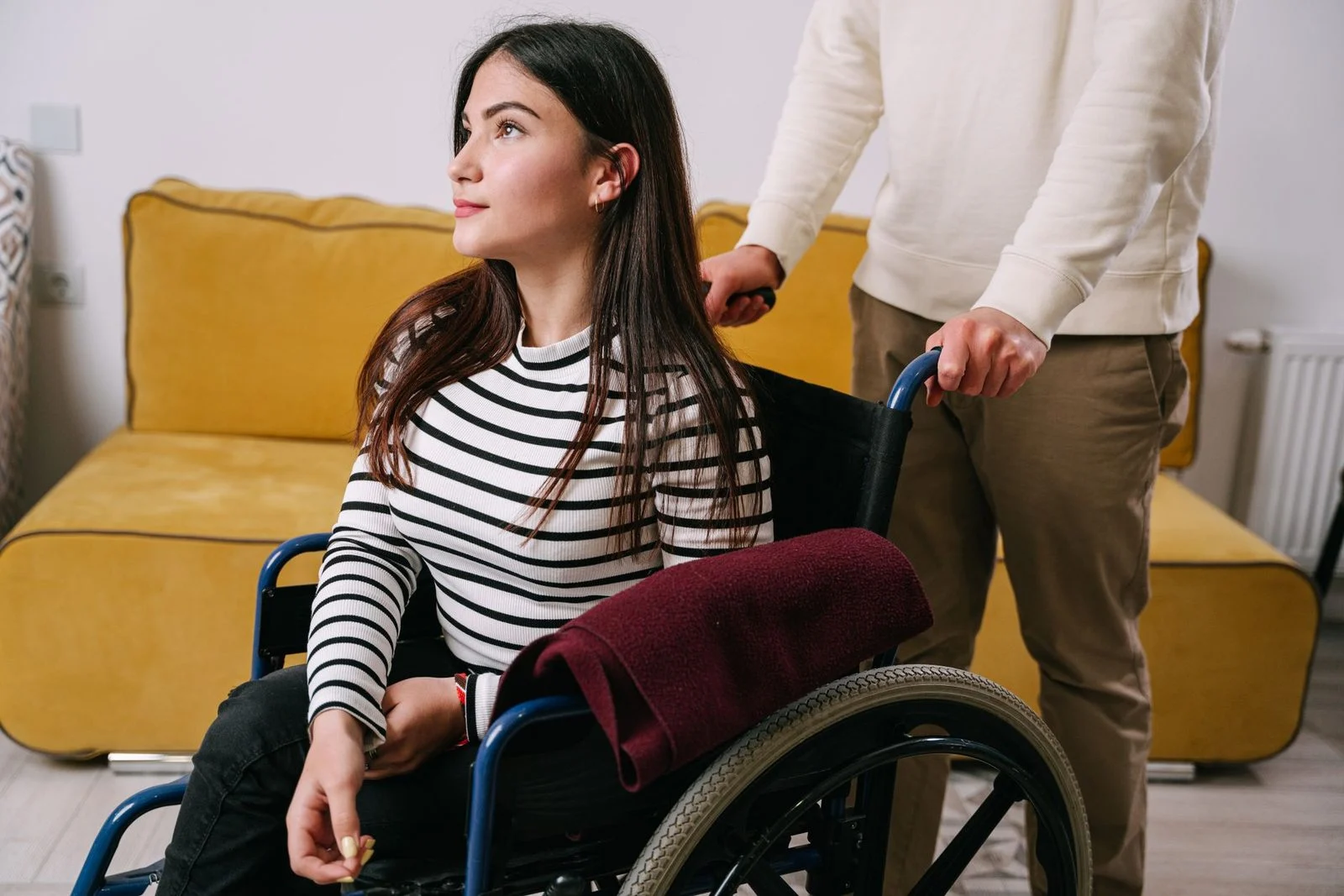
If your loved one was diagnosed with DAI after a crash or a fall, you may be facing hard medical questions and hard legal ones at the same time. You may be wondering whether someone else was responsible and what your family can ask for. You may also be trying to keep up with the medical plan.
These questions deserve clear answers. Our team can help you think through the accident, the diagnosis, and your family’s options, in confidence.
CHG Personal Injury Lawyers is a Florida-based firm serving people throughout Florida. Igor Hernandez is the lawyer responsible for this page. Contact our team to start the conversation.
Don't wait to get checked
Some brain injuries do not show obvious signs right away. Symptoms can appear hours or days after an accident. Get medical care promptly, and follow your doctors' recommendations.
How CHG Personal Injury Lawyers Can Help
Florida-based representation
Our firm serves people injured across Florida, from Miami and Fort Lauderdale to Orlando, Tampa, and Jacksonville.
Attorneys who listen
Our attorneys are licensed to practice law in Florida. Igor Hernandez is the responsible lawyer for this page, and our team works with families through every step.
Focus on serious injuries
The firm handles brain injury claims arising from car, truck, motorcycle, and other accidents, including cases involving wrongful death.
Free, confidential consultation
Our first consultation is free, confidential, and carries no obligation to continue. Our firm charges no attorney's fees and no case costs unless there is a recovery.
Steps Families Can Take Now
Follow medical care
Keep every appointment and share all symptoms, including changes in memory, mood, sleep, or behavior, with your doctors.
Keep records
Save medical bills, reports, photos, police reports, and notes about how the injury has changed daily life.
Note the people around you
Family members often notice changes first. Written notes about what you see can help doctors and your legal team understand the injury.
Speak with a lawyer early
Florida's time limits for injury claims can be short. Contact CHG Personal Injury Lawyers promptly to discuss your family's situation.