

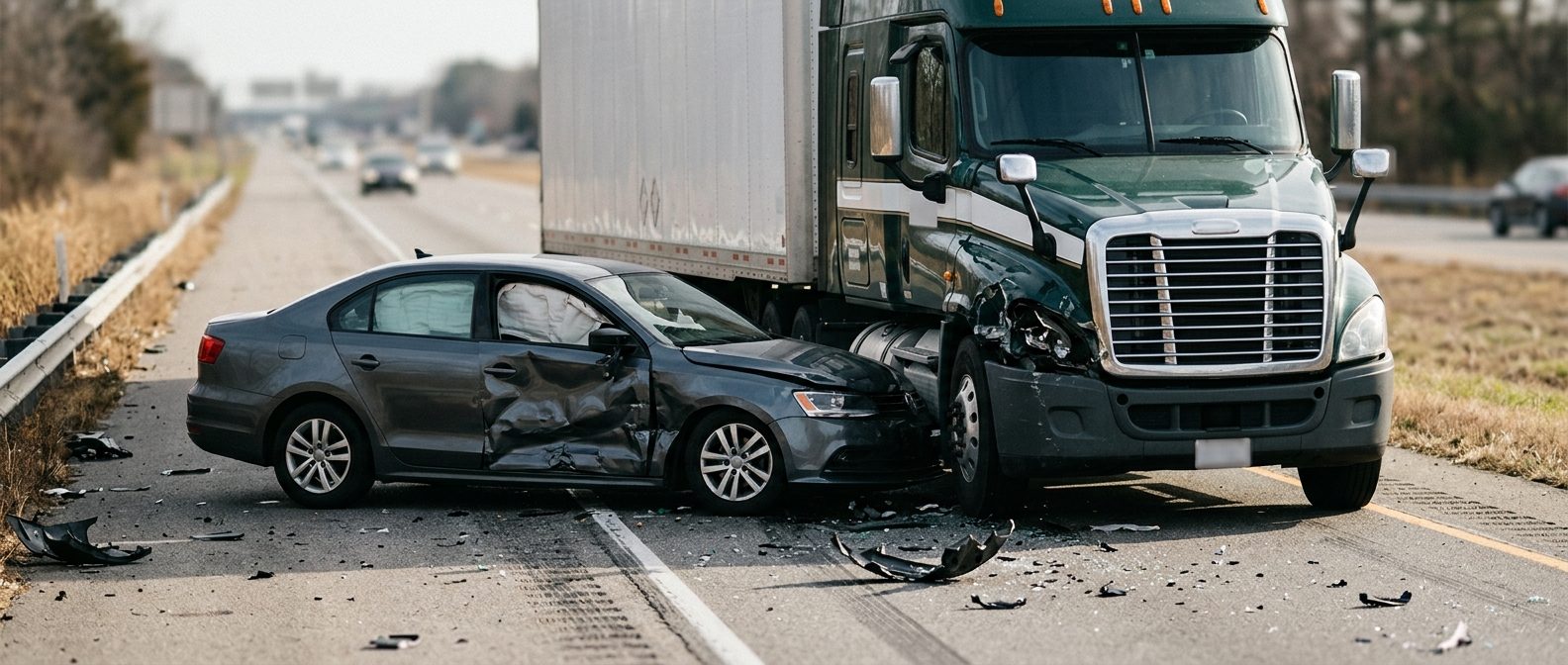
Truck Accidents
Why Truck Accident Claims Demand a Different Approach
Commercial trucks operate under federal rules, carry multiple insurance policies, and leave behind specialized evidence. Understanding what makes these cases different can protect your claim.
By CHG Lawyers · Published August 26, 2026
{
  "breadcrumb": [
    {"name": "Home", "url": "/"},
    {"name": "Truck Accidents", "url": "/truck-accidents/"},
    {"name": "Why Truck Accident Claims Are Different", "url": "/truck-accident-claims-differences/"}
  ]
}
Why Truck Accident Claims Are Different
If you or a loved one has been seriously injured in a truck collision, you may sense your case is fundamentally different from a typical car accident. That instinct is correct.
Truck accident claims differ from car accidents in critical ways: federal regulations, multiple liable parties, higher insurance coverage, and complex evidence. These differences directly affect your legal options and potential compensation.
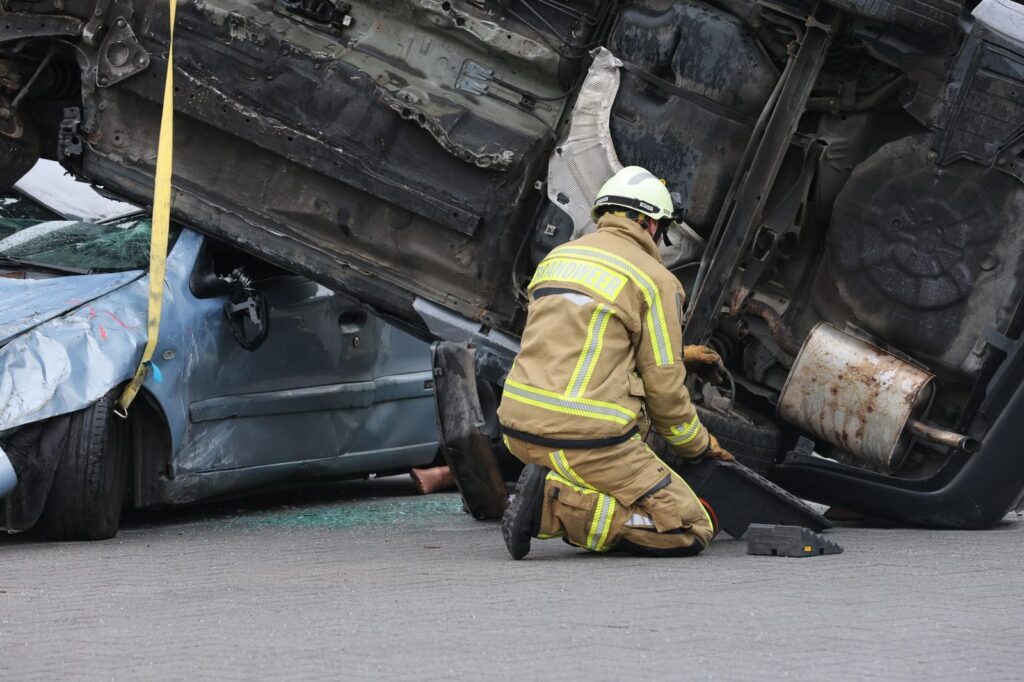
Truck accidents often cause catastrophic injuries—spinal cord damage, paralysis, traumatic brain injury, amputation, severe burns—because of the size and weight difference. An 80,000-pound truck cannot stop, turn, or absorb impact like a 3,500-pound car can.
The legal landscape for truck accident claims is fundamentally different from car accidents. The federal government regulates commercial trucking through the Federal Motor Carrier Safety Administration (FMCSA). State law governs passenger vehicles. This distinction creates an entirely different framework for establishing liability, preserving evidence, and calculating damages.
Understanding why truck accident claims are different helps you grasp what’s ahead and why experienced representation matters from the start.
Not sure what your next step is?
Talk it through with our team — the first consultation is free, confidential, and carries no obligation.
Difference #1: Federal Regulations Govern Truck Operations
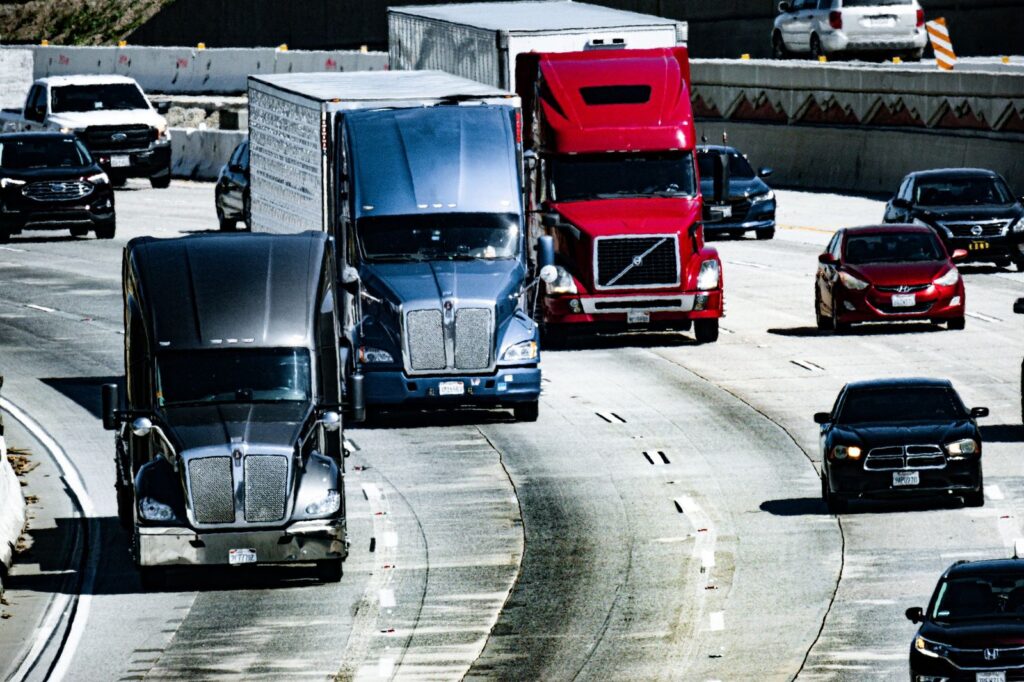
Passenger cars are regulated at the state level. Commercial trucks are governed by federal law through the Federal Motor Carrier Safety Administration (FMCSA).
Truck drivers must comply with strict rules that do not apply to ordinary drivers:
- Hours of Service rules (49 CFR Part 395) limit drivers to 11 hours of driving per 14-hour workday and require 10 consecutive hours off-duty.
- Vehicle maintenance standards (49 CFR Part 396) mandate regular inspections and repairs.
- Cargo securement rules (49 CFR Part 393) ensure loads are properly tied down.
When a truck driver or company violates these federal rules, it establishes negligence directly. The violation itself is evidence of wrongdoing.
In a car accident, you prove negligence by showing the driver failed to exercise reasonable care. In a truck case, federal violations often speak for themselves. This is a critical advantage in truck accident litigation.
Difference #2: Multiple Parties May Be Liable
A car accident usually involves two drivers. A truck accident can involve:
- The driver
- The trucking company
- The truck owner
- The cargo loader
- The truck manufacturer
- Maintenance contractors
Each party may bear responsibility for different aspects of the crash.
The driver may be liable for unsafe operation. The company may be liable for inadequate training, unrealistic deadlines, or failure to enforce safety policies. The owner may be liable for poor maintenance. The loader may be liable for improper cargo securement. The manufacturer may be liable for defective brakes or steering.
This multiplicity of defendants means more insurance policies in play and more potential sources of compensation. Identifying all liable parties early is essential to maximizing recovery.
Difference #3: Insurance Coverage Is Much Higher
Commercial truck insurance policies are substantially larger than personal auto policies. The potential for catastrophic harm is recognized by law and industry.
Federal law requires trucking companies to carry minimum liability coverage far higher than state minima for passenger vehicles.
Higher insurance limits mean greater capacity to compensate serious injuries—but also more aggressive defense strategies. Insurance companies defending truck cases deploy experienced adjusters and attorneys. You need representation that matches their expertise.
Difference #4: Evidence Preservation Is More Complicated
Trucks are equipped with electronic logging devices (ELDs), black boxes, GPS systems, and onboard cameras. These record speed, braking, acceleration, and driver behavior. This evidence is crucial to reconstructing what happened.
This evidence must be preserved immediately. Trucking companies have a legal duty to maintain it, but evidence can be lost or destroyed if not properly secured.
Car accidents typically involve simpler evidence: police reports, witness statements, and vehicle damage. Truck cases require technical expertise to access and interpret electronic data. Early action is essential; delaying your claim can result in permanent loss of critical evidence.
Difference #5: Accident Reconstruction Is More Technical
Truck accident reconstruction often requires specialized experts. They must understand commercial vehicle dynamics, braking performance, and weight distribution.
The physics of a collision involving an 80,000-pound truck differs fundamentally from a 3,500-pound car. Stopping distance, impact force, and injury patterns are all different.
Expert testimony in truck cases is more detailed and technical. Both sides typically retain accident reconstruction specialists, engineers, and medical experts. The quality of your representation directly affects how well your case is presented.
Have questions about what happened?
Ask our team directly. The first conversation is free, confidential, and there is no obligation to continue.
Difference #6: Corporate Negligence May Exceed Driver Fault
In many truck accidents, the driver’s individual negligence is less significant than the company’s systemic failures.
A trucking company may have:
- Failed to train drivers adequately
- Pressured them to meet unrealistic schedules
- Neglected vehicle maintenance
- Hired drivers with known safety violations
A trucking company can be held liable for negligent hiring, negligent retention, or negligent supervision—even if the driver’s specific action was the immediate cause. This corporate liability layer rarely exists in car accidents and opens additional avenues for compensation.
What Is the Average Settlement for a Truck Accident?
Settlement amounts vary widely based on:
- The severity of injury
- The clarity of liability
- The jurisdiction
- The insurance coverage available
Catastrophic injuries—spinal cord damage, paralysis, traumatic brain injury, amputation—typically result in higher settlements than minor injuries. They involve lifetime medical care, lost earning capacity, and permanent disability.
Because truck cases involve higher insurance limits and multiple defendants, settlements in serious truck cases tend to be substantially larger than car accident settlements for comparable injuries.
Every case is unique. The only way to understand what your case might be worth is to have it evaluated by someone who knows the specific facts and applicable law.
Key Evidence in Truck Accident Claims
The most important evidence includes:
- Electronic logging device (ELD) data showing the driver’s hours, location, and vehicle status at the time of the crash
- Black box (event data recorder) information about speed, braking, and acceleration before impact
- Logbooks and maintenance records showing whether the truck was properly maintained
- Dashcam or surveillance footage from the truck, nearby businesses, or traffic cameras
- Witness statements from other drivers, passengers, or bystanders
- Police accident report and scene photographs
- Medical records documenting your injuries and treatment
- Expert testimony from accident reconstructionists and medical specialists
Early preservation of this evidence is critical. Once lost, it cannot be recovered.
What Not to Say to Insurance After a Truck Accident
Do not admit fault or apologize for the accident, even if you feel responsible. Insurance adjusters will use your words against you.
Do not give a recorded statement to the other side’s insurance company without legal counsel. Anything you say can be used to minimize your claim.
Do not accept an early settlement offer. Truck accident injuries often develop over time. You may not understand the full extent of your harm immediately.
Do not post about the accident on social media. Insurance companies monitor social platforms and will use your posts to challenge your injury claims.
Do not discuss the accident in detail with anyone except your attorney. Keep your account consistent and let your lawyer handle communication with insurers.
Settlement vs. Claim: What’s the Difference?
A claim is your formal demand for compensation. A settlement is an agreement to resolve the claim for a specific amount.
In a truck accident, you file a claim with the at-fault party’s insurance company. If they deny it or offer too little, you may file a lawsuit.
A settlement can occur at any stage—before a lawsuit, during litigation, or even during trial. It typically involves a negotiated agreement both sides accept.
In serious truck accident cases, the decision to settle or continue litigation depends on the strength of your evidence, the extent of your injuries, and the insurance coverage available.
Why You Need Experienced Representation
Truck accident litigation is more complex than car accident litigation. It requires knowledge of federal regulations, commercial trucking practices, and specialized evidence.
Insurance companies defending truck cases deploy experienced adjusters and attorneys. You need representation that matches their expertise.
Early mistakes—failure to preserve evidence, inadequate investigation, or misunderstanding of federal rules—can undermine your entire case. An attorney who focuses exclusively on catastrophic truck accident injuries understands the unique challenges and knows how to build a strong claim from the start.
Under Florida law, you have a limited time to file a claim. Acting quickly protects your rights.
Want to know where you stand?
Tell us what happened and our team will walk you through the options available to you, at no cost.
Frequently Asked Questions
How long do I have to file a truck accident claim in Florida?
Florida law (Fla. Stat. § 95.11) generally gives you two years from the date of injury to file a personal-injury lawsuit. Do not wait. Evidence deteriorates, witnesses move away, and early action preserves your case.
Can I be found partially at fault in a truck accident?
Yes. Florida follows comparative fault (Fla. Stat. § 768.81). You can recover even if you were partially responsible—but your recovery is reduced by your percentage of fault. This makes thorough investigation essential.
Who investigates a truck accident?
Police conduct an initial investigation and file a report. Insurance companies conduct their own investigation. You should have your own investigation conducted by an attorney or investigator working on your behalf. This ensures your perspective is documented.
What if the truck driver was an independent contractor?
The trucking company may still be liable if it failed to properly vet the contractor, failed to ensure compliance with federal regulations, or controlled the contractor’s work. Independent contractor status does not shield companies from liability.
Should I contact the trucking company directly?
No. Contact their insurance company through an attorney, or let your attorney handle all communication. Direct contact can be used against you, and you may inadvertently waive important rights.
Next Steps: Understanding Your Situation
If you or a loved one has suffered a serious injury in a truck accident, you are likely facing overwhelming medical decisions, financial pressure, and uncertainty about what comes next.
The differences between truck and car accident claims mean your case may be more complex—but also that there may be more resources available to compensate your harm.
Many people in your situation reach out to discuss what happened, to understand whether they have a claim, and to learn what their options are. That conversation is free and confidential.
If you’re ready to talk about your truck accident, contact us for a free case evaluation.
You can also learn more about catastrophic injury claims or explore insurance coverage disputes that often arise in serious truck accidents. “`
What Sets Truck Accident Claims Apart
Federal Regulations & Compliance Records
Commercial trucks are governed by federal safety rules (FMCSA regulations) that don't apply to ordinary vehicles. Driver logs, maintenance records, weight compliance, and hours-of-service violations can all be evidence in your claim—and these records exist only because of federal law.
Multiple Layers of Liability & Insurance
A truck accident may involve the driver, the trucking company, the truck owner, the cargo loader, and the shipper—each potentially liable and each carrying separate insurance. Identifying all responsible parties and their coverage is essential to recovering full compensation.
Specialized Evidence That Disappears Quickly
Truck black boxes, GPS data, electronic logging devices, and onboard cameras capture critical information—but this data is often retained for only a limited time. Preservation demands must be sent immediately to prevent evidence loss.
Corporate Defense Resources
Trucking companies and their insurers deploy experienced defense teams and investigators from the moment of the crash. Early, skilled representation levels the playing field and protects your rights from the start.
Key Differences in How Truck Claims Work
Evidence Preservation Is Time-Critical
Truck data systems, maintenance logs, and driver records must be formally preserved before they are overwritten or discarded. Delays in sending preservation notices can result in permanent loss of proof. Acting quickly protects your ability to build a strong claim.
Comparative Fault Rules Apply in Florida
Florida law allows recovery even if you are partially at fault—as long as you are not more than 50% responsible. Your recovery is reduced by your percentage of fault. Careful investigation and skilled representation help minimize unfair fault assignments.
Catastrophic Injuries Require Specialized Damages Calculation
Truck accidents often cause permanent, life-altering injuries. Calculating lifetime medical care, lost earning capacity, assistive equipment, home modifications, and non-economic damages demands medical expertise and economic analysis beyond routine injury claims.
Statute of Limitations: Two Years, But Don't Wait
Florida law provides two years from the date of injury to file a lawsuit. However, evidence degrades, witnesses relocate, and memories fade. Early investigation and claim development preserve your case and improve its strength.
Act Now to Preserve Your Claim
The trucking company and its insurer will begin their investigation immediately. Truck data, maintenance records, and electronic evidence can be lost or destroyed if not formally preserved within days of the crash. Waiting allows critical proof to disappear and gives the defense a head start.
Common Questions About Truck Accident Claims
How long do I have to file a truck accident claim in Florida?
Florida law generally provides two years from the date of injury to file a personal-injury lawsuit. However, evidence deteriorates quickly in truck cases, and early action is essential to preserve records, data, and witness testimony.
Can I be found partially at fault in a truck accident?
Yes. Florida follows comparative fault rules, meaning you may recover compensation even if you share some responsibility—as long as you are not more than 50% at fault. Your recovery is reduced by your assigned percentage of fault.
What if the truck driver was an independent contractor?
The trucking company may still be liable under vicarious liability or non-delegable duty doctrines, even if the driver is independent. Liability investigation must examine the company's hiring, training, supervision, and safety practices.
Why do truck accident claims take longer to resolve?
Truck cases involve federal regulations, multiple defendants and insurers, complex evidence (black boxes, logs, GPS data), and often catastrophic injuries requiring extensive medical and economic analysis. Thorough investigation and skilled negotiation take time but protect your recovery.