

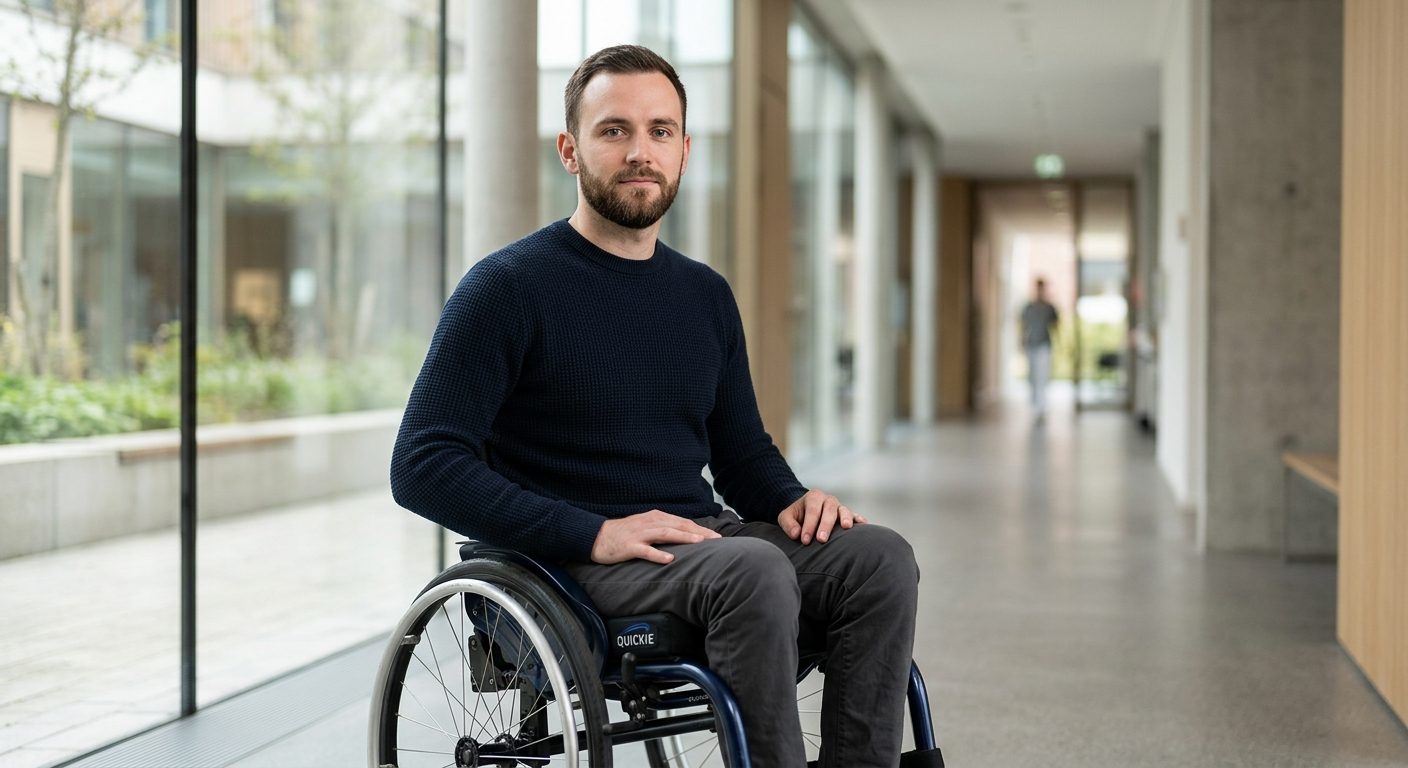
Truck Accident Injuries
Lifetime Cost of Truck Accident Injury: What Families Need to Know
A catastrophic truck crash can alter your life forever. Understanding the long-term financial and medical impact is the first step toward securing the compensation your family deserves.
By CHG Lawyers · Published August 23, 2026
Lifetime Cost of Truck Accident Injury: What Catastrophic Damages Really Cover
A catastrophic injury from a truck crash costs far more than a hospital bill. It’s a decades-long financial reality: emergency surgery, ongoing medical care, lost income, home modifications, assistive devices, and personal care attendants.
A settlement or judgment is a one-time payment. You won’t get another chance to recover money for costs you didn’t anticipate. Understanding the lifetime cost now protects your claim.
This page breaks down the real costs families face after catastrophic injuries. You’ll see what a fair settlement or judgment should cover.

Not sure what your next step is?
Talk it through with our team — the first consultation is free, confidential, and carries no obligation.
Why Lifetime Cost of Truck Accident Injury Matters
A catastrophic truck injury is not a one-time medical event. It’s a lifelong reality with costs that add up over decades.
Insurance companies and at-fault parties often underestimate or ignore future expenses. Understanding the full picture protects your claim.
Lifetime costs include:
- Emergency care
- Ongoing medical treatment
- Lost income
- Home modifications
- Assistive devices
- Personal care
When you negotiate a settlement or prepare for trial, you must account for all of these. A settlement covering only the first year of medical bills leaves you paying for the next 50 years.
In catastrophic-injury cases, we regularly see people who accepted early settlement offers without understanding their true costs. By then, it’s too late. This page helps you see what the numbers actually show.
What Counts as a Catastrophic Truck Injury?
Catastrophic injuries from truck accidents include:
- Spinal cord injuries (paraplegia and quadriplegia—loss of movement and sensation in the legs or all four limbs)
- Traumatic brain injuries (TBI)
- Amputations and limb loss
- Severe burns
- Catastrophic back or neck injuries
These injuries cause permanent impairment. The person will never fully recover and will need lifelong medical care, support, and accommodation.
The type and severity of injury directly affect lifetime costs. A C4 spinal cord injury requires a ventilator to breathe and costs far more than a lower-spine injury. A severe traumatic brain injury with cognitive effects requires lifelong supervision. An amputation may require periodic prosthetic replacement and specialized care.
Immediate Medical and Emergency Costs
Emergency transport, trauma surgery, ICU stays, and initial hospitalization for a catastrophic truck injury often run $100,000 to $500,000 or more.
These costs cover the first days or weeks, not the lifetime of care ahead. Even with insurance, out-of-pocket costs and uncovered services add up quickly. A helicopter flight to a trauma center, specialized imaging, multiple surgeries, and weeks in the ICU generate enormous bills before rehabilitation even begins.
Long-Term Medical and Rehabilitation Costs
Inpatient rehabilitation programs typically cost $15,000 to $30,000 per month or more, depending on the facility and level of care.
Ongoing outpatient therapy—physical therapy, occupational therapy, speech therapy, neuropsychological care—continues for years and costs thousands annually.
Medications, imaging (MRI, CT scans), specialist visits, and monitoring for complications are lifelong expenses.
For spinal cord injuries, the first year alone typically costs $250,000 to $1 million. Subsequent years average $15,000 to $30,000 annually depending on injury level, according to data from the National Spinal Cord Injury Statistical Center.
Lost Income and Reduced Earning Capacity
A catastrophic injury often ends a person’s career or severely limits their ability to work and earn.
Lifetime lost wages are calculated by estimating what the person would have earned from the time of injury until retirement—often hundreds of thousands of dollars.
This includes not just salary but also lost benefits, promotions, and career advancement. For someone injured at age 35 with 30 years of work ahead, lost earning capacity can easily exceed $1 million. Courts use economist testimony and wage tables to project these losses, accounting for inflation.
Home Modifications and Accessibility Costs
A person with paraplegia or quadriplegia typically needs a wheelchair-accessible home: ramps, widened doorways, accessible bathrooms, and modified kitchens.
Initial home modifications can cost $10,000 to $100,000 or more, depending on the extent of work needed.
Over a lifetime, as needs change or equipment wears out, additional modifications and upgrades are necessary. Vehicle modifications (hand controls, wheelchair lifts, accessible vans) add another $20,000 to $60,000 or more. These are essential to independence and safety.
Have questions about what happened?
Ask our team directly. The first conversation is free, confidential, and there is no obligation to continue.
Assistive Devices and Medical Equipment
Wheelchairs, specialized beds, pressure-relief cushions, ventilators (for high spinal cord injuries), communication devices, and other equipment are essential and expensive.
A high-quality wheelchair can cost $3,000 to $15,000 and may need replacement every 5–10 years.
Specialized beds, lifts, and transfer equipment add thousands more and require periodic replacement. Over a lifetime, assistive devices and equipment can total $50,000 to $200,000 or more. These are the tools that allow a person with a catastrophic injury to participate in daily life.
Long-Term Care and Personal Support Services
Many people with catastrophic injuries need full-time or part-time personal care attendants for bathing, dressing, toileting, meal preparation, and other daily activities.
In-home care aides cost $15 to $30+ per hour. Full-time care (24 hours a day, 7 days a week) can exceed $100,000 annually.
Over 50+ years, lifetime personal care costs can reach $2 million to $5 million or more. Some families hire professional agencies; others employ private caregivers. Both options have significant costs. These expenses are often the largest component of lifetime damages in catastrophic cases.
How Much Is a Good Settlement for Pain and Suffering?
Pain and suffering damages are separate from economic costs (medical bills, lost wages). They compensate for physical pain, emotional trauma, loss of enjoyment of life, and psychological impact.
There is no fixed formula. Courts and juries consider the severity of injury, age of the injured person, and the impact on their quality of life.
In catastrophic cases, pain and suffering awards often range from hundreds of thousands to millions of dollars. An attorney can help you understand what similar cases have recovered.
What Is the Average Cost for a Severe Injury?
The term “average” is misleading because catastrophic injuries vary widely. A severe burn injury has different lifetime costs than a spinal cord injury.
Research suggests lifetime costs for catastrophic injuries range from $500,000 to over $5 million, depending on the type and severity.
Spinal cord injuries at higher levels cost more than lower-level injuries because they require more intensive care and support. Traumatic brain injuries with cognitive and behavioral effects often require lifelong supervision and specialized care, driving costs higher.
The only meaningful “average” is the one calculated for your specific injury, age, and circumstances.
Lifetime Costs of Injuries in the United States: What the Data Shows
Public health agencies track the burden of catastrophic injuries. Data shows that lifetime costs far exceed initial medical bills.
Research on spinal cord injuries indicates lifetime costs ranging from approximately $250,000 (for incomplete lower-spine injuries) to over $1 million (for complete high-level injuries), according to the Christopher & Dana Reeve Foundation.
Traumatic brain injuries show similar variation. Severe TBI can cost $500,000 to $3 million or more over a lifetime. These figures include medical care, lost productivity, and informal care but often underestimate the true burden because they don’t capture all out-of-pocket expenses.
The key takeaway: catastrophic injuries are expensive. Settlements or judgments must account for decades of costs, not just the first year.
How Courts and Insurers Calculate Long-Term Damages
Courts use life expectancy tables, expert testimony from economists and medical professionals, and detailed cost projections to estimate future expenses.
An economist may calculate lost earning capacity by projecting what the injured person would have earned. A life-care planner estimates future medical and care costs.
Inflation is factored in—a dollar spent 30 years from now costs more than a dollar today.
Insurance companies often use lower estimates or ignore future costs altogether. This is why legal representation is critical to ensure all costs are accounted for.
A comprehensive damages calculation includes:
- Immediate costs
- Future medical care
- Lost wages
- Home and vehicle modifications
- Assistive devices
- Personal care
- Pain and suffering
Want to know where you stand?
Tell us what happened and our team will walk you through the options available to you, at no cost.
Why You Need to Account for All Lifetime Costs in Your Claim
A settlement or judgment is typically a one-time payment. You won’t get a second chance to recover money for costs you didn’t anticipate.
If you accept a low settlement that doesn’t cover your actual lifetime needs, you and your loved ones bear the financial burden for decades.
Insurance adjusters have financial incentives to minimize payouts. They may pressure you to settle quickly before you understand the full scope of your costs.
An attorney can help you gather expert testimony, medical records, and cost projections to build a complete picture of your lifetime needs. The goal is a settlement or judgment that truly covers what your injury will cost over your lifetime.
Frequently Asked Questions
What is the statute of limitations for a catastrophic injury claim in Florida?
Under Florida Statute §95.11, you have 2 years from the date of injury to file a personal injury lawsuit.
How do I know if I have a claim for a catastrophic injury?
If your injury was caused by someone else’s negligence, recklessness, or intentional wrongdoing—such as a truck driver’s unsafe driving or a property owner’s failure to provide adequate security—you may have a claim.
What if I was partially at fault for the accident?
Under Florida Statute §768.81, Florida follows modified comparative negligence. If you’re 50% or less at fault, you can recover damages reduced by your percentage of fault.
Can I recover damages for future medical costs I haven’t incurred yet?
Yes. Courts award damages for reasonably foreseeable future medical care, rehabilitation, assistive devices, and personal care based on expert testimony and life-care plans.
What is a life-care plan?
A life-care plan is a detailed document prepared by medical and rehabilitation experts. It outlines the injured person’s anticipated medical, rehabilitation, and care needs over their lifetime and estimates the cost of each.

Understanding Your Specific Situation
Every catastrophic injury is unique. Your lifetime costs depend on your age, the type and severity of your injury, your pre-injury income, and your location.
If you or a loved one has suffered a catastrophic truck injury, you’re likely facing overwhelming medical decisions, rehabilitation, and financial uncertainty all at once.
Many people in your situation reach out to speak with an attorney early on—not because they’re ready to sue, but because they need clarity on what their injury will cost and what their options are.
A free case evaluation can help you understand whether you have a claim, what damages you may be entitled to, and what the process looks like from here. Learn more about catastrophic injury damages and the personal injury claim process to understand what to expect.
If you’re trying to make sense of the financial impact of a catastrophic injury and want to understand what a fair recovery should cover, contact us for a free case evaluation. People facing lifelong care costs and uncertain futures reach out regularly—you don’t have to navigate this alone.
Categories of Lifetime Costs After a Catastrophic Truck Injury
Medical Care & Treatment
Emergency surgery, hospitalization, rehabilitation, ongoing therapy, medications, medical equipment (wheelchairs, ventilators, adaptive devices), and specialist appointments—many lasting decades or a lifetime.
Lost Income & Earning Capacity
Wages lost during recovery and the permanent reduction in earning potential if the injury prevents you from returning to work or limits your career options.
Home & Vehicle Modifications
Wheelchair ramps, accessible bathrooms, widened doorways, specialized vehicles, and adaptive technology to accommodate paralysis, amputation, or severe mobility loss.
In-Home Care & Assistance
Personal attendants, nursing care, physical therapy, and daily living support—costs that can run into the hundreds of thousands of dollars over a lifetime.
Time Matters
Under Florida law, you have a limited window to file a claim for a catastrophic truck injury. The sooner you act, the sooner we can investigate the crash, preserve evidence, and begin building your case.
Why Working with CHG Personal Injury Lawyers Matters
Focused on Catastrophic Injury
We focus exclusively on serious, life-altering injuries—spinal cord damage, paralysis, traumatic brain injury, amputation, and severe burns. We understand the full scope of your losses.
Comprehensive Damage Calculation
We work with medical experts, economists, and life-care planners to document every cost—from today's surgery to decades of future care—so nothing is overlooked.
Empathetic Advocacy
We treat you and your family with dignity and compassion. We listen to your story and fight for fair compensation that reflects the true impact on your life.
National Reach, Florida Roots
Based in Florida and licensed to practice here, we handle catastrophic truck accident cases across the country—wherever your injury occurred.
What You Should Do After a Catastrophic Truck Crash
Seek Immediate Medical Attention
Your health is the priority. Get emergency care and follow all medical recommendations, even if injuries seem minor at first. Document all treatment.
Preserve Evidence
If possible, photograph the crash scene, vehicle damage, road conditions, and any visible injuries. Collect contact information from witnesses and police report details.
Report the Crash
File a police report and notify your insurance company. Provide factual information but avoid admitting fault or signing statements without legal guidance.
Consult a Lawyer Early
Contact CHG Personal Injury Lawyers as soon as possible. Early investigation and legal guidance protect your rights and strengthen your claim for full compensation.