

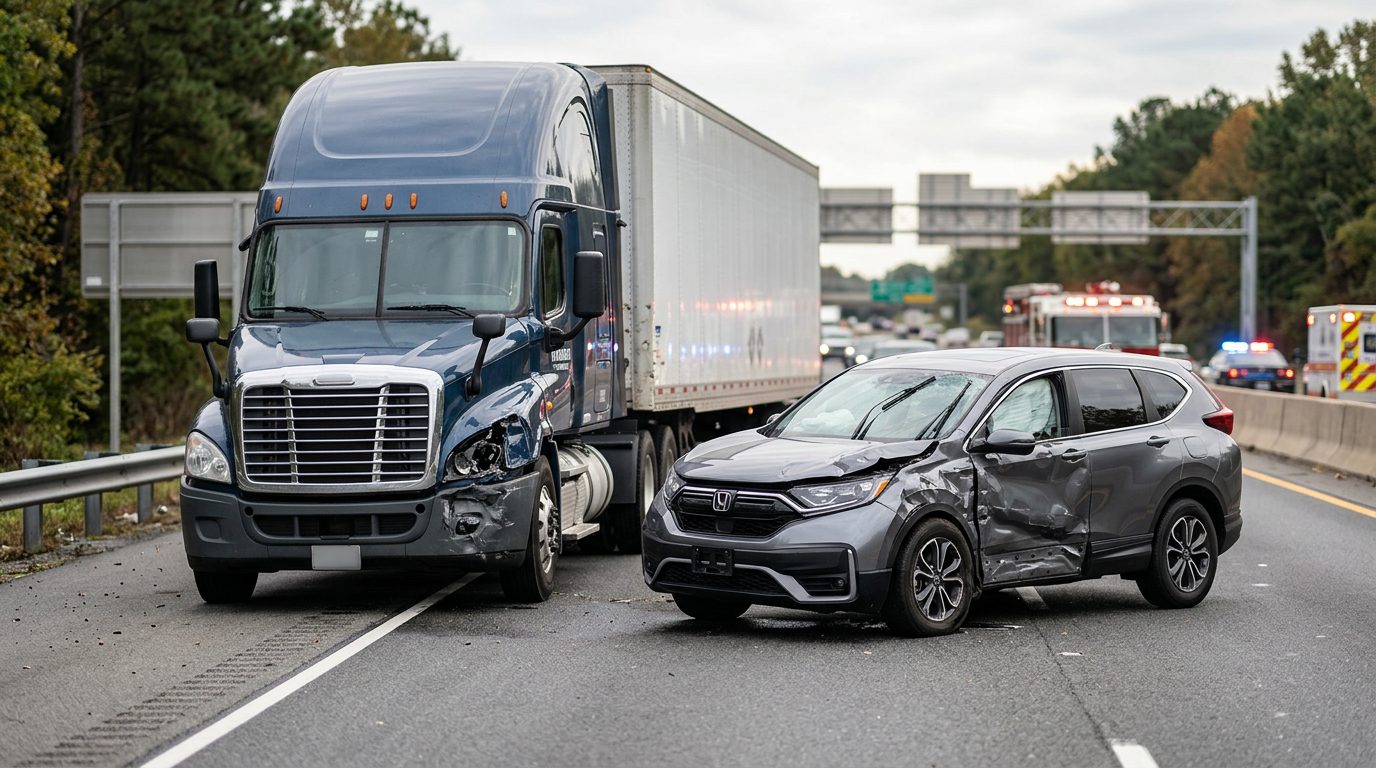
Truck Accident Claims
What Determines Your Truck Accident Settlement Amount?
Understanding the factors that affect your recovery after a catastrophic truck crash.
By CHG Lawyers · Published August 28, 2026
How Much Are Most Truck Accident Settlements? What Determines Your Claim’s Value
Truck accident settlements vary widely. They range from tens of thousands of dollars for minor injuries to millions for catastrophic, life-altering harm. There is no single “average” that applies to your case. Settlement value depends on how severe your injury is, who was at fault, and what insurance coverage is available.
If you suffered a catastrophic injury—spinal cord damage, traumatic brain injury, amputation, severe burns, or wrongful death—your claim is fundamentally different from a minor-injury case. You typically receive far higher compensation.
This page explains what actually drives truck accident settlement value, why published “averages” are misleading, and what you should know before you settle.
Not sure what your next step is?
Talk it through with our team — the first consultation is free, confidential, and carries no obligation.
Why “Average” Truck Accident Settlements Can Be Misleading
The term “average settlement” hides more than it reveals. Published figures often blend minor injuries with catastrophic cases. This creates a middle number that matches almost no one’s reality.
A minor fender-bender with soft-tissue injury settles for far less than a spinal cord injury or traumatic brain injury. Yet both get lumped into the same statistic.
In catastrophic-injury cases, settlement value is driven by permanent harm:
- Lifelong medical care
- Assistive devices
- Home modifications
- Lost earning potential
- Loss of quality of life
A 35-year-old paralyzed from a truck crash will need decades of specialized care. A 65-year-old with the same injury faces different lifetime costs. Neither fits a generic “average.”
Settlement amounts also vary by:
- Your state and county
- Insurance coverage available
- Strength of liability evidence
A truck driver who violated federal hours-of-service regulations and caused a catastrophic crash presents stronger liability than a borderline-fault scenario. The defendant’s insurance limits matter too. A truck company with a $5 million policy can settle higher than one with a $1 million limit.
Bottom line: Ignore published averages. Focus instead on the factors that determine your claim’s value.
What Factors Determine Truck Accident Settlement Value?
Settlement value is built from several components. Your attorney will quantify and document each one:
Severity of injury. This is the primary driver. Catastrophic injuries—paralysis, traumatic brain injury with permanent cognitive impairment, amputation, severe burns—result in settlements far higher than fractures or soft-tissue injury. Permanent disability, ongoing medical needs, and reduced life expectancy all increase damages.
Medical expenses. These include emergency care, surgery, hospitalization, rehabilitation, physical therapy, assistive devices (wheelchairs, prosthetics, ventilators), home modifications, and attendant care. In catastrophic cases, lifetime medical costs can exceed $1 million. Your medical records and expert testimony from doctors and life-care planners document these costs.
Lost income and earning capacity. If your injury prevents you from working, you recover compensation for lost wages and lost future earning potential. For a 40-year-old paralyzed from a truck crash, this can span 25+ years of lost income. Vocational experts calculate this based on your pre-injury earnings, age, education, and job market.
Pain, suffering, and loss of quality of life. This is harder to quantify but no less real. Attorneys use multipliers—typically 3 to 5 times economic damages (medical costs plus lost income)—to arrive at a figure for non-economic damages. A person with permanent paralysis, cognitive impairment, or severe scarring has suffered profound loss of enjoyment of life. Juries and insurers recognize this.
Liability and fault. The clearer the defendant’s negligence, the higher the settlement pressure. Truck accidents involving federal regulation violations—hours-of-service breaches, inadequate vehicle maintenance, driver unqualified or impaired—strengthen liability. Florida’s comparative-negligence law allows recovery even if you are partially at fault, as long as you are 50% or less responsible. Clear liability increases settlement value.
Insurance coverage available. Truck companies typically carry higher liability limits than individual drivers. A commercial trucking operation may have $2–$5 million in coverage. A small owner-operator may have $1 million. The available insurance ceiling affects settlement negotiations.
Jurisdiction and jury attitudes. Settlement expectations vary by state and county. Juries in some regions award higher damages for pain and suffering. Insurers adjust settlement offers accordingly.
Settlement Ranges for Catastrophic Truck Accidents
These ranges reflect cases with clear liability and adequate insurance. Your actual settlement depends on your specific facts:
Catastrophic spinal cord injuries and paralysis (paraplegia or quadriplegia) typically settle for $1 million to $5+ million. This depends on your age, earning potential, and lifetime care needs. A younger person with decades of life ahead faces higher lifetime costs and lost earning capacity.
Traumatic brain injuries with permanent cognitive or physical impairment typically settle for $500,000 to $3+ million. Severity varies widely. Some survivors regain function. Others face lifelong cognitive deficits, personality changes, or physical disability.
Amputation or severe limb loss typically results in settlements of $750,000 to $2+ million. This reflects the cost of prosthetics (which require replacement every 3–5 years), occupational therapy, home and vehicle modifications, and lost function.
Severe burn injuries requiring ongoing treatment typically settle for $500,000 to $2+ million. This depends on the percentage of body surface burned, the need for skin grafts and reconstructive surgery, and scarring.
Wrongful death from a catastrophic truck crash typically ranges from $500,000 to $3+ million. This depends on the deceased’s age, earning history, and the number of dependents. A 45-year-old breadwinner with young children has higher wrongful-death value than a retiree.
These ranges reflect cases with clear liability and adequate insurance. Settlements below or above these ranges occur, depending on the facts.
How Much of a Settlement Will You Actually Receive?
A settlement check is not your net recovery. Several deductions come out before you see the money:
Attorney fees. In contingency arrangements (where your attorney is paid only if you recover), fees typically range from 33% to 40% of the settlement. This depends on your fee agreement and jurisdiction. This is negotiable. Discuss it upfront with your attorney.
Medical liens and subrogation. Healthcare providers and health insurers may have a legal right to recover costs they paid for your treatment from your settlement. Medicare and Medicaid also assert liens in some cases. These are deducted before you receive your share.
Court costs and expert witness fees. Depositions, medical expert testimony, life-care planning, vocational evaluation, and other litigation expenses are deducted. These can total $10,000–$50,000+ in catastrophic cases.
Outstanding medical debt. If you have unpaid medical bills or other liens against your recovery, these are prioritized in settlement distribution.
Example: A $500,000 settlement with a 33% attorney fee ($165,000), $50,000 in medical liens, and $10,000 in court costs leaves approximately $275,000 to you. Your attorney should provide a detailed settlement statement showing all deductions.
Ask your attorney to explain all deductions in writing before you sign a settlement agreement.
Have questions about what happened?
Ask our team directly. The first conversation is free, confidential, and there is no obligation to continue.
Common Mistakes That Reduce Settlement Value
Protect your claim by avoiding these pitfalls:
Accepting an early settlement offer. Insurance companies often make lowball offers before your injuries are fully diagnosed or your long-term outlook is clear. In catastrophic cases, you may not know your full lifetime care needs for months or years. Don’t settle too soon.
Posting about the accident or your recovery on social media. Insurance adjusters monitor social media. Photos or comments suggesting you are recovering better than you claim can undermine your damages claim. Avoid posting anything about the accident, your injuries, or your recovery.
Giving a recorded statement to the other party’s insurance company without legal counsel. Insurers use recorded statements against you. Never speak to the other side’s adjuster without your attorney present.
Delaying medical treatment or failing to document ongoing symptoms. Gaps in medical care weaken your claim. Insurers argue that if you didn’t seek treatment, your injuries weren’t serious. Document every symptom, every doctor visit, and every treatment.
Settling without accounting for future medical needs. In catastrophic cases, your medical needs will evolve. A settlement must account for future surgery, therapy, assistive devices, and home modifications. A life-care planner can project these costs.
Failing to hire representation early. Unrepresented claimants are exploited by insurers. Early consultation protects your claim and strengthens your negotiating position.
Do Truck Accident Cases Go to Court or Settle?
Most truck accident cases settle before trial. However, catastrophic injury cases often require litigation—filing a lawsuit—to achieve fair value. Insurance companies know that an unrepresented claimant or a claimant without trial experience will accept less.
Once you file suit and retain counsel, settlement pressure increases.
Settlement negotiations continue throughout litigation. Even after a lawsuit is filed, parties negotiate. Your attorney’s credible willingness to try the case in front of a jury strengthens your settlement leverage.
Catastrophic cases with clear liability and strong evidence often settle for substantially higher amounts once litigation begins. The defendant and insurer recognize the risk of a jury verdict and adjust their settlement offer accordingly.
Why Catastrophic Truck Accidents Settle for More
Catastrophic injuries justify higher damages because the harm is permanent and profound:
-
Lifetime medical and care costs are substantial and documented. Medical experts and life-care planners testify to the cost of ongoing treatment, assistive devices, and attendant care over the claimant’s remaining life.
-
Lost earning capacity is significant, especially for younger victims. A 30-year-old paralyzed from a truck crash loses 35+ years of income. Vocational experts calculate this loss.
-
Jury sympathy and the severity of injury increase settlement pressure. Juries understand that paraplegia, traumatic brain injury, or amputation is life-altering. Insurers know this and adjust settlement offers upward.
-
Trucking companies carry higher liability insurance limits. Commercial trucking operations typically carry $2–$5 million in liability coverage. This enables larger settlements than individual drivers.
-
Federal trucking regulation violations strengthen liability and increase damages. Violations of hours-of-service rules, maintenance standards, or driver-qualification requirements show negligence and increase settlement pressure.
What Should You Do Next?
If you or a loved one suffered a catastrophic injury in a truck accident, take these steps to protect your claim:
Document everything. Keep all medical records, bills, receipts, and correspondence. Photograph visible injuries and any vehicle damage. Save text messages, emails, and voicemails from witnesses or the other party.
Do not communicate directly with the other party’s insurance company. Do not sign anything or give a recorded statement without legal counsel. Insurers will use your words against you.
Gather evidence early. Request the police report. Collect witness contact information and statements. Obtain truck maintenance records and the driver’s logbook (hours of service). Take photos of the accident scene if you are able.
Understand the statute of limitations. Under Florida law, you have two years from the date of injury to file a lawsuit. Do not wait until the deadline. Early representation protects your claim.
Consult with an attorney who focuses exclusively on catastrophic truck accident cases. Early representation strengthens your position. Your attorney will handle insurance negotiations, gather evidence, retain experts, and protect your rights.

Want to know where you stand?
Tell us what happened and our team will walk you through the options available to you, at no cost.
Frequently Asked Questions
How much will I get from my truck accident settlement after attorney fees and costs?
Your net recovery depends on the settlement amount, your fee agreement (typically 33–40%), medical liens, and court costs. A detailed settlement statement from your attorney will show all deductions before you receive your share.
What is the difference between a settlement and a verdict?
A settlement is an agreement between you and the defendant to resolve the claim for a specific amount. A verdict is a jury’s decision after trial. Settlements are faster and more predictable. Verdicts are uncertain but can be higher if the jury awards substantial damages.
Do I have to go to court?
Most cases settle without trial. However, if the insurer refuses a fair offer, your attorney may file suit. Even after litigation begins, settlement negotiations continue. Your attorney’s willingness to try the case increases settlement leverage.
How long does a truck accident settlement take?
Simple cases may settle in months. Catastrophic cases often take 1–3 years or longer. This depends on the complexity of injuries, the need for expert testimony, and litigation. Your attorney will keep you informed of progress.
What if I was partially at fault for the truck accident?
Florida’s comparative-negligence law allows you to recover even if you are partially at fault, as long as you are 50% or less responsible. Your recovery is reduced by your percentage of fault.
If you or a loved one suffered a catastrophic injury in a truck crash, you likely have questions about what your claim might be worth—and whether it’s worth pursuing. That’s exactly why people in your situation reach out to us. Contact us for a free case evaluation to discuss your specific circumstances, the factors that affect your claim, and what comes next.
Key Factors That Influence Settlement Value
Severity of Your Injury
Catastrophic injuries—spinal cord damage, paralysis, traumatic brain injury, amputation—command higher settlements because they cause permanent, life-altering impairment and require ongoing medical care, rehabilitation, and support.
Medical Evidence and Documentation
Detailed medical records, diagnostic imaging, expert medical testimony, and clear documentation of your injury and prognosis directly support the value of your claim.
Liability and Negligence
The clearer the truck driver's or company's fault—speeding, fatigue, mechanical failure, improper maintenance, or violation of safety regulations—the stronger your position in settlement negotiations.
Lifetime Care Costs
Settlements account for past and future medical treatment, assistive devices, home modifications, lost wages, and long-term care needs that arise from permanent injury.
Insurance Coverage and Defendant Assets
Commercial truck policies typically carry higher limits than personal auto insurance, and the defendant's financial resources affect what can realistically be recovered.
Comparative Fault
Your state's negligence rules determine whether any partial fault on your part reduces the settlement amount you receive.
Settlement vs. Verdict: What's the Difference?
Settlement
An agreement between you and the defendant (or their insurance company) to resolve the claim without trial. Settlements typically offer faster resolution, lower legal costs, and certainty—you know what you'll receive. The amount is negotiated based on the strength of your case and the factors above.
Verdict
A judge or jury's decision after a trial. A verdict can result in a higher award than a settlement offer, but it also carries risk: you may receive less, or nothing at all. Verdicts take longer and cost more in attorney time and court fees.
Your Net Recovery
After settlement or verdict, your attorney's fees (typically 33–40% on a contingent basis), medical liens, court costs, and expert witness fees are deducted from the total award. Your attorney will provide a detailed settlement statement showing all deductions before you receive your share.
No Fees Unless There Is a Recovery
Most catastrophic injury cases are handled on a contingent-fee basis: you pay nothing upfront, and attorney fees are paid only if there is a settlement or verdict in your favor.
Time Matters
Truck accident claims are subject to strict filing deadlines. Evidence can disappear, witnesses' memories fade, and the longer you wait, the weaker your case becomes. Early investigation and documentation are critical to maximizing your recovery.
Common Questions About Truck Accident Settlements
How long does a truck accident settlement take?
Settlement timelines vary. Simple cases may resolve in months; catastrophic injury claims often take 1–3 years or longer, depending on the complexity of your injuries, the investigation, and negotiations with the insurance company.
Can I settle my case before I'm fully recovered?
Yes, but settling too early can be costly. If you don't know the full extent of your permanent injury or future care needs, you may accept far less than you deserve. Your attorney will advise you on when your condition has stabilized enough to accurately value your claim.
What if the truck driver was working for a company?
Commercial trucking companies are often liable for their drivers' negligence under the legal doctrine of vicarious liability. Company liability, combined with higher commercial insurance limits, typically means larger potential settlements than single-driver accidents.
What if I was partially at fault?
Depending on your state's negligence rules, partial fault may reduce your settlement proportionally. An attorney can explain how your state's comparative negligence law applies to your specific situation.