

Catastrophic Motorcycle Injuries | Florida
Catastrophic Motorcycle Accident Injuries in Florida
When a motorcycle crash causes permanent paralysis, brain injury, amputation, or loss of life, you need a law firm that understands the full weight of what comes next. CHG Personal Injury Lawyers focuses exclusively on catastrophic injuries and helps families across Florida and nationwide pursue the compensation they deserve.
By CHG Lawyers · Published September 20, 2026
Catastrophic Motorcycle Accident Injuries: A Florida Rider’s Guide to Serious Crash Claims
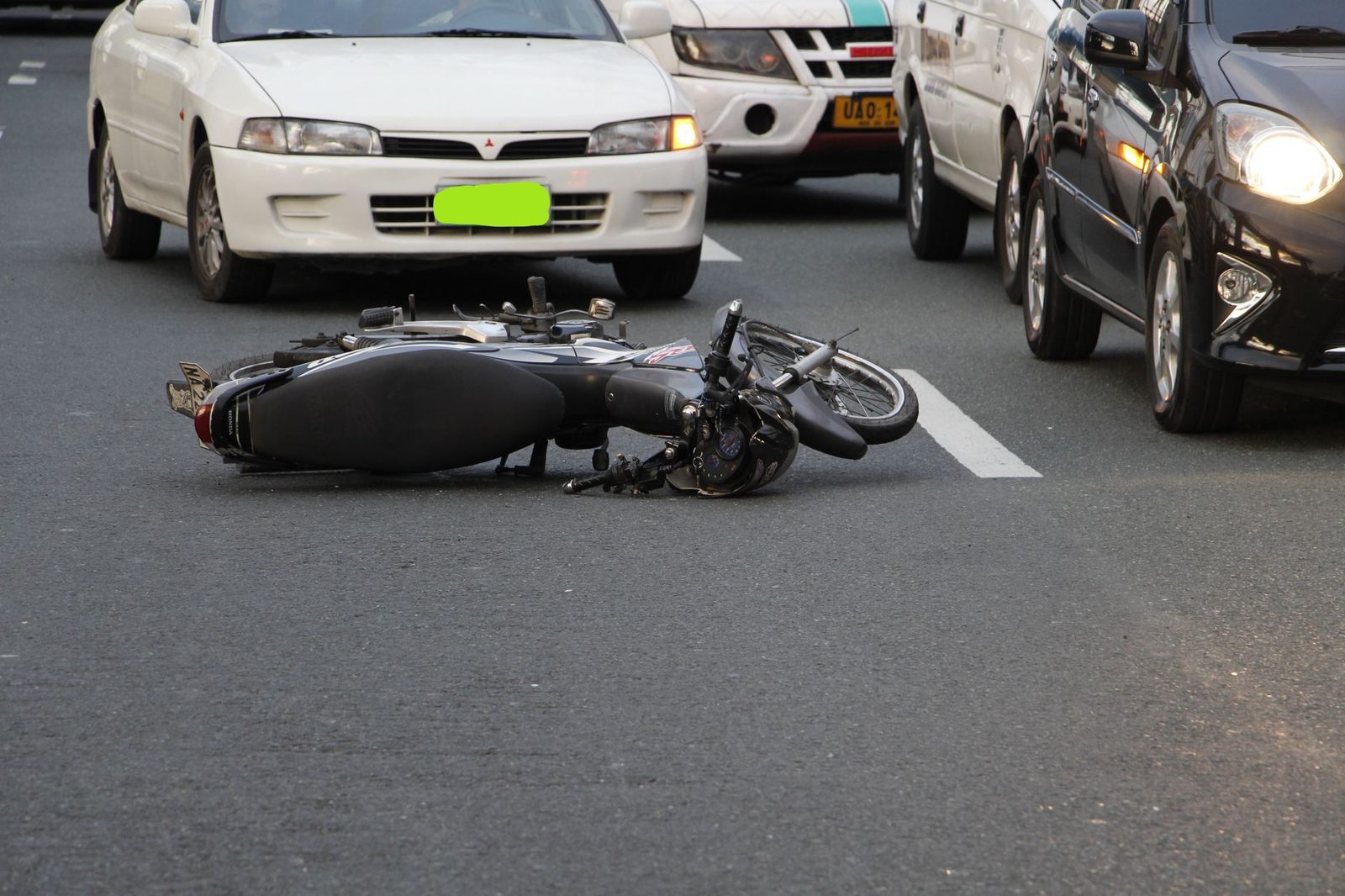
When a motorcycle crashes, the outcome is often catastrophic. Unlike cars, motorcycles have no protective shell, airbags, or crumple zones. Riders absorb the full force of impact. The result is frequently a life-altering injury: permanent paralysis, severe brain damage, limb loss, or death.
This guide explains the types of catastrophic motorcycle injuries, what causes them in Florida, the legal claims available to injured riders and surviving families, and why these cases demand experienced legal attention.
Not sure what your next step is?
Talk it through with our team — the first consultation is free, confidential, and carries no obligation.
Why Motorcycle Accidents Are Different: Understanding Catastrophic Injury Risk
Motorcycles offer no protection between the rider and the road. When a collision occurs at highway speed or involves a large vehicle, the physics are brutal. The rider is thrown, crushed, or dragged across pavement and metal. Speed, road conditions, and the size of the other vehicle multiply the force of impact.
The numbers tell the story. According to the National Highway Traffic Safety Administration (NHTSA), motorcyclists are 28 times more likely to die in a crash than passenger-vehicle occupants, and 5 times more likely to be injured. In Florida, motorcycle fatalities remain persistently high. The state consistently ranks among the top in motorcycle deaths nationwide.
Catastrophic injuries—spinal cord damage, traumatic brain injury, amputation, severe burns—are not rare exceptions in serious motorcycle crashes. They are common outcomes.
Recovery from these injuries often means permanent disability. A rider may never walk again. They may lose cognitive function or memory. They may lose limbs or suffer lifelong pain and scarring. Medical costs are staggering. Loss of income is total. The impact on identity, relationships, and quality of life is profound.
This page focuses exclusively on serious, life-altering injuries—not minor fractures, soft-tissue damage, or routine recovery cases.
Types of Catastrophic Motorcycle Accident Injuries
Spinal Cord Injuries and Paralysis
Spinal cord injuries from motorcycle crashes cause permanent damage to the spine. This results in partial or complete loss of function below the injury site. According to the Mayo Clinic, these injuries are classified by severity using the ASIA Impairment Scale (AIS).
Paraplegia—paralysis of the lower body and legs—occurs when the injury is in the mid-back or lower spine. Quadriplegia—paralysis of all four limbs—results from injury to the neck or upper spine. Both are permanent conditions.
The Christopher & Dana Reeve Foundation reports that approximately 5.4 million Americans live with paralysis, many from traumatic injuries like motorcycle crashes. Riders with spinal cord injuries face lifelong wheelchair use, assistive devices, home modifications, and round-the-clock medical care.
Traumatic Brain Injury (TBI)
A blow to the head during a motorcycle crash can cause traumatic brain injury, ranging from moderate to severe. Mayo Clinic explains that TBI can cause permanent cognitive changes—memory loss, difficulty concentrating, impaired judgment.
Physical symptoms include chronic headaches, balance problems, and sensitivity to light and sound. Behavioral and emotional changes, including depression, anxiety, and personality shifts, are also common. Many riders with severe TBI cannot return to work or live independently.
Amputation and Limb Loss
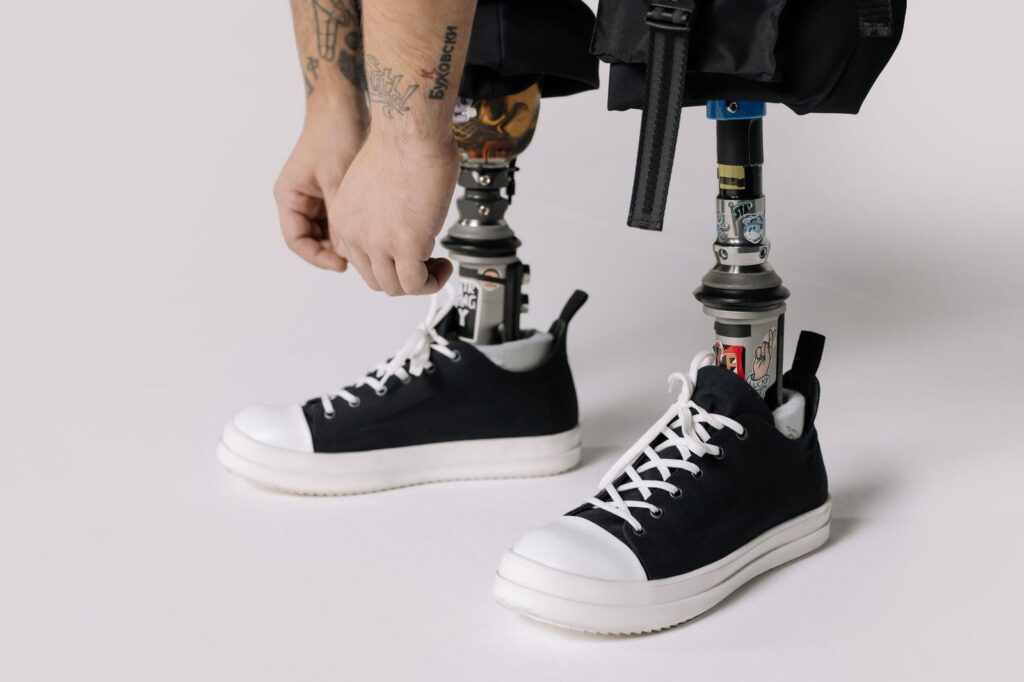
Motorcycle crashes can result in traumatic amputation or crushing injuries requiring surgical amputation of arms, legs, hands, or feet. The loss is permanent and profound. Riders must adapt to prosthetics and learn new ways to perform daily tasks. The psychological impact is as significant as the physical one.
Severe Burn Injuries
High-speed motorcycle crashes can cause severe burns from contact with hot road surfaces, fuel, or engine components. These injuries often require skin grafts and surgical reconstruction. Lifelong scar management is common. Deep tissue damage, infection risk, and chronic pain are typical long-term complications.
Catastrophic Back and Neck Injuries
Not all spinal injuries result in complete paralysis. But vertebral fractures, disc ruptures, and ligament damage can cause chronic pain, neurological deficits, and permanent disability. Riders may suffer from nerve damage, loss of sensation, or chronic pain that prevents them from working or enjoying normal activities.
Common Causes of Catastrophic Motorcycle Crashes in Florida
Left-Turn Collisions
A driver turning left across the motorcycle’s path is one of the most common causes of serious crashes. The driver often fails to see the rider, misjudges speed, or doesn’t check blind spots. The motorcycle hits the vehicle broadside. The rider is thrown into traffic or onto the pavement.
Truck and Large-Vehicle Collisions
The size and weight disparity between a motorcycle and a truck or SUV creates extreme injury risk. Underride crashes—where the motorcycle slides under a truck—are particularly catastrophic. Blind spots on large vehicles make it easy for drivers to miss motorcycles.
Rideshare Vehicle Crashes
Uber and Lyft drivers making sudden turns, lane changes, or stops without checking for motorcycles cause serious crashes. Distracted driving and unfamiliarity with rideshare routes increase the risk.
Road Hazards and Unsafe Conditions
Potholes, debris, gravel, or poor road maintenance can cause a motorcycle to lose traction and crash. Riders have far less stability than car drivers and are more vulnerable to hazardous road conditions. Florida’s heat and seasonal weather also create slick road surfaces after sudden rain.
Negligent or Reckless Driving
Speeding, impaired driving, or aggressive maneuvers by other motorists create dangerous situations for riders. A car driver’s moment of inattention can be fatal to a motorcycle rider.
Defective Motorcycle Parts
Manufacturing defects affecting braking, steering, or structural integrity can cause crashes. Riders may have claims not only against the at-fault driver but also against the motorcycle manufacturer.
The Immediate and Long-Term Impact of Catastrophic Motorcycle Injuries
The first hours and days after a catastrophic motorcycle crash are a blur of emergency surgery, intensive care, and life support. Medical bills accumulate rapidly—often hundreds of thousands of dollars in the first weeks alone.
But the real cost unfolds over years and decades. Rehabilitation, physical therapy, occupational therapy, and mental health care become lifelong needs. Assistive devices—wheelchairs, mobility aids, accessible vehicles—are essential and expensive. Home modifications, from ramps to accessible bathrooms, are necessary for independence.
Many riders can no longer work in their previous job or any job. This results in total loss of income and earning capacity.
The emotional and psychological impact is equally profound. Permanent injuries reshape identity, relationships, independence, and quality of life. Riders grieve the loss of activities they loved—riding, sports, outdoor work. Spouses and children become caregivers. Parents watch their child’s future change overnight. The burden is immense.
Legal Claims for Catastrophic Motorcycle Accident Injuries
Negligence and Duty of Care
To recover damages, you must prove that the other driver owed you a duty of care. You must show they breached that duty by driving negligently or recklessly. You must also prove they caused your injury and damages. In most motorcycle crashes, the at-fault driver failed to see the rider, failed to yield, or drove unsafely.
Comparative Fault in Florida
Florida’s comparative negligence rule, codified in Fla. Stat. § 768.81, allows injured riders to recover damages even if they were partially at fault in the accident. You can recover as long as you were not more than 50% responsible.
This is a significant protection for riders. If you were 30% at fault and the other driver was 70% at fault, you can still recover 70% of your damages.
Damages in Catastrophic Injury Cases
Damages include: – Past and future medical expenses – Lost wages and earning capacity – Pain and suffering – Loss of enjoyment of life – In wrongful-death cases, funeral expenses and loss of companionship
In catastrophic cases, lifetime medical costs and lost earning capacity can total millions of dollars. Non-economic damages—pain, suffering, loss of enjoyment—reflect the permanent nature of the injury.
Insurance Coverage
The at-fault driver’s liability insurance is the primary source of recovery. Your own uninsured/underinsured motorist coverage protects you if the at-fault driver has insufficient insurance. Medical payments coverage on your own policy may cover initial medical expenses.
Statute of Limitations
Florida law generally allows two years from the date of injury to file a negligence lawsuit, under Fla. Stat. § 95.11. Wrongful-death claims follow different timelines. Don’t delay—evidence can be lost, and witnesses’ memories fade.
Have questions about what happened?
Ask our team directly. The first conversation is free, confidential, and there is no obligation to continue.
Why Catastrophic Motorcycle Injury Cases Require Experienced Legal Attention
Catastrophic motorcycle injury cases are among the most complex personal-injury claims. They demand deep knowledge and resources that general-practice attorneys often lack.
Calculating Lifetime Damages
A catastrophic injury case requires expert testimony from medical specialists, vocational experts, and life-care planners. These professionals calculate the rider’s lifetime medical costs, lost earning capacity, and non-economic damages.
A 35-year-old rider paralyzed in a crash may face 50+ years of medical care, assistive devices, and lost income. The calculation is complex and requires detailed analysis of the rider’s specific injuries, prognosis, and functional limitations.
Insurance Company Tactics
Insurance adjusters often undervalue catastrophic claims or deny liability. They may argue the rider was partially at fault. They may claim injuries aren’t as severe as stated. They may say future damages are speculative. Experienced legal representation is essential to protect your rights and counter these tactics.
Medical and Vocational Experts
Catastrophic cases require specialists to testify about the rider’s prognosis, functional limitations, and future needs. A life-care planner projects the cost of care over the rider’s lifetime. This includes medications, medical equipment, home care attendants, and accessibility modifications.
A vocational expert explains how the injury affects the rider’s ability to work and earn income. These experts are critical to proving damages.
Negotiation and Litigation Skill
Serious injury cases often require aggressive negotiation or trial preparation. Insurance companies know that catastrophic cases are expensive to defend at trial. But they also know that many injured riders lack the resources to fight. Experienced attorneys level the playing field.
Motorcycle Accident Fatalities: Supporting Families After Wrongful Death
Fatal motorcycle crashes are tragic outcomes that leave surviving families grieving and often facing financial hardship. If a rider was killed because of another driver’s negligence, the family can pursue a wrongful-death claim.
Wrongful-death claims require proving that the at-fault party’s negligence caused the rider’s death. Damages include funeral expenses, the rider’s lost financial support to the family, and non-economic damages for loss of companionship, guidance, and emotional support.
If the rider was the primary breadwinner, the family’s loss of income can be substantial and may extend decades.
Families grieving a fatal motorcycle crash often need compassionate, experienced legal guidance. An attorney can handle negotiations with insurance companies. This allows the family to focus on grief and healing. The legal process itself—gathering evidence, filing claims, negotiating with insurers—can be overwhelming for a grieving family. Professional representation removes that burden and ensures the family’s rights are protected.
Steps to Take After a Catastrophic Motorcycle Accident
Immediate Actions
Seek emergency medical care immediately. Your health is the priority. Once you’re stabilized, document all injuries and treatment. Request copies of all medical records and bills.
Report and Preserve Evidence
Report the crash to law enforcement and obtain a copy of the police report. The report documents the officer’s investigation and often includes the at-fault driver’s statement.
Gather evidence yourself: photos of the crash scene, vehicle damage, road conditions, and weather. Get contact information from witnesses. Preserve your motorcycle and any damaged gear—these can be important evidence.
Protect Your Rights
Do not admit fault or discuss the accident with the other driver’s insurance company without legal counsel. Insurance adjusters are trained to minimize claims. Anything you say can be used against you.
Preserve all medical records, bills, and documentation of expenses and lost income.
Consult an Attorney Early
Contact an attorney who focuses exclusively on catastrophic injury cases before speaking with insurance adjusters. Early consultation protects your rights, ensures evidence is preserved, and gives you an advocate from the start.
Frequently Asked Questions
What makes a motorcycle injury “catastrophic”?
A catastrophic injury is one that causes permanent, life-altering disability. This includes spinal cord damage causing paralysis, severe traumatic brain injury, amputation, severe burns, or fatal trauma. Minor fractures, soft-tissue injuries, or injuries from which riders recover are not catastrophic.
Can I recover damages if I was partially at fault?
Yes. Florida’s comparative negligence rule allows recovery as long as you were not more than 50% at fault. Your damages are reduced by your percentage of fault.
How long do I have to file a lawsuit?
Florida’s statute of limitations is generally two years from the date of injury. Wrongful-death claims have different timelines. Don’t delay—contact an attorney promptly.
What damages can I recover?
Medical expenses (past and future), lost wages and earning capacity, pain and suffering, loss of enjoyment of life, and in wrongful-death cases, funeral expenses and loss of companionship.
Why do catastrophic cases need expert witnesses?
Expert testimony from medical specialists, vocational experts, and life-care planners is essential to prove the severity of injury, prognosis, functional limitations, and lifetime costs of care. Judges and juries rely on expert testimony to understand the true impact of permanent disability.

Want to know where you stand?
Tell us what happened and our team will walk you through the options available to you, at no cost.
Moving Forward After a Catastrophic Motorcycle Injury
A catastrophic motorcycle injury is a life-altering event. The rider’s world changes overnight. Recovery is not a return to normal. It’s learning to live with permanent disability, managing lifelong medical needs, and grieving the loss of the life they had planned.
Injured riders and surviving families deserve compensation that reflects the true, long-term cost of permanent disability. That compensation rarely comes without a fight. Insurance companies have resources and experience in minimizing claims. Riders and families need an equally experienced advocate.
If you or a family member suffered a catastrophic injury in a motorcycle crash—spinal cord damage, traumatic brain injury, amputation, severe burns, or fatal trauma—you may have a legal claim. The at-fault driver’s negligence caused your injury. They or their insurance company should be held responsible for the full cost of your care, lost income, pain, and suffering.
Riders and families in your situation contact our office regularly to discuss what comes next. We focus exclusively on catastrophic injury cases and understand the complexity, the stakes, and the long-term impact of permanent disability. Reach out for a free case evaluation to learn about your legal options and what we can do to help.
Why CHG Handles Catastrophic Motorcycle Cases Differently
Focused on Catastrophic Injury
We focus exclusively on life-altering injuries—spinal cord damage, traumatic brain injury, amputation, severe burns, and wrongful death. We don't handle minor claims; we bring deep experience to the cases that matter most.
Nationwide Reach, Florida Roots
Based in Florida and licensed to practice throughout the state, we represent motorcycle accident victims across Florida and take cases nationwide. Your location doesn't limit your access to our firm.
Empathy Meets Advocacy
Catastrophic injuries reshape lives. We listen to your story, understand your family's needs, and fight for fair compensation—not just for medical bills, but for the permanent changes you face.
No Attorney’s Fees Unless There Is a Recovery
We work on contingency. You pay no attorney fees unless we recover compensation for you. Your focus stays on healing; we handle the legal burden.
Types of Catastrophic Motorcycle Injuries We Handle
Spinal Cord Injuries & Paralysis
Motorcycle crashes often cause severe spinal trauma leading to paraplegia or quadriplegia. These injuries demand lifelong care, adaptive equipment, and home modifications. We pursue claims that reflect the full scope of your needs.
Traumatic Brain Injury
Head trauma from a motorcycle accident can cause permanent cognitive, physical, or behavioral changes. We work with medical professionals to document the injury's impact and build a claim that covers long-term care and support.
Amputation & Limb Loss
Losing a limb in a crash is catastrophic. Beyond immediate surgery and hospitalization, you face prosthetics, rehabilitation, and a lifetime of adaptation. We help secure compensation for all of it.
Severe Burns & Permanent Scarring
Motorcycle fires and road friction can cause severe thermal or friction burns. We handle claims involving emergency care, skin grafts, reconstructive surgery, and the emotional and physical toll of permanent scarring.
Critical: Gather Evidence Immediately
After a catastrophic motorcycle crash, preserve all evidence—photos of the scene and vehicles, witness contact information, police reports, and medical records. Do not post about the accident on social media. Early documentation strengthens your claim and protects your legal rights.
Common Causes of Catastrophic Motorcycle Accidents
Negligent Drivers
Distracted, impaired, or reckless drivers often fail to see motorcycles or misjudge their speed. A car turning left in front of a rider or a truck merging without checking blind spots can cause fatal or life-altering crashes.
Road Hazards & Poor Maintenance
Potholes, debris, uneven pavement, or failed road repairs can throw a motorcycle off balance. Municipalities and contractors may be liable for negligent maintenance that causes catastrophic injury.
Defective Motorcycle Parts
Brake failure, steering defects, or tire blowouts caused by manufacturing flaws or poor maintenance can lead to loss of control. Product liability claims may apply.
Unsafe Road Design
Sharp curves without adequate signage, missing guardrails, or poor visibility at intersections create hazards for riders. Property owners and government agencies may bear responsibility.